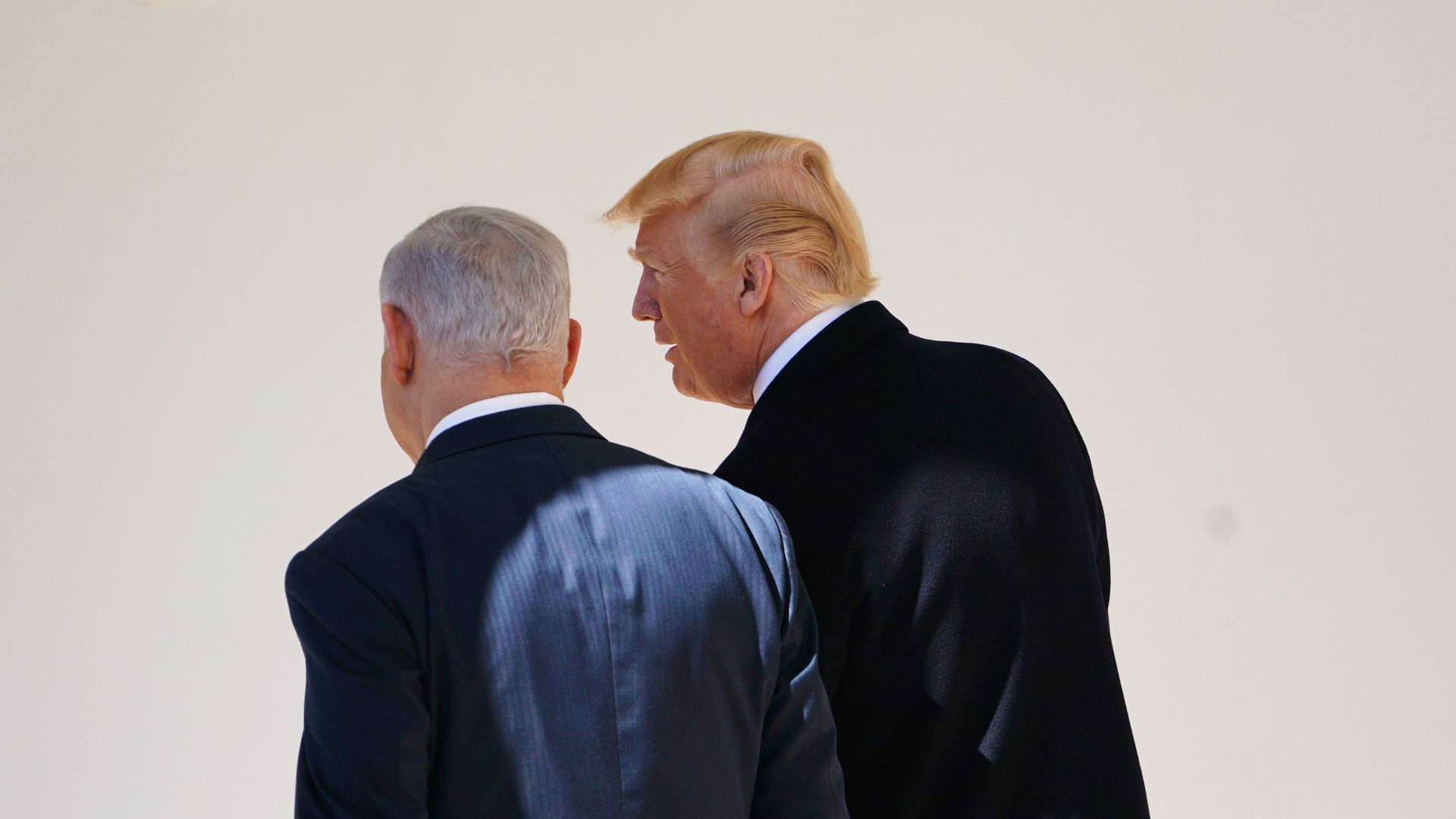
Israeli Prime Minister Benjamin Netanyahu's senior economic adviser, Avi Simhon, last Tuesday supported President Trump's trade war with Beijing during a classified hearing on China. During the hearing, in the Foreign Affairs and Security Committee of the Israeli parliament, he attacked the economists who criticized Trump's tactics, calling them "Hillary Clinton supporters."
Why it matters: Simhon is heading Israel's national economic council, which is an organ within the Prime Minister's office. His counterpart at the White House is Larry Kudlow. His comments were unusual, mainly because he is one of the main supporters in the Israeli government of boosting trade with China. Moreover, his comments in a classified hearing of a Knesset committee create the impression that this is the Israeli government position.
North Korean leader Kim Jong-un sent a letter to President Trump on Thursday thanking him for his commitment to improving relations between the two countries during last month's summit in Singapore.
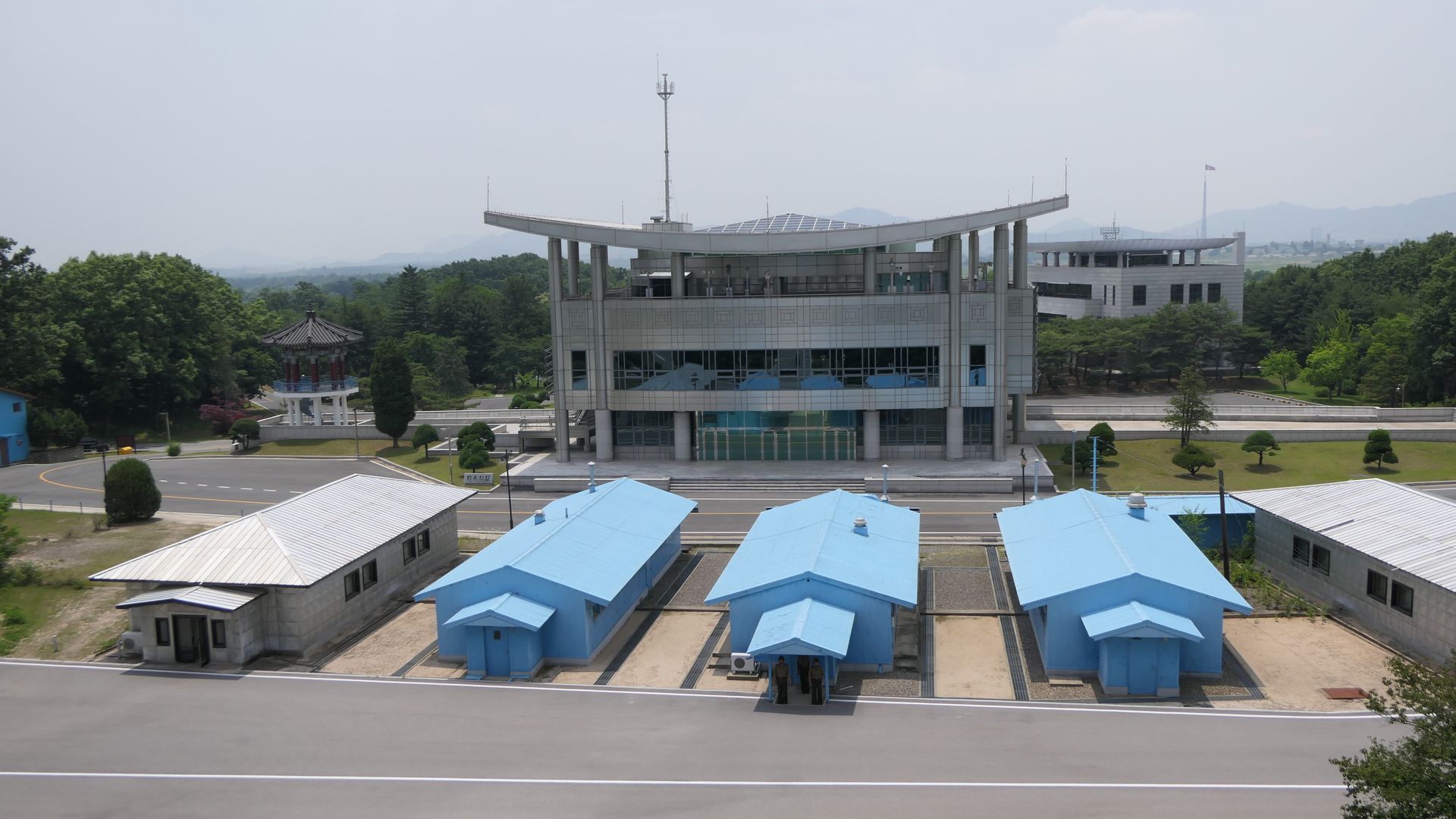
Timing: The letter, in which Kim addressed Trump as "Your Excellency Mr. President," came the same day that North Korean officials failed to show up for a planned meeting with their U.S. counterparts at the demilitarized zone.
North Korean officials failed to show up for a planned meeting with their U.S. counterparts at the demilitarized zone between the Koreas on Thursday to discuss the return of the remains of Americans who died in the Korean War, Bloomberg reports, citing the South Korean news agency Yonhap.
Why it matters: It comes right after North Korea pivoted on its commitment to denuclearization and called the U.S.'s demands for complete, irreversible, verifiable denuclearization "regrettable."
Update: The State Department says North Korea has suggested rescheduling the meeting for Sunday the 15th.
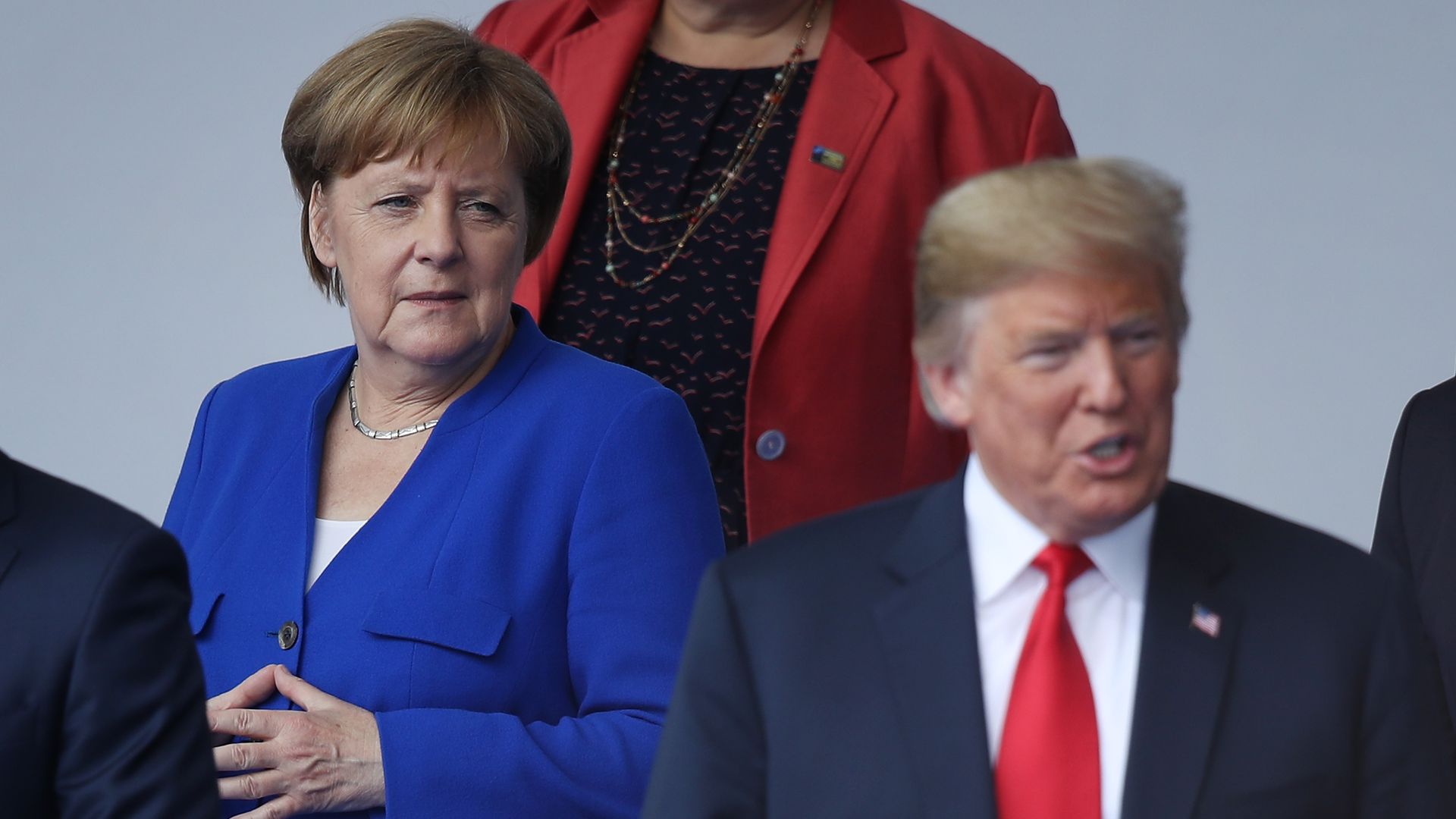
During today's NATO summit in Brussels, German Chancellor Angela Merkel responded to President Donald Trump’s comments that Germany is “totally controlled by Russia” due to an oil and gas deal between Russia and Germany. Merkel responded with her experience growing up in East Germany, saying, "It is good that we are independent today.”
The backdrop: Current and former U.S. lawmakers are rebuking the exchange, saying that Trump's comment about Russia and Germany was unacceptable — or outright calling it out as false.
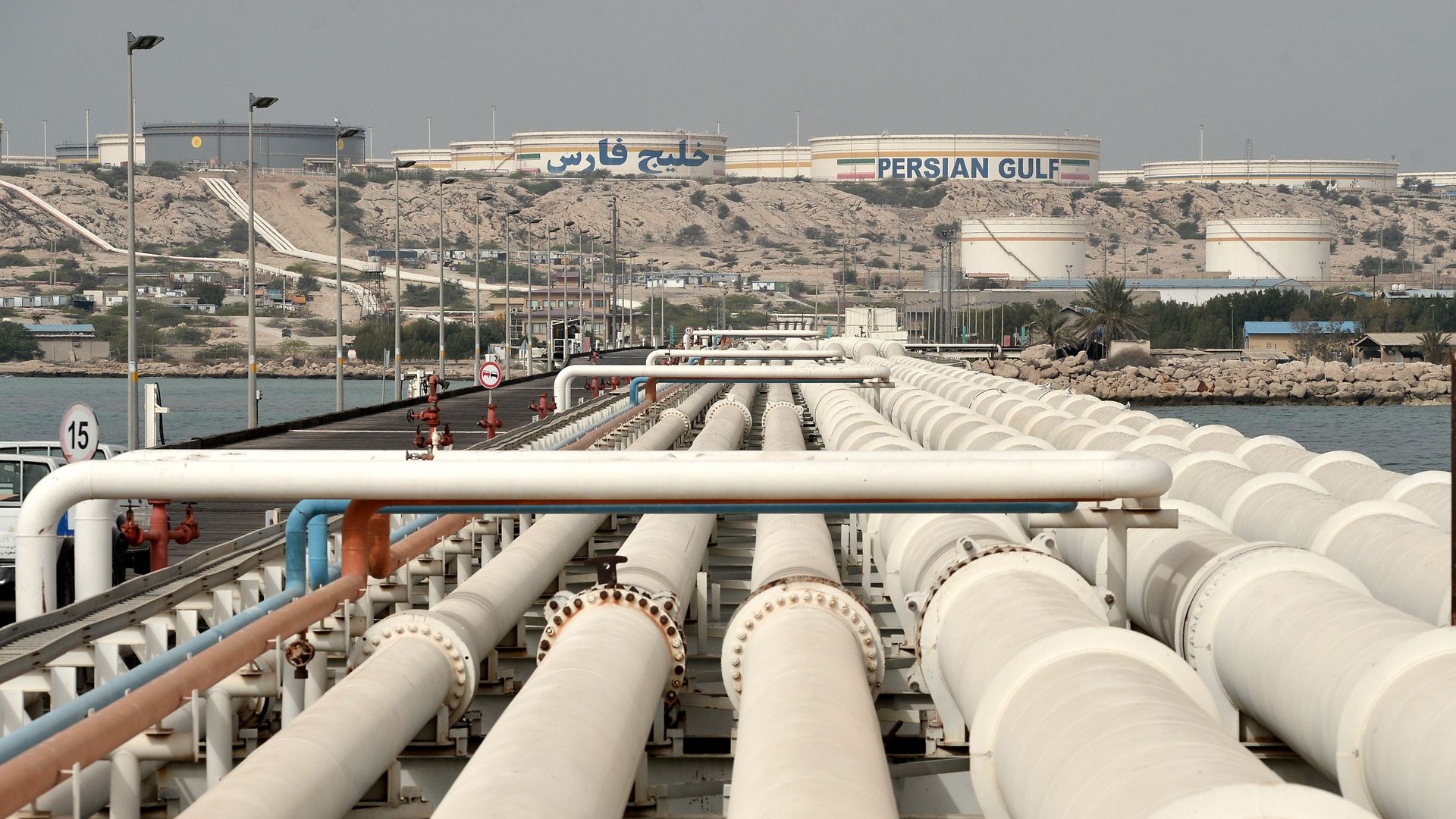
Oil prices are heading downward this morning, as traders respond to the escalating trade war with China, reopened Libyan exports terminals, and fresh signs that the U.S. could provide buyers of Iran crude oil some wiggle room on sanctions, per Reuters.
The intrigue: U.S. Secretary of State Mike Pompeo seemed to make news yesterday when he said in Abu Dhabi that the U.S. would "consider" waiver requests from a "handful" of countries. But that was in the context of generally tough remarks.
Since the middle of June, China’s currency — the yuan — has fallen more than 3% against the dollar, and by a bit less against the currencies of China’s main trading partners. After a particularly large drop last Monday, China is reported to have intervened to limit the yuan’s fall.
Why it matters: Few prices matter more to the global economy — or to global trade — than the value of China’s currency. A weaker yuan supports China’s exports and generally pushes down the currency values of countries that compete most intensely against China in global markets.
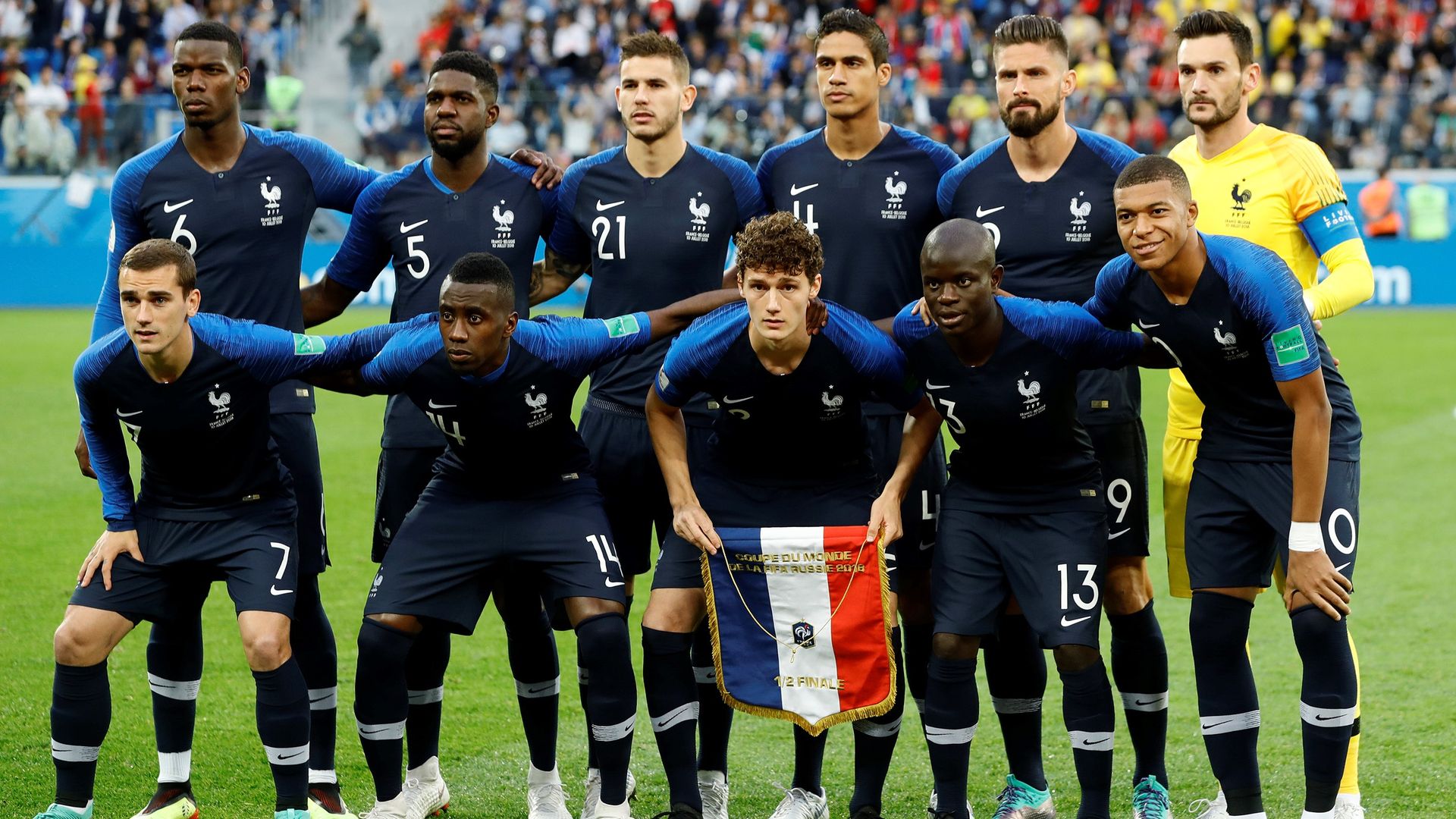
"At a time when populist politicians are trying to choke off or reroute migration flows, what matters to fans of the [all-European teams in the World Cup] semifinals — England, France, Belgium [eliminated] and Croatia — wasn't the players' ancestry but that they excelled," AP's Angela Charlton writes from Paris.
Why it matters: "Europe owes its sporting power ... to a long-running outreach into poor suburbs or neighborhoods, giving kids of all backgrounds access to coaches and fields and facilities — and teams more talent to choose from."
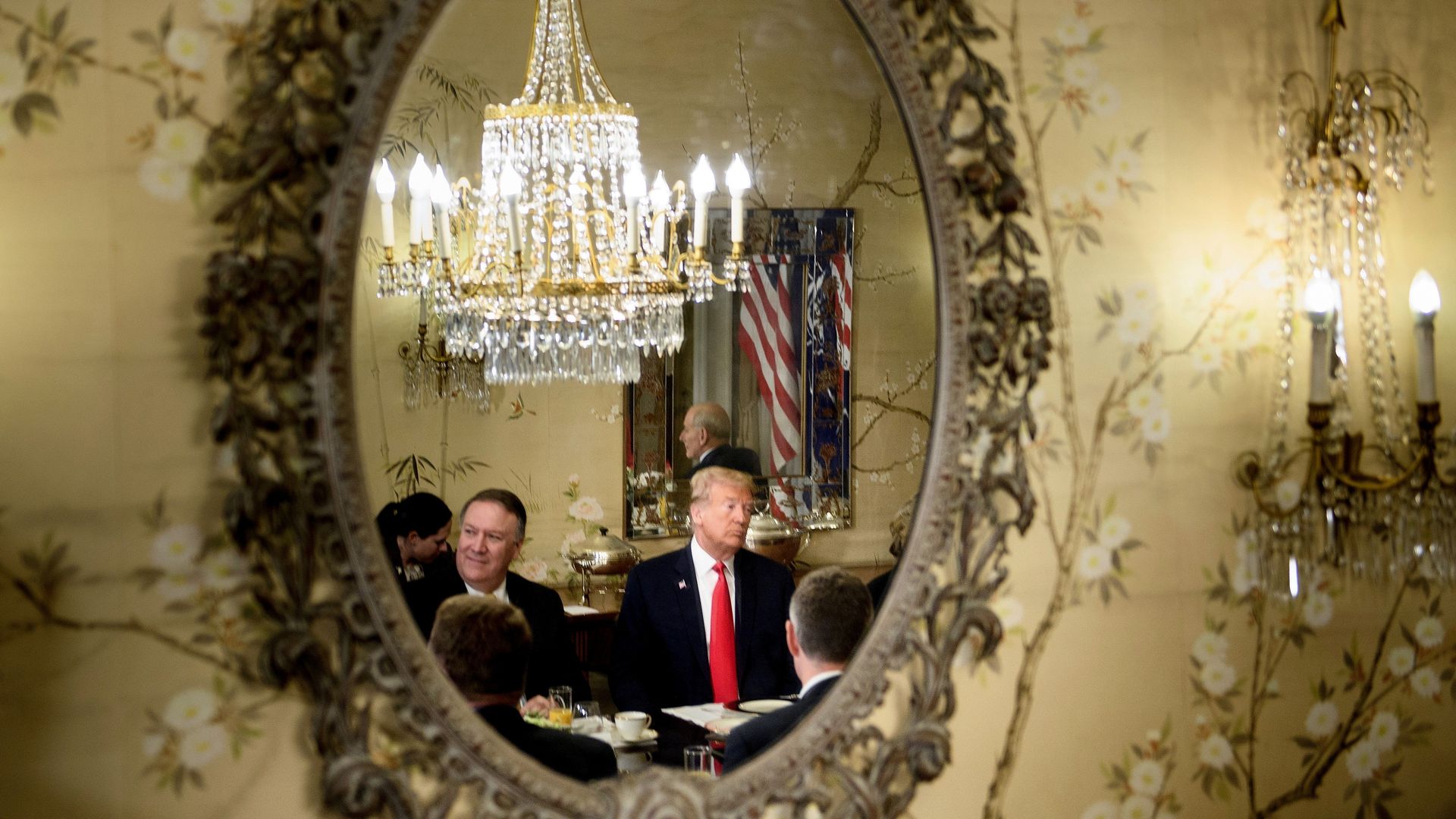
President Trump accused Germany of being "totally controlled by Russia" due to its energy deals with Moscow shortly after arriving at the NATO summit in Brussels this morning — and doubled down on his claims that European allies owe the United States for years of "protection."
Between the lines: Trump's warm rhetoric toward Russia has worried allies, particularly with a Trump-Putin summit looming just after the NATO meeting. His comments mark an inauspicious start to a summit that many fear could be as disastrous as last month's G7 gathering — but with even bigger stakes, given NATO's collective defense requirements.
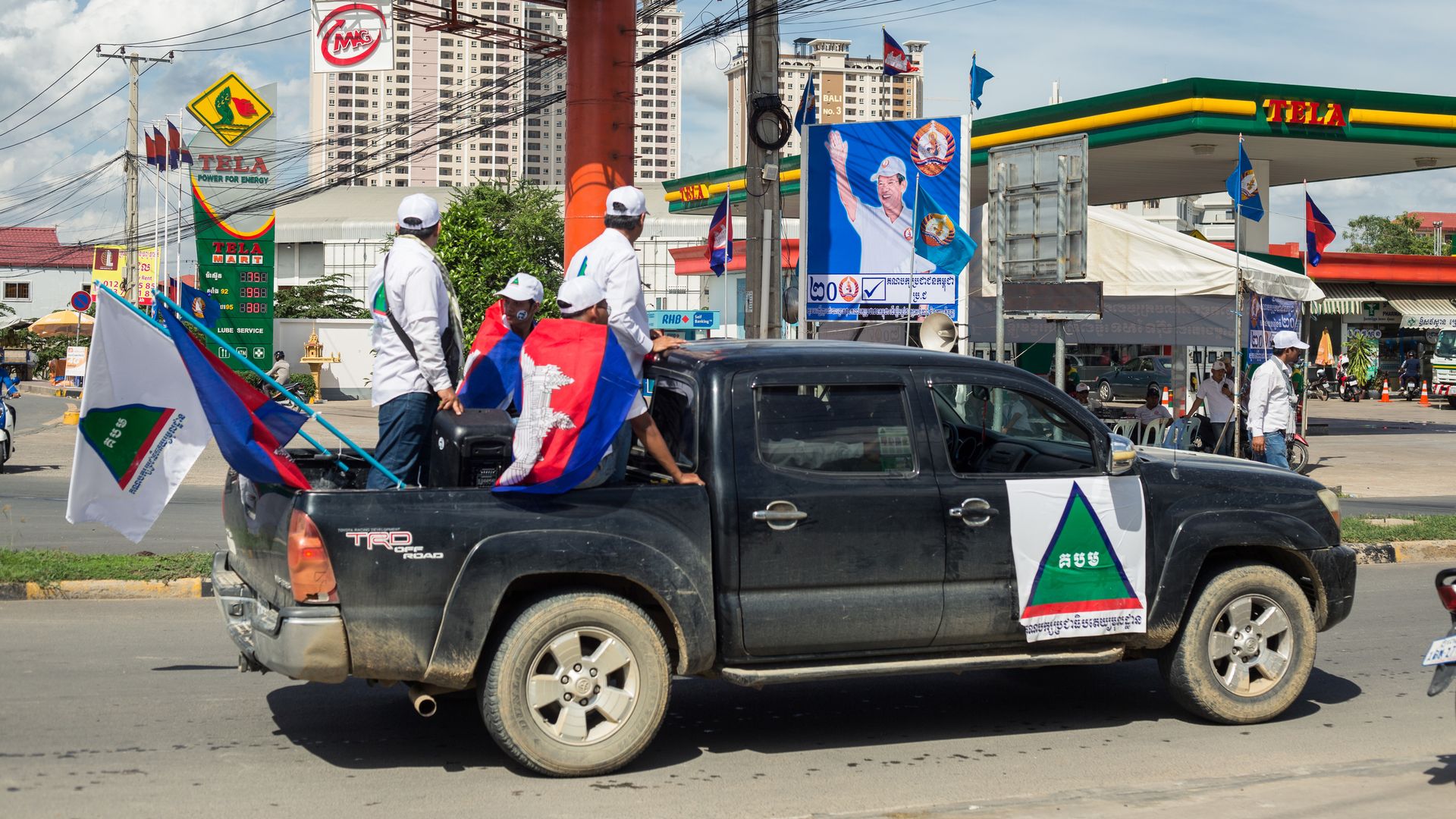
Researchers at FireEye found evidence that a Chinese hacker group known as TEMP.Periscope spied on both sides of the Cambodian election, according to a new report.
What they're saying: Benjamin Read, FireEye senior manager for cyber espionage analysis said in a statement: "China is heavily surveilling all parts of the upcoming Cambodian elections. We have not seen any evidence of activity beyond intelligence collection, but Cambodia is a key ally, so any change in ruling party would be of interest to China."