Thursday's world stories

Mueller's Russia probe has cost $17 million to date
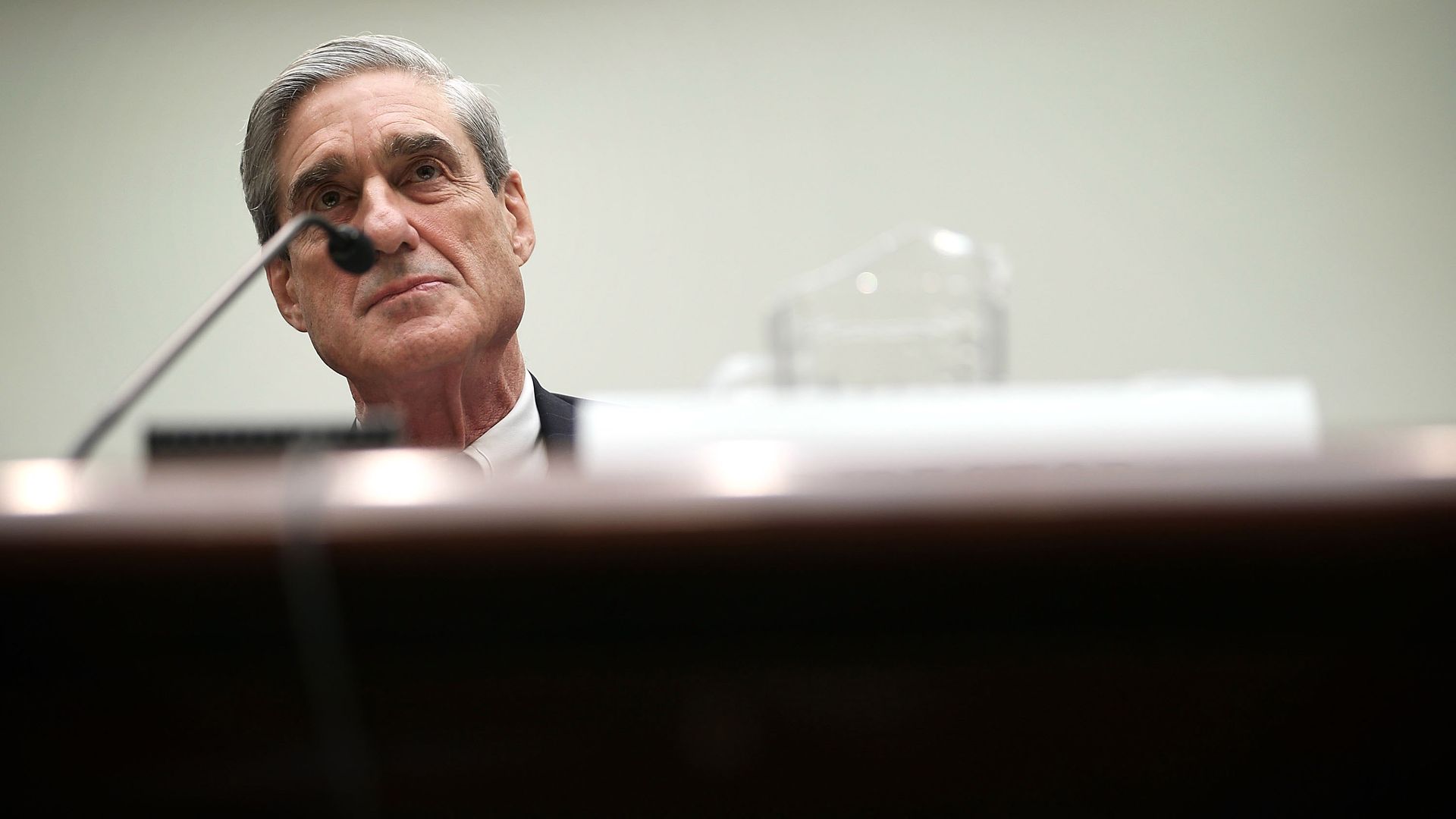
The special counsel's investigation into potential Russian interference in the 2016 election has cost nearly $17 million to date, since Robert Mueller was appointed to lead the probe in May of last year, according to new spending report released Thursday by the Justice Department.
By the numbers: $10 million was spent on expenses incurred between October 2017 through March of this year, detailing that $2.7 million was expended for salaries and benefits, $532,340 was expended for travel, and $264,114 was expended for contractual services. The department had previously said $6.7 million was used between May and September of last year. Mueller’s office told Politico in a statement that its spending was "within the approved budget."
Pompeo: "Real progress" toward Trump-Kim summit
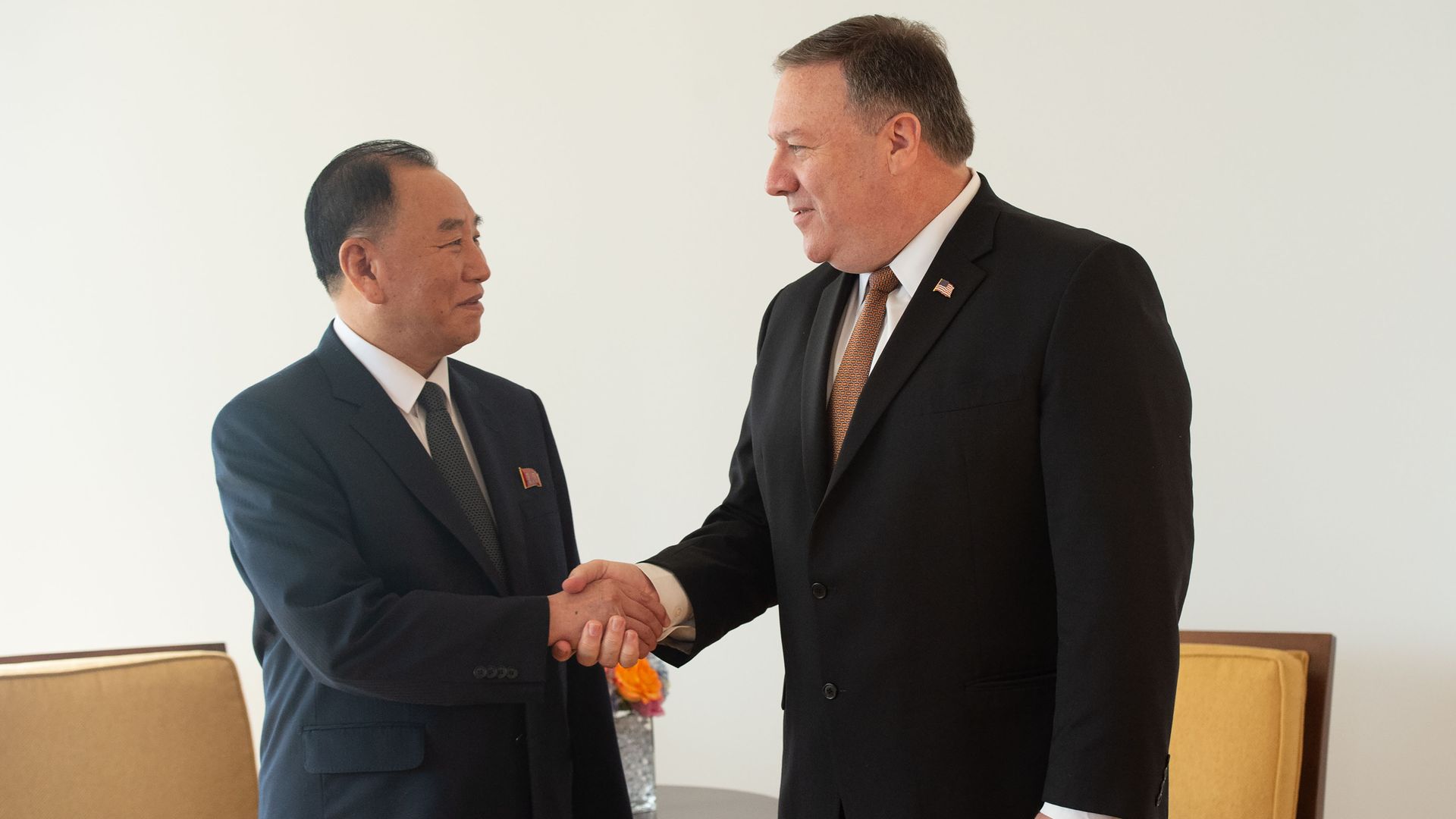
Speaking at a press conference following a meeting with North Korean Vice Chairman Kim Yong-chol in New York, Secretary of State Mike Pompeo expressed optimism about the planned summit between President Trump and North Korean leader Kim Jong-un. He added that the two sides have "made real progress in the last 72 hours towards setting the conditions" of the June 12 meeting.
The big picture: Pompeo signaled that the United States' hopes for the meeting had not changed, saying that the end goal was "both denuclearization that the world demands, and security assurances [from North Korea that] would be required for us to achieve [denuclearization.]"

Ivanka and Jared's long game
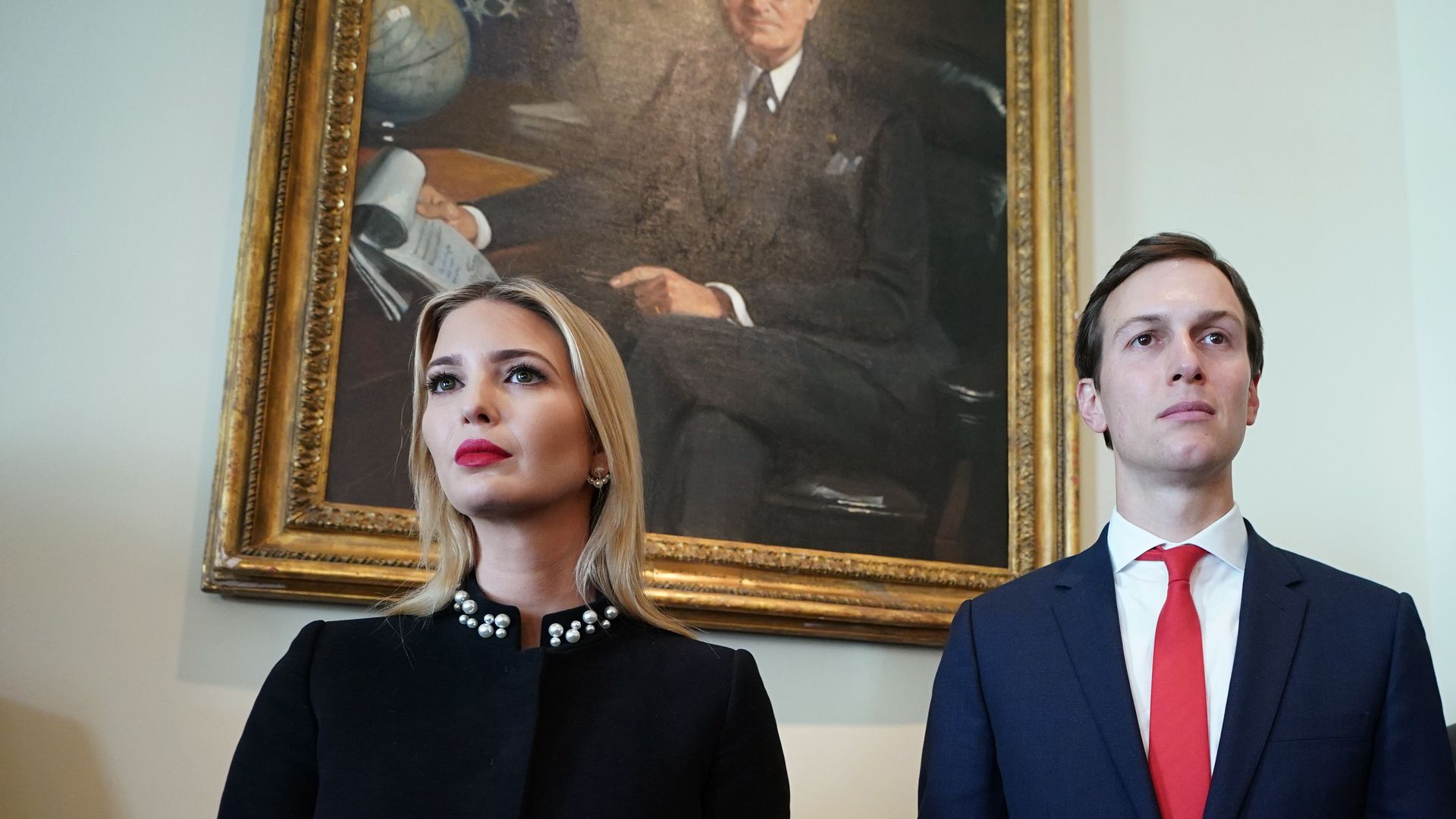
Ivanka Trump and Jared Kushner, who dominated coverage early on with their unparalleled Oval Office access and various business and political controversies, now are out of the spotlight for long stretches.
What's happening: Leaks of their views, feuds or demands have abated. A talkative enemy, Steve Bannon, is gone — as are allies Dina Powell and Gary Cohn. And they have largely lived by Chief of Staff John Kelly’s check-in-with-me-first rules. Inside the White House, their abnormal roles are accepted as reality, though the eye rolling and concerns of conflicts of interests persist.

Trump's strategy on the Iran deal: force Iran to quit
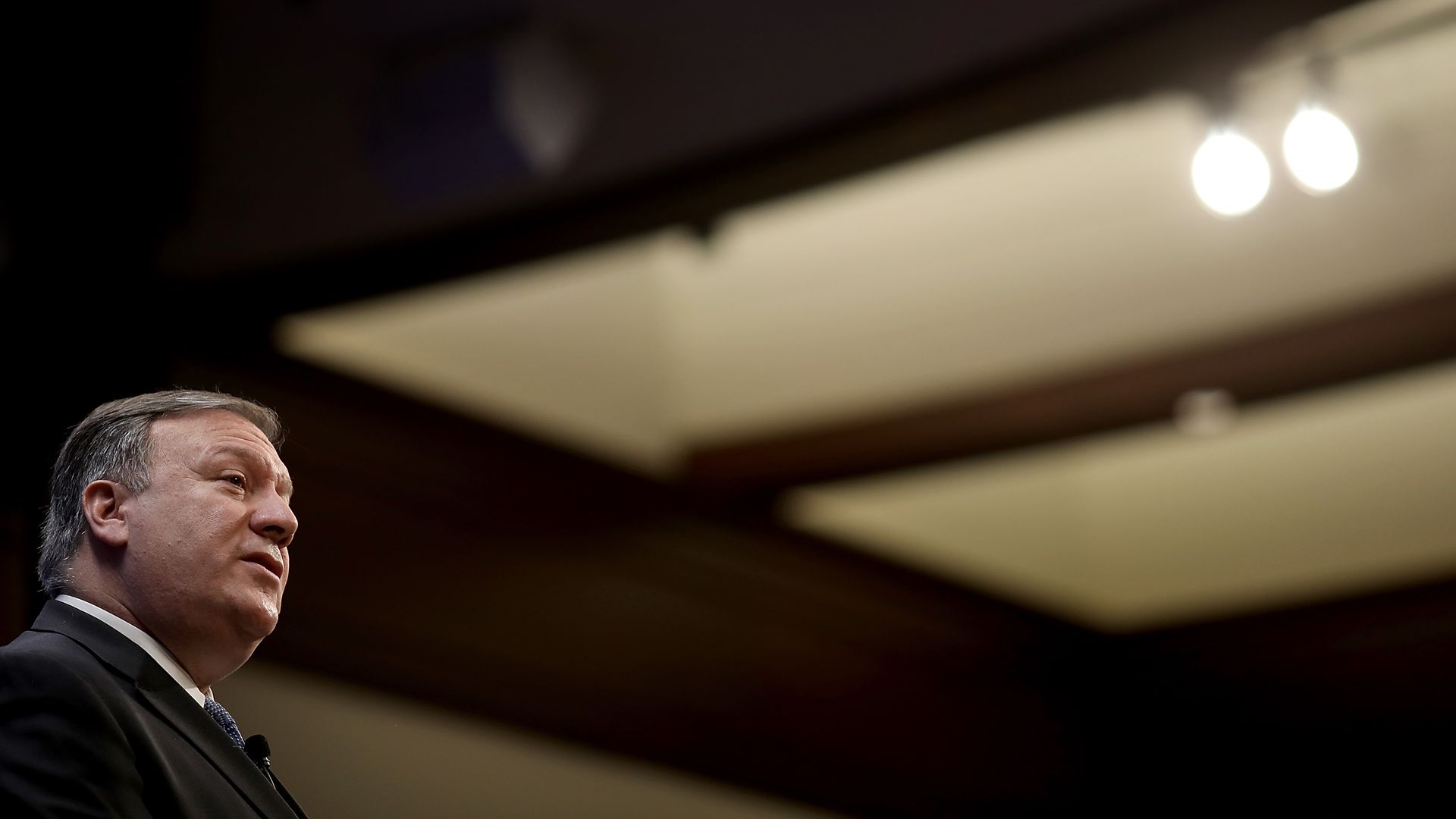
Since taking office, the Trump administration has been challenging Iran to break the terms of the nuclear deal by denying its full economic benefits and casting uncertainty over the reimposition of sanctions. Now that the U.S. has withdrawn unilaterally, Washington still appears to be counting on Iran's eventual withdrawal to apply a policy of maximum pressure on Tehran.
The big picture: Conversations with individuals familiar with administration thinking suggest that there's no real strategy for renegotiating the deal. Secretary of State Pompeo’s recent “Plan B” was a political mission impossible that Iran — absent radical regime change — could never accept. And so far, the maximum pressure strategy has met with resentment from the United States' European and Asian allies.

China's 'gale of creative destruction'

There is a new threat from Beijing, which is increasingly buying or reverse-engineering big tech breakthroughs and transforming them into cheap, commodity products, according to a Harvard professor.
Why it matters: Speaking at a conference in Dallas, Willy Shih, an economist at Harvard Business School, forecast "a gale of creative destruction," in which "whole [American] industries will be transformed, or may disappear."

Hamas announces ceasefire with Israel
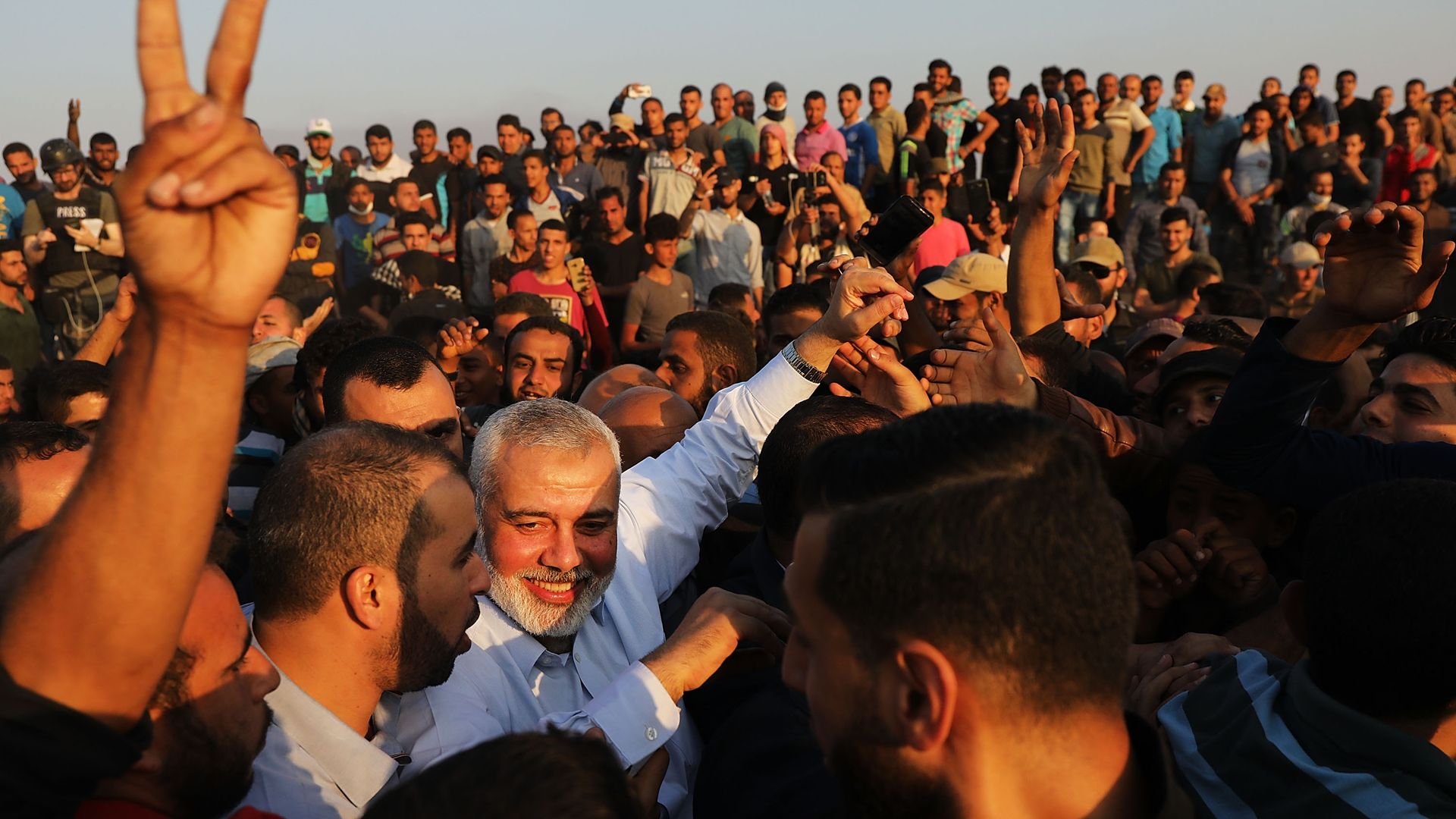
Hamas said Wednesday it had reached a ceasefire agreement with Israel to end the biggest outbreak of violence between Palestinians and Israelis since the war in 2014, per the AP. While Israel has not officially recognized the ceasefire, the Gaza-Israel border has gone quiet for now, per Reuters.
Where things stand: Israel’s Cabinet minister Arieh Deri said he expected calm would be restored, and that it would halt strikes from its side if rocket fire stopped, per the AP. Israel said a renewal of attacks would bring an even stronger military response, per Reuters.

Netanyahu and Pompeo discuss possible Syria deal
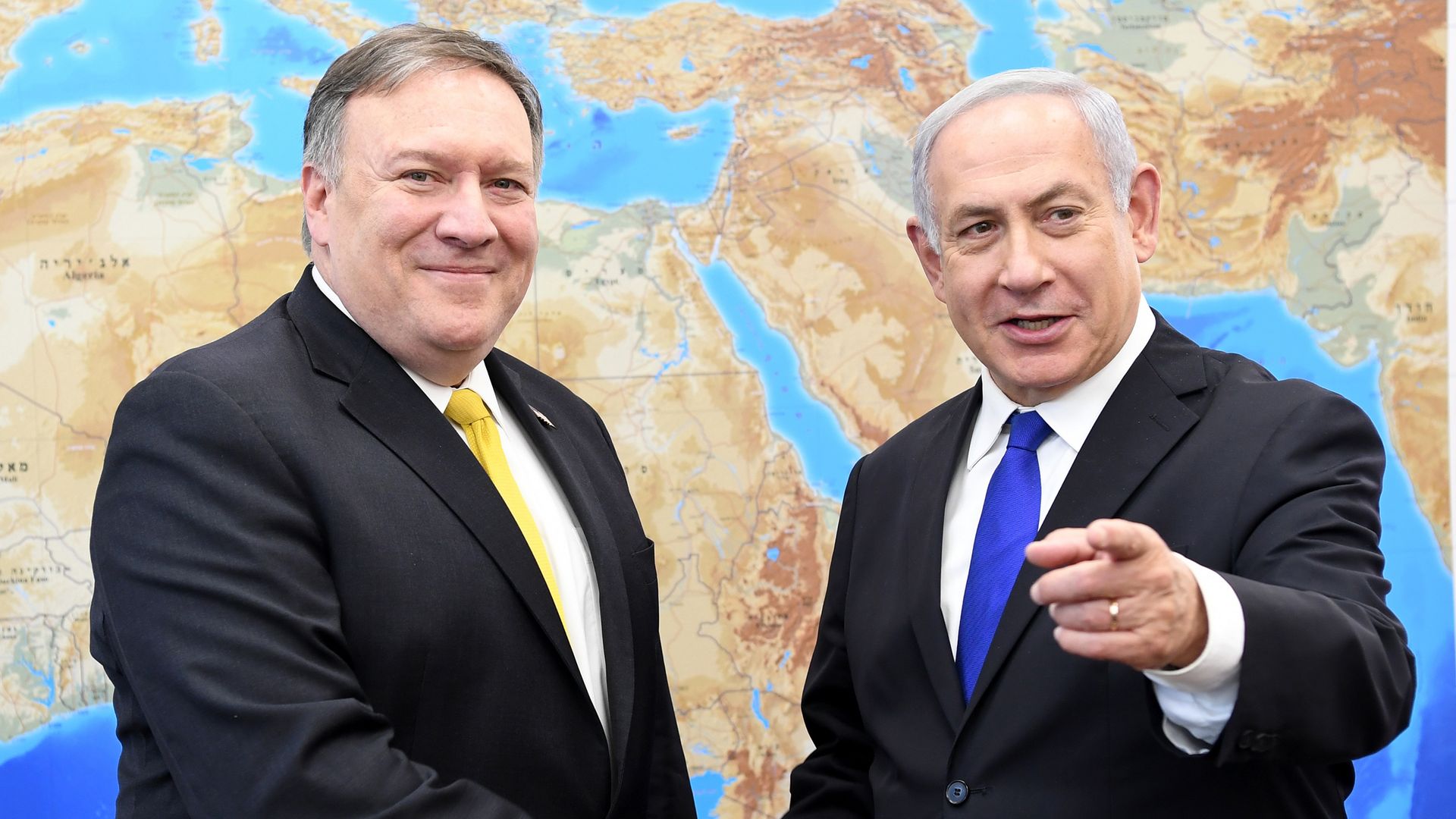
Israeli Prime Minister Benjamin Netanyahu spoke on the phone today with Secretary of State Mike Pompeo and presented him with Israel's demands and interests for any future deal between the U.S., Russia and Jordan in Southern Syria, an Israeli official tells me.
Why it matters: The Syrian army is about to start a military operation against rebels in Southern Syria near the Israeli and Jordanian borders, which would violate a ceasefire deal signed by the U.S., Russia and Jordan last July. The Russians want to update the deal because of the Syrian army operation. Israel, the U.S. and Jordan are open to the Russian proposal but want to make sure it will include a firm commitment from the Russians that Iranian forces, Hezbollah and Shia militias will not take part in the operation and will be completely removed from the areas close to the Israeli and Jordanian borders.
Russian journalist, reportedly killed, appears at news conference
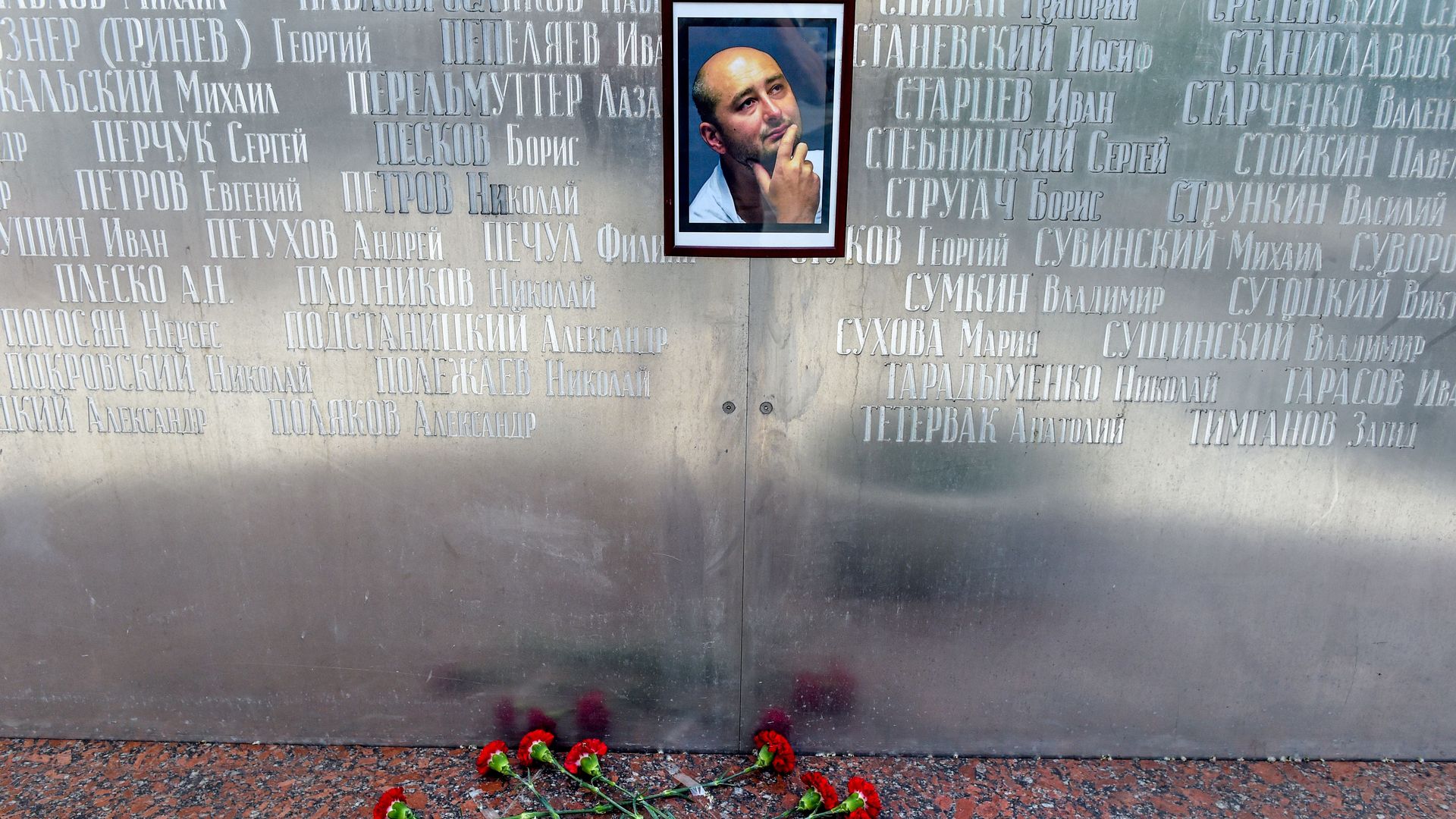
Arkady Babchenko, the prominent Russian journalist and Kremlin critic whose apparent assassination yesterday sparked an international outcry has appeared at a news conference today, the AP reports.
The backstory: Ukrainian authorities say the assassination reports were intended to "expose Russian agents," BBC's Joel Gunter reports. Per Meduza, Babchenko said at the news conference: "Special apologies to my wife. Olechka, I am sorry, but there were no options here. The operation took two months to prepare. I was told a month ago. As a result of the operation, one person has been captured, he is being held."