Coming this June, the U.S. State Department will begin to shorten "the length of validity" for Chinese citizens' visas, the AP reports.
The big picture: The process to apply for a visa won't change, per the AP, but instead of of issuing visas for the maximum time allowed, "U.S. consular offices may limit how long visas are valid." Chinese graduate students studying high-tech manufacturing, robotics, or aviation will have one-year visas, while other Chinese citizens will have to get clearances from "multiple U.S. agencies" if they are employed by various companies listed by the U.S. Commerce Department.
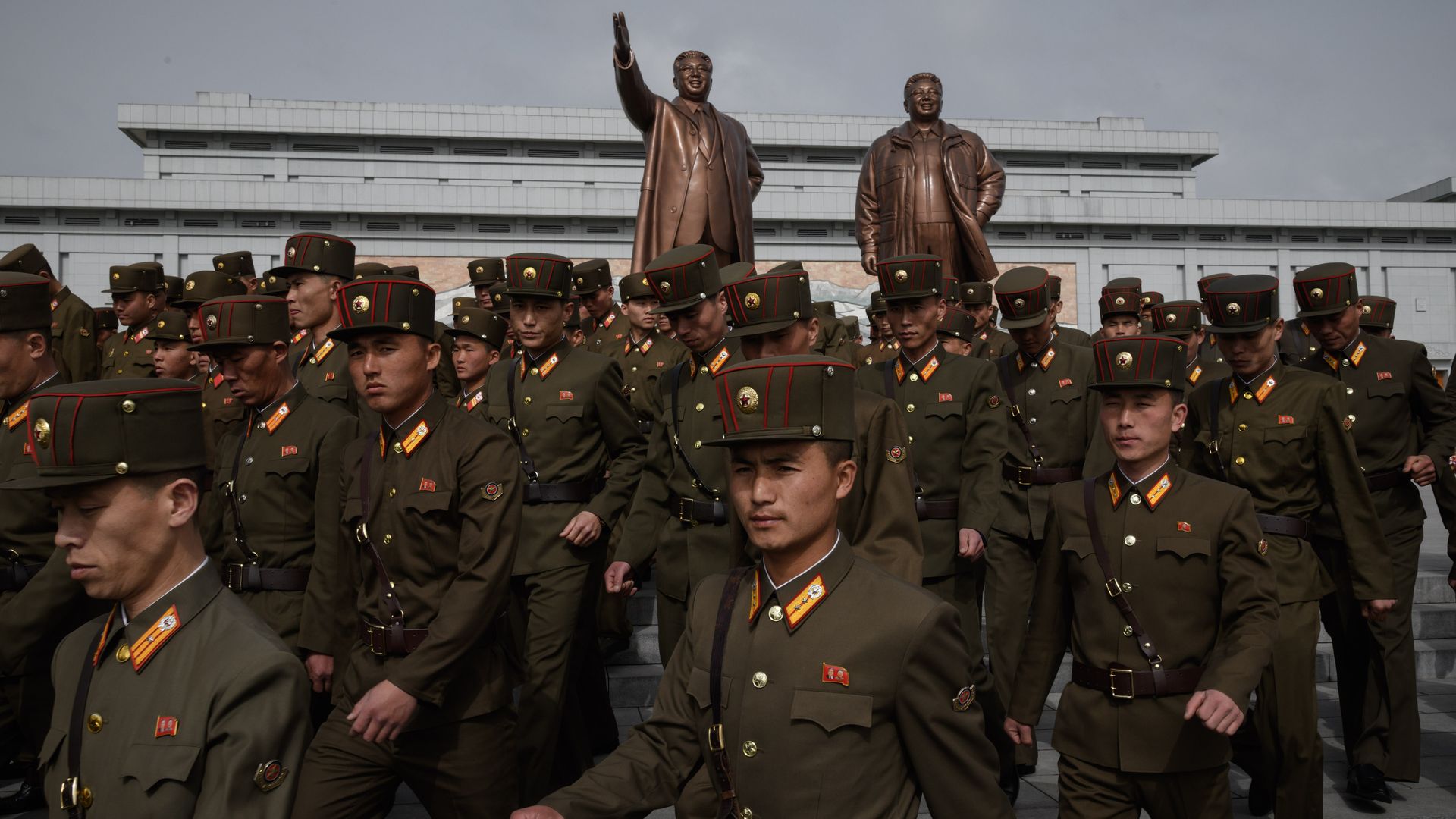
A CIA assessment has found that North Korea doesn't intend to denuclearize, NBC News reports, a finding in line with what many independent experts have said but in sharp contrast to President Trump's recent statements.
The details: The report says one intermediate option would be North Korea scaling back its recent nuclear advancements. "Potential concessions by North Korea ... included the possibility that Kim Jong-un may consider offering to open a Western hamburger franchise in Pyongyang," per NBC. As for carrots the U.S. can offer, the report mentions infrastructure and agricultural aid. North Korea is an intelligence black hole for the U.S., though, so "this is essentially some very smart analysts offering their very best guesses," an intelligence official told NBC.
The Homeland Security Department's Computer Emergency Readiness Team warned industry stakeholders about two types of malware Tuesday. The warning attributed the Joanap and Brambul malware to the North Korean government.
Why it matters: It is uncommon for the U.S. to make any public attribution for a cyberattack. Generally, that only happens when there is both definitive evidence for the attack and a strategic reason to name who was responsible for it. While the potential strategic aspects of the attribution may raise some eyebrows — it comes out as a former North Korean official travels to New York to meet with the administration — there may be a more mundane explanation.
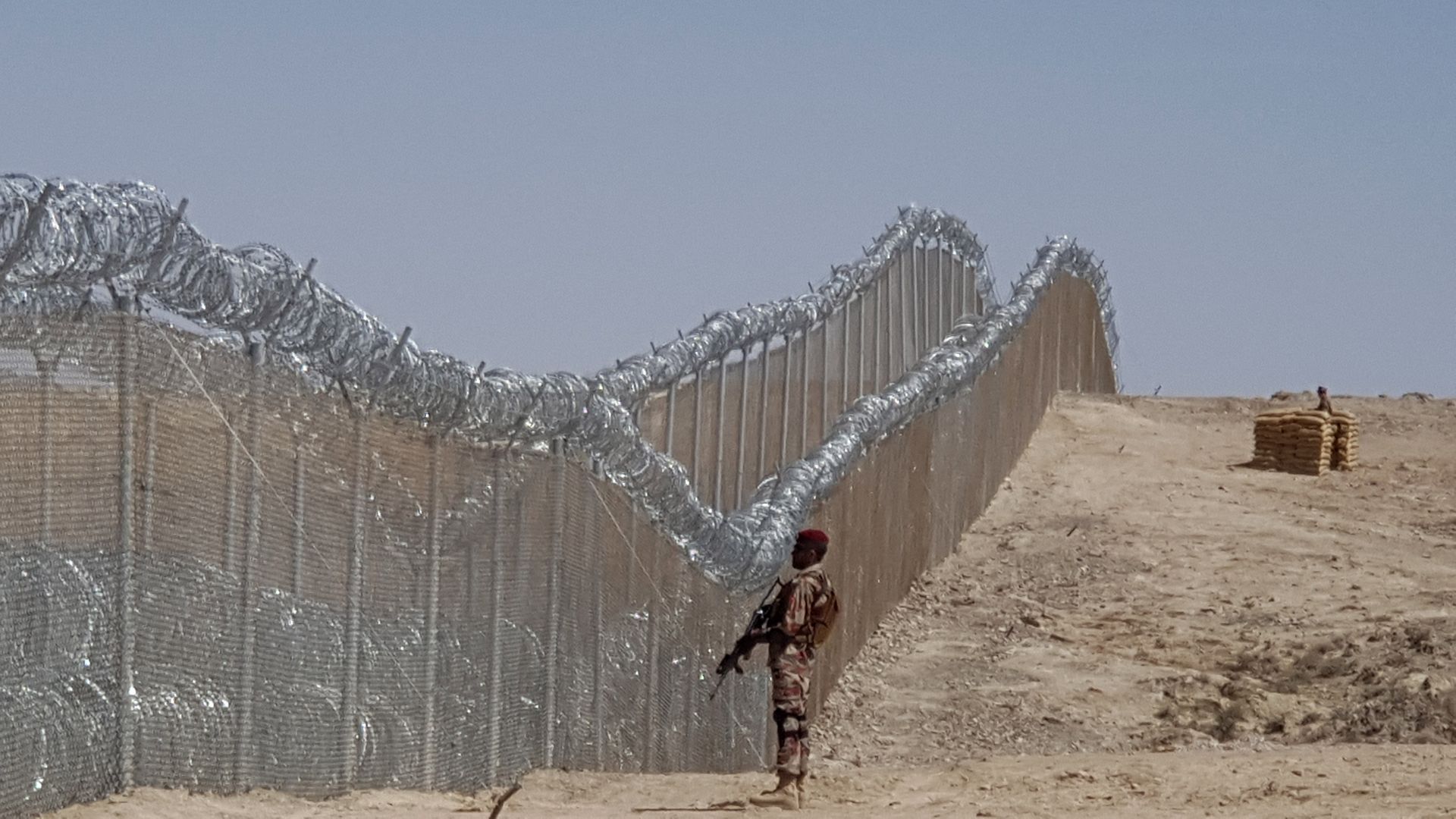
Earlier this year, the Trump administration suspended most security assistance, including Coalition Support Funds (CSF), to Pakistan and led the charge to place the country on an international terrorism-financing watchlist, beginning next month.
Why it matters: The ineffectiveness of U.S. sanctions after Pakistan’s 1998 nuclear tests — coupled with China’s emergence as Pakistan’s financial benefactor — suggests coercive measures are unlikely to compel Pakistan's army to cease backing militant networks that target U.S. forces in Afghanistan.
The White House believes that next month's summit between President Trump and North Korean Kim Jong-un in Singapore is still happening. A statement from Press Secretary Sarah Sanders confirmed that the administration "continues to actively prepare" for the meeting after North Korean officials "have been engaging" after Trump's letter last week effectively cancelling it.
What's happening: The statement also confirms that Secretary of State Mike Pompeo will meet with Kim Yong-chol, the vice chairman of North Korea's Central Committee, in New York this week. Additionally, in the days before his Singapore meeting with Kim, Trump will host Japanese Prime Minister Shinzo Abe at the White House on June 7.
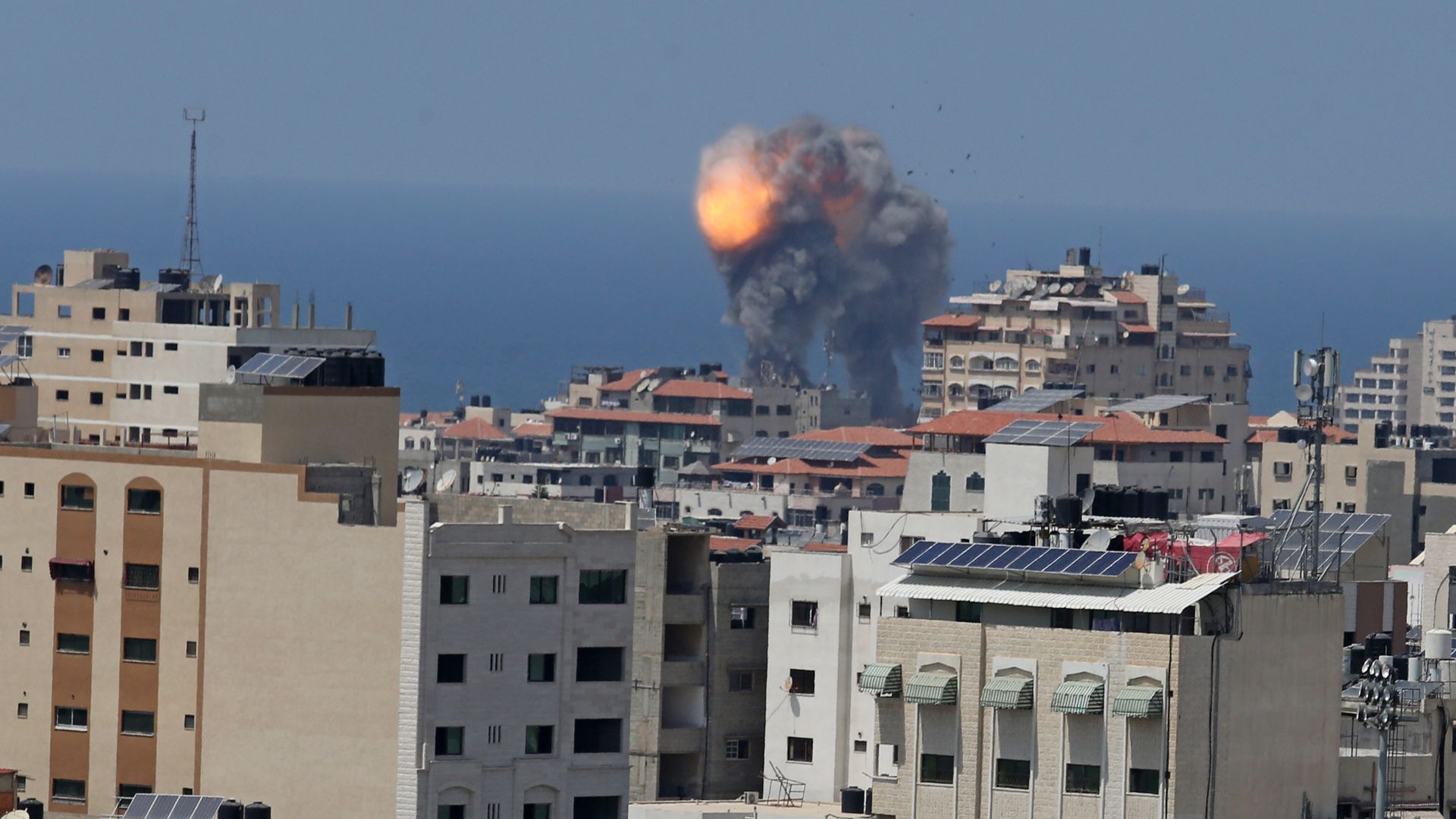
Israel launched airstrikes on militant bases in Gaza after a wave of rocket attacks from the strip hit southern Israel. At least 27 mortar shells were fired from Gaza, the biggest attack on Israel since the 2014 war with Hamas.
The bottom line: Tensions between Israel and Palestinian groups have reached new heights after Israeli troops killed 110 Palestinians during protests at the Gaza border. There were no reports on injuries in Gaza after the Israeli airstrike. No Palestinian group claimed responsibility for the mortar attacks, most of which were intercepted by the Israeli defense system. Jason Greenblatt, President Trump's special envoy for Middle East peace, called the mortar attacks "reprehensible" and blamed Hamas.
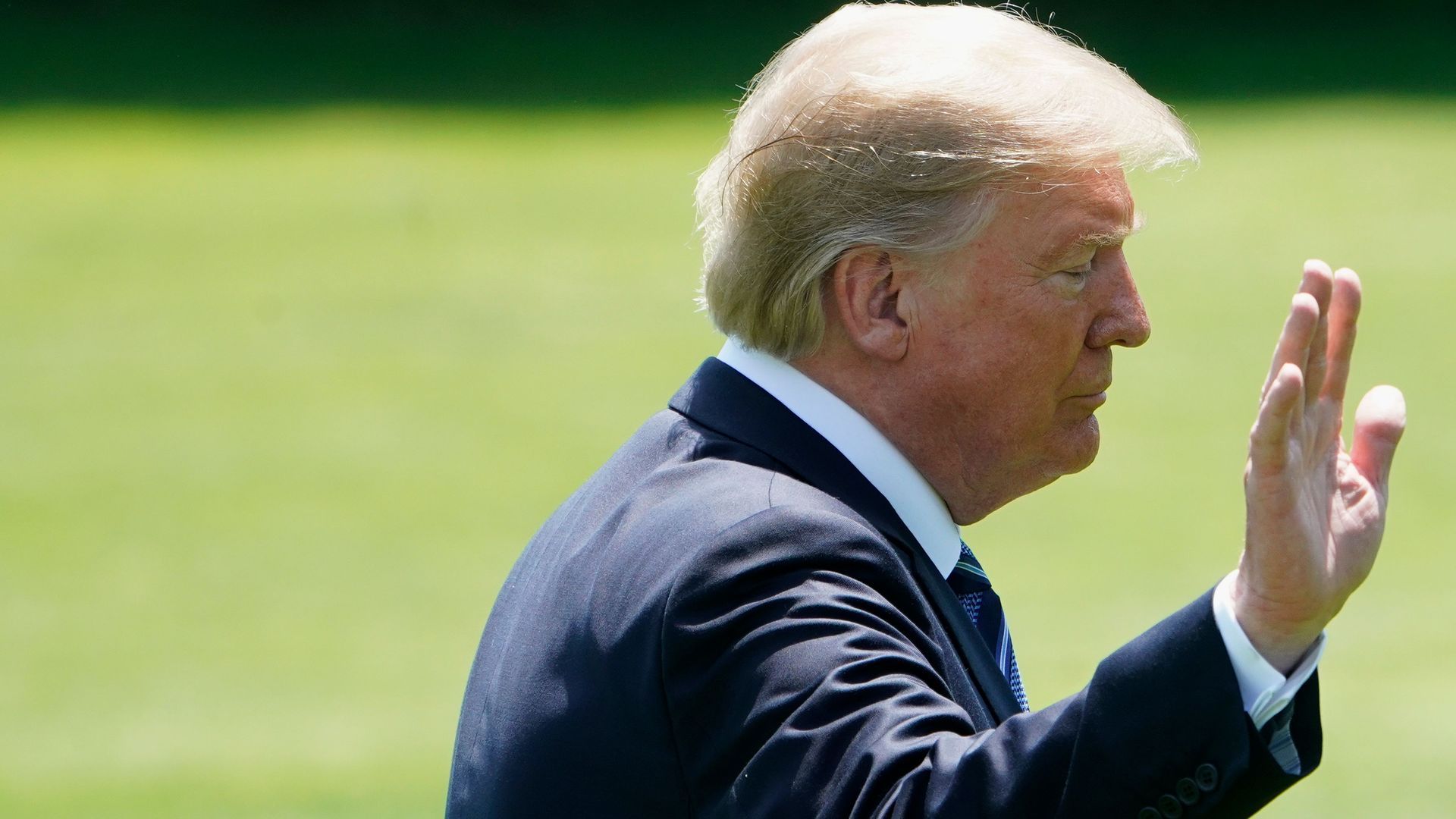
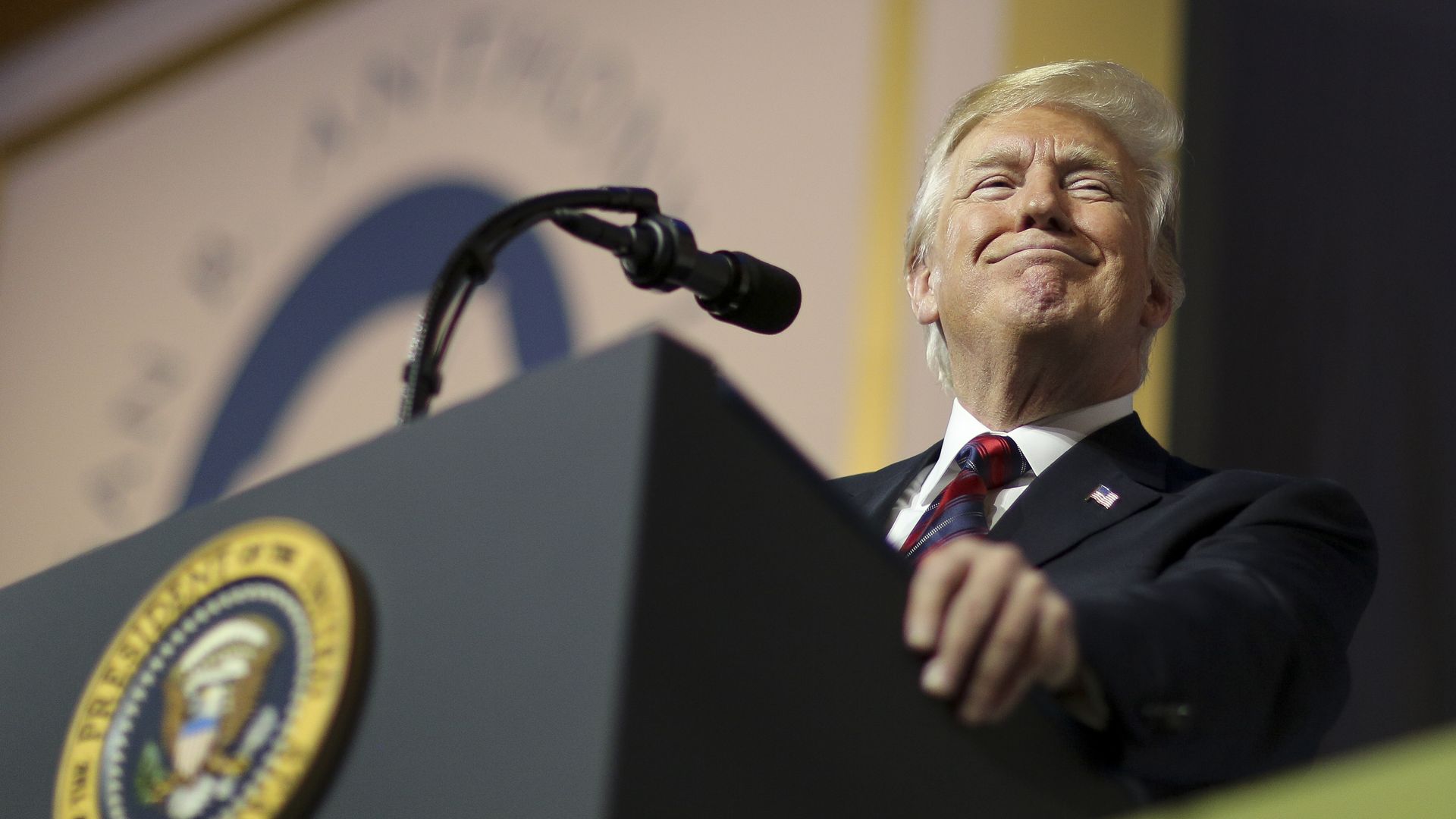
President Trump again expressed optimism surrounding the potential for a summit with North Korean leader Kim Jong-un in a Tuesday morning tweet, confirming that top North Korean official Kim Yong-Chol was on his way to the United States.
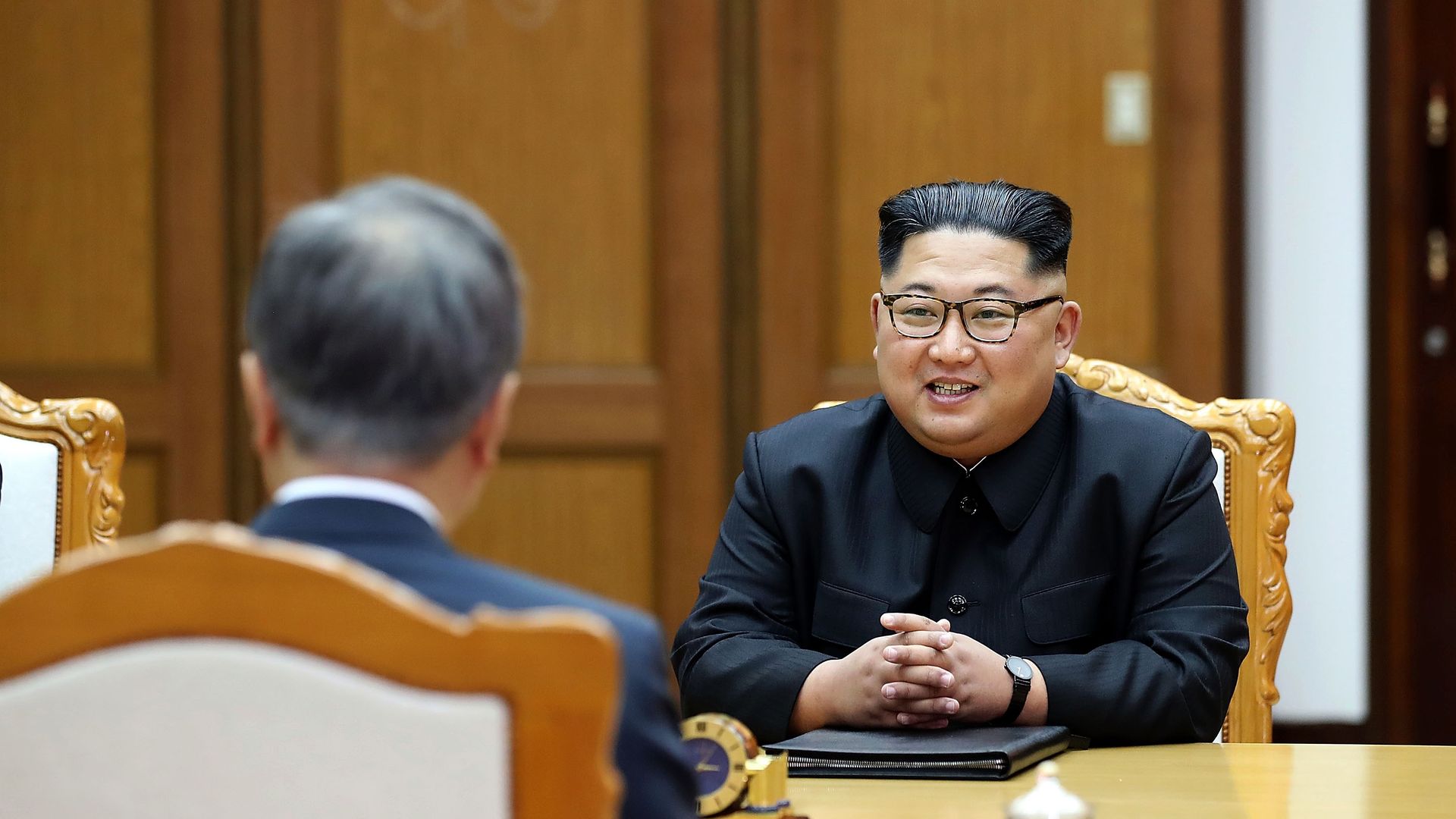
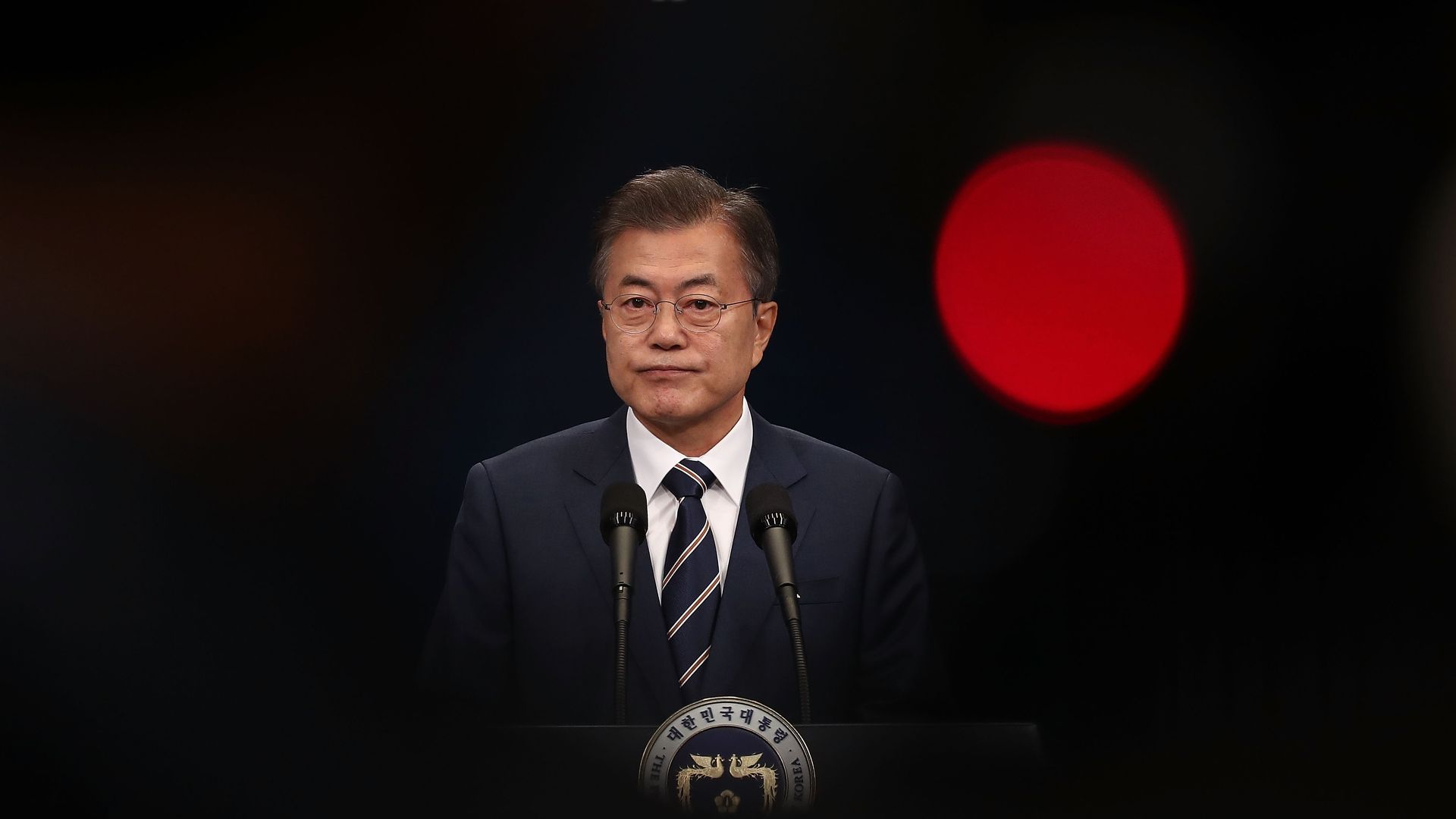
There could be more talks and summits between South Korean President Moon Jae-in and North Korean leader Kim Jong-un, Moon said on Monday according to Reuters, as U.S. officials prepare for a possible summit between Kim and President Trump.
Key quote: Moon told senior secretaries that the most important part about the meeting with the Korean leaders was that they "easily got in contact, easily made an appointment and easily met to discuss urgent matters, without complicated procedures and formalities, just like a casual meeting."
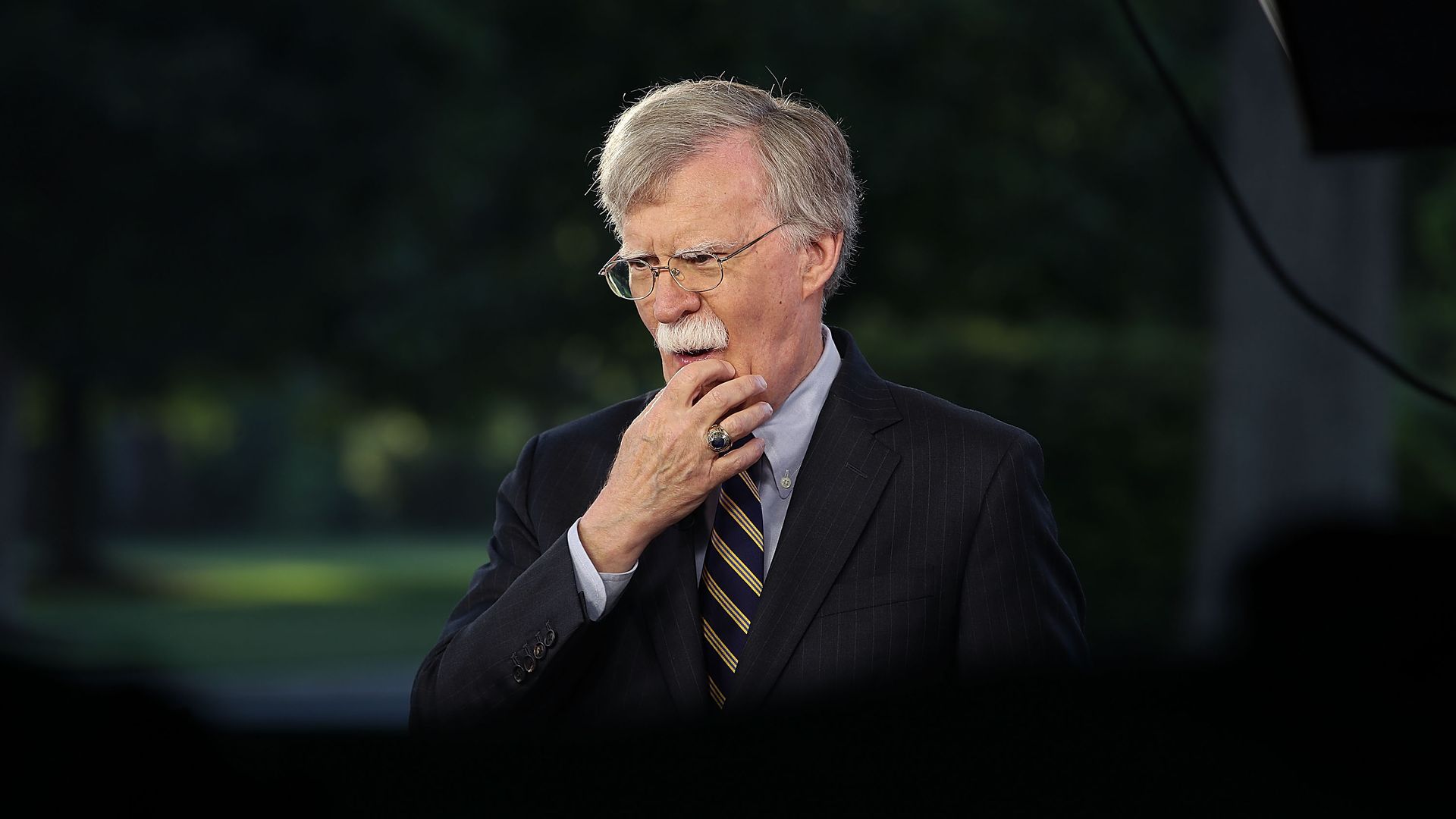
Israel's national security adviser, Meir Ben-Shabat, will arrive in Washington tomorrow for talks at the White House with his U.S. counterpart John Bolton, sources briefed in the trip told me.
The backdrop: Three weeks after President Trump's decision to withdraw from the Iran nuclear deal, Bolton and Ben-Shabat will ratify the U.S-Israeli framework document on countering Iran agreed between the parties in December, before Bolton entered his new job. The document was reported first on Axios and Israel's Channel 10 News in Israel. The sources told me Ben-Shabat and Bolton will update the document to reflect the new reality after the U.S. withdrawal.
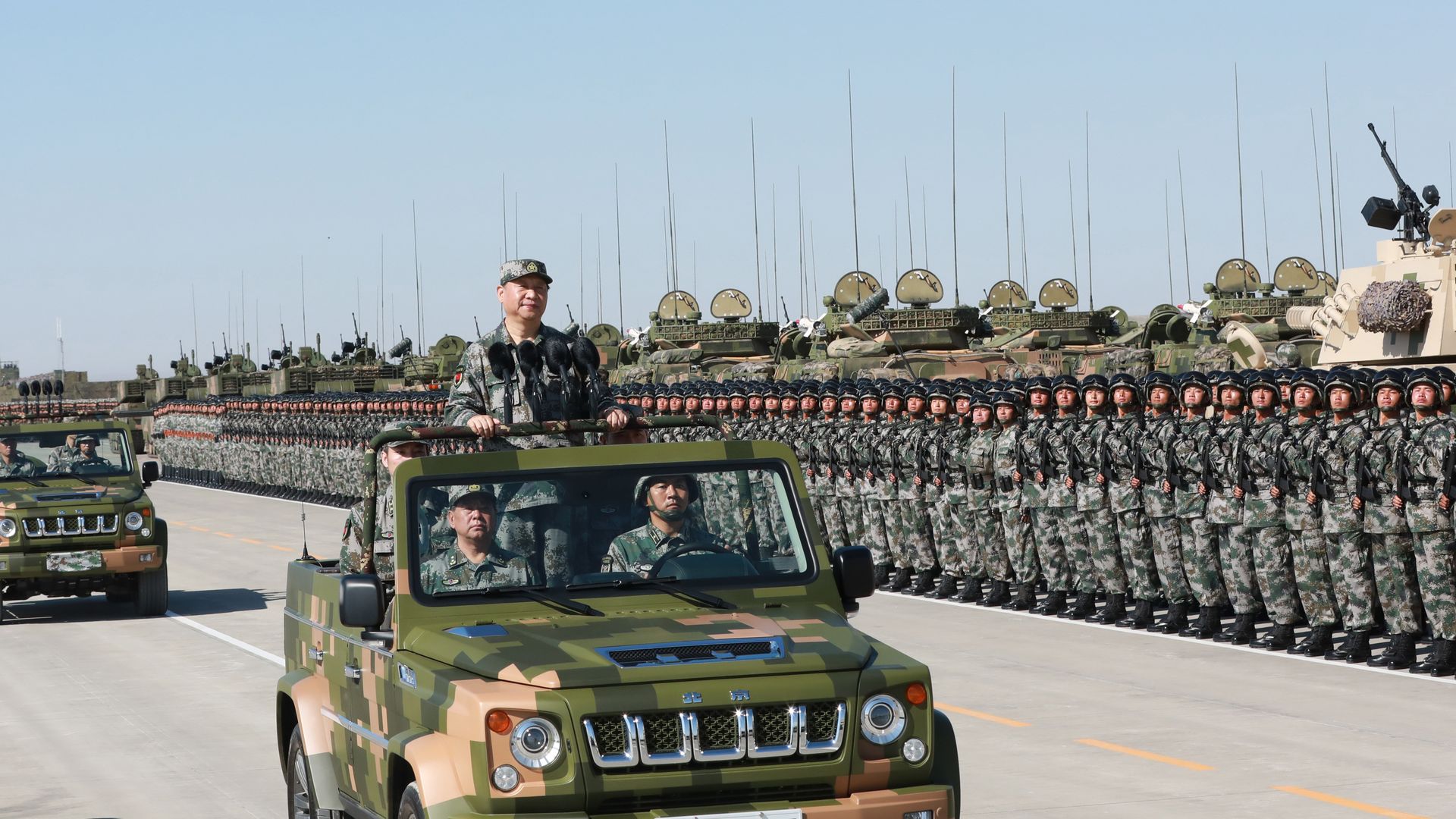
China is conducting an average of five simulated tests per month as it develops a more advanced nuclear arsenal, the South China Morning Post reports — that’s about five times as many tests as the U.S. typically conducts.
Why it matters: Russia is also stepping up its nuclear weapons program, with Vladimir Putin claiming to have developed an "unstoppable" nuclear missile and President Trump warning of a new "arms race." China is entering that race as it builds up its military strength and seeks to solidify its superpower status.
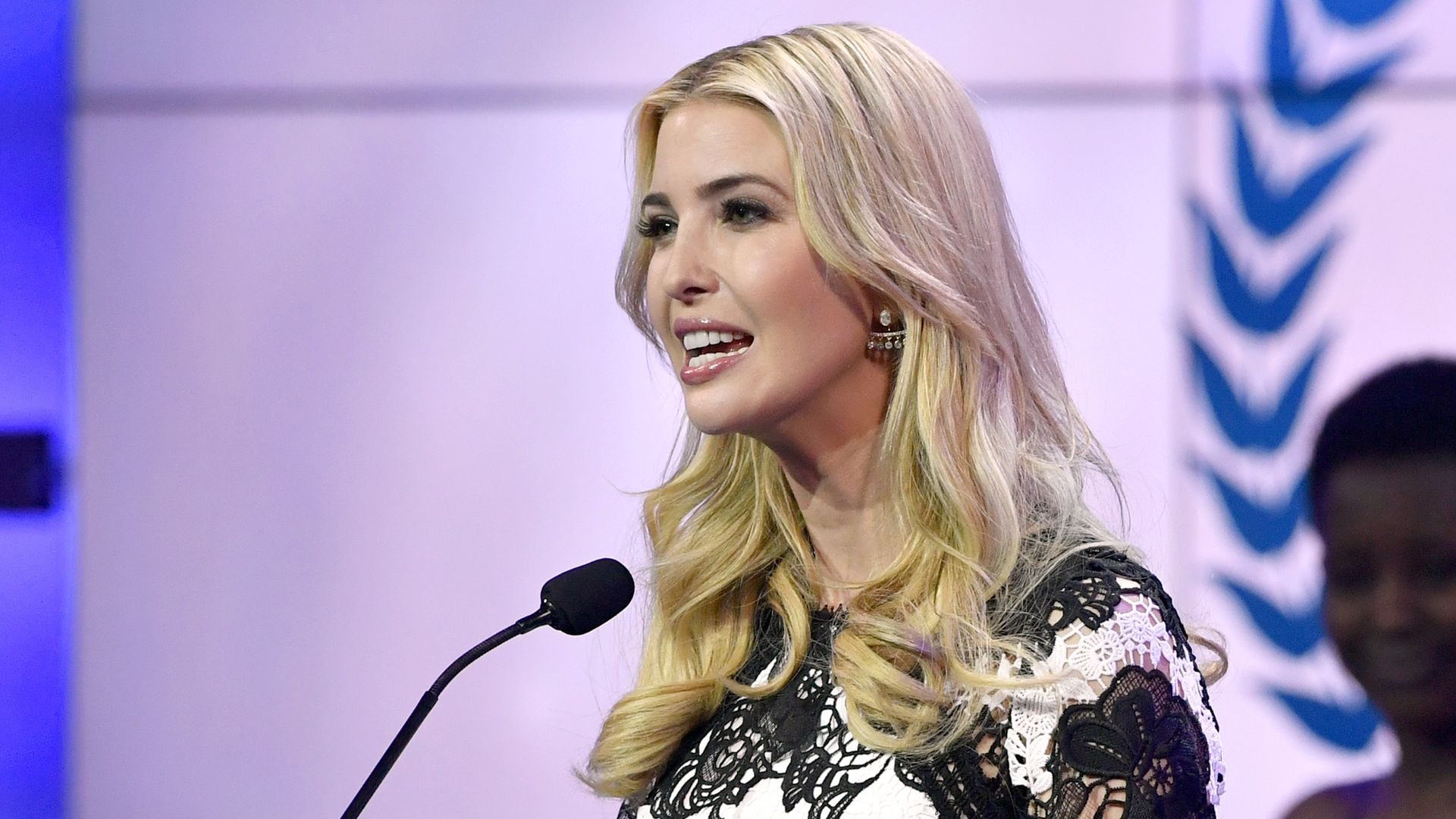
As of Sunday, China has handed Ivanka Trump her 13th trademark in the last three months, ranging from a collection of businesses, including books, housewares and perfume, per the AP.
Why it matters: Her growing portfolio comes as her father, President Trump, is engaged in a bitter back-and-forth battle with China over trading practices. Her trademark approvals give Ivanka's brand the opportunity "to market a lifetime’s worth of products in China," the AP adds. She has removed herself from management at her company since her father took office.
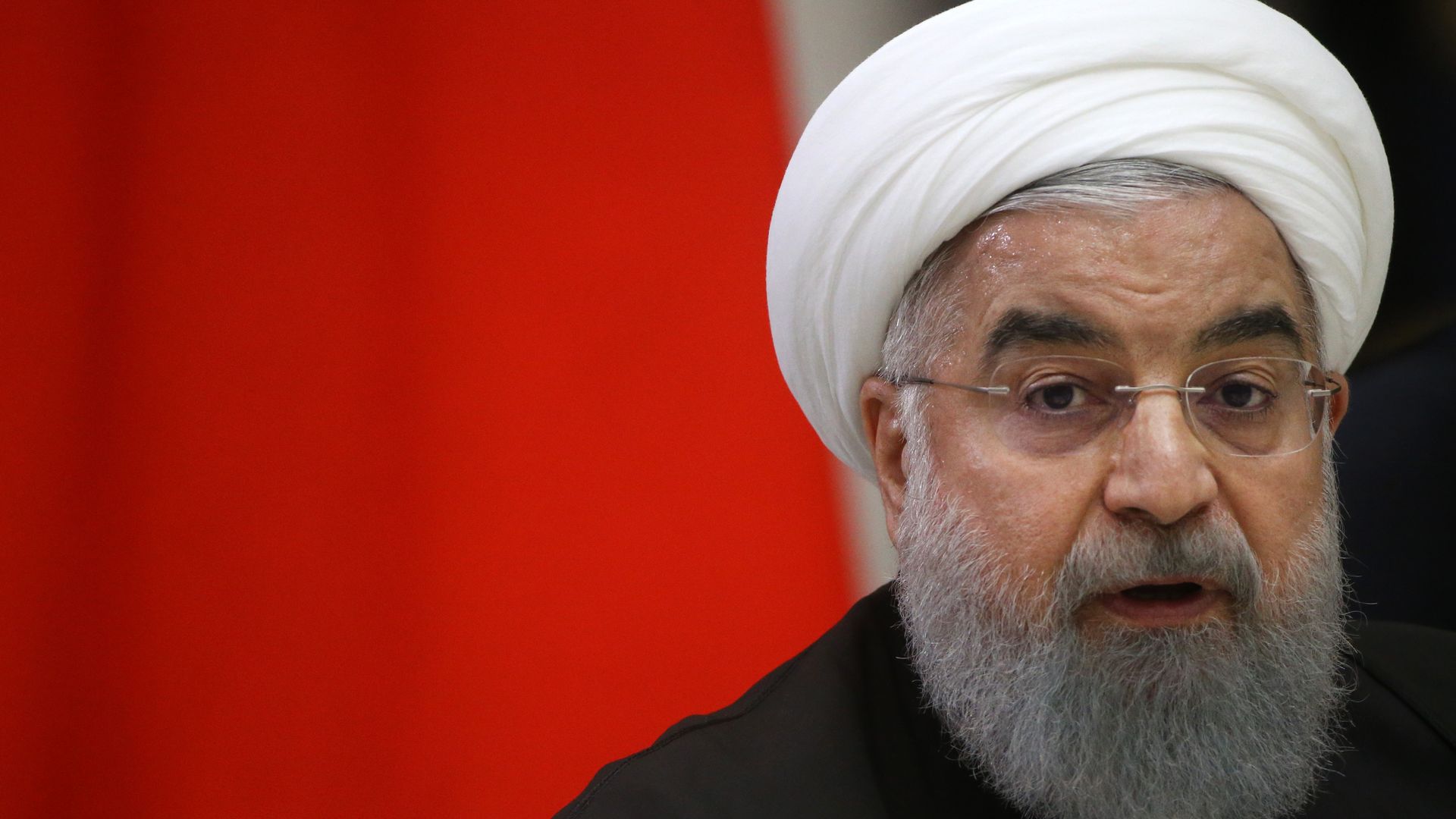
Iranian President Hassan Rouhani will be in China in June for a summit of the Shanghai Cooperation Organization, a "China and Russia-led security bloc," Reuters reports.
The big picture: The summit is "aimed at avoiding disruption of joint projects," per Reuters, after the U.S. pulled out of the Iran deal.
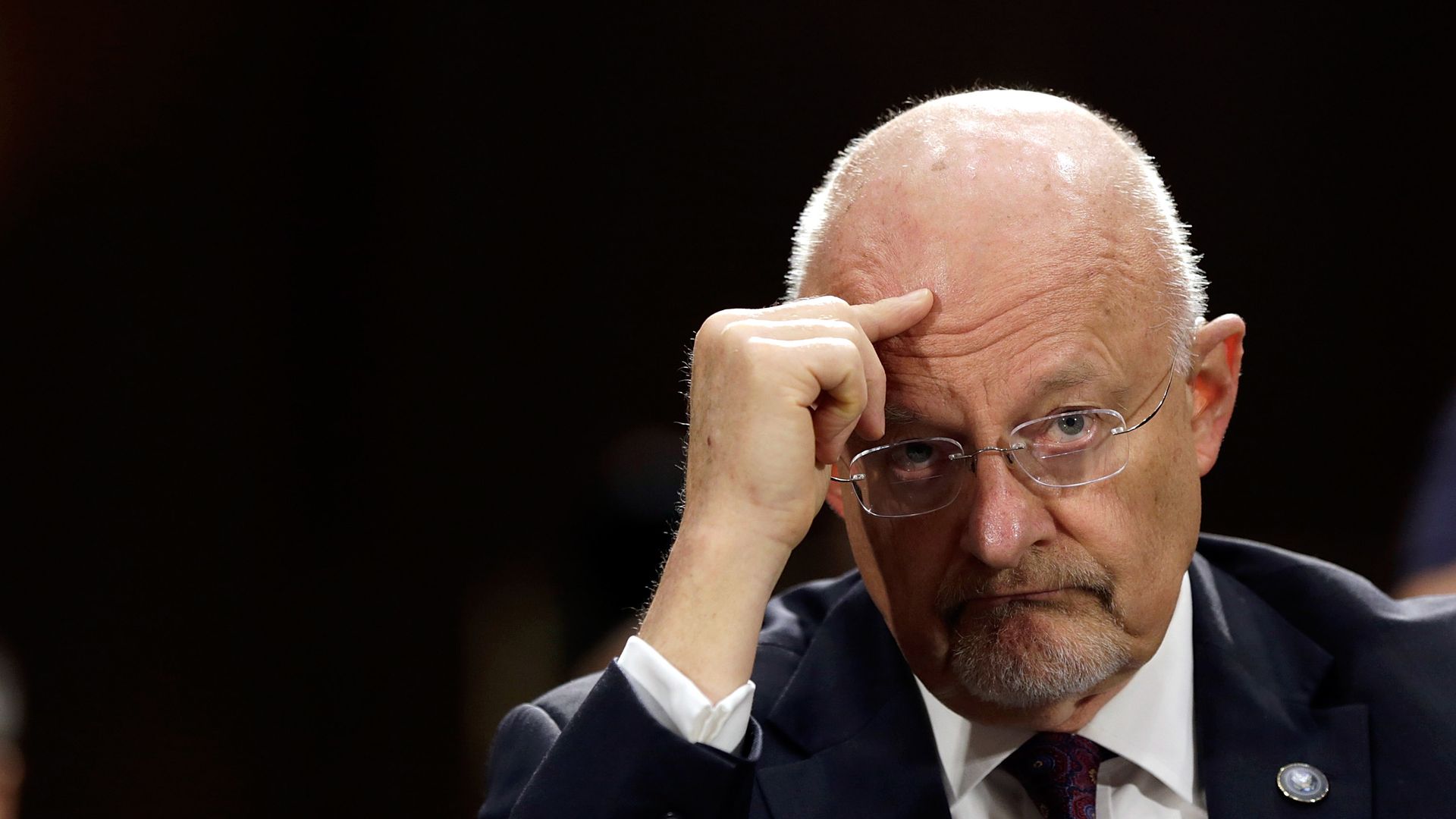
Former Director of National Intelligence James Clapper, whose new book “Facts and Fears” is out now, told me in our interview last week that Russia presents the most urgent national security threat to the U.S., and China the biggest long-term threat.
The big picture: Clapper says Russia is “bent on undermining our system any way they can” and will be as long as Vladimir Putin remains in power, while China's "economic power" and "scientific and technical prowess" present big long-term challenges.