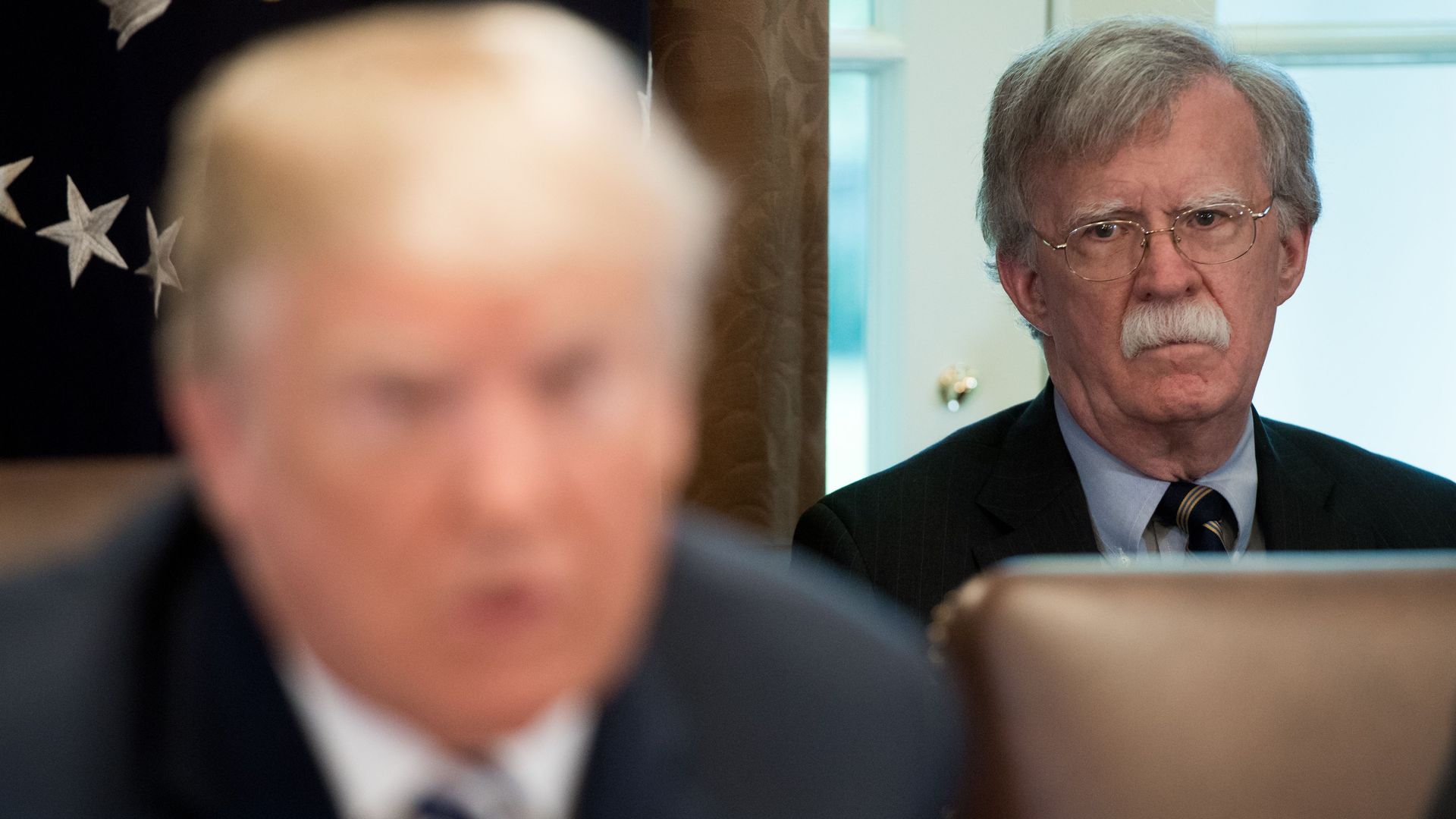
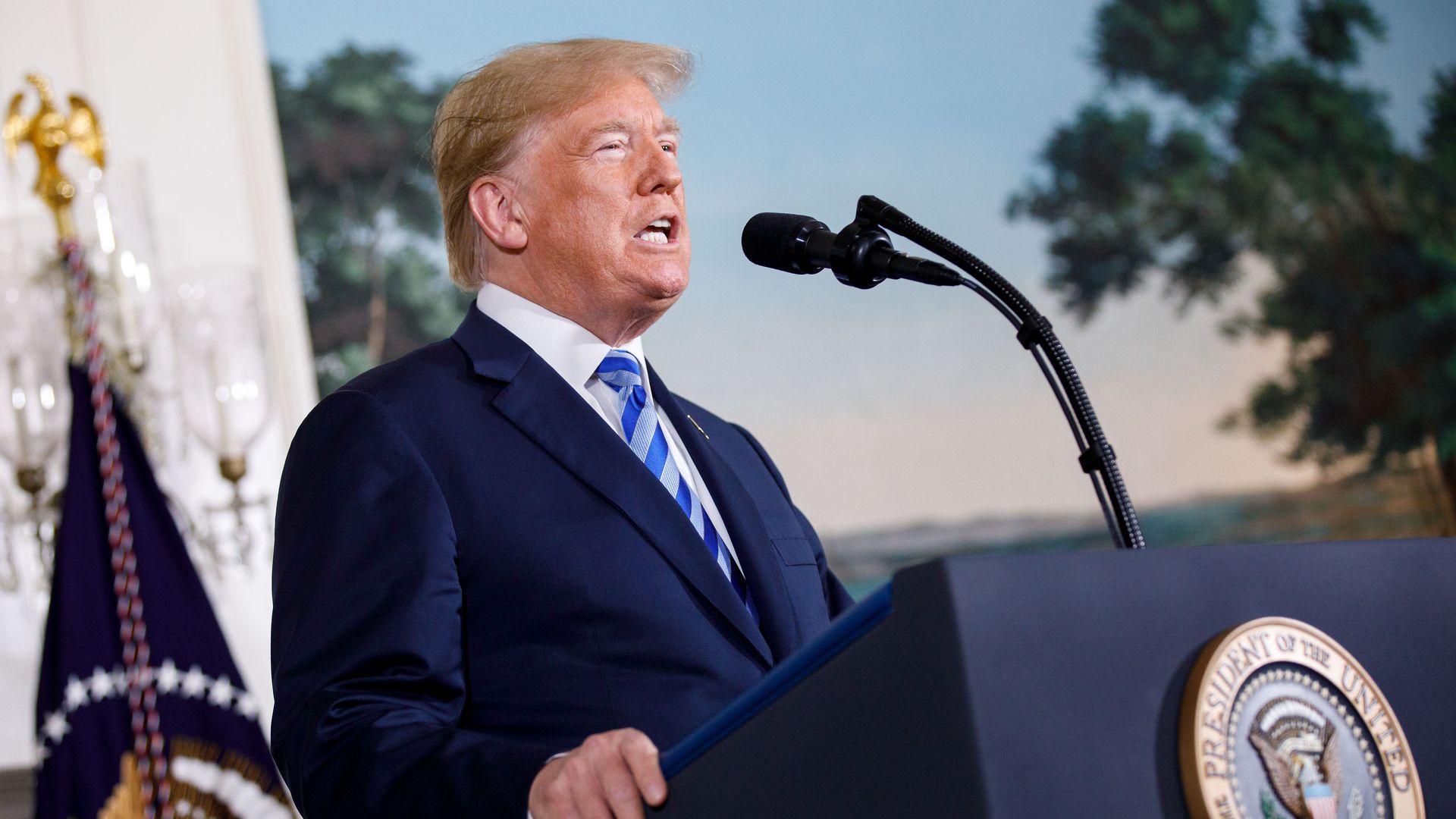
John Bolton, President Trump's national security advisor, threatened Europe with economic sanctions over the Iran deal, reinforcing a growing fear of a new world of no permanent alliances.
Quick take: Bolton's threat, made on CNN, further undermines the seven-decade alliance between the U.S. and Europe, a central factor in a sharp rise in global living standards and peace among the major powers.
After two years of assailing his predecessors for putting Chinese workers before Americans, President Trump today said he is directing his administration to reverse the effective shutdown of ZTE in order to save Chinese jobs.
The big picture: The Commerce Department banned American companies from selling parts to ZTE for seven years because the Chinese company violated U.S. sanctions by selling equipment made with American parts to Iran and North Korea. As a result of the sanctions, ZTE halted operations last week. Now, Trump says he's working with Chinese President Xi Jinping to save the Chinese phone maker.
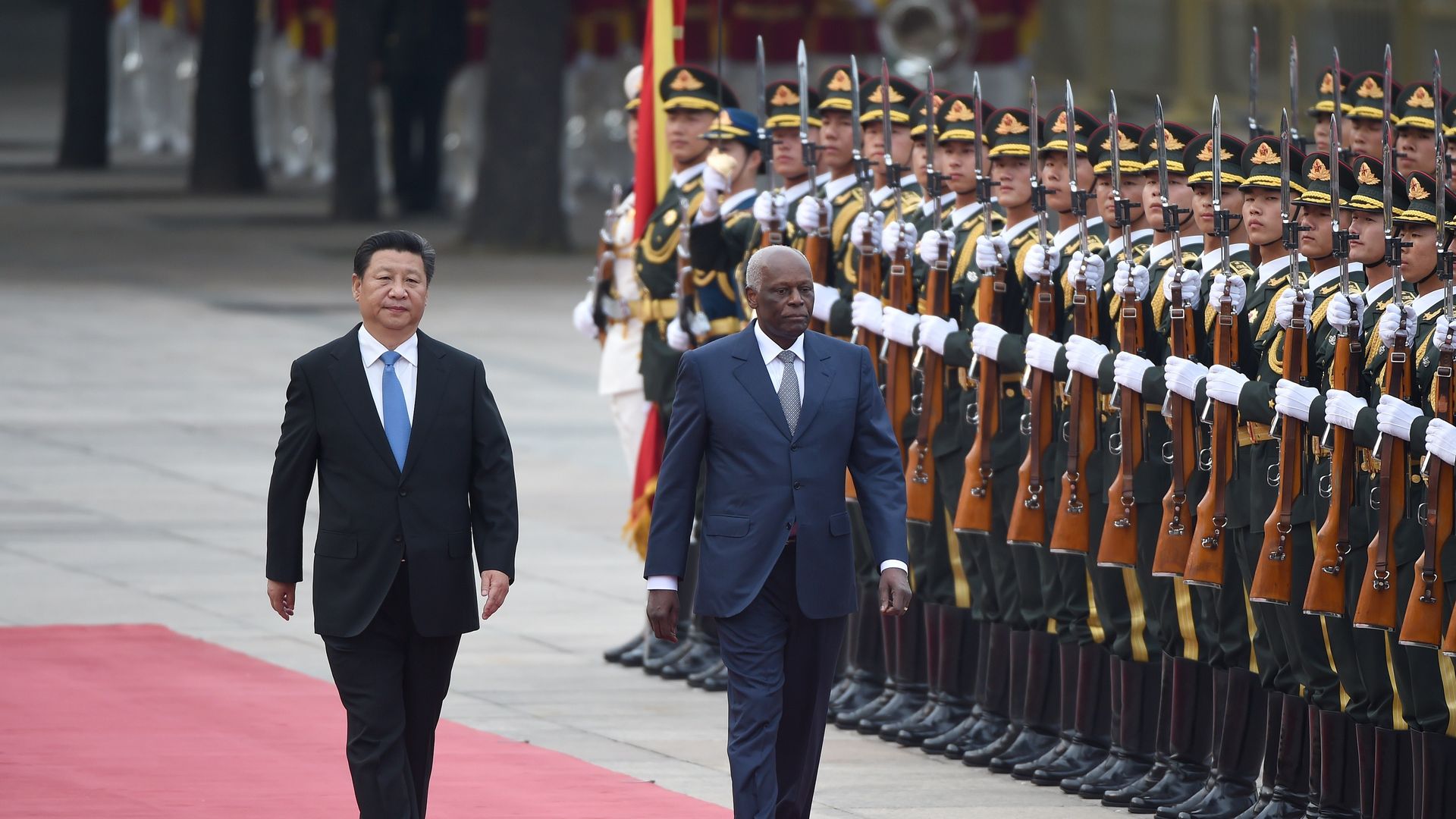
Angola repays its $25 billion debt to Beijing with crude oil, creating a host of problems for its economy, reports Yinka Adegoke, Quartz's Africa editor, in his weekly brief.
Why it matters: That means Angola's ability to repay debt is dependent on the price of oil. And it leaves the country with lower volumes of oil to sell to other trading partners.
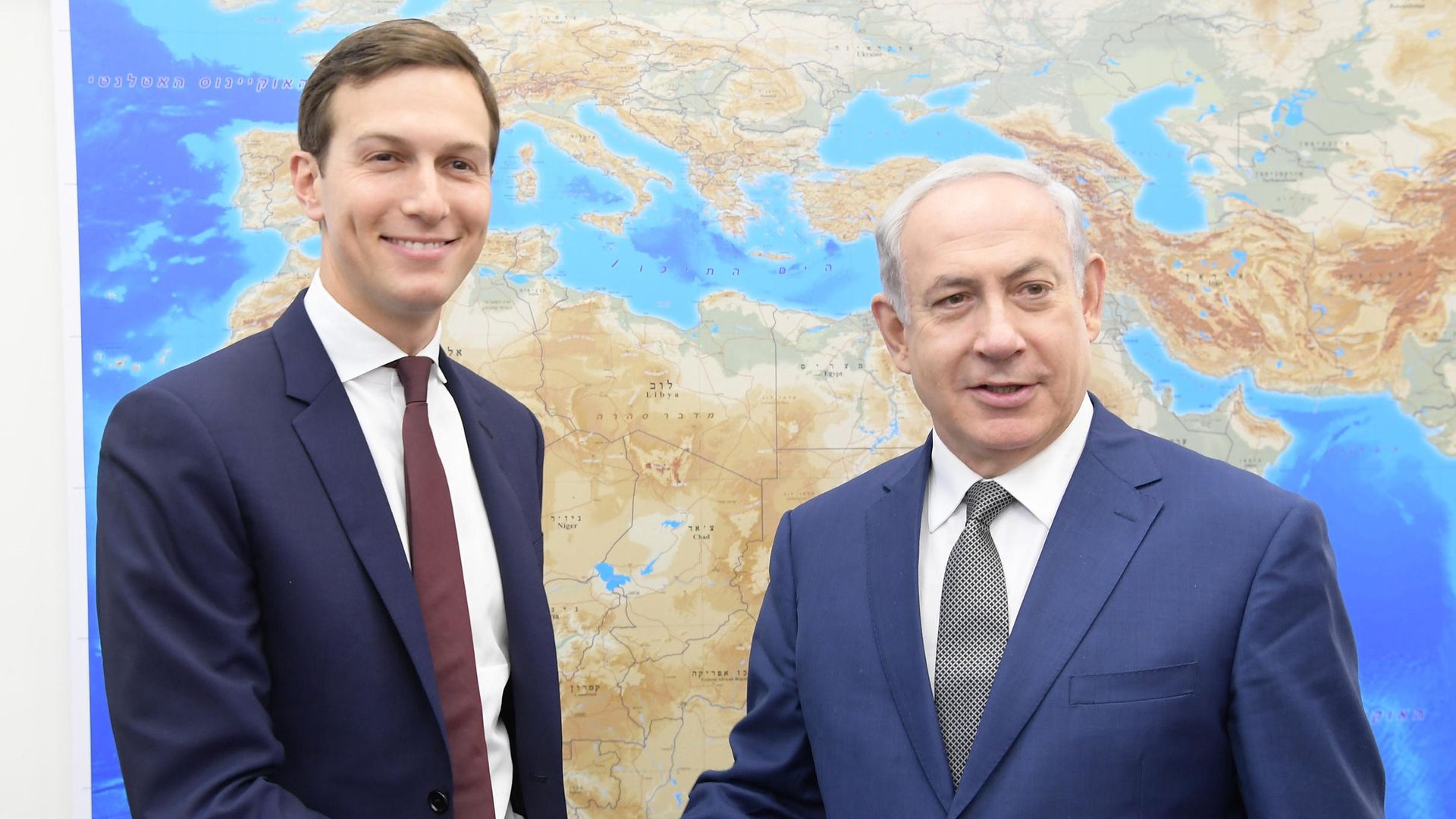
Jared Kushner, who arrived in Israel earlier today as a part of the United States' delegation for the opening of the new U.S. embassy in Jerusalem, met with Israeli Prime Minister Benjamin Netanyahu at his official residence.
What we're hearing: Israeli officials told me that — among other issues — the two discussed the White House's Middle East peace plan. Kushner is leading the White House's "peace team," which has almost finished drafting its peace plan and is discussing if and when to release it. Jason Greenblatt, President Trump's special envoy for the peace process, also attended the meeting.
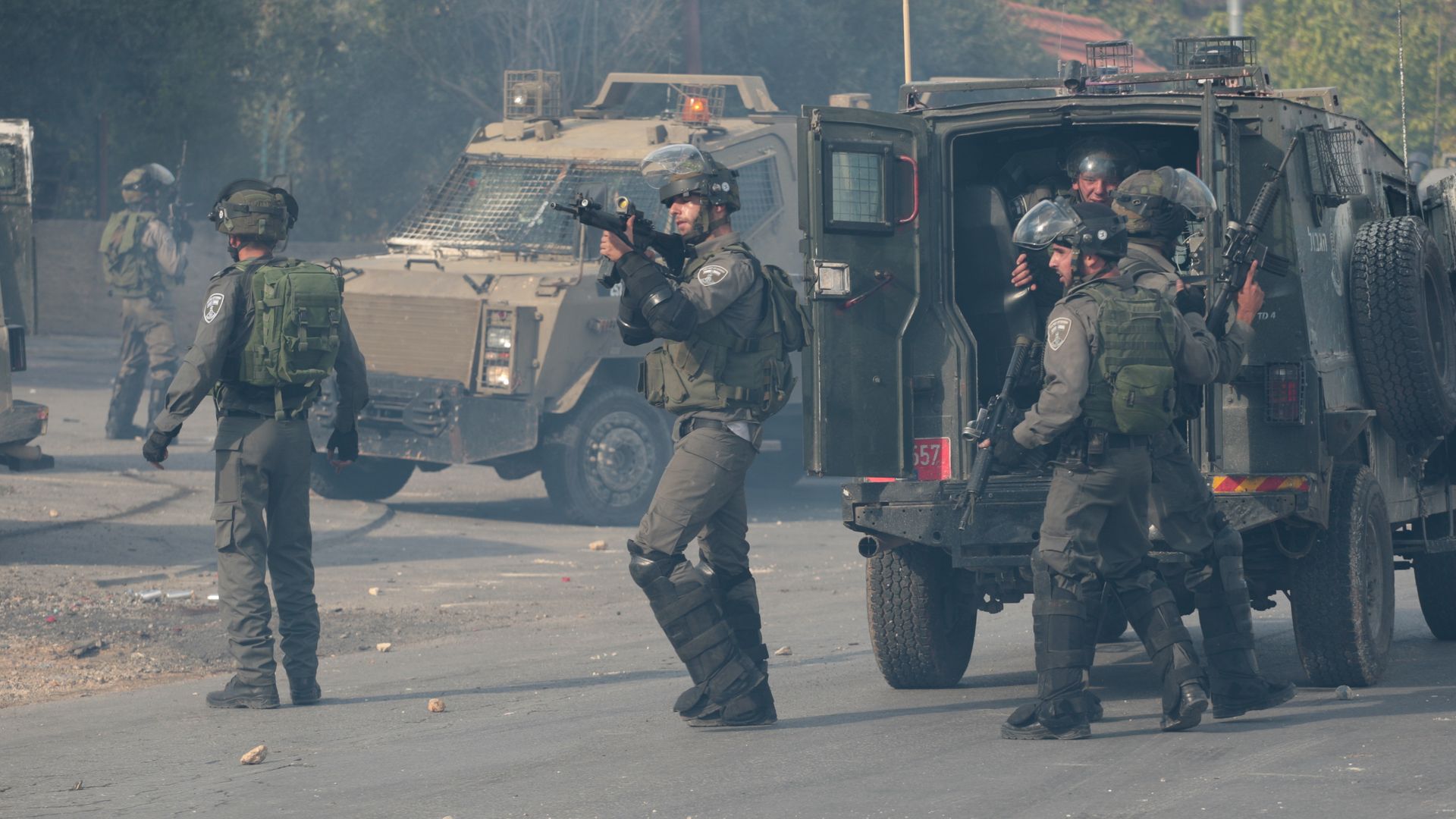
The Israeli military has announced it plans to nearly double the number of troops that surround Gaza and the occupied West Bank to control protests ahead of the opening of the U.S. embassy in Jerusalem on Monday, the AFP reports.
The details: The embassy move is a key campaign promise of President Trump, and despite the significant acknowledgement to Israel that Jerusalem is its capital, it will likely lead to resistance from the Arab world. The additional enforcement "does not concern Israeli-annexed east Jerusalem, where responding to protests is the responsibility of the police," AFP adds. President Trump will not be in attendance at the opening but is sending his daughter, Ivanka Trump, and son-in-law, Jared Kushner.
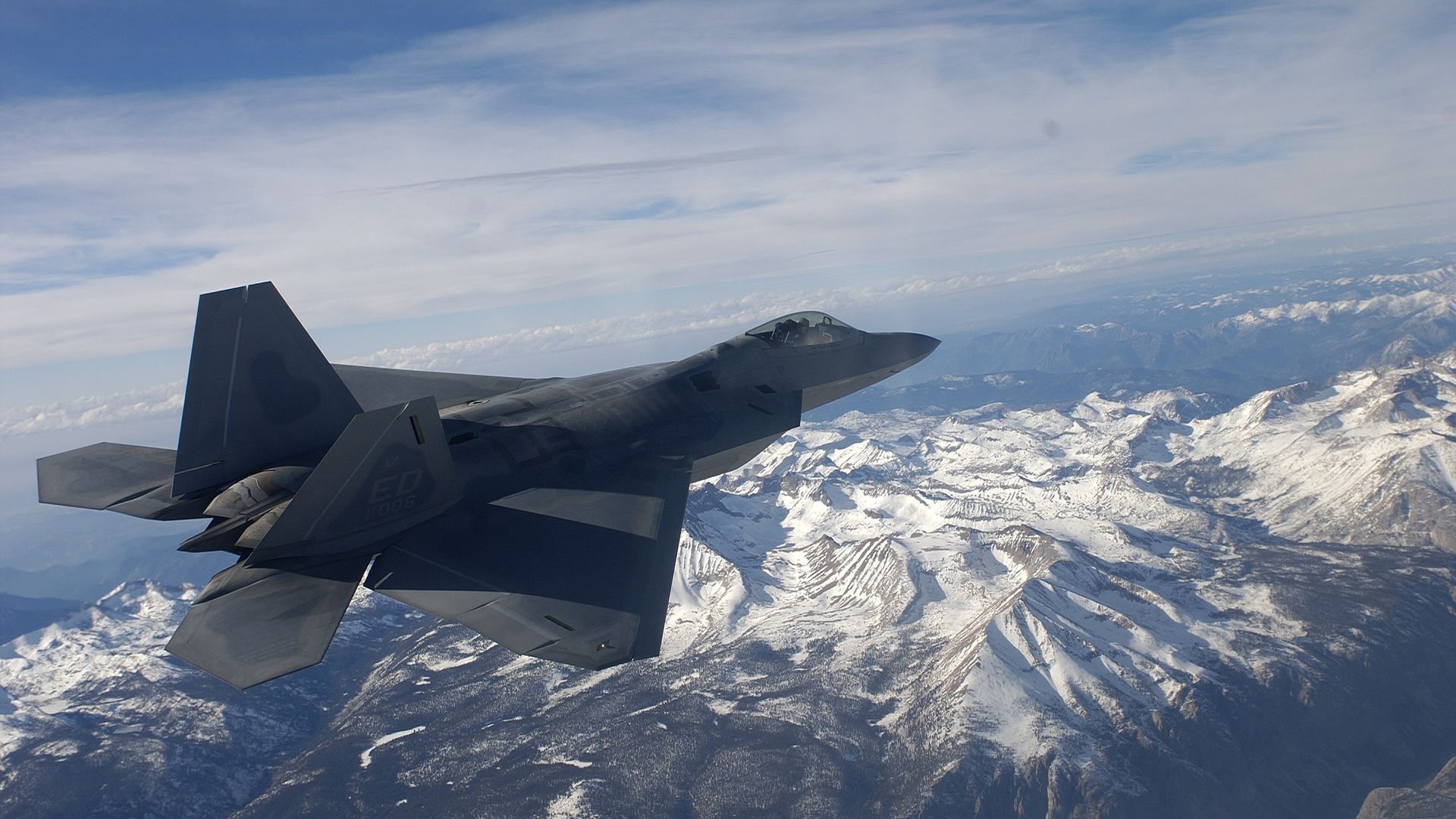
Two U.S. F-22 Raptor fighter jets intercepted a pair of Russian Tu-95 long-range bombers in international air space off the coast of Alaska on Friday, the Washington Post reports, citing Navy Capt. Scott Miller, an Aerospace Defense Command spokesman.
Why it matters, per the Post: "Friday’s encounter was the first of its kind in just more than a year, Miller said. A similar incident occurred off Alaskan waters in April 2017 in what U.S. officials have described as routine if not tense encounters between adversarial aircraft where territorial lines meet."
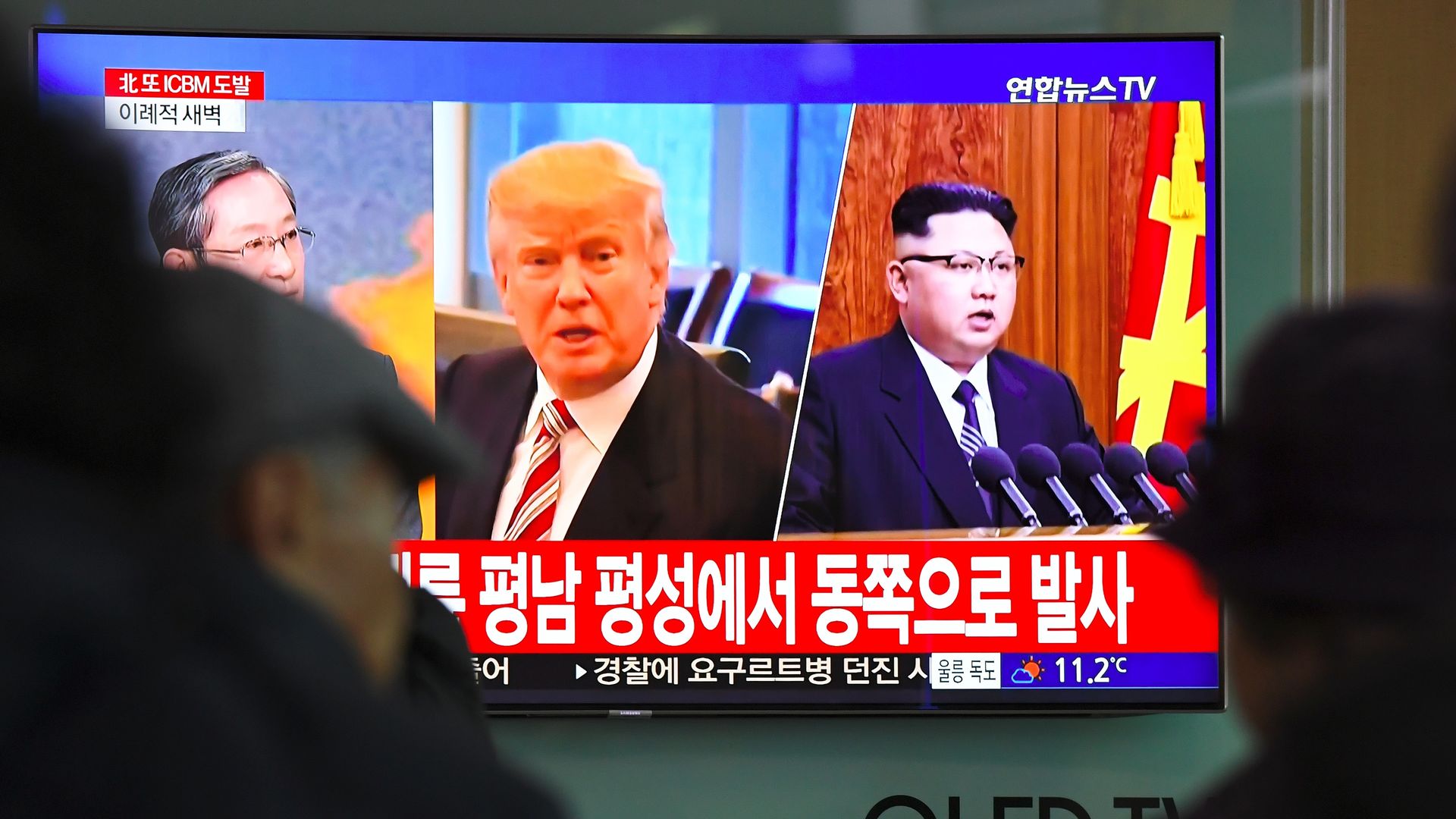
President Trump thanked North Korea on Saturday for closing a nuclear test site in the northeastern part of the country calling the decision "a very smart and gracious gesture" in a tweet.
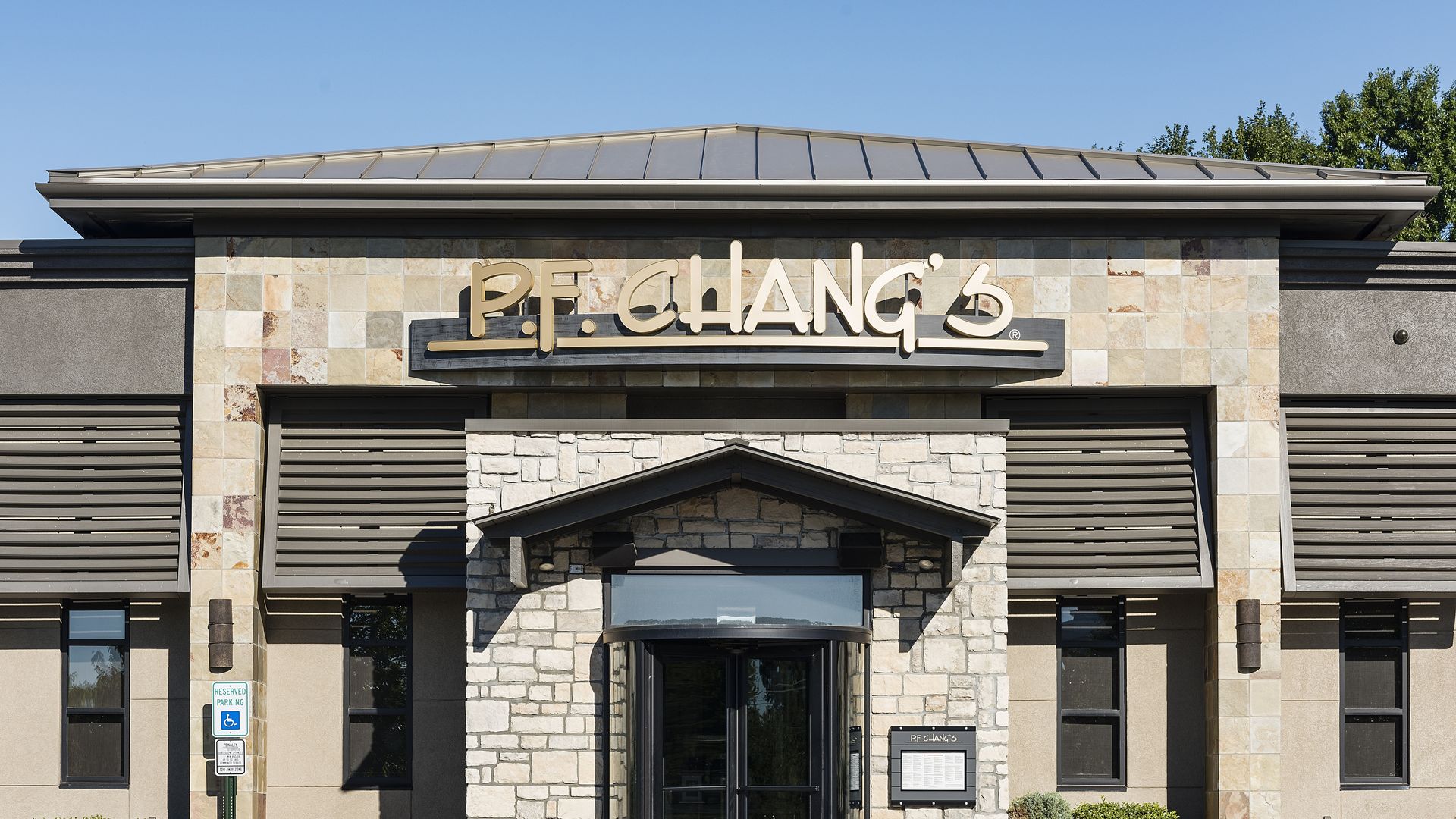
The popular Asian fusion restaurant P.F. Chang's has arrived in Shanghai — but it's marketing itself as "an American bistro," reports the Wall Street Journal.
The big picture: Though the restaurant has established a reputation in the U.S. for upscale Chinese food, its executive team has a different strategy for cracking the massive Chinese market.
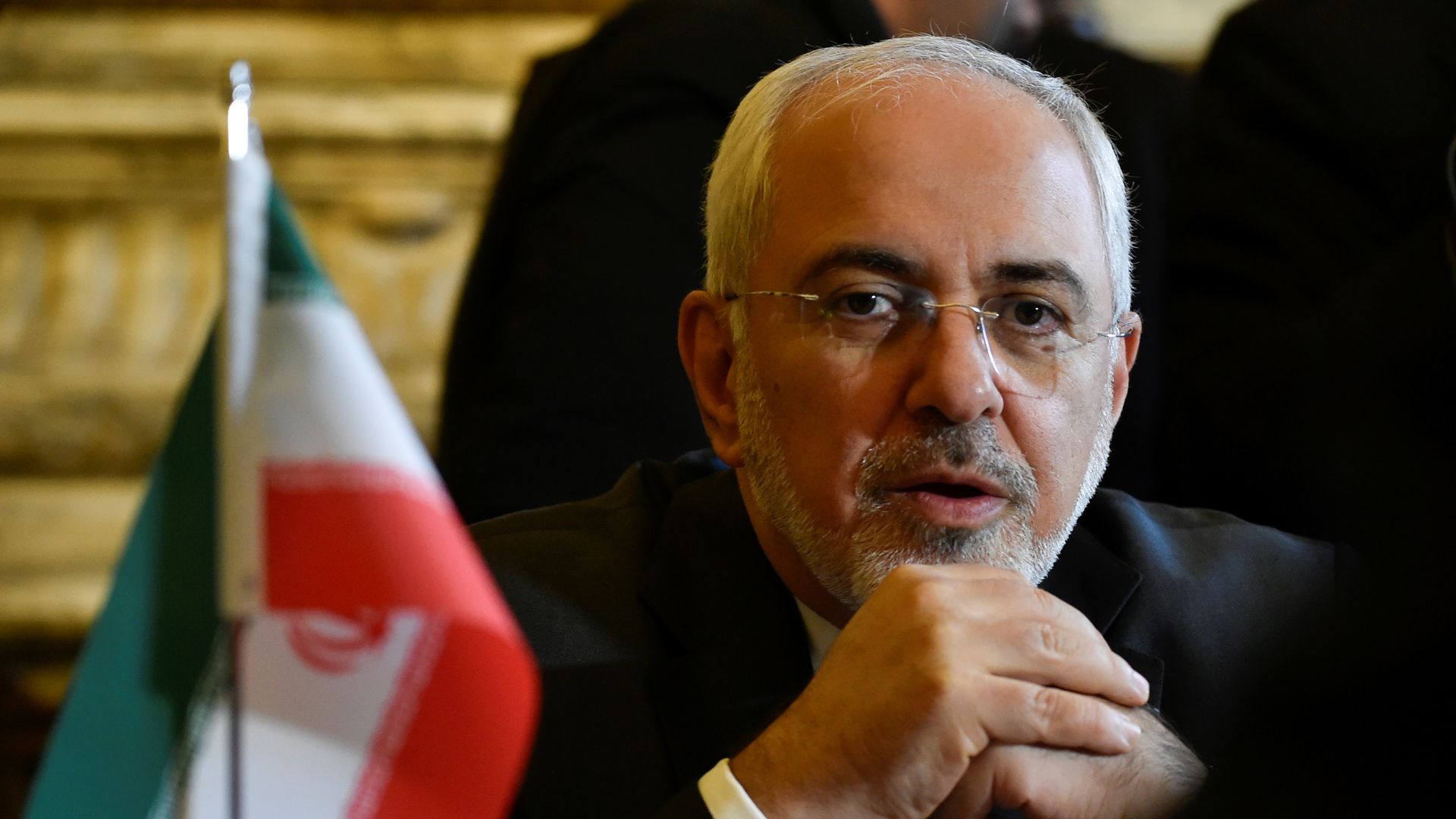
Iran's foreign minister, Mohammed Javad Zarif, is embarking on a tour of Europe, China and Russia in an effort to save the Iran nuclear deal, Reuters reports.
The bottom line: After the U.S. withdrew from the deal and announced forthcoming sanctions against companies and countries that do business with Iran, the Middle Eastern country must try to safeguard its trade relationships for the sake of its economy.
In quitting the Joint Comprehensive Plan of Action (JCPOA), President Donald Trump may have thought he could now subject Iran to “extreme pressure” from resumed U.S. secondary sanctions. But the outraged response of countries ordered to wind down their commerce with Iran within the next six months suggests that the U.S. sanctions weapon could become a boomerang.
The big picture: May 8, 2018, may soon become as infamous as March 20, 2003, when the U.S. invaded Iraq against the advice of many of its allies (especially France) and Mideast experts. In leaving the deal despite Iran's compliance, Trump has antagonized the rest of the world and undermined sanctions as a tool of diplomacy.
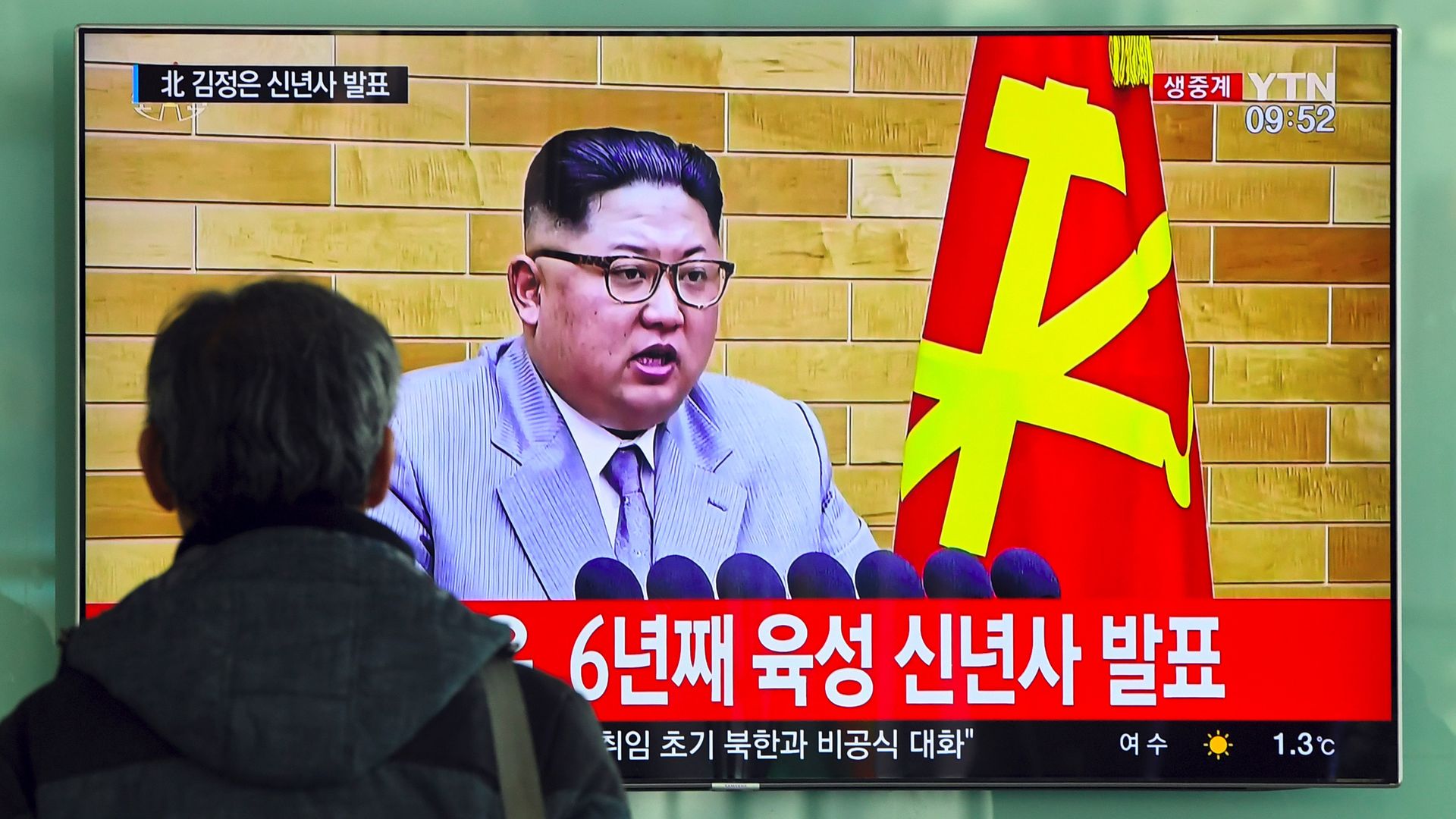
North Korea's foreign ministry announced Saturday that the country will hold a "ceremony" May 23-25 marking the dismantling of the country's northeastern nuclear testing site, that will involve destroying all of the tunnels on the grounds and removing observation and research facilities, reports the AP.