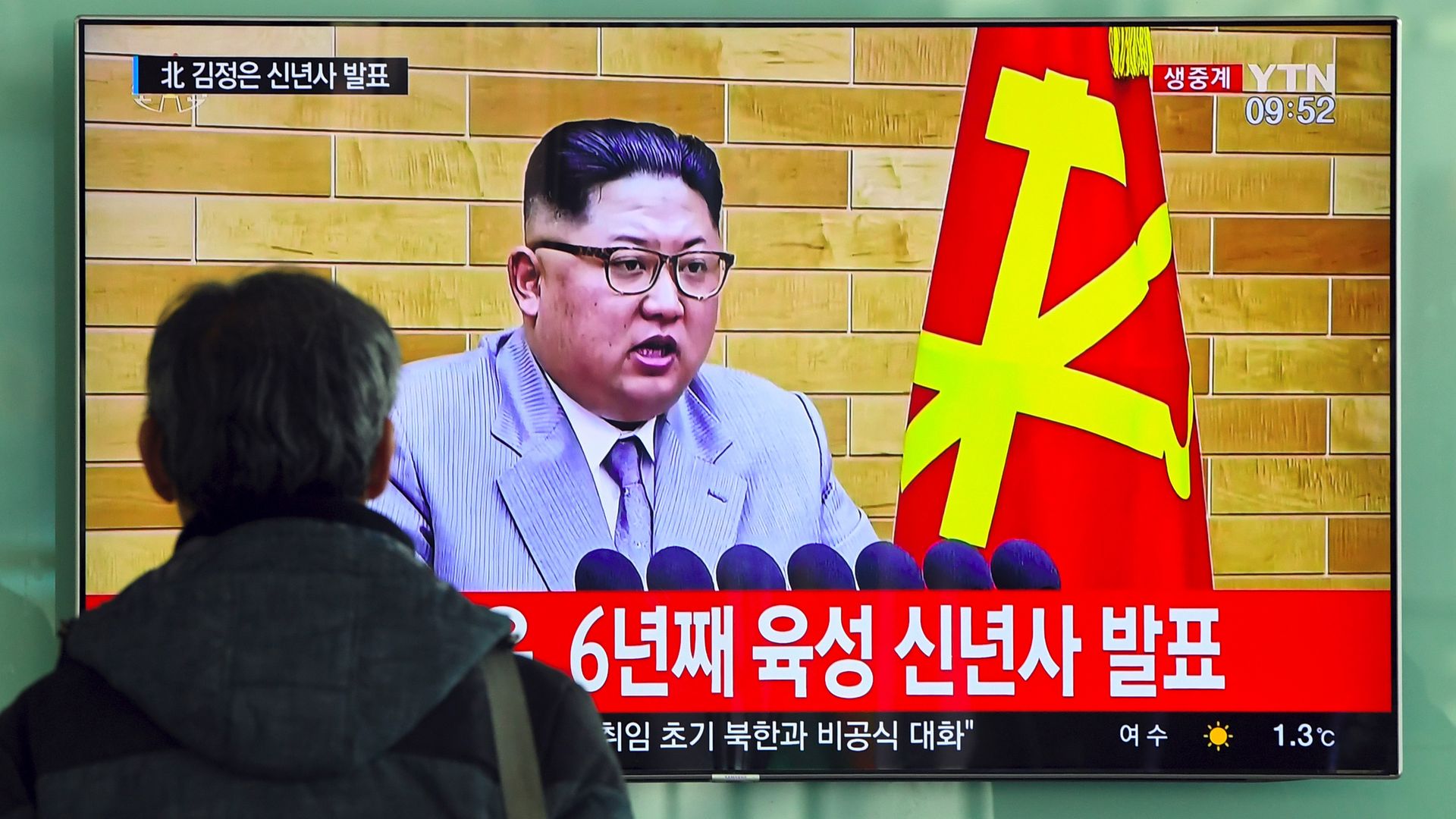
North Korea said on Saturday that it would "counter the U.S." if military exercises were conducted, and the U.S. will "own all responsibilities for the ensuing consequences," Reuters reports.
“If the U.S. finally holds joint military exercises while keeping sanctions on the DPRK, the DPRK will counter the U.S. by its own mode of counteraction and the U.S. will be made to own all responsibilities for the ensuing consequences."
— North Korea's news agency KCNA
Why it matters: Per Reuters, the U.S. and South Korea plan to start joint exercises in April. North Korea said through KCNA that drills "would harm reconciliation efforts," and that the regime will not "beg for dialogue" with the U.S.
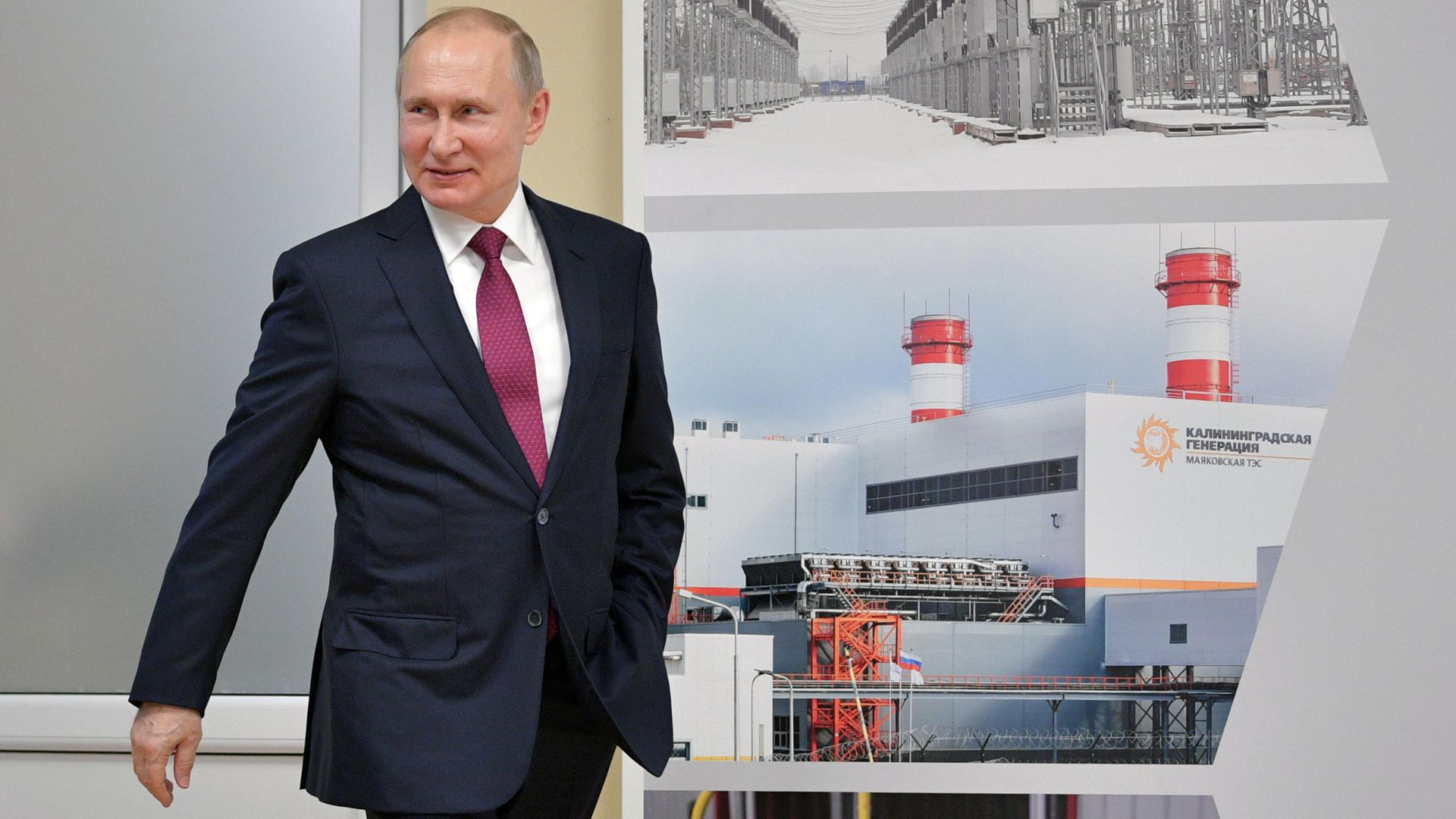
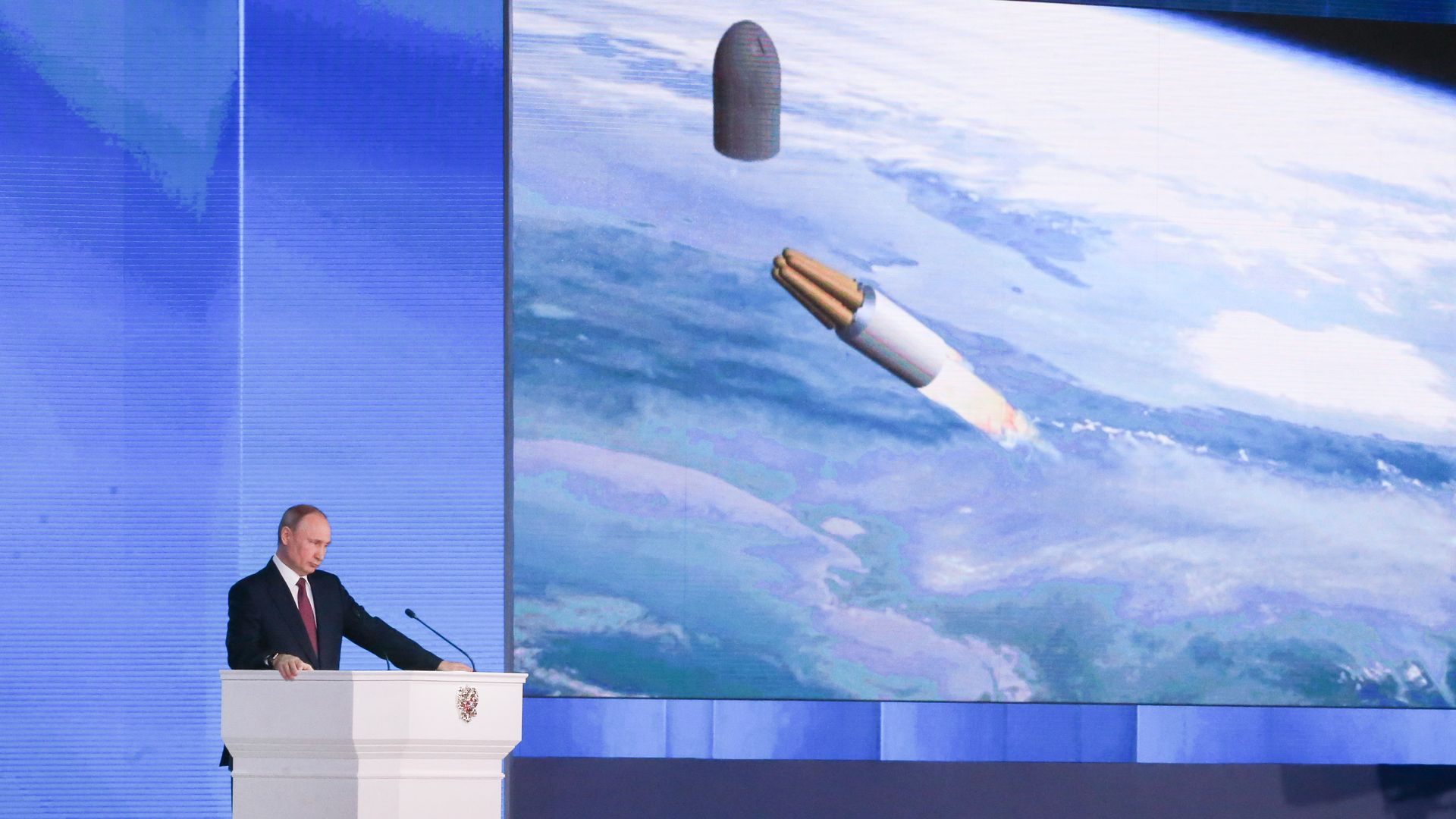
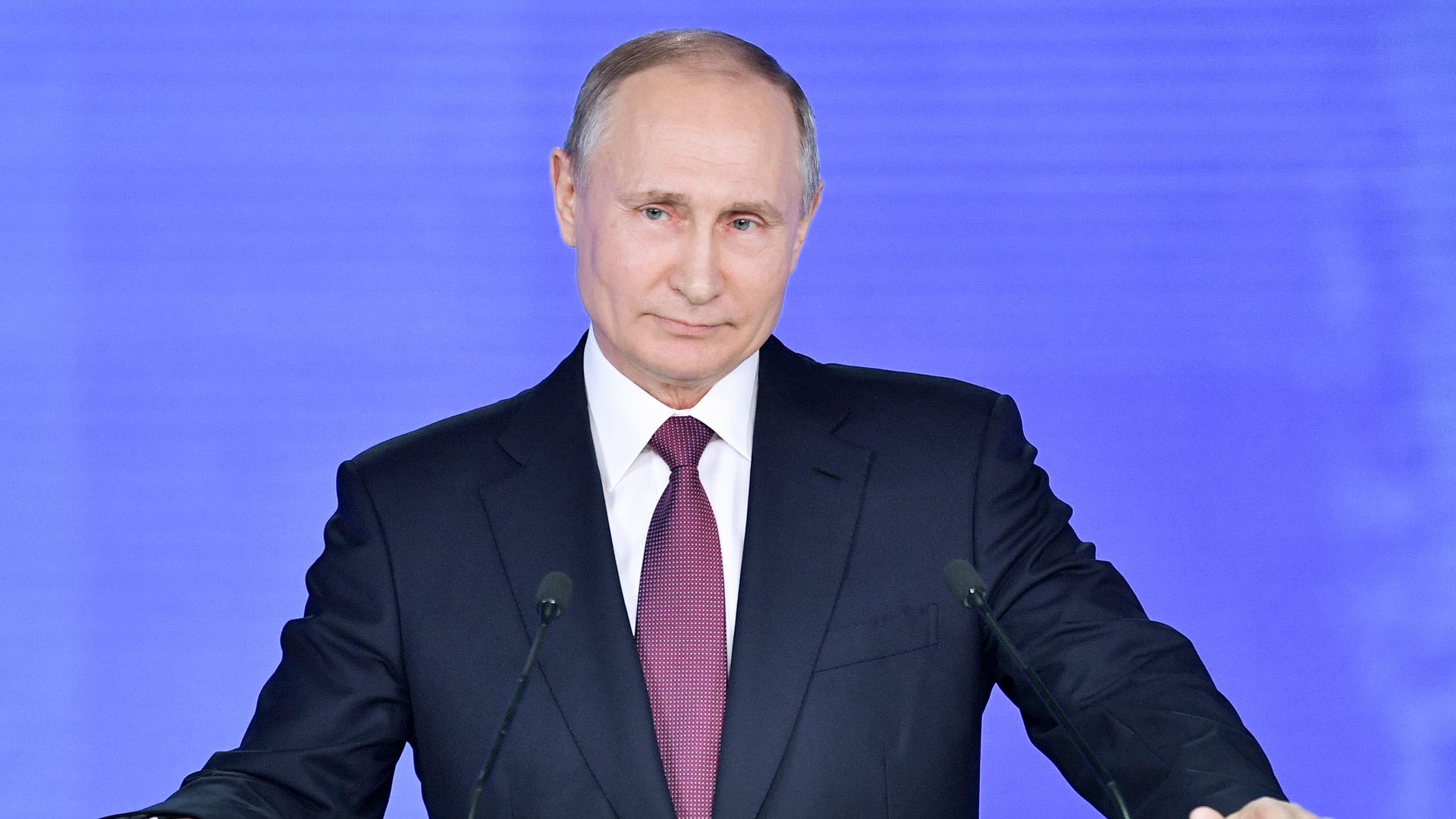
During an annual state address this week, President Vladimir Putin unveiled Russia’s pursuit of new nuclear weapons systems, couched as a response to the increasingly adversarial “American machine.” During the speech, Putin presented animated videos demonstrating how such weapons could successfully target parts of the United States.
Among the capabilities in development are a liquid-fuel intercontinental ballistic missile that is more difficult to intercept and a nuclear-powered cruise missile with the ability to penetrate “all existing and prospective missile defense and counter-air defense systems.”
Why it matters: Putin maintains that the decision to enhance the Russian nuclear arsenal is a natural reaction to the evolving threat posed by the U.S. — particularly Washington’s continued development of anti-ballistic missiles that could neutralize Russia’s existing nuclear forces.
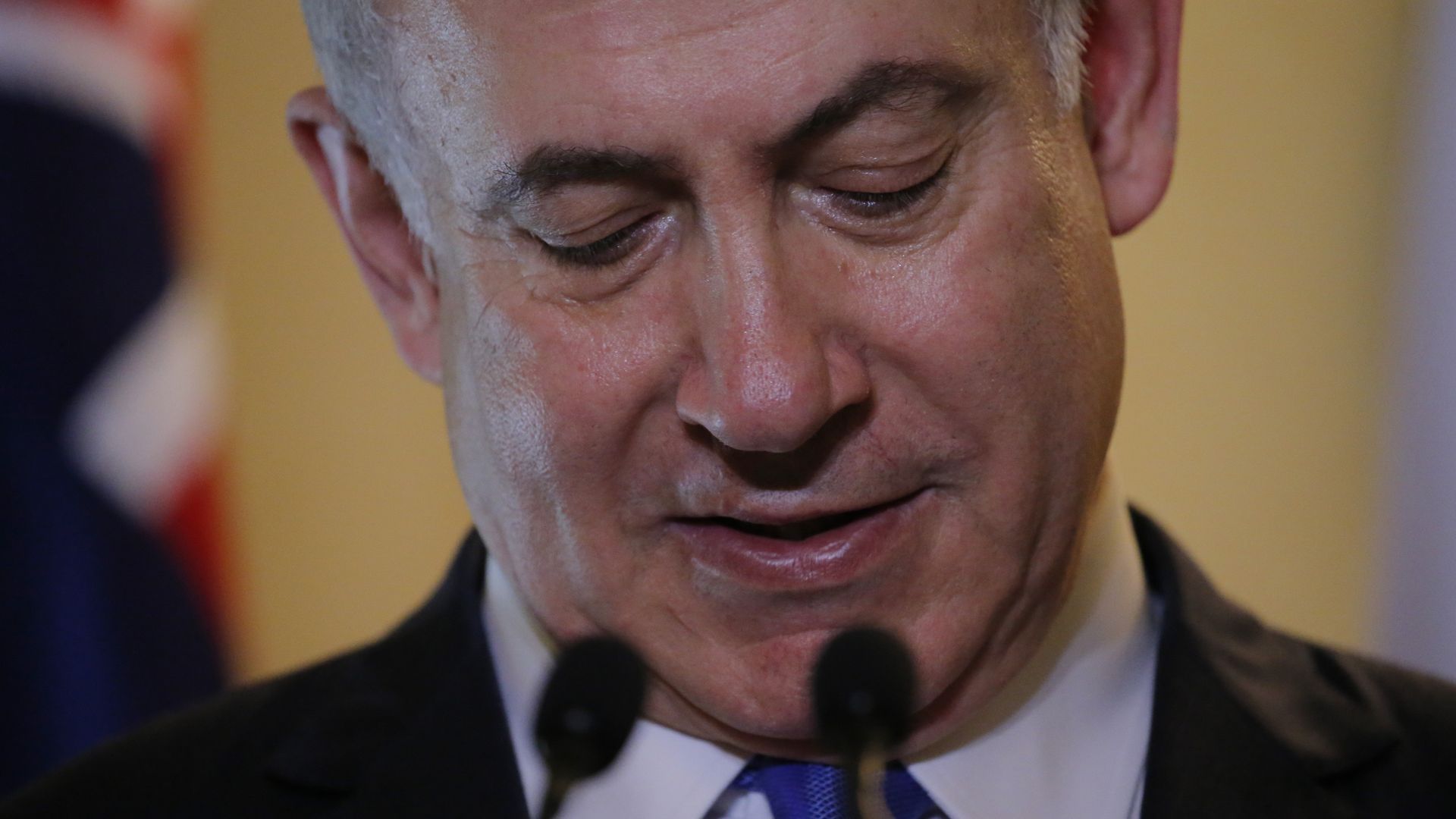
On Feb. 13, Israeli police recommended Benjamin Netanyahu be indicted on charges of bribery, fraud and breach of trust in two corruption cases. The 68-year-old prime minister has found himself embroiled in two other corruption inquiries as well, including one that landed him a sit-down interview with Israeli investigators Friday, according to Reuters.
Why it matters: Netanyahu, no stranger to corruption scandals during his four terms, has repeatedly denied wrongdoing and accused Israeli media of peddling fake news. But with evidence continuing to stack up against him, it remains to be seen whether Netanyahu can once again wriggle free and salvage his political career.
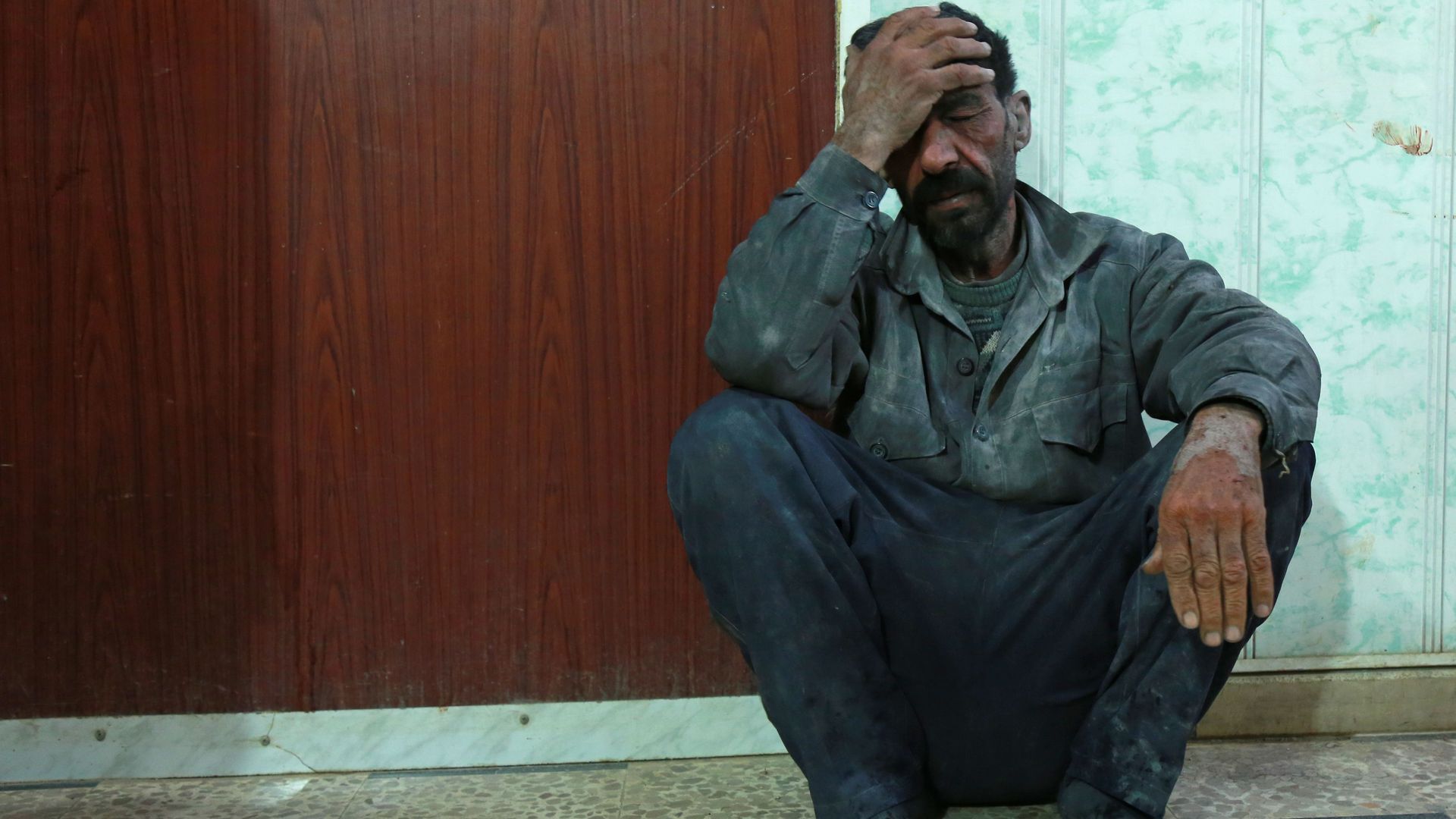
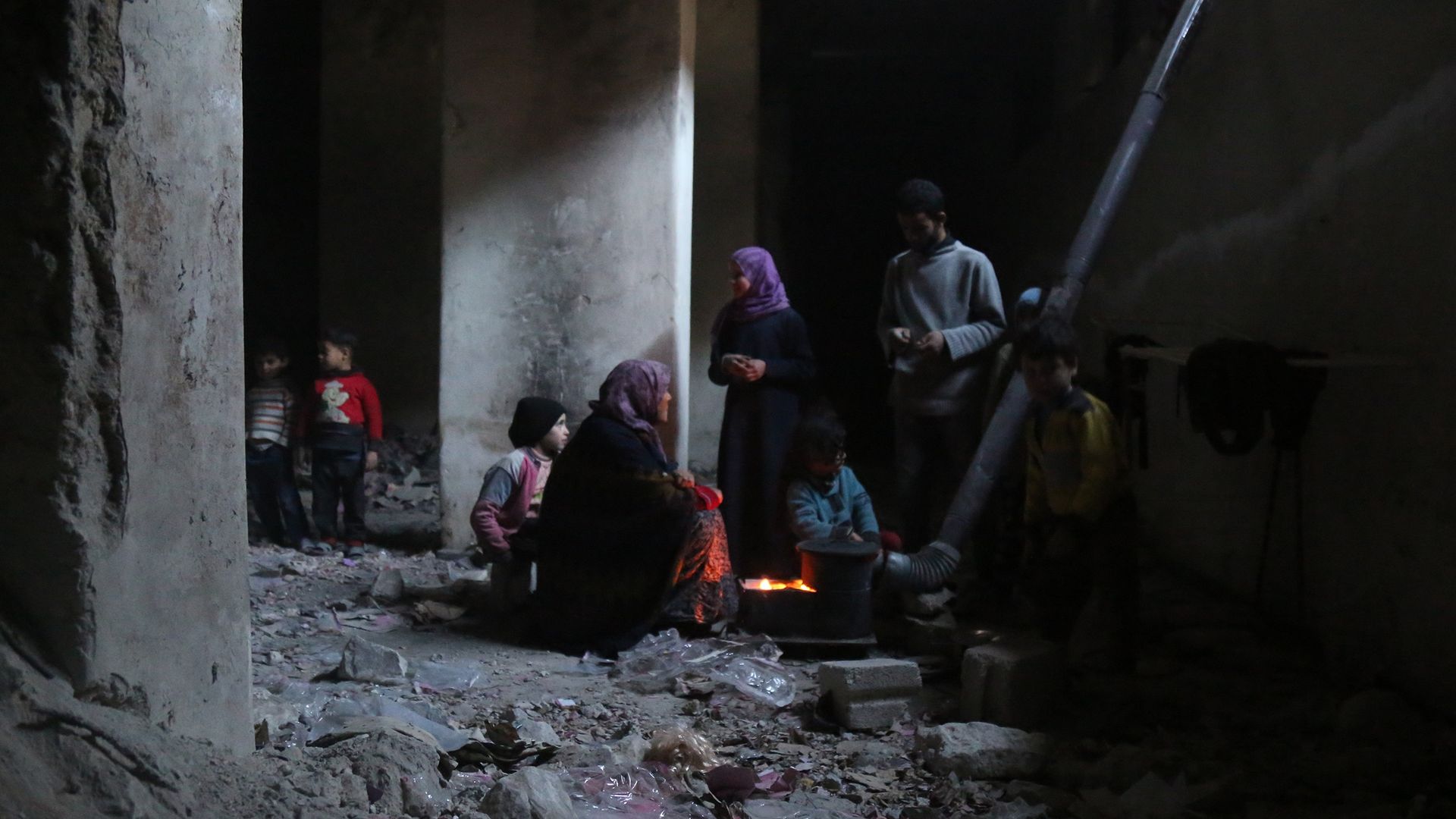
Since the United Nations Security Council voted almost a week ago on an immediate 30-day cease-fire in Eastern Ghouta, 103 more people have been killed, Al Jazeera reports.
Why it matters: U.S.Ambassador to the U.N. Nikki Haley said at the vote last week that eyes would "be on the Syrian regime, Iran and Russia," and that Assad must "for once, allow humanitarian access to all of those who need it" in Ghouta. But residents say no aid has been allowed in, and no cease-fire has been implemented.
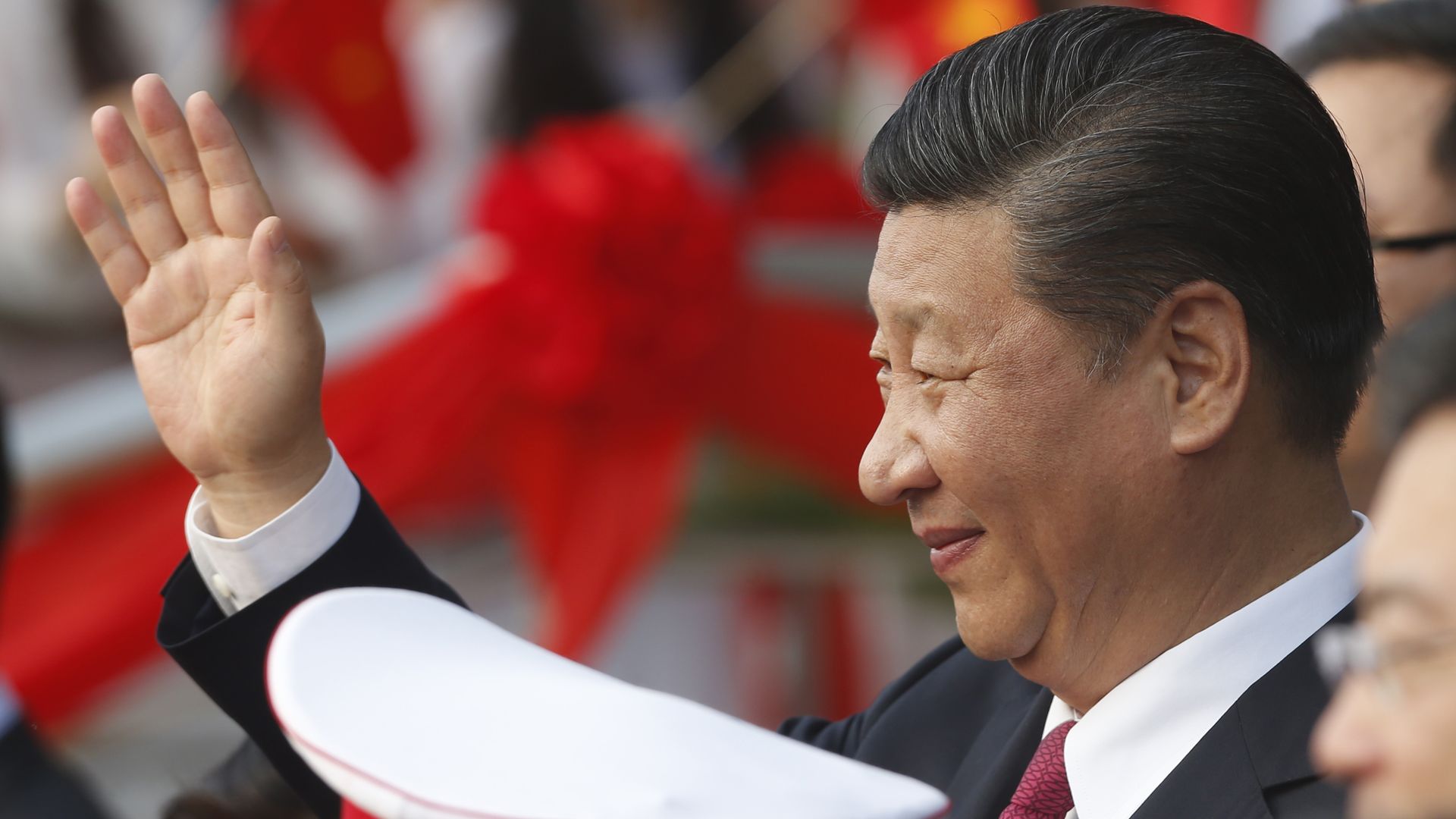
The announcement of the planned State Constitution amendment to allow the PRC president to serve more than two terms rattled people inside and outside China.
Between the lines: It was not a surprise but rather the extinguishing of the last shred of hope that Xi would adhere to some of the institutionalization and norms, however squishy some have been, developed since 1978.
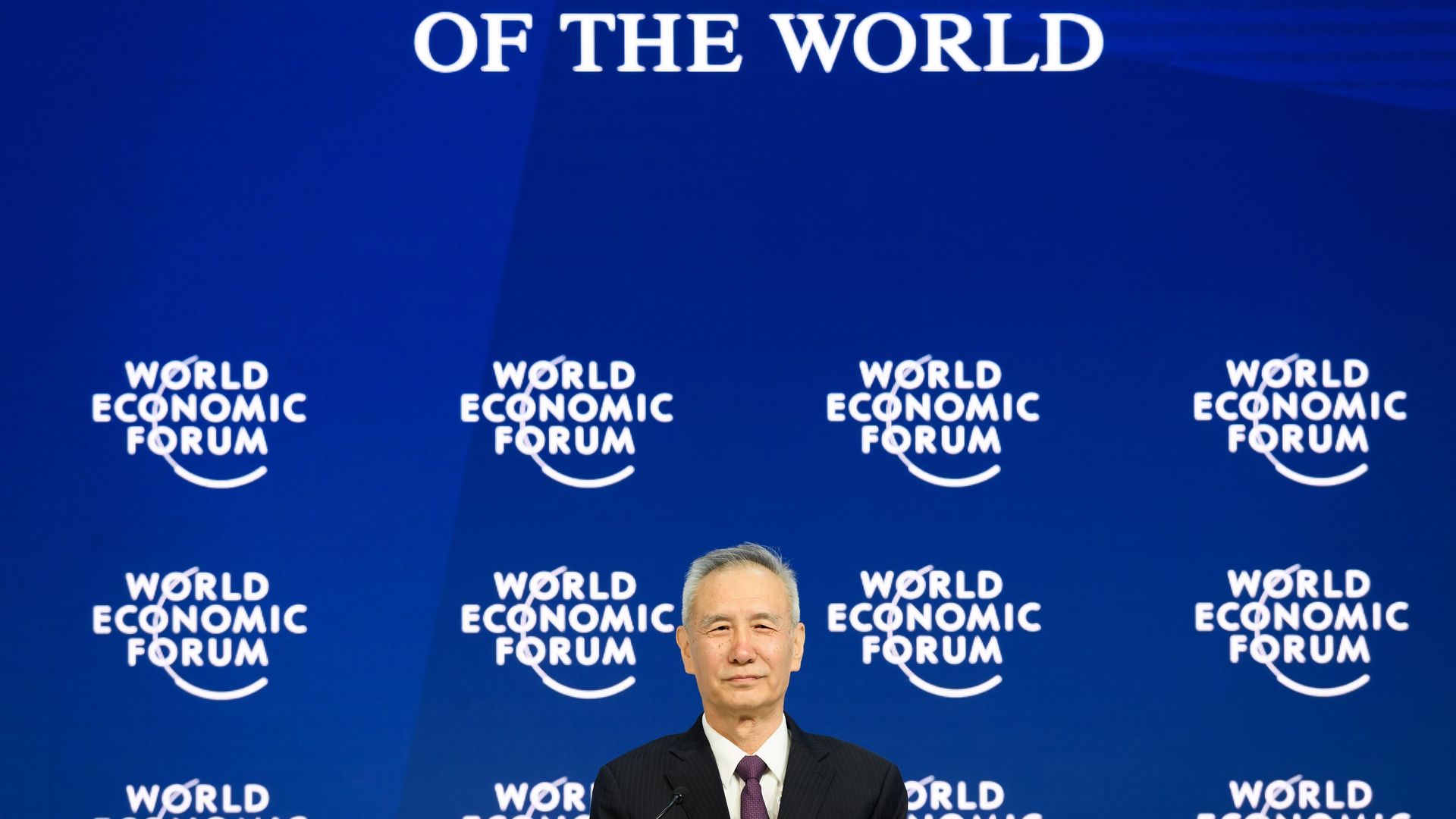
Senior Chinese emissary Liu He's visit to D.C. to restart talks on the Comprehensive Economic Dialogue has not proven fruitful so far, my sources tell me.
What I am hearing: Thursday’s meetings with U.S. government officials were difficult and so far Liu has not gotten the U.S. to agree to restart the CED talks, something the Chinese are very eager to do.
The Assad regime continues to flout the UN Security Council’s resolution calling for a 30-day ceasefire in Syria. Meanwhile, a Russian plan for a humanitarian corridor into Eastern Ghouta has collapsed amid renewed fighting, a sign that Moscow is not yet serious about reigning in their client in Damascus.
Why it matters: The 400,000 civilians trapped in Eastern Ghouta and over a quarter million Syrians in other remote and besieged areas are in acute need of humanitarian assistance. That aid will remain out of reach.
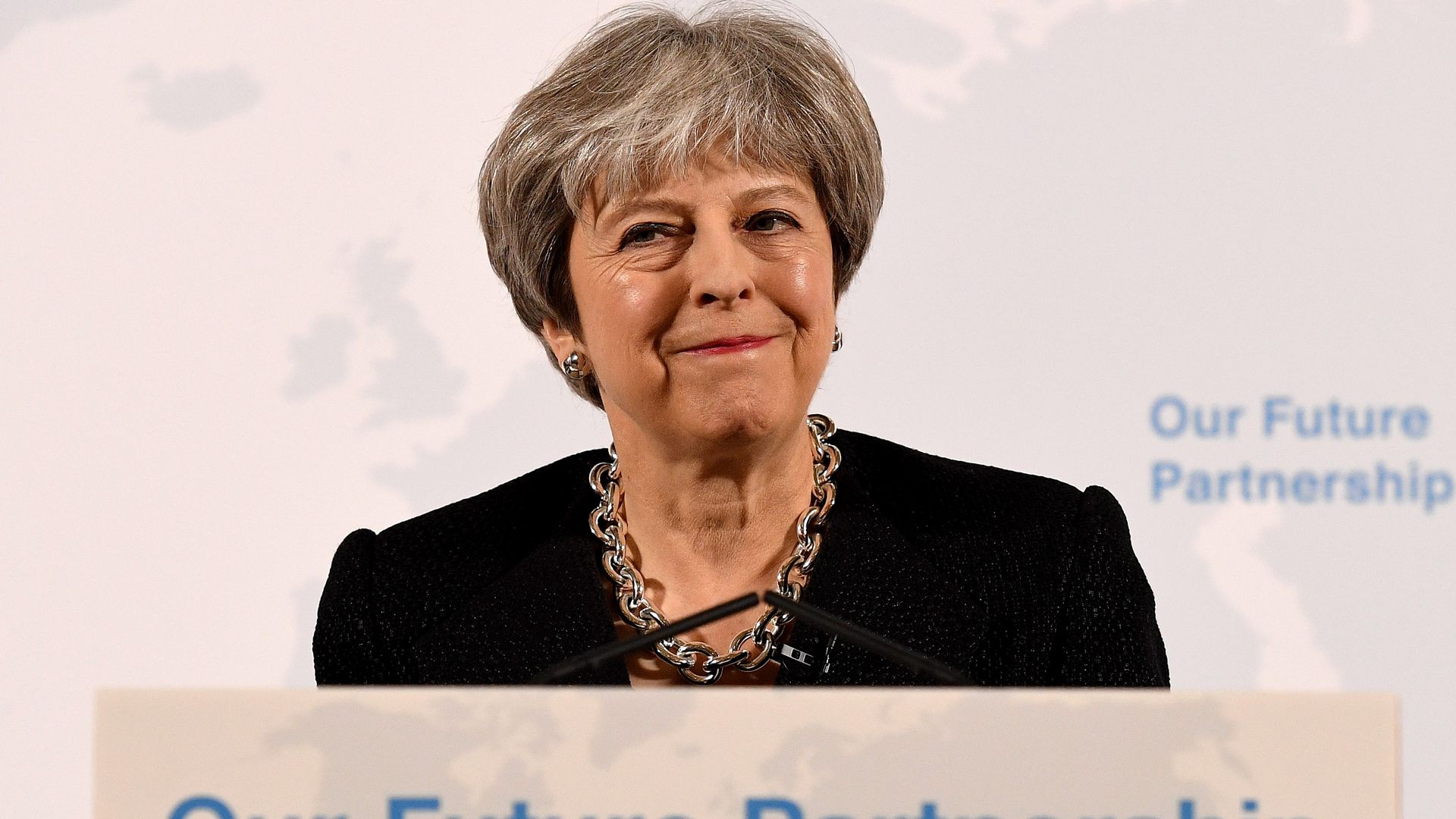
At the end of a week that saw the major players in Brexit set out their positions for the process, British Prime Minister Theresa May outlined her economic vision for the U.K.'s departure from the European Union in a widely-anticipated speech Friday, telling the EU that "we have a shared interest in getting this right, so let’s get on with it."
What happened: May presented the softest version of a hard Brexit plan that removes the U.K. from the EU's single market and customs unions but still maintains important economic and regulatory links to the EU via a landmark trade deal — all in an attempt to assuage the dueling wings of her party's vision of Brexit.
Czech Justice Minister Robert Pelikan appears to be leaning toward extraditing Russian hacker Yevgeniy Nikulin to the United States rather than Russia, after telling parliament he will base his decision on where the most severe crimes were committed and which side requested his extradition first. Both criteria point to the U.S.
Why it matters: Nikulin is the centre of a tug-of-war between the U.S. and Russia after he was picked up by the Czech authorities in Prague in October 2016 on an international arrest warrant tied to the hacking of social networks including LinkedIn, Dropbox and Formspring. However, the U.S. authorities believe he may also have information about Russian state-sponsored cyber activities — a view politicians and analysts say is supported by Russia’s desperate attempts to have him sent back home.
NATO hit back at Russian President Vladimir Putin's threat of targeting the alliance's member countries with new "invincible" nuclear weapons, calling Russia's aggression "unacceptable and counterproductive," per the AP.
NATO spokeswoman Oana Lungescu, pointing to Russia’s “aggressive actions” in Ukraine and military preparation around Europe, said on Friday, “NATO is pursuing a twin-track approach to Russia; strong deterrence and defense, combined with meaningful dialogue.”
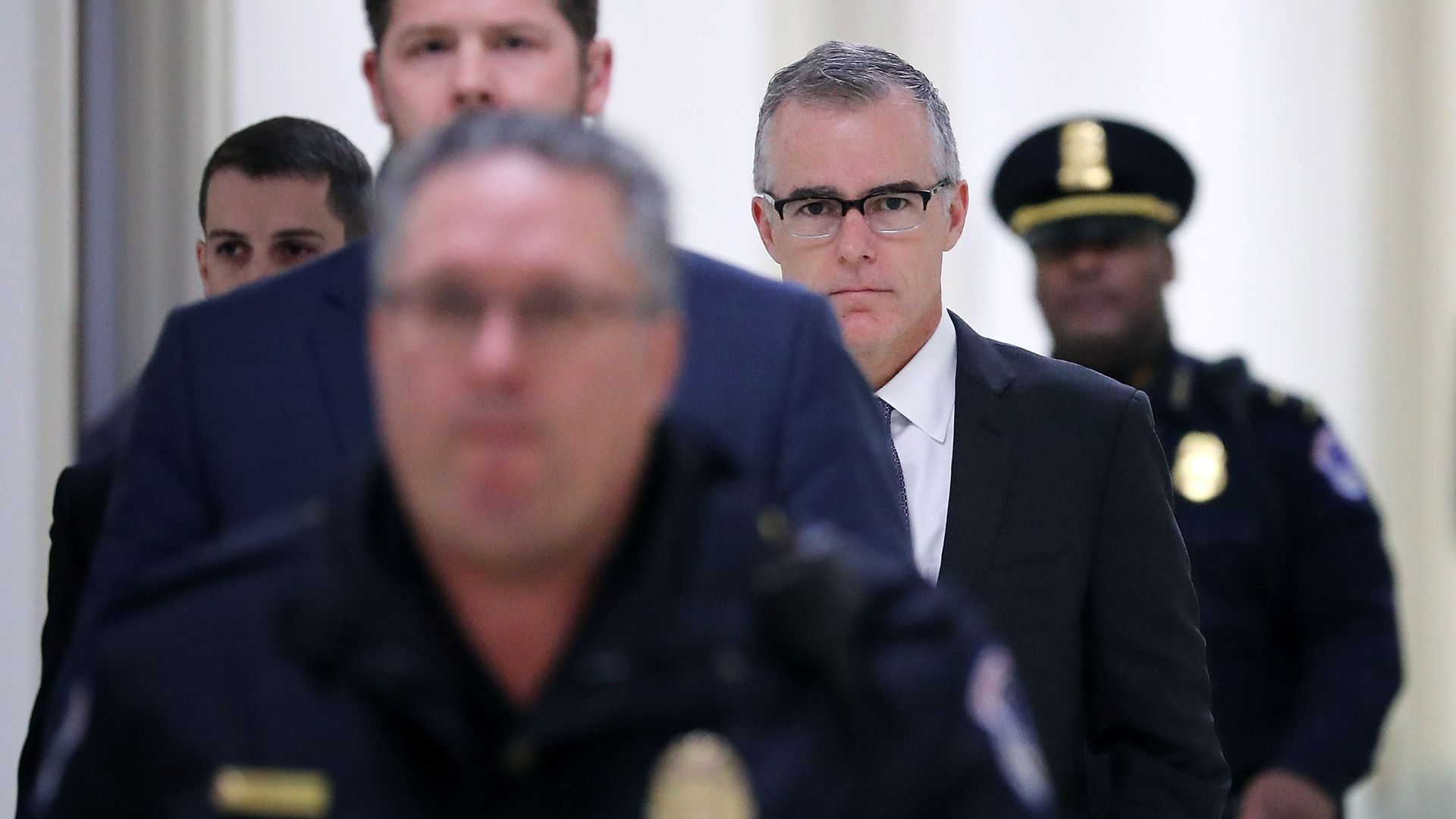
Former FBI Deputy Director Andrew McCabe is expected to be criticized in a forthcoming report by the DOJ's inspector general for authorizing confidential disclosures to the media, per the NYT. The incident specifically focuses on a 2016 WSJ piece — for which McCabe allegedly allowed FBI officials to provide information — about internal tension at the FBI over the investigation into Hillary Clinton's emails.
Why it matters: Though the incident had nothing to do with the Russia investigation, McCabe spent significant time working on that investigation as well. Any impropriety by McCabe in the Clinton investigation will provide fodder for President Trump and his Republican allies to further muddy the waters surrounding Russia — and DOJ's Mueller probe — by alleging "deep state" interference.
For centuries, the Himalayas served as a buffer between India and China, but now China's reach stretches into South Asian countries like Nepal that have historically been part of India's sphere of influence. Increasingly, those countries are playing host to a geopolitical competition between the world's fastest-growing powers.
The bottom line: India can't compete with the scale and speed of Chinese investment. And the new economic competition — which has emerged over the last two decades — is likely to force changes in how India deals with its neighbors and with economic powers like the United States.
Axios managing editor Kim Hart spoke with Microsoft president Brad Smith, who says 2017 was a "wake up call" and that the tech community will need to put more focus on working together to fight the security breaches.
In an interview Thursday with NBC News' Megyn Kelly, Russian President Vladimir Putin denied that he has declared a "new Cold War."
The backdrop:Earlier on Thursday, Putin said Russia had tested new nuclear weapons, including a new missile and an underwater drone. He told Kelly tests on those weapons had been "excellent" and some "are already available to the troops and already are battle ready." His announcement prompted the Pentagon to say the U.S. is "fully prepared" should Russia launched a nuclear attack.