Wednesday's world stories


Tillerson/Lavrov press conference puts "low point" in relations on display
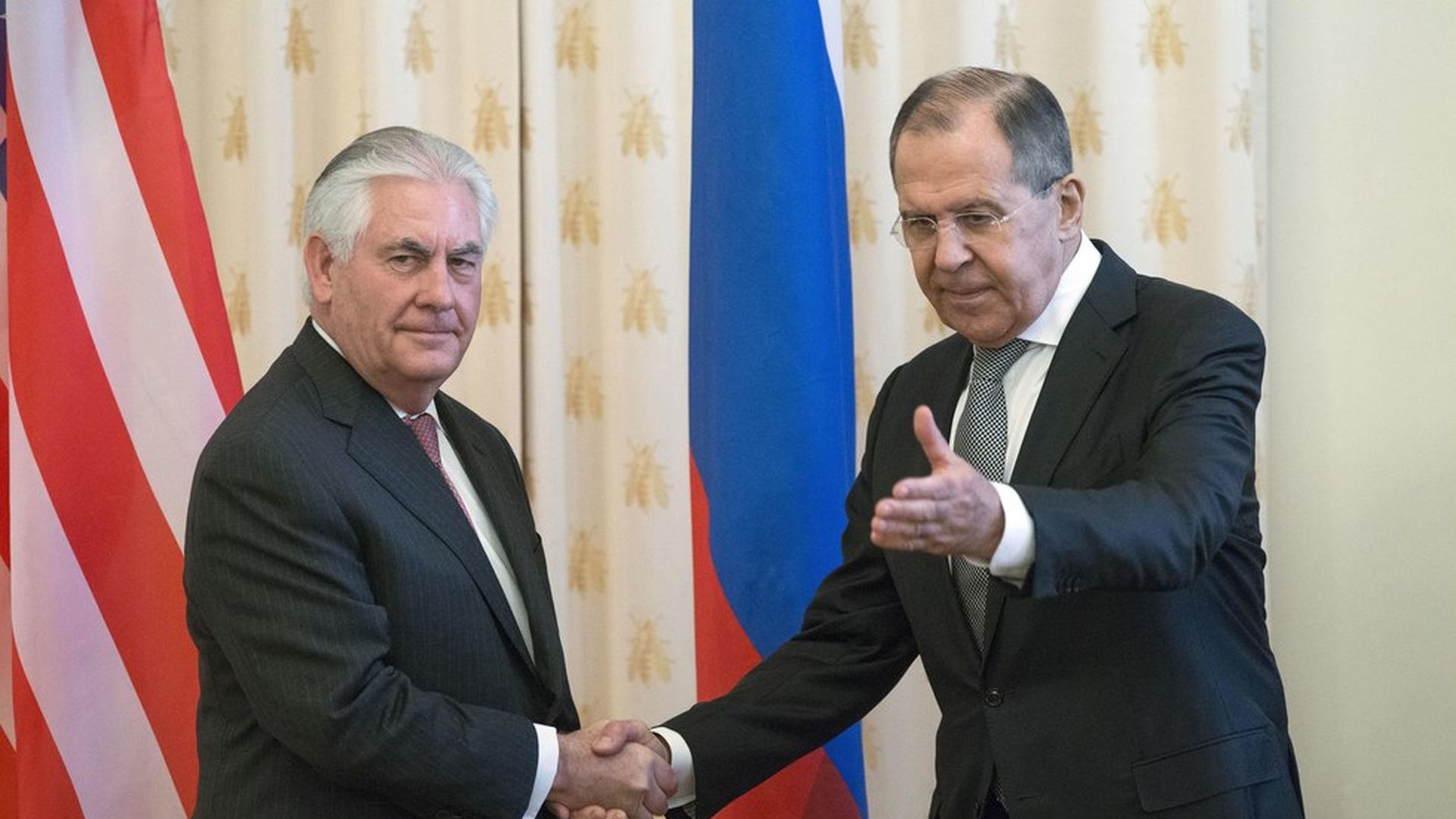
Rex Tillerson and Russian Foreign Minister Sergey Lavrov held a grim press conference following a 2 hour meeting between Tillerson and Vladimir Putin, with the U.S. Secretary of State conceding that U.S./Russia relations had reached "a low point."

Tillerson meets with Putin
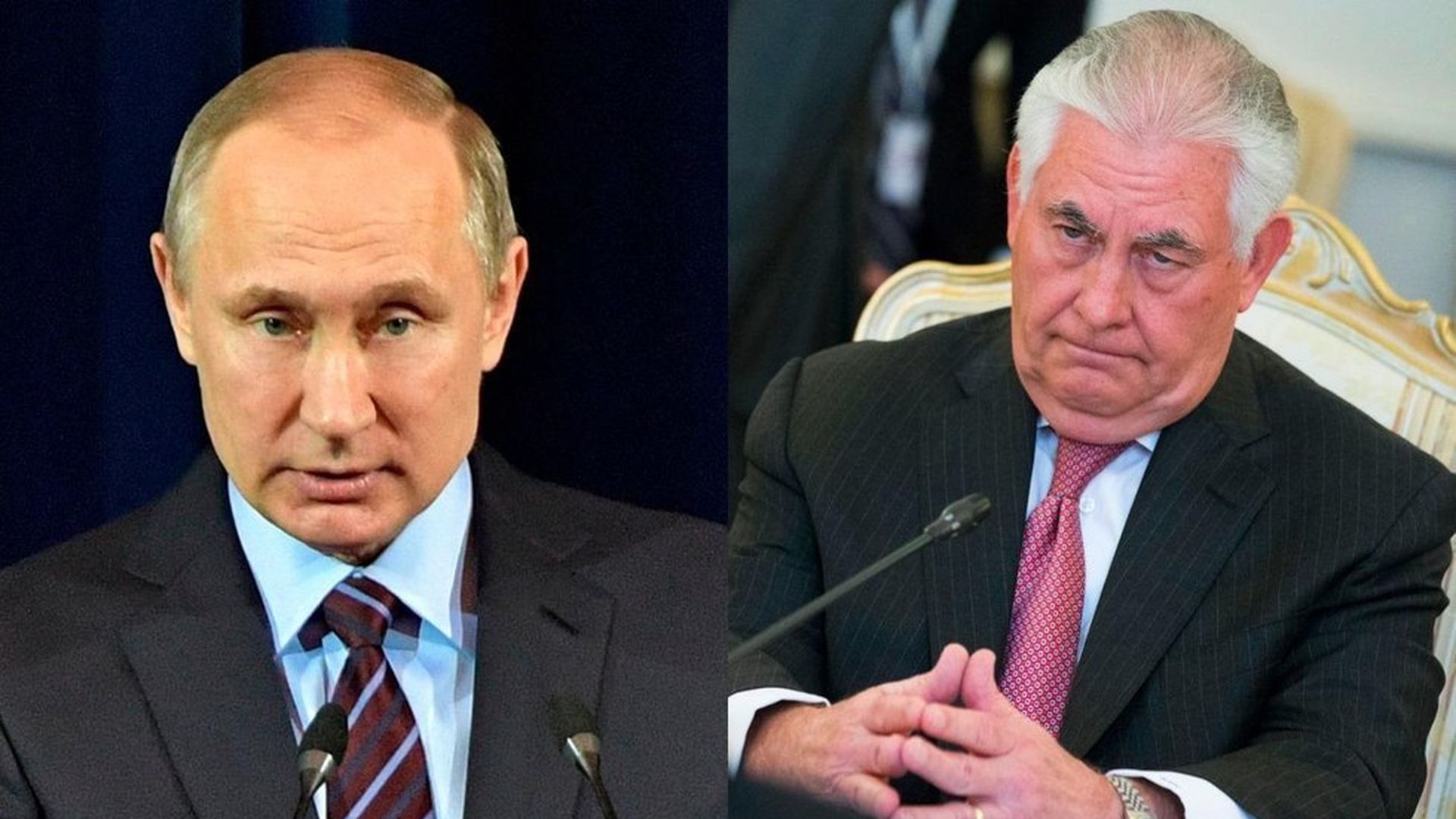
Secretary of State Rex Tillerson became the first senior member of the Trump administration to meet with Russian President Vladimir Putin today after a prolonged will-they-won't-they standoff prior to Tillerson's visit to the Kremlin, per the AP. According to a U.S. embassy official, they concluded their meeting after nearly 2 hours.
Maybe a little awkward: "The level of trust [with the United States] at the working level, especially at the military level, has not become better but most likely has degraded," Putin told Russian state television today.
Don't forget: Back in 2013, Putin awarded then-ExxonMobil CEO Tillerson the Order of Friendship medal, one of Russia's highest honors for foreign citizens.

A chance for Putin, Tillerson diplomacy in Moscow
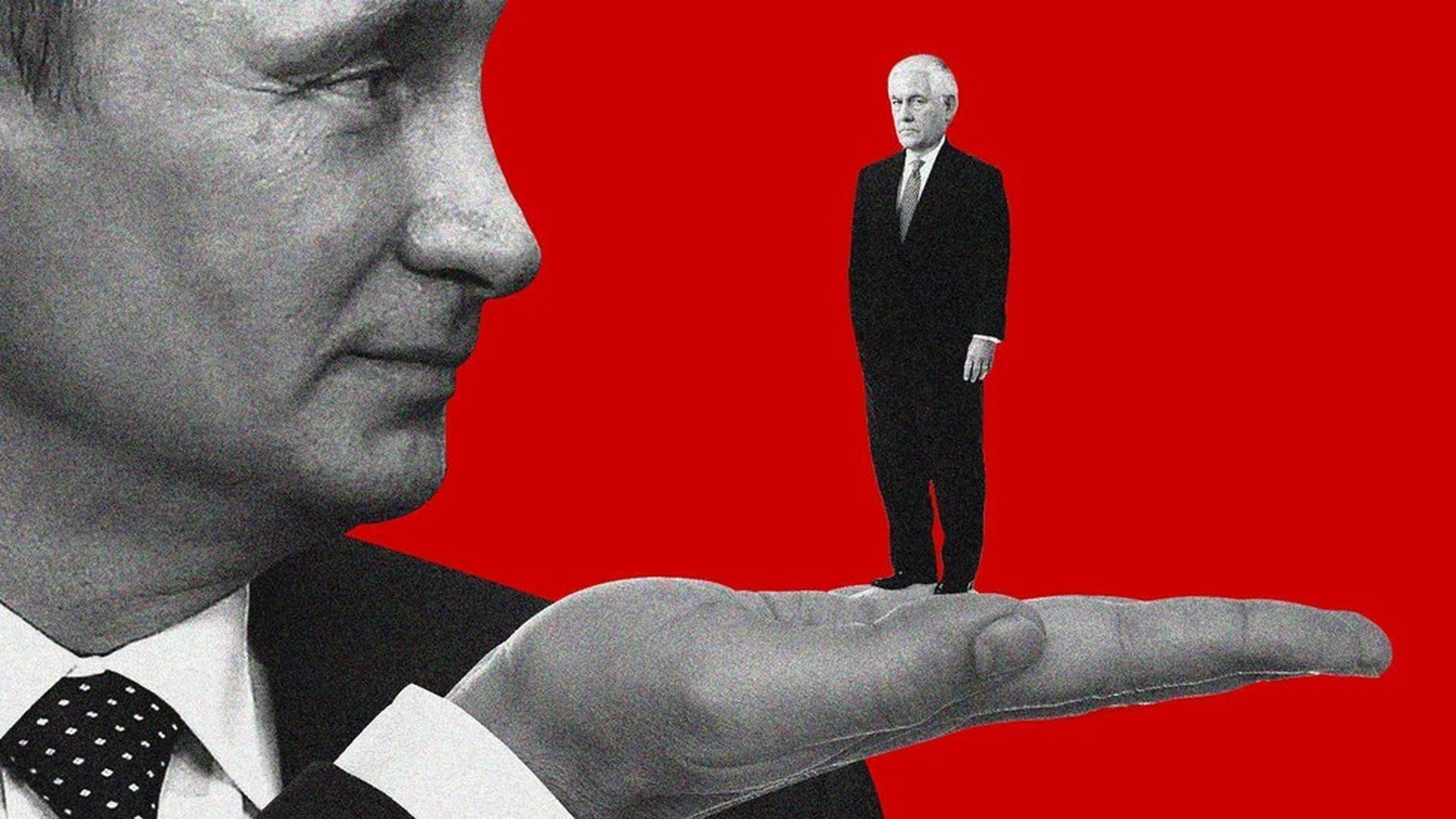
Secretary of State Rex Tillerson begins meetings today in Moscow amid grave tensions and name-calling between the U.S. and Russia, roiled by the U.S. missile strike on Syria. The ground is fertile for the start of genuine diplomatic discussions over Syria.
Why it matters: Putin knows that he has a problem in Syria — he wants to retain Russia's military presence there, but is not wedded to President Bashar al-Assad. Therefore, he will be looking for a face-saving way out of the current crisis. Aides to Putin threatened that Tillerson would get no meeting with the Russian leader, but look for at least a courtesy handshake between them — both sides know it is silly to keep barking at each other, and that they need to restore some decorum to the relationship. Ultimately, the Russian side still believes Trump is someone they can do business with.

FBI had FISA warrant to monitor former Trump adviser
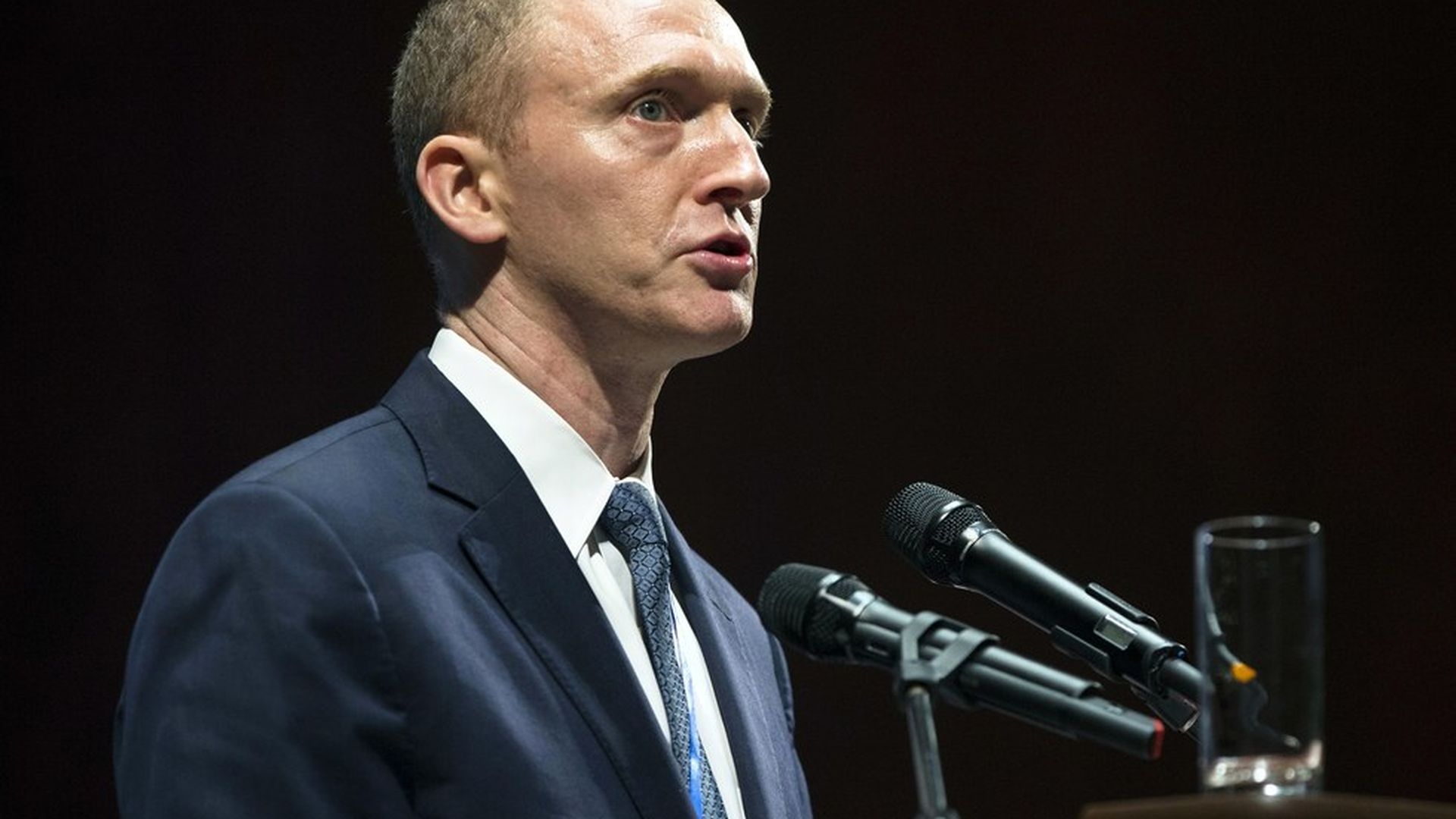
The FBI and DOJ got a FISA warrant to monitor the communications of Carter Page, Donald Trump's former foreign policy advisor, for possible links to Russia, per a Washington Post report.
What this means: The agencies convinced the secret court there was probable cause to believe Page was acting as an agent for Russia. Recall, earlier this month, Page confirmed he met with a Russian spy who was allegedly trying to turn him, although he has denied any wrongdoing.
Why it matters: As the Post puts it, "This is the clearest evidence so far that the FBI had reason to believe during the 2016 presidential campaign that a Trump campaign adviser was in touch with Russian agents."

Tillerson: so what about Ukraine?
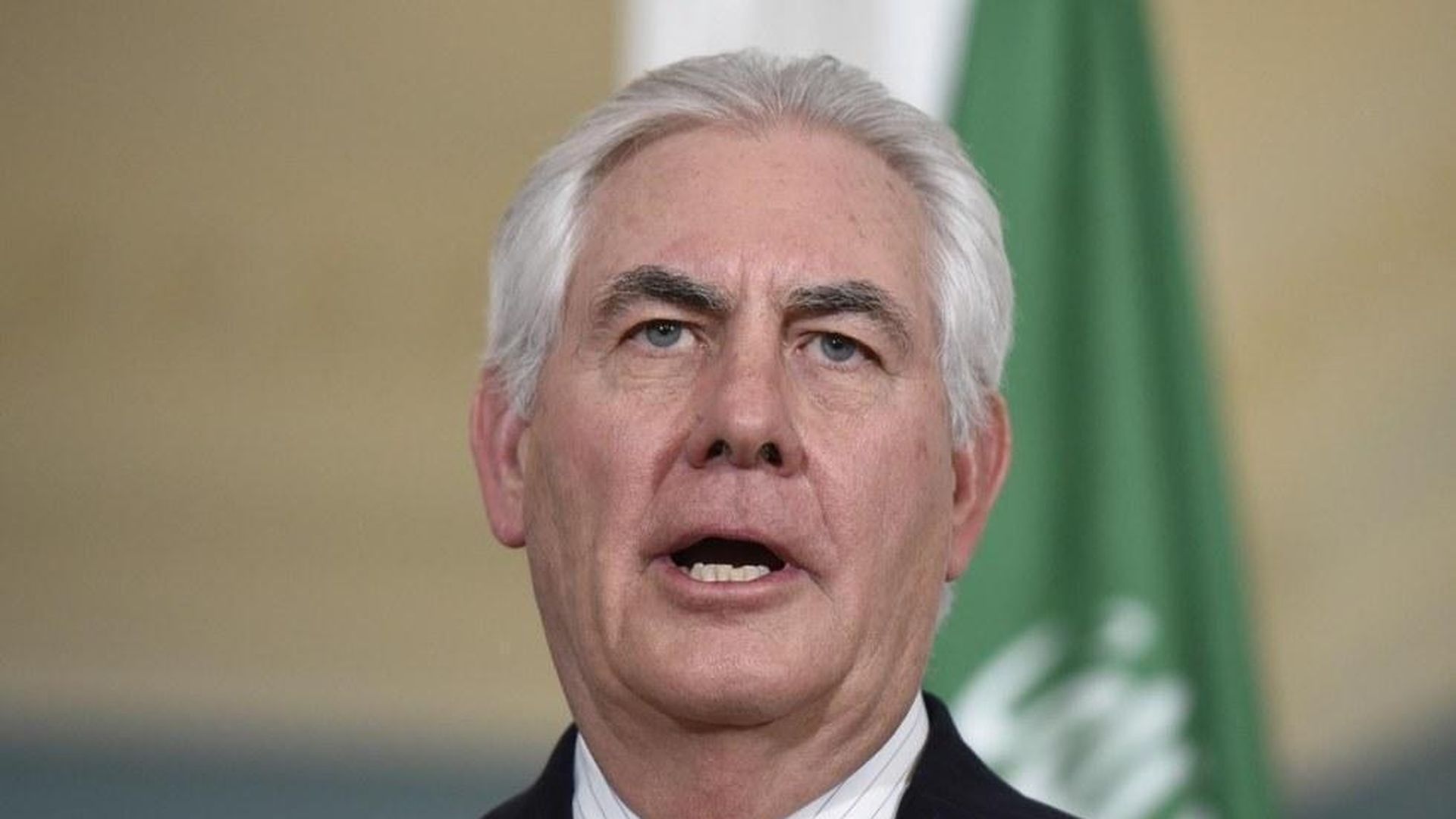
The French foreign minister recounted a question from U.S. Sec. of State Rex Tillerson today at a meeting of G-7 nations in Italy. Bloomberg reports Tillerson as saying:
Why should U.S. taxpayers be interested in Ukraine?
Why it matters: Bloomberg sums up the impact of what it calls a "provocative remark" as something "sure to give pause to any European official fearful that President Donald Trump might ease sanctions and let the former Soviet state slip back into it Russia's orbit, even as tensions with Moscow are running high."
GLAAD wants Nikki Haley to condemn LGBTQ abuses
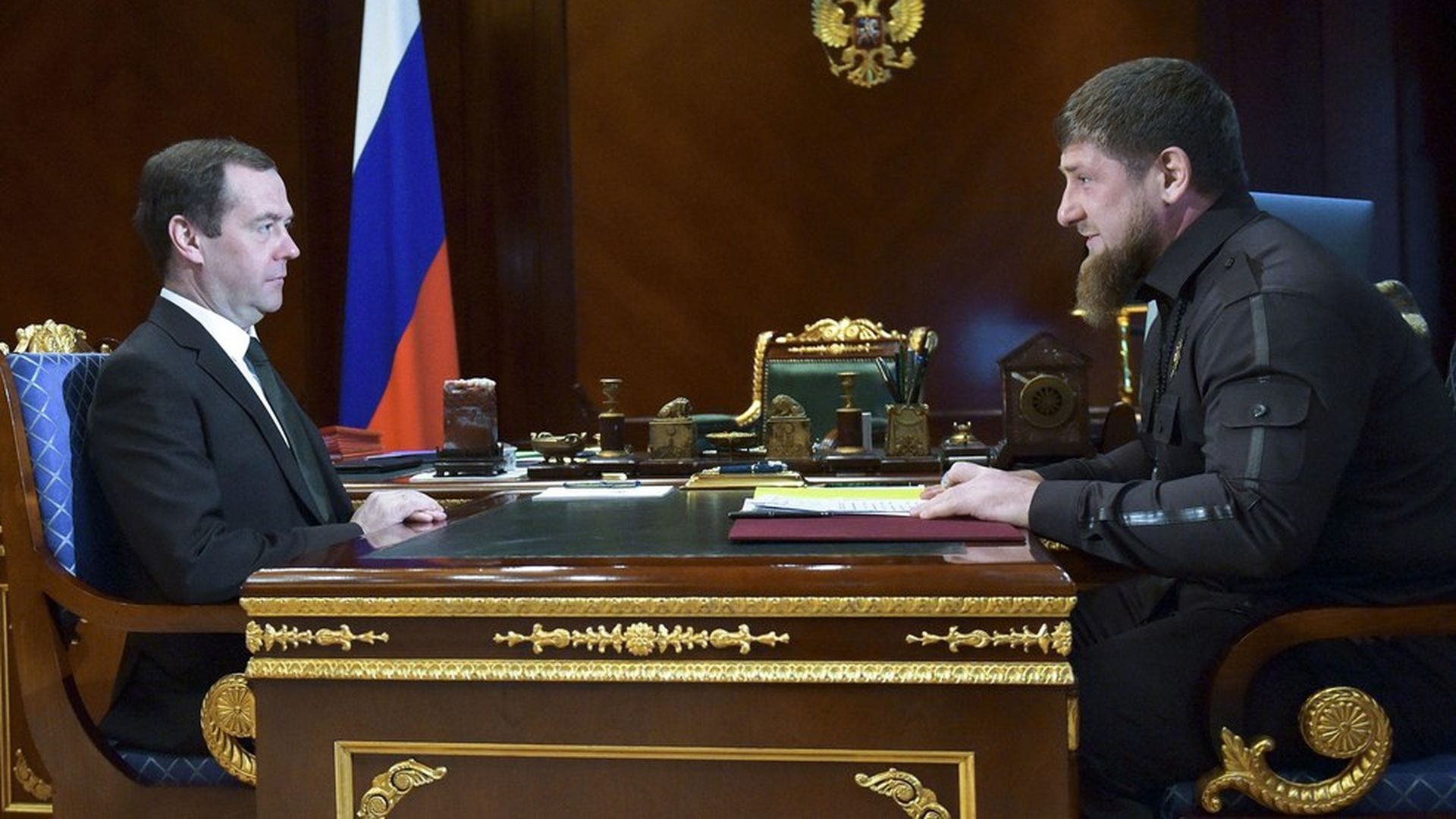
GLAAD President and CEO Sarah Kate Ellis is calling on U.S. UN Ambassador Nikki Haley to condemn the "humanitarian crisis" in the Russian Republic of Chechnya, which has been targeting, arresting, and abusing LGBTQ people:
As the leader of the free world, we can't watch in silence as the world slips back to an era we should never go back to.
What's happening: Russian newspaper Novaya Gazeta and human rights officials reported that police in Chechnya have detained more than 100 gay men in concentration camps, which has led to torture and death in some cases. The U.S. State Department issued a statement about its "concern" for the matter last week.
Putin will go to the UN on Syria
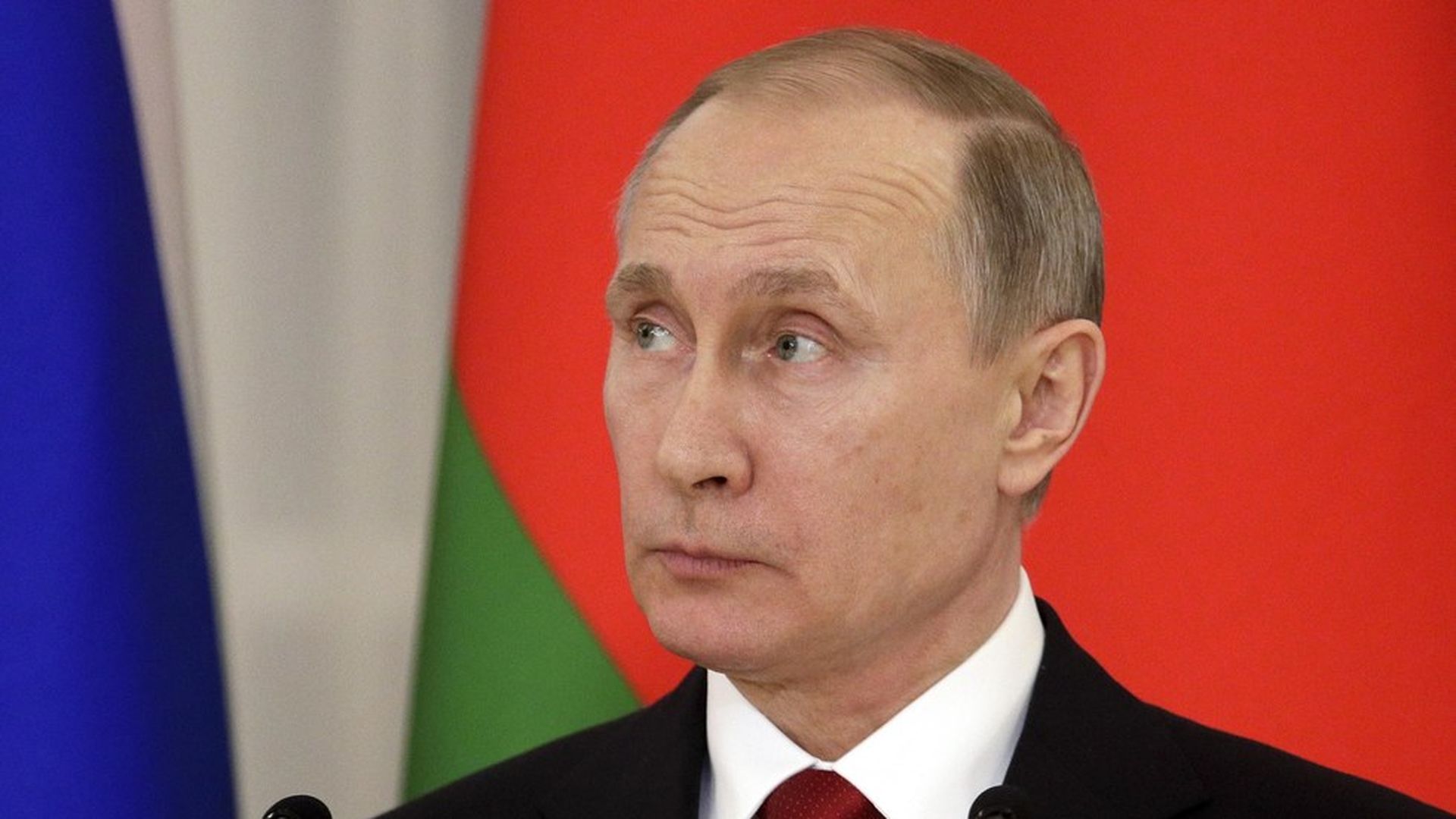
Russian President Vladimir Putin said Tuesday that Moscow will appeal to the UN to investigate the Syrian chemical attack, and that the Syrian government is willing to let experts examine its military base for chemical weapons, per the Associated Press. Putin added that Russia also knows about planned "provocations" to blame the Syrian government for the attack.
Why this matters: His comments come after the G7 meeting in Italy on Tuesday, where top diplomats agreed that Russia must stop its "hypocrisy" and work with other countries to oust Assad. Secretary of State Tillerson also stated that Russia must choose between aligning with the U.S. or Iran, Syria, and Hezbollah.
World leaders at G7 disagree on Russia sanctions
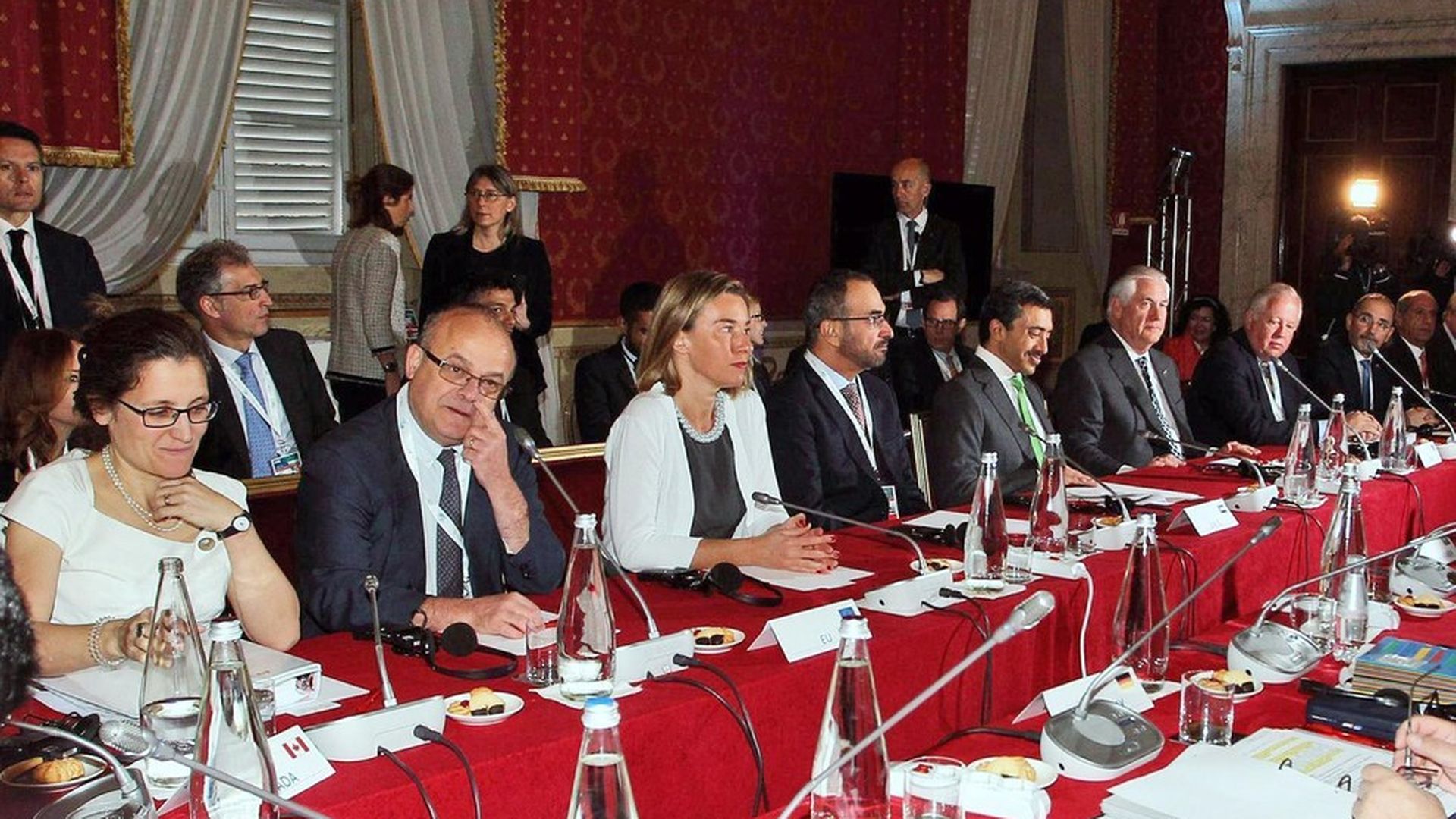
Key takeaways from the G7 summit:
- Rex Tillerson said Russia "must choose" between the U.S. and Iran/Assad/Hezbollah.
- All G7 nations agreed Assad cannot be part of Syria's future, and that Russia must stop its "hypocrisy" and work with other countries to bring an end to the Syrian civil war, per French Foreign Minister Jean-Marc Ayrault.
- But they failed to reach an agreement on sanctions, per Italian Foreign Minister Angelino Alfano.
- G7 leaders agreed that U.S. intervention had offered "a window of opportunity" for positive change.
Tillerson to Russia: It's us or Assad
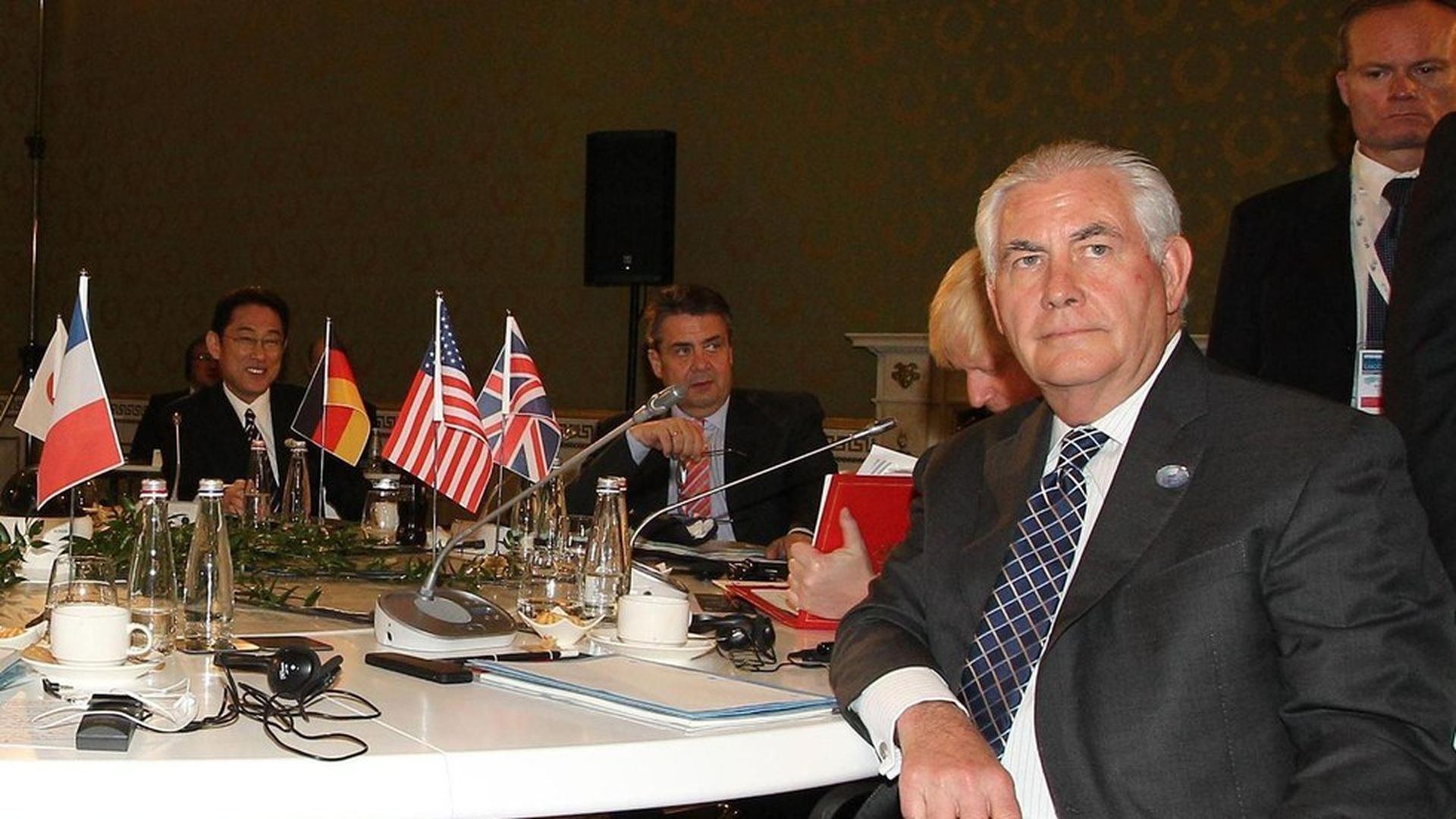
Secretary of State Rex Tillerson stopped in Italy Tuesday for the G7 summit to discuss the U.S. missile strikes in Syria following Bashar al-Assad's deadly weapons attack last week, as well as U.S. policy moving forward. Notable quotes:
- Tillerson said the Syria strike was a "matter of national security interest" and that the U.S. cannot let Assad's stockpile of chemical weapons fall into the hands of ISIS or others.
- The U.S. will look for strategic options to de-escalate the violence in Syria, and that it is clear "to all of us that the reign of the Assad family is coming to an end."
- Russia must choose between aligning with the U.S. and likeminded countries, or with Assad, Iran and Hezbollah.
Next stop: Tillerson is heading to Moscow later this afternoon where he will meet with his Russian counterpart, Sergei Lavrov. The two had originally planned to discuss issues such as Ukraine, NATO, Iran, and sanctions, but the talks are now expected to be dominated by their disagreements on Syria.