President Trump pledged Friday to allow farmers and ranchers to process their own meat in a salvo aimed at the industry's four dominant meatpackers, calling them a "nasty Monopoly."
Why it matters: The president is under pressure to help a constituency his own policies have squeezed — increasing farmers' costs while raising prices for consumers on products like beef.
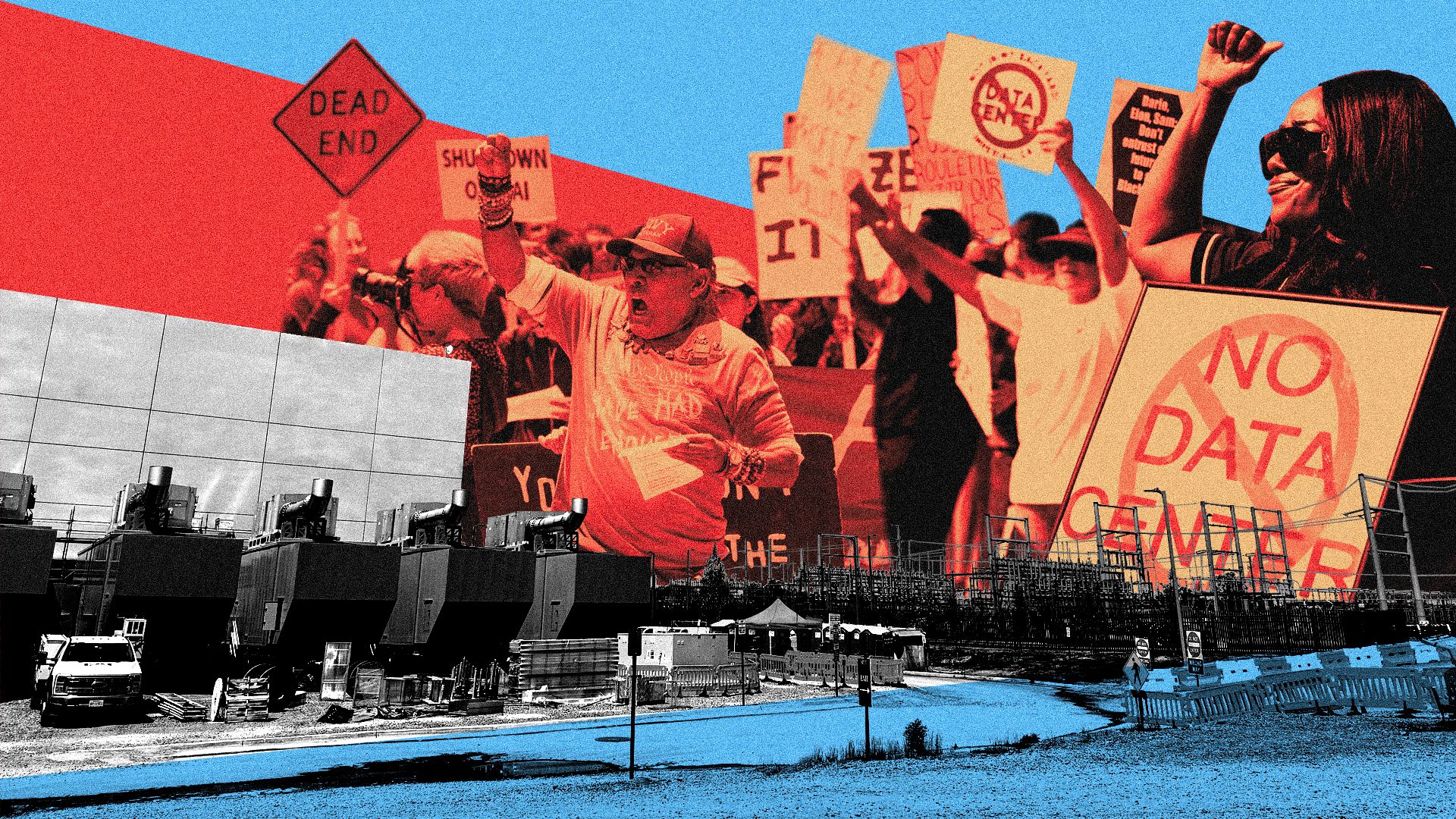
Roughly 200 accounts from a suspected Chinese bot farm have quietly tried to influence Americans to oppose AI data centers on social media, X said Thursday night.
Why it matters: The U.S. and China are racing to build the world's most advanced AI systems — and it appears Chinese propaganda has infiltrated American circles with the hope of slowing the U.S. down.
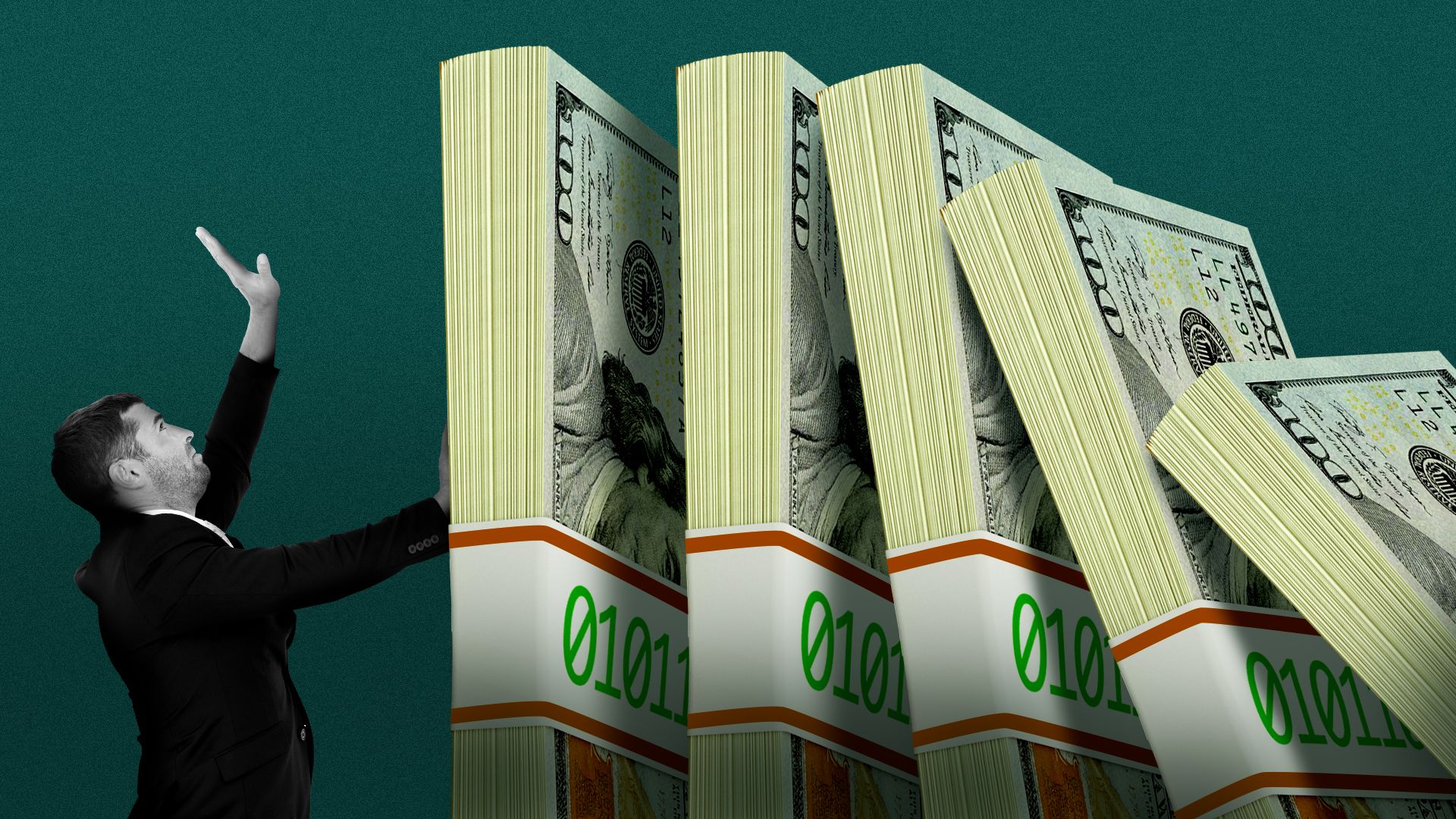
New financial technologies are making it faster and cheaper to move money across borders, seemingly reducing the world's reliance on the dollar.
But new research presented at the Jackson Hole symposium suggests financial innovation may instead tighten the dollar's grip on global finance.
Financial innovation is the theme for the annual gathering of central bankers, where they're grappling with how these technologies reshape the financial system.
Why it matters: AI was going to obliterate the software sector, or so investors believed earlier this year, but it turns out that this stuff is hard to quit.
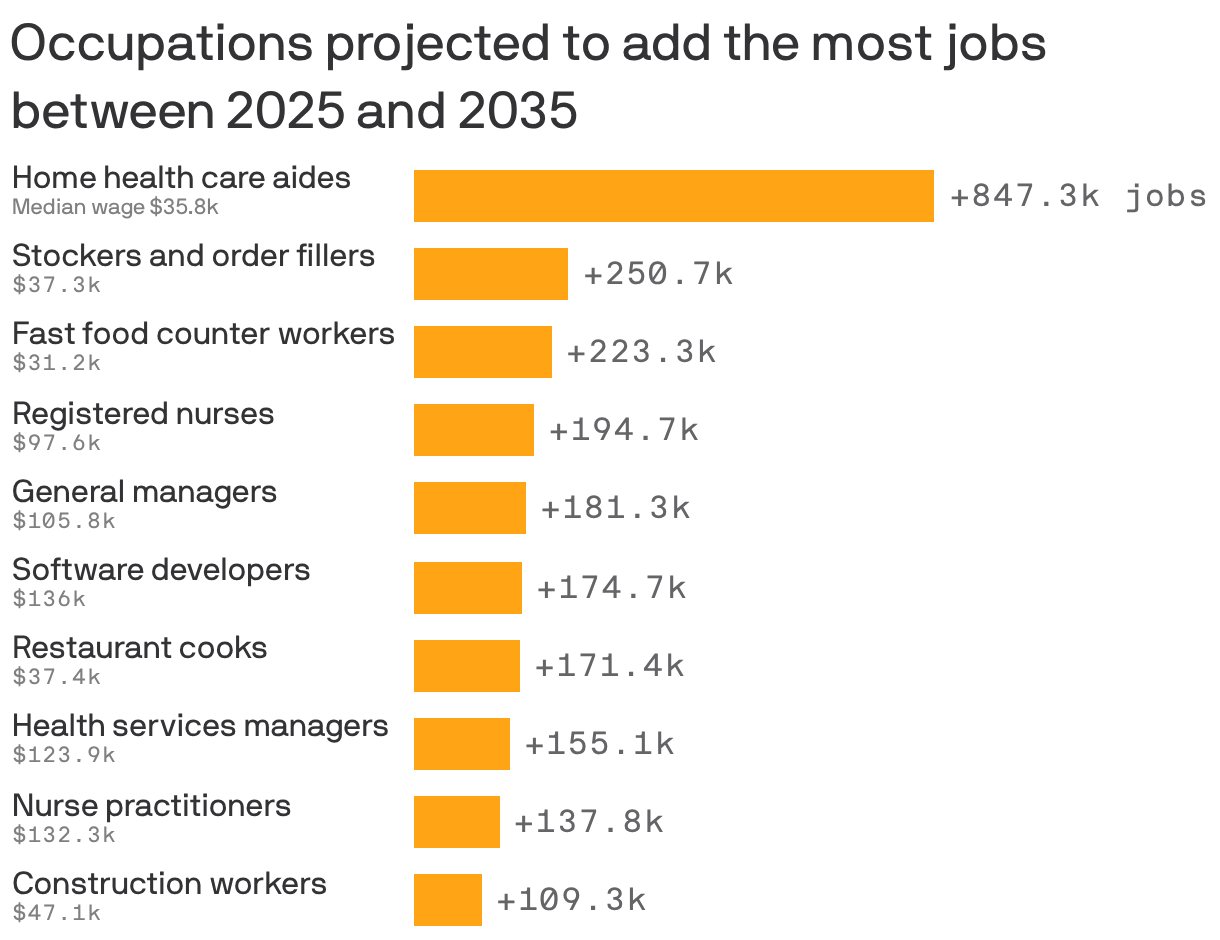
Jobs in health care and social assistance are projected to see the most growth over the next decade, according to a report out Thursday from the Bureau of Labor Statistics.
Why it matters: The explosive growth in these sectors comes courtesy of the changing fabric of the country — an aging population that needs more care.
Those demographics are also a reason job growth overall is projected to slow over the next decade.
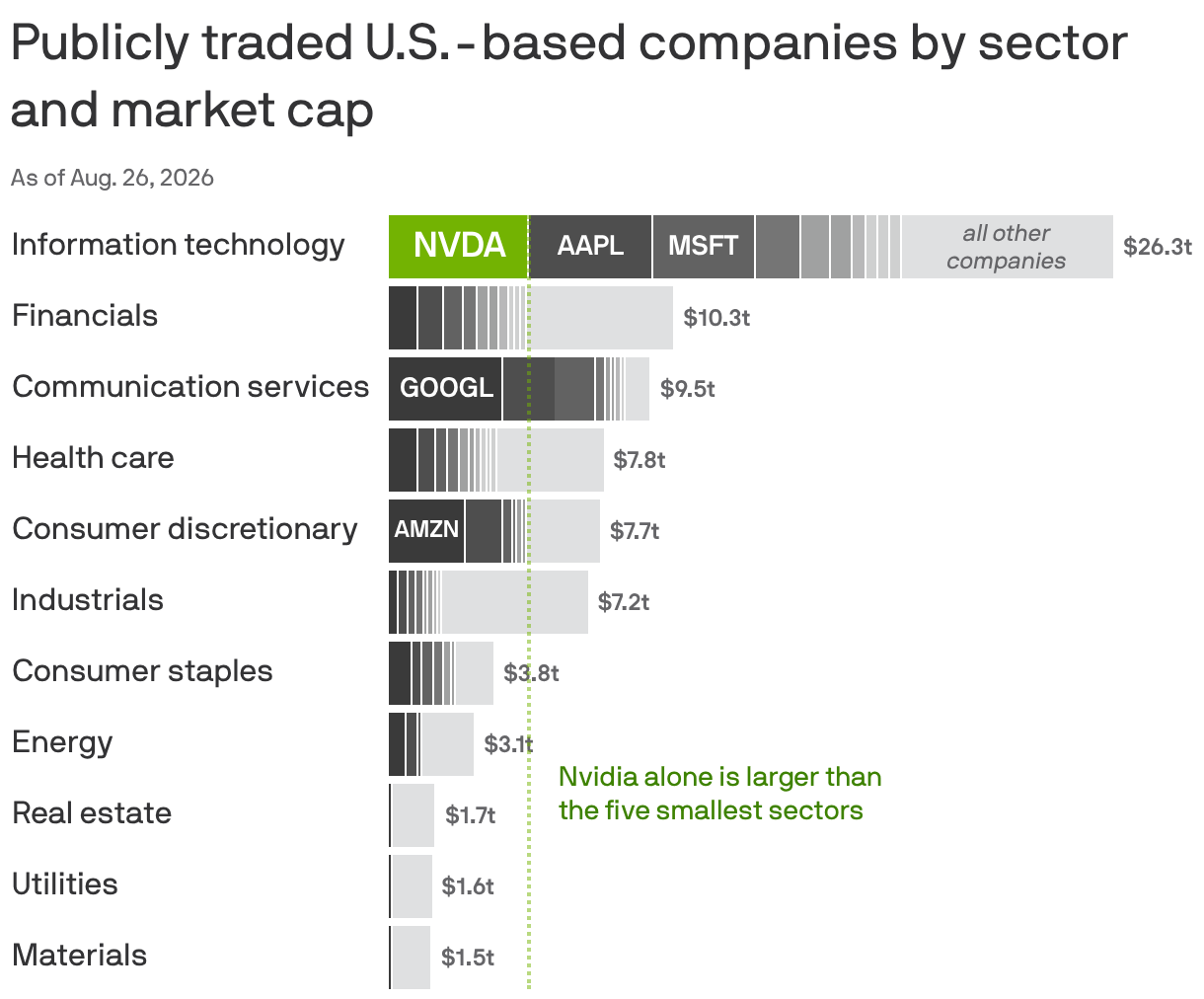
Data: S&P Capital IQ Pro; Chart: Erin Davis/Axios Visuals
Nvidia made billions selling AI's essential ingredient: chips.
Now it's plowing those riches straight back into the AI ecosystem, betting on a buildout that craves ever more compute.
Why it matters: Nvidia has become the AI industry's supplier, banker and kingmaker, feeding a self-reinforcing cycle in which chip profits finance the next wave of chip demand.
Europe's landmark AI law has moved from an idea to enforcement.
Why it matters: Brussels will soon learn whether it can turn its sweeping AI rulebook into regulation that companies can actually follow — and if it can become a global benchmark for AI standards.
A federal judge on Thursday struck down the Pentagon's blacklisting of Anthropic as a supply-chain risk, ruling that the government's actions violated Anthropic's constitutional rights.
Why it matters: The ruling marks a major legal victory for Anthropic in its months-long fight with the Trump administration over how the military can use its AI models.
OpenAI, Anthropic, Amazon Web Services, Microsoft and more than 100 other companies warned Thursday that the organizations now only have months to prepare for AI-enabled cyberattacks.
Why it matters: Hospitals, water treatment plants and other critical infrastructure will face a swarm of hacking threats as AI makes sophisticated cyber capabilities cheaper and more accessible to attackers, the group write in an open letter.
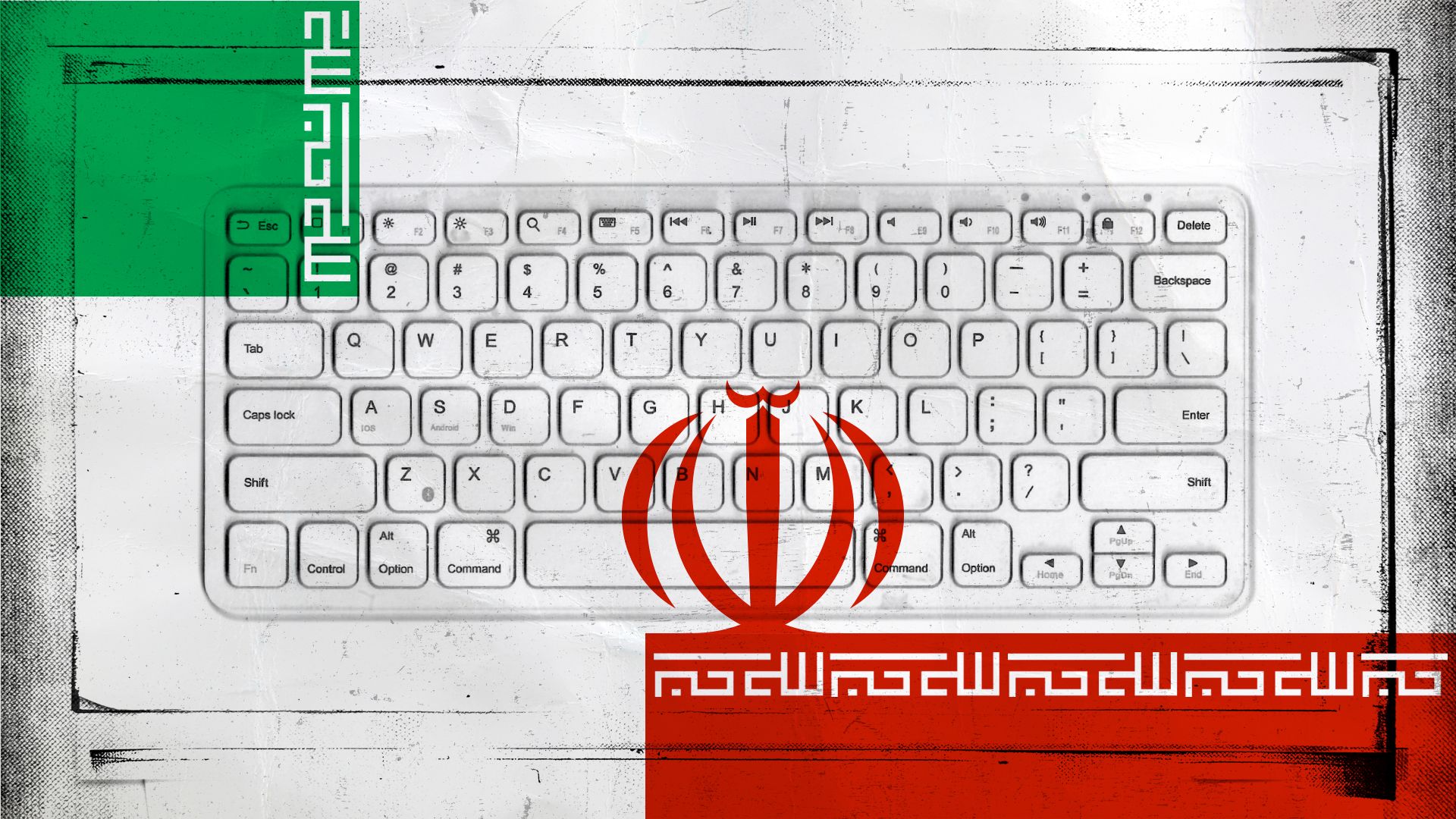
Meta removed a network of Facebook and Instagram accounts tied to an Iran-based operation that used AI to target U.S. audiences with posts about American politics, the company first shared with Axios.
Why it matters: The operation attracted thousands of followers and included accounts posing as everyday Americans to appear more authentic.
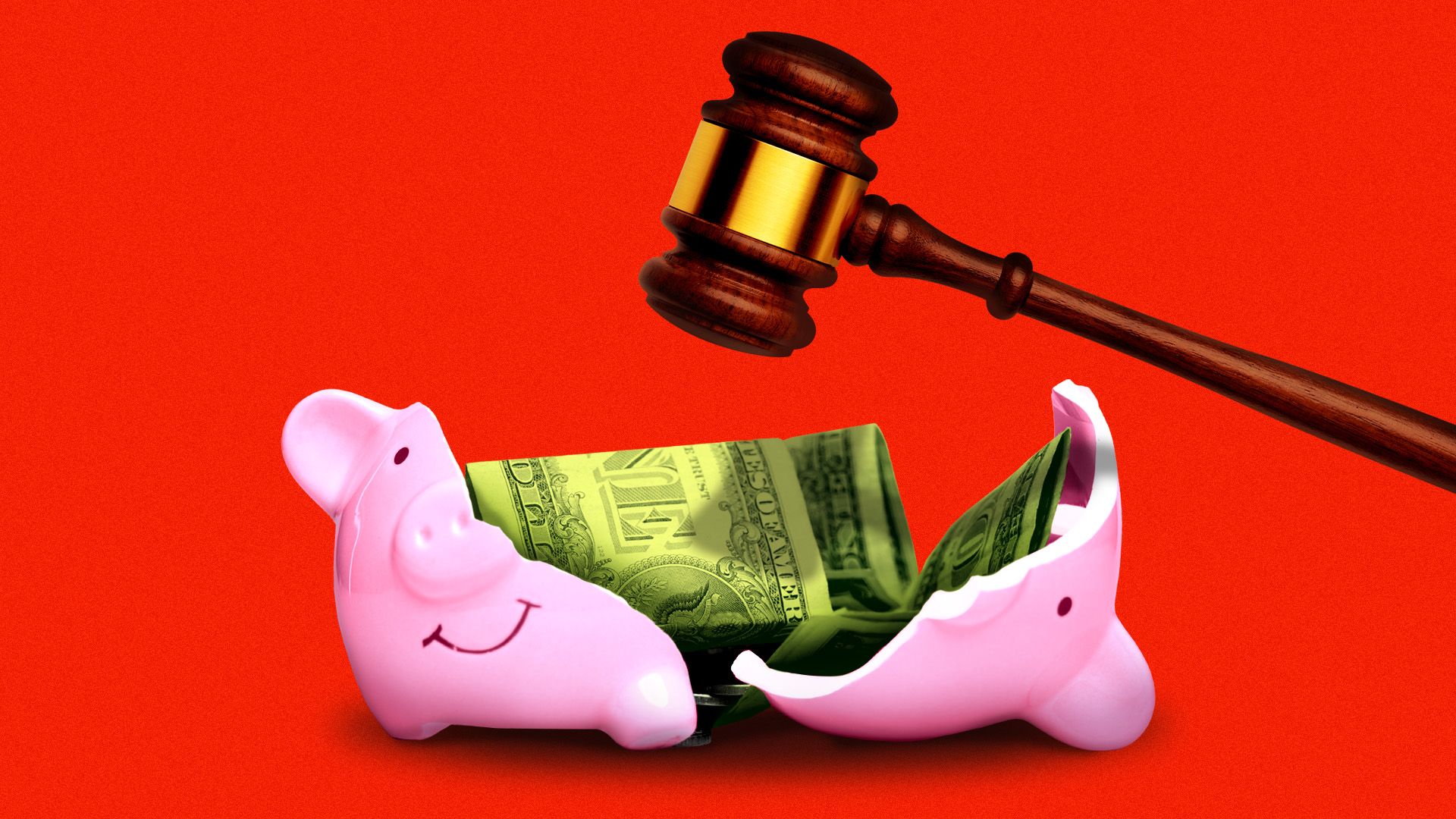
Private equity giant KKR has agreed to a $250 million settlement with the U.S. Justice Department, over its alleged failure to file proper pre-merger notifications on over a dozen deals in 2021 and 2022.
Why it matters: This is the largest civil penalty ever for HSR Act violations.
After burning through its IT budget in the first quarter of the year, Uber has now stabilized its AI bills even as usage surges, the company tells Axios.
Why it matters: It's the latest example of enterprises finding creative ways to increase AI use without their bills ballooning.
To paraphrase Justin Timberlake in his iconic turn in the 2010 film "The Social Network," a trillion dollars isn't cool. You know what is? $3 trillion.
The big picture: That's roughly how much money seven Big Tech companies, including Google, Microsoft and Nvidia, have committed to spending on AI-related infrastructure in off-balance-sheet commitments, according to a new analysis from Morgan Stanley.
And that's on top of the estimated $770 billion in debt and lease obligations that are on the balance sheets.
Commerce Secretary Howard Lutnick will hold fireside chats with OpenAI CEO Sam Altman and Nvidia CEO Jensen Huang next week during the U.S.-led G20 Innovation Ministerial in Chapel Hill, North Carolina.
Why it matters: The Sept. 1–2 summit, co-hosted by the Commerce Department and the White House Office of Science and Technology Policy, is aimed at fostering global innovation in AI and other technologies.
AI behemoth Nvidia reported blowout earnings Wednesday — exceeding Wall Street's expectations — and even jaded investors who had grown a bit immune to the company's stratospheric growth over the past year seemed to like it.
Why it matters: The chipmaker's earnings are viewed as a barometer of the overall health of the AI trade.
Hugging Face on Thursday announced "Microduck," a small, armless robot capable of waddling adorably and picking up small objects with an articulated beak that doubles as a gripper.
Why it matters: The move is an effort to put a friendly, approachable face on a robotics field dominated by attack dogs and humanoids.
Meta's landmark social media settlement marks the latest milestone in a decade-long unwinding of Big Tech's once-unfettered freedom to operate.
Why it matters: The AI industry is watching closely. Its historic expansion, already fraught with job risks and public anxiety, depends on building thousands of power-hungry data centers in communities where opposition is rising fast.
Meta's historic settlement with 51 U.S. state and territory attorneys general represents one of the largest government penalties ever levied on a Big Tech firm anywhere.
Why it matters: For the first time, U.S. officials — at least at the state level —have proven they are as serious about policing Big Tech as their European counterparts.