Anthropic raised $65 billion in a Series H funding round, valuing the AI lab at $965 billion post-money, in one of the largest private funding rounds in tech history.
Why it matters: With the round, Anthropic leapfrogs OpenAI, which was most recently valued at $730 billion.
Anthropic released Claude Opus 4.8 Thursday, an upgrade to its flagship AI model with better coding and knowledge work skills, all for the same price as its prior version.
Why it matters: The new model still lags the performance of Mythos, Anthropic's most advanced, but the company says Mythos-class models are expected "in the coming weeks."
Founders Fund was one of the earliest investors in SpaceX, investing $20 million in 2008. It kept backing the company, with a stake that could be worth more than $60 billion.
Scott Nolan was an early SpaceX employee who later became a Founders Fund partner. Axios spent some time speaking with him ahead of what's expected to be the largest IPO ever.
What follows is lightly edited for clarity and length.
Groq is raising up to $650 million from existing investors, after the AI chipmaker previously signed a $20 billion licensing deal with Nvidia that saw much of its senior team depart, Axios has learned.
Why it matters: Groq is one of the biggest AI wins so far for venture capitalists, and those same investors now get a second bite at the apple.
An increasing share of regular folks in South Korea are going all in on the country's stock market — borrowing money so as not to miss out on the AI-fueled stock boom there.
Why it matters: The entire economy is now hanging on the success of a few chipmakers.
The latest: South Korea's KOSPI index, which crossed 8,000 for the first time on Tuesday, is up 207%from a year ago.
A few big, newly minted trillionaire chipmakers are behind the surge, including SK Hynix and Samsung.
The big picture: A mania for stocks has swept the country, as Bloomberg reported earlier this year.
Zoom in: And retail traders are borrowing to fuel the buying binge: Margin loans are at a record high, according to reporting earlier this month in the Korea Times.
Middle-aged and older Koreans are increasingly getting in on this — borrowing money so as not to miss out, "mirroring" younger generations but "often with larger sums at stake."
Threat level: Some of these folks are risking retirement money with leveraged bets — Korea already has a high poverty rate (40%) for older adults.
If the AI trade falters, the country's entire economy is on the line, writes Ed Yardeni at Yardeni Research.
"Asia's fourth‑largest economy increasingly resembles a giant leveraged bet on AI."
The bottom line: What could go wrong? See our piece on how American investors are using a record amount of borrowed money to bet on stocks.
IBM is investing $5 billion and deploying more than 20,000 engineers to help secure open source software, according to an announcement shared first with Axios.
Why it matters: AI is supercharging cyberattacks, pushing companies to adopt the same technology to defend against threats.
Working-age Americans in cities are nearly twice as likely to use AI as those in rural communities, according to a new report from Microsoft, shared first with Axios.
Why it matters: The uneven spread of AI adoption could deepen existing economic opportunity gaps across the U.S., Microsoft president Brad Smith said in an interview.
Corporate leaders are starting to question whether soaring AI spending is delivering meaningful returns.
Why it matters: Companies that rushed to embrace AI are now confronting ballooning IT costs, uncertain productivity gains and growing employee skepticism.
A Google engineer is accused of using confidential company data to make $1.2 million from placing bets on Polymarket, according to a newly unsealed federal complaint.
Why it matters: The case marks another aggressive effort by federal prosecutors to police insider-information schemes tied to prediction markets.
OpenAI is announcing new partnerships to combat misinformation, offering its cybersecurity products to state officials and backing legislation ahead of elections in the U.S. and globally.
Why it matters: AI is becoming an election mainstay, with candidates, especially Republicans, using it for their campaigns as voters turn to chatbots for information.
Tina Fey, Colman Domingo and Will Forte return for more seasonal trips — and challenges in friendship and marriage — this time with the pregnant girlfriend of Steve Carell's late character in the mix.
By the numbers:Netflix says Season 1 was its most-watched English-language TV show for its first two weeks and drew 24.4 million views.
This four-part series offers a close-up look at tennis great Rafael Nadal's career. It includes interviews with Roger Federer, Novak Djokovic and John McEnroe.
Driving the news: The show arrives during the French Open, a year after Roland-Garros honored Nadal in Paris for his record 14 French Open men's singles titles.
The big picture: New research from McKinsey, the global consulting firm, estimates that it would take $2 trillion, or about 6% of U.S. GDP, to build the industrial capacity needed to replace imports of key strategic goods.
There's a new way to make a fortune, lose it all or end up somewhere in between — and it can happen while you're sleeping, exercising, eating or just spacing out.
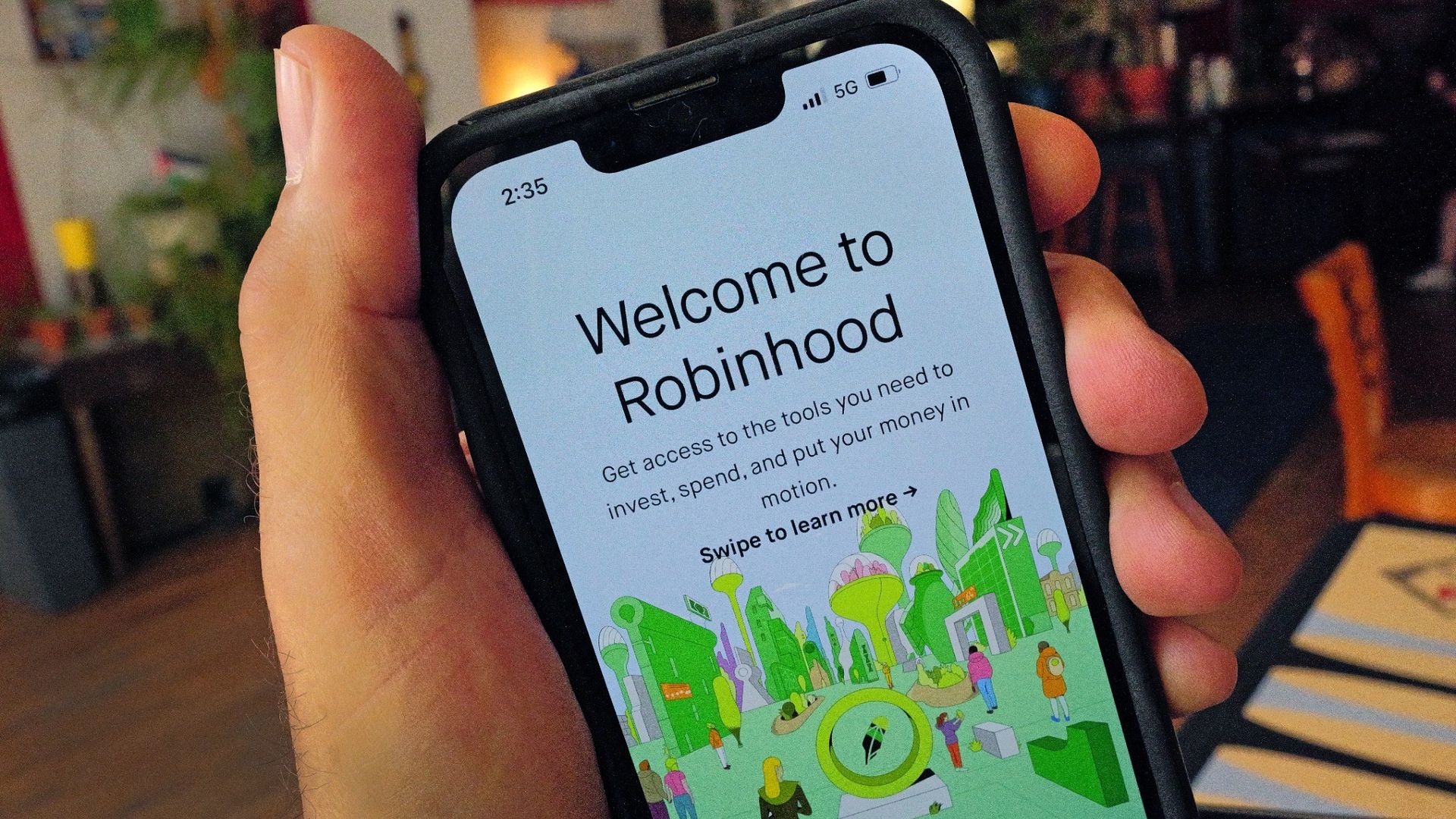
Robinhood announced today that it'll allow users to let AI make stock trades and credit card purchases on their behalf.
Why it matters: The rise of AI agents — which can perform tasks on their own that humans would normally do — is already rippling through industries such as software, law and sales.
Biohub, the Mark Zuckerberg and Priscilla Chan-funded institute, on Wednesday released what it says amounts to "a world model of protein biology."
Why it matters: Biohub says the system can compress years of protein research into hours or days, potentially speeding up disease research and treatment development.
South Korea plans to build and launch its first nuclear-powered submarine by the mid-2030s, a move in part meant to counter the growing arsenal of its neighbor, North Korea.
Why it matters: This massive undertaking will test the country's shipbuilding sector — often lauded in the U.S. — as well as international nonproliferation obligations.
If successful, it could reshape the security status quo in Asia. Only a handful of countries today operate nuclear-powered subs.
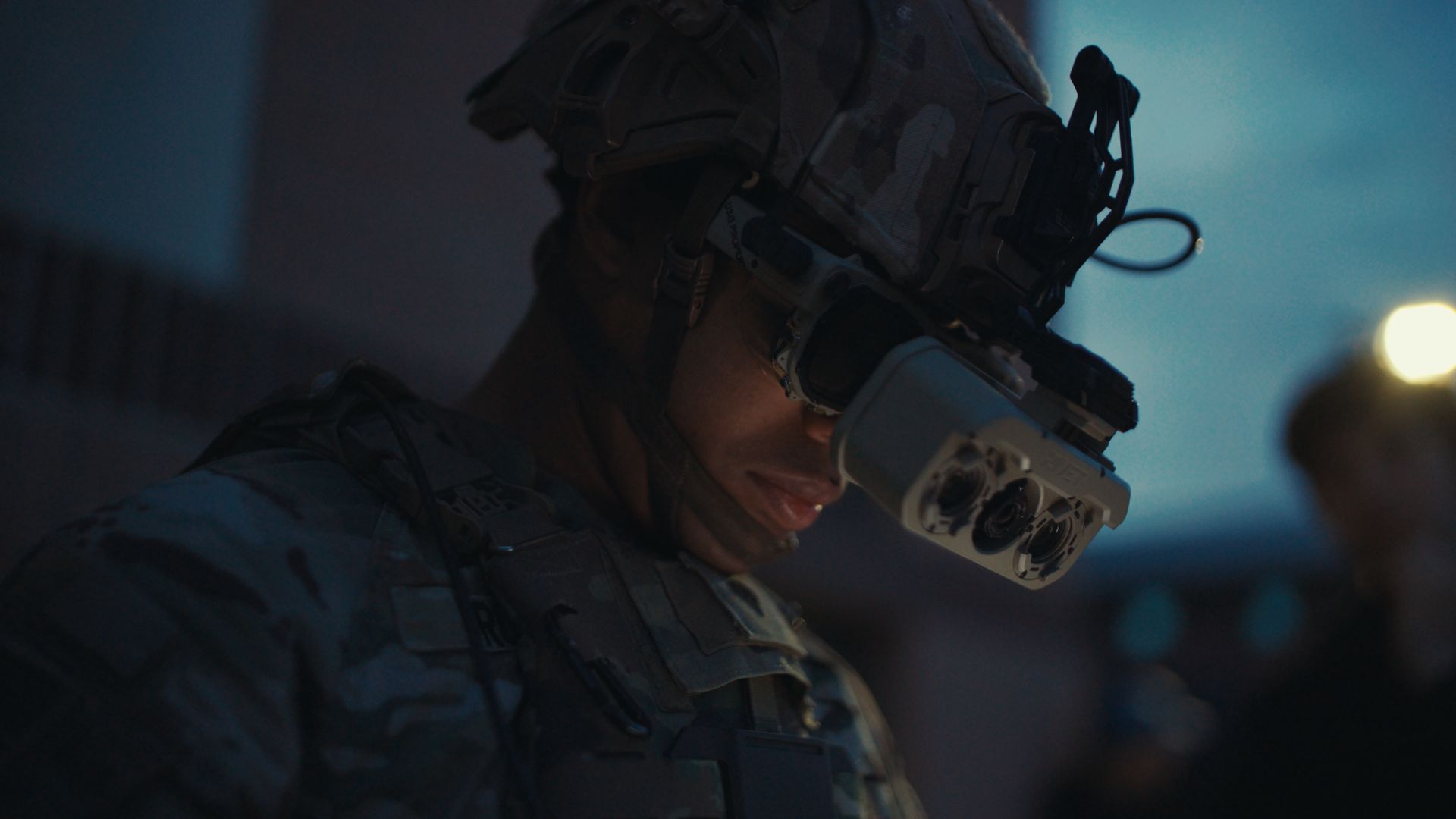
Rivet Industries has delivered 70 Soldier Borne Mission Command systems to the U.S. Army and expects to deliver hundreds more in less than a year.
The startup has also brought on retired Gen. James Mingus, a former Army vice chief of staff, as an adviser.
Why it matters: The SBMC competition, also involving Anduril Industries, is being closely watched. Its predecessor, the Integrated Visual Augmentation System, was a multibillion-dollar punching bag.
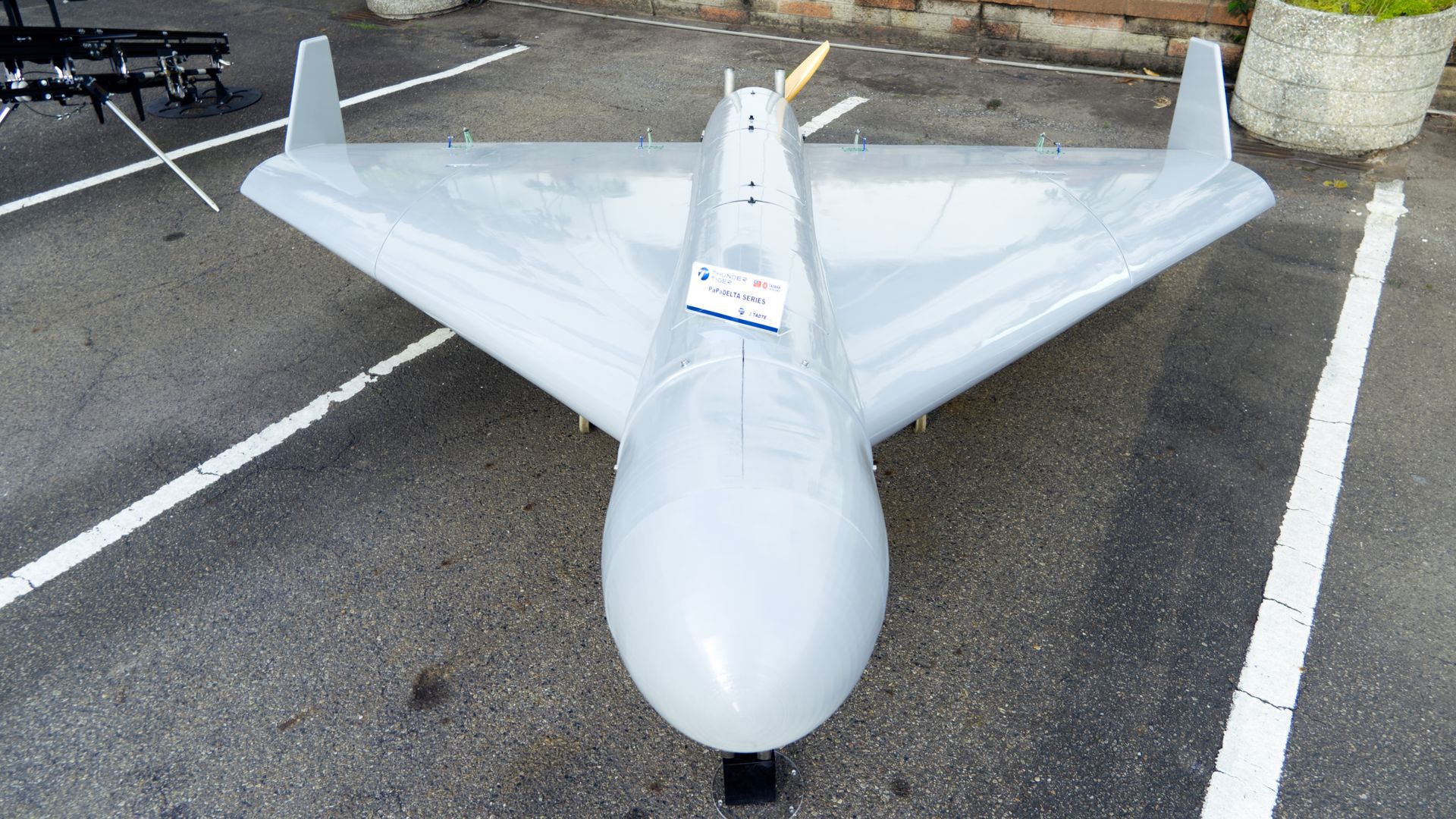
TAICHUNG, TAIWAN — Thunder Tiger Corp. is developingan attack drone dubbed Papa Delta that looks and feels like Iran's ever-popular Shahed.
Why it matters: In the quest for cheap-but-deadly weapons, a growing number of countries are adopting this delta-wing design that's been proven in combat across the Middle East and Eastern Europe.
Microsoft, Google, Amazon and Meta are teaming up with a nonprofit investor to accelerate new technologies using data centers as test cases.
Why it matters: The initiative, led by Elemental Impact, is among the clearest attempts yet to turn the massive buildout of AI infrastructure into a proving ground for new technologies rather than just a new source of emissions.
AI's most powerful CEOs are splitting into warring camps over whether their own technology will gut white-collar work or supercharge it — but the truth probably lies somewhere in the middle.
Why it matters: The two leading AI labs are trading in hype and doom, making it nearly impossible for companies, policymakers and the public to know what's coming.
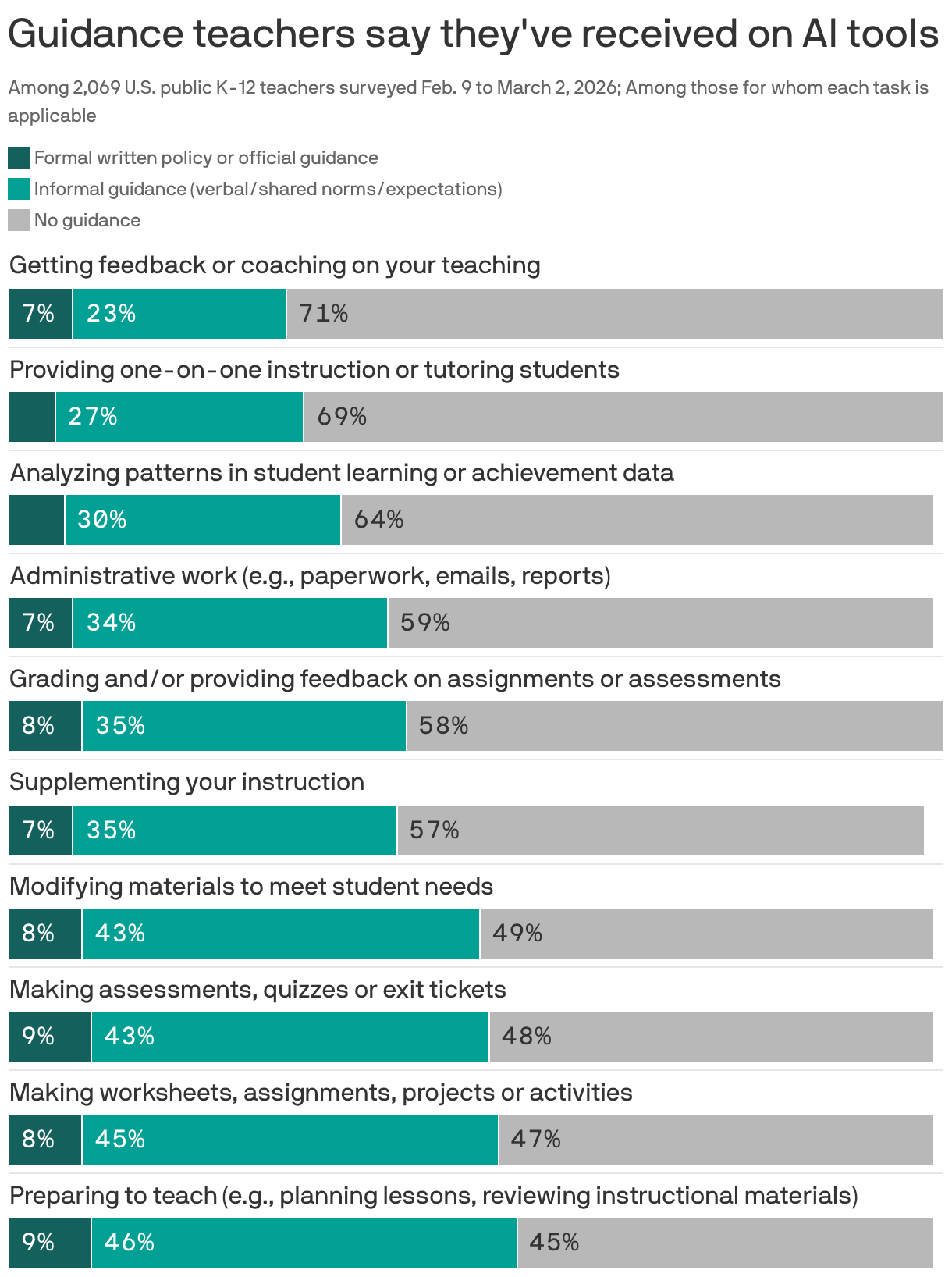
AI tools are reshaping the classroom and students' critical thinking — but school leaders are lagging on giving teachers formal guidance for using the tech, a new report shows.
The big picture: AI should amplify the best parts of the classroom and streamline work for already stressed teachers, education experts tell Axios — not create an added burden for educators or replace human connection.
No one snapped footage of my daughter Ava's first home run. I was umpiring behind the plate and couldn't ethically take out my iPhone to capture that moment in the New Mexico desert.
Why it matters: The home run doesn't exist in the cloud, but my mind recorded every detail. It will never be erased as long as I am me. That's the beauty of a memory created when we put the smartphone away.