The small bloc of Republicans who have publicly broken with President Trump on trade policy aren't the only ones thrilled about the Supreme Court overturning his global tariffs, Axios has learned.
Why it matters: Cracks in GOP support for protecting Trump's trade barriers had already grown significant by the time of the ruling, and Republicans tell Axios a "messy" full-scale revolt on the issue was just around the corner.
The Supreme Court struck down President Trump's tariffs but was silent on whether that money must be refunded — leaving the $175 billion question to an obscure trade court.
Why it matters: If you're a business — or even a consumer — hoping for some kind of tariff refund, somehow, from somewhere, prepare to wait years for any decisions to be made.
The Motion Picture Association on Friday sent a cease-and-desist letter to ByteDance, alleging the Chinese tech giant has been involved in "pervasive and widespread infringement" of its members' intellectual property, according to a copy of the letter obtained by Axios.
Why it matters: It marks the first time the MPA, which represents all of the major Hollywood studios, has sent a cease-and-desist letter to a major AI firm.
Businesses are the big winners from the Supreme Court ruling invalidating President Trump's global tariffs after a bruising year in which the duties bludgeoned bottom lines and prompted price hikes.
Why it matters: The ruling tees up a fight over corporate refunds — a potential windfall for companies that paid extra costs to import goods under the Trump tariff regime, though nothing is guaranteed.
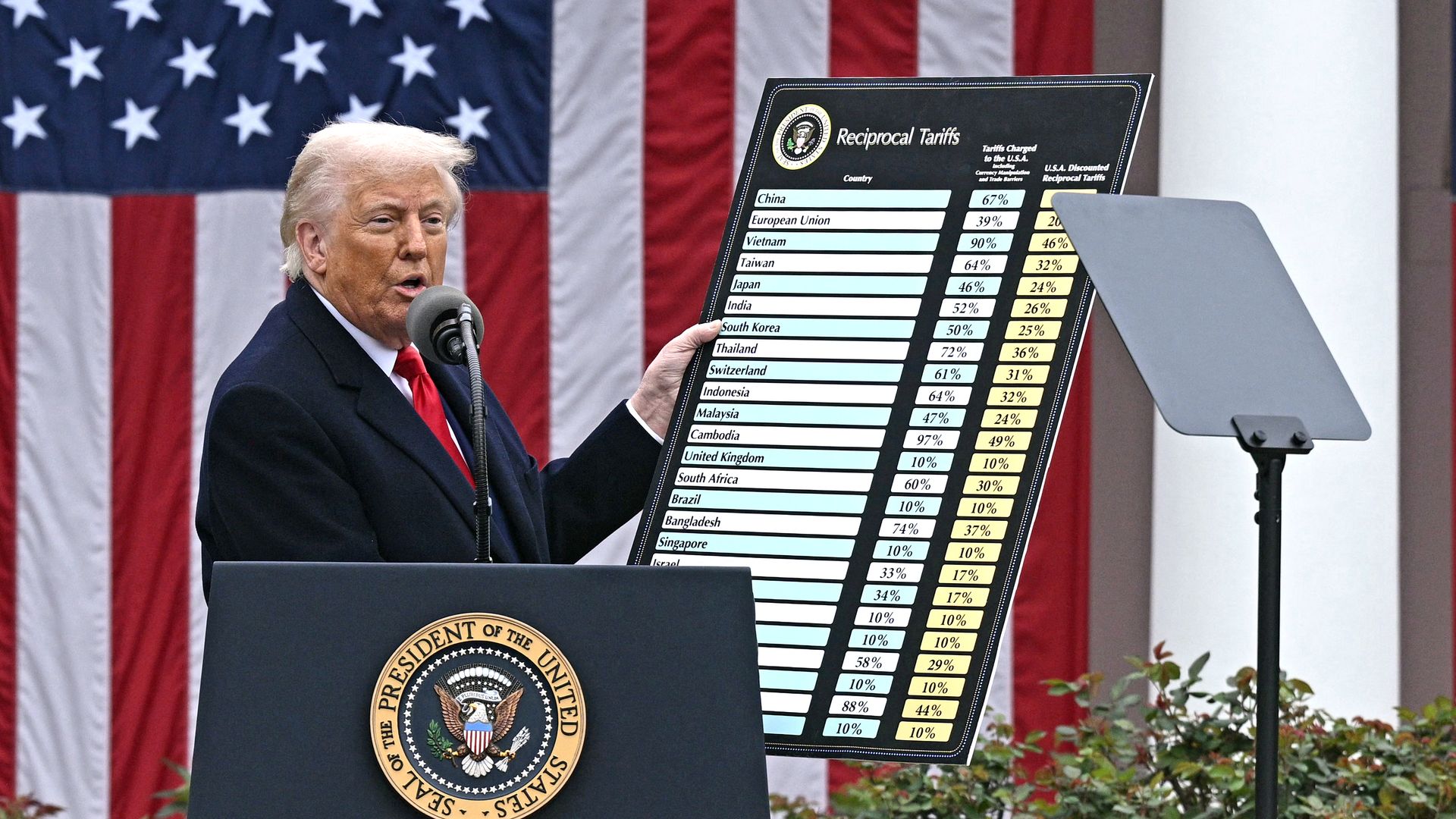
The Supreme Court struck down a suite of President Trump's tariffs on Friday, a historic blow to the administration's economic agenda.
The big picture: In a rare rebuke of Trump's power, the nation's highest court said many of the administration's tariffs were illegal. The 6-3 ruling sets a new boundary for what policies presidents can impose without congressional approval.
Yoonie Joung, president and CEO of Samsung Electronics North America, explains how the company is strengthening U.S. manufacturing and supply chains, and what that means for the technology American consumers use every day.
The U.S. economy grew at only a moderate pace in the final months of 2025, as GDP rose at a 1.4% annual rate amid a steep pullback in federal spending.
Why it matters: Growth decelerated at the end of the year in the broadest measure of economic activity, as job creation slowed sharply. But two recent drivers of growth — consumer spending and business investment — remained robust.
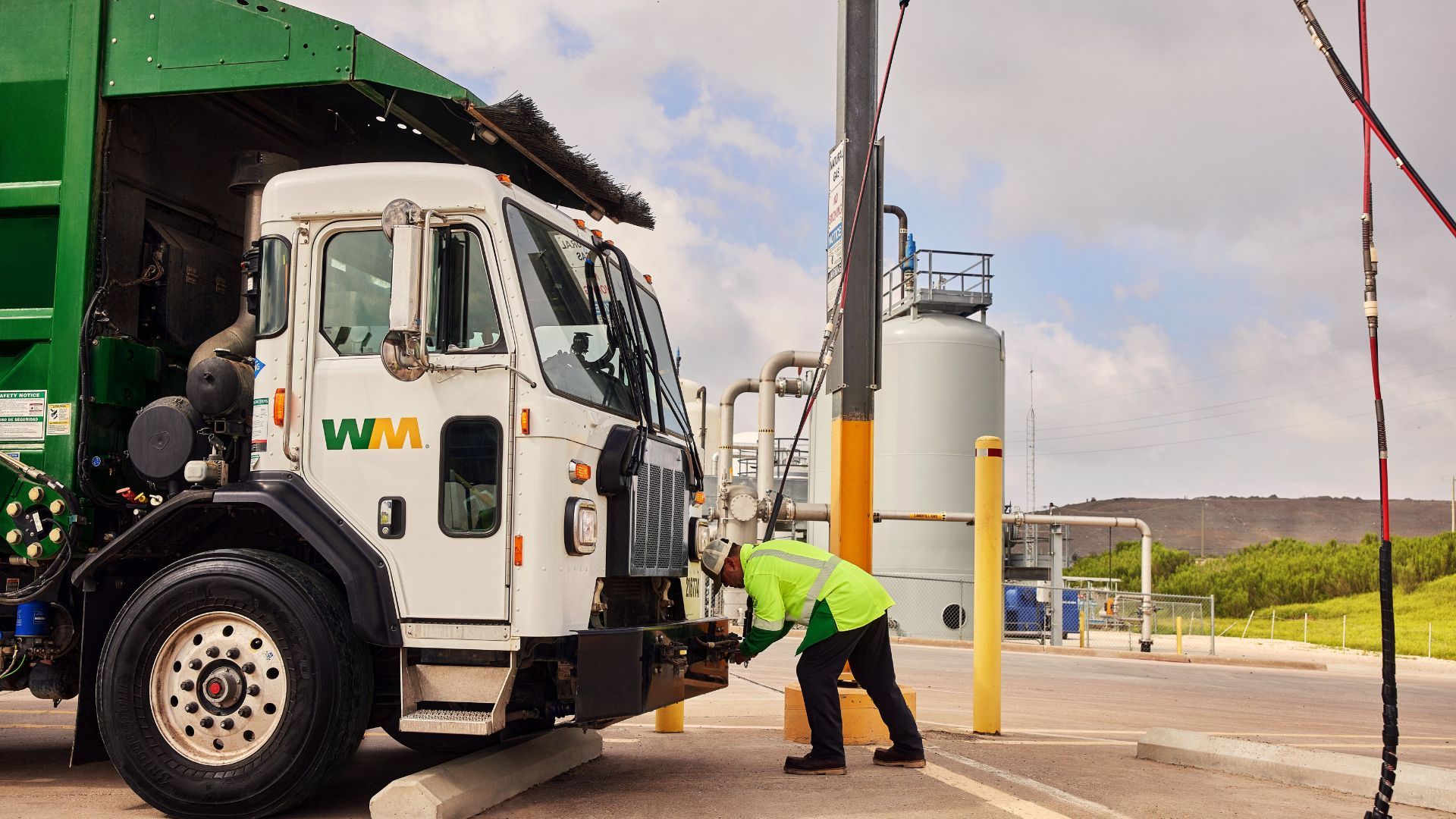
Landfill gas is finding new life as renewable natural gas (RNG), a lower-emission fuel that can be used to power homes, businesses and vehicles — and it's already being produced in significant volumes across the country.
MELBOURNE, FL — Northrop Grumman and Embraer are exploring the development of an autonomous refueling device for the KC-390 Millennium that executives say could be demonstrated in a few years.
Why it matters: It's a play that returns Northrop to the tanker game while also potentially securing Embraer, a Brazilian company, the stronger stateside foothold it's been seeking. Air-to-air refueling is critical to military operations around the world.
GM Energy plans to offer a leasing program for its home energy management system to make it easier for EV owners to power their house with their car.
Why it matters: Having a reliable source of backup power when the grid is down sounds appealing — but it requires thousands of dollars in extra hardware to enable that two-way flow of energy from the car to the home.
The challenge: AI has quickly entered the legal space — but most general-purpose tools struggle to reliably produce legal work that holds up under legal scrutiny.
Why it's important: Law firms operate at a high speed with even higher stakes. Outcomes affect lives, livelihoods and businesses.
The pricingand affordability debate is heating up, and it's likely to get even more politicized ahead of the 2026 midterms.
Why it matters: Rising costs remain a vulnerability for the Trump administration and the Republican Party, and the president can blame the "Biden economy" for only so long.
The job market looks to have firmed up. Inflation hasn't been fully vanquished. And the AI boom could have large, but highly uncertain effects on both.
The big picture: For those reasons, it's best not to take further interest rate cuts in the coming months as a given, based on the minutes of the latest Federal Reserve policy meeting released Wednesday as well as other recent remarks from top officials.
Sheila Nix, formerly chief of staff for former Vice President Kamala Harris's presidential campaign, is now the CEO of the Mobile Voting Project, the nonprofit organization shared first with Axios.
Why it matters: Nix is stepping into a high-profile role advocating for mobile voting at a time of deep polarization and mistrust around how elections are run.
A Border Patrol agent slipping on ice in Minneapolis wasn't just a meme. It became a symbol of how viral videos are reshaping public perceptions of ICE and Border Patrol.
Why it matters: The clips — agents falling on frozen pavement, failing to catch suspects and retreating in vehicles with flat tires as crowds jeer — are being used online to question the training, preparedness and legitimacy of federal immigration enforcement amid a mass deportation plan.
AI's rise could soon make new TVs harder to find — or more expensive.
Why it matters: The AI boom is making RAM and memory chips pricier and less available. While often tied to PCs and gaming consoles, the squeeze could also delay or raise the cost of many consumer products like televisions.
This week's AI summit in India has become a showcase for U.S. tech companies announcing deals in the region.
Why it matters: The summit began as a global forum focused on AI safety. Now it's a venue for governments to strike deals with major AI companies, most of them U.S.-based.
As the Pentagon and Anthropic wage an ugly and potentially costly battle, three other leading AI labs are also negotiating with the department — and deliberating internally — about the terms under which they'll let the military use their models.
Why it matters: Defense Secretary Pete Hegseth wants to integrate AI into everything the military does more quickly and effectively than adversaries like China. He's insisting AI firms give unrestricted access to their models with no questions asked — and showing he's willing to play hardball to force their hands.
China's unrelenting efforts to catch the U.S. in AI may have claimed its first significant casualty — Hollywood.
Why it matters: Technology good enough to scare even the most seasoned filmmakers is prompting a legal fight that's only the opening salvo in a broader war over intellectual property and market dominance.