Uber's CEO says the introduction of robotaxis will be good for its business, not the death knell that some investors fear.
Why it matters: Fifteen years ago, Uber was transportation's Great Disruptor. Now the ride-hailing company itself is in danger of losing ground to competitors like Waymo and Tesla as robotaxis expand across America.
Omnicom has consolidated public relations agencies Porter Novelli with FleishmanHillard and Ketchum with Golin following its merger with IPG.
Why it matters: The restructuring underscores the accelerating consolidation across the agency world as it grapples with economic pressures, changing client expectations and AI disruption.
Warner Bros. Discovery is under new pressure this morning to switch horses from Netflix to Paramount, although it still appears to be waiting for a price sweetener.
Driving the news: Activist investor Ancora Partners disclosed around a $200 million stake and argued that the Paramount bid provides more price and regulatory certainty.
Three more Coupang investors on Wednesday joined the lawsuit against South Korea's government, arguing that it acted unlawfully against the e-commerce firm.
Why it matters: This is becoming a flashpoint in U.S.-South Korea relations, and could impact U.S. investment in South Korean companies.
Anthropic's latest models display some vulnerability to being used in "heinous crimes," including the development of chemical weapons, the company said in a new sabotage report released late Tuesday.
Why it matters: Increasingly powerful AI models also mean heightened scrutiny of the potential for disastrous behavior.
Uber is rolling out a new AI-powered assistant in Uber Eats that builds grocery carts from text or image prompts — automating a traditionally time-consuming task.
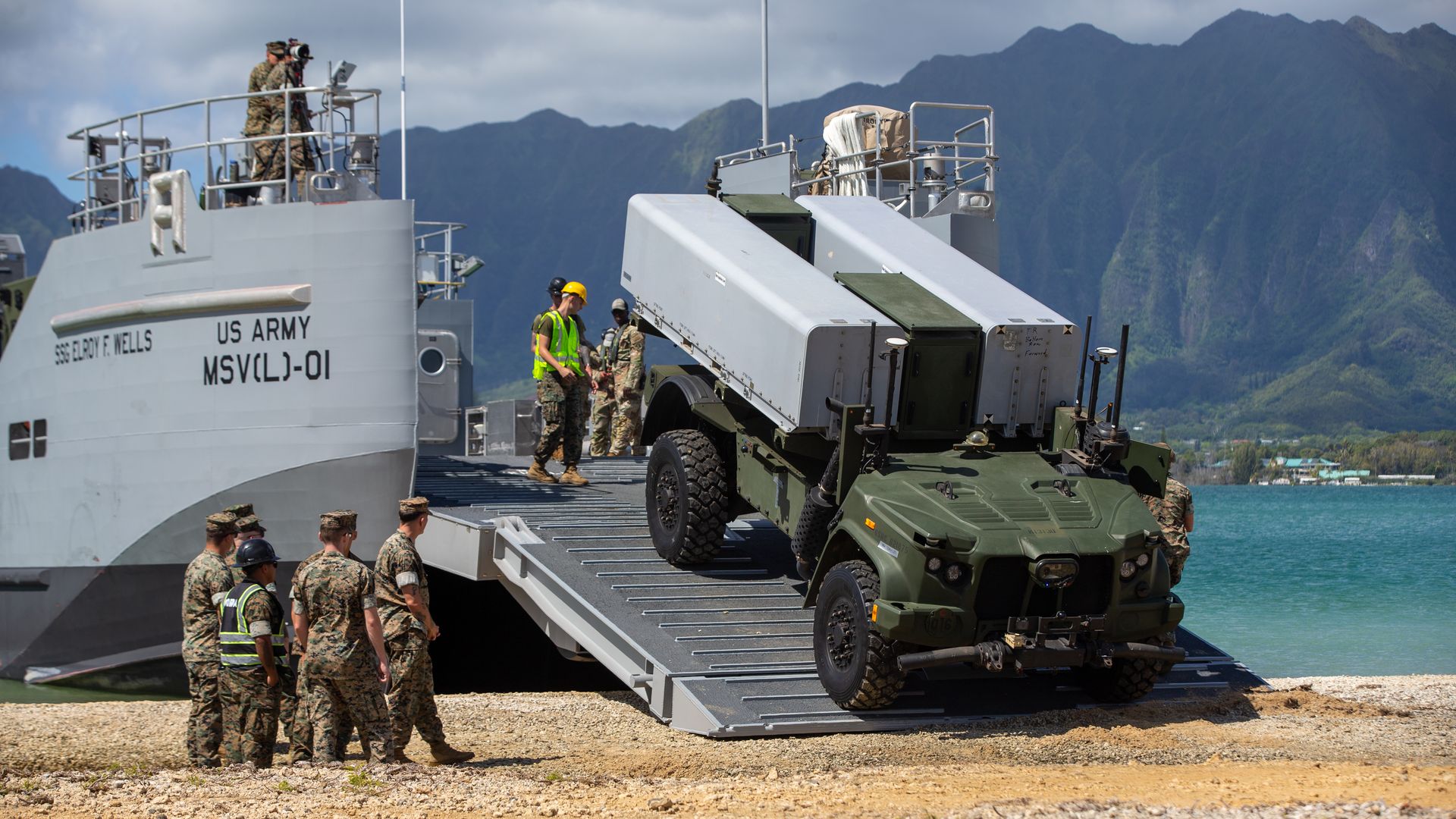
The U.S. Marine Corps tapped Kodiak AI to install its autonomy aboard the ROGUE-Fires vehicle, an integral part of a ship-sinking missile launcher known as NMESIS, among other potential setups.
Why it matters: It's another foot in the defense door for the California company, which previously worked with the Army on robotic combat vehicles and the Air Force on the flight line of the future.
"This is a clear indication of the military, in general, wanting to move toward commercially mature technologies," CEO Don Burnette told Axios.
Raytheon, a division of RTX, downed multiple drones simultaneously at a U.S. Army exercise using a Coyote Block 3 Non-Kinetic interceptor, the company told Axios.
It's stoked by the Pentagon's Drone Dominance initiative, the Joint Interagency Task Force 401, Ukraine's stunning Spiderweb operation and security concerns surrounding stateside events like the Super Bowl and World Cup.
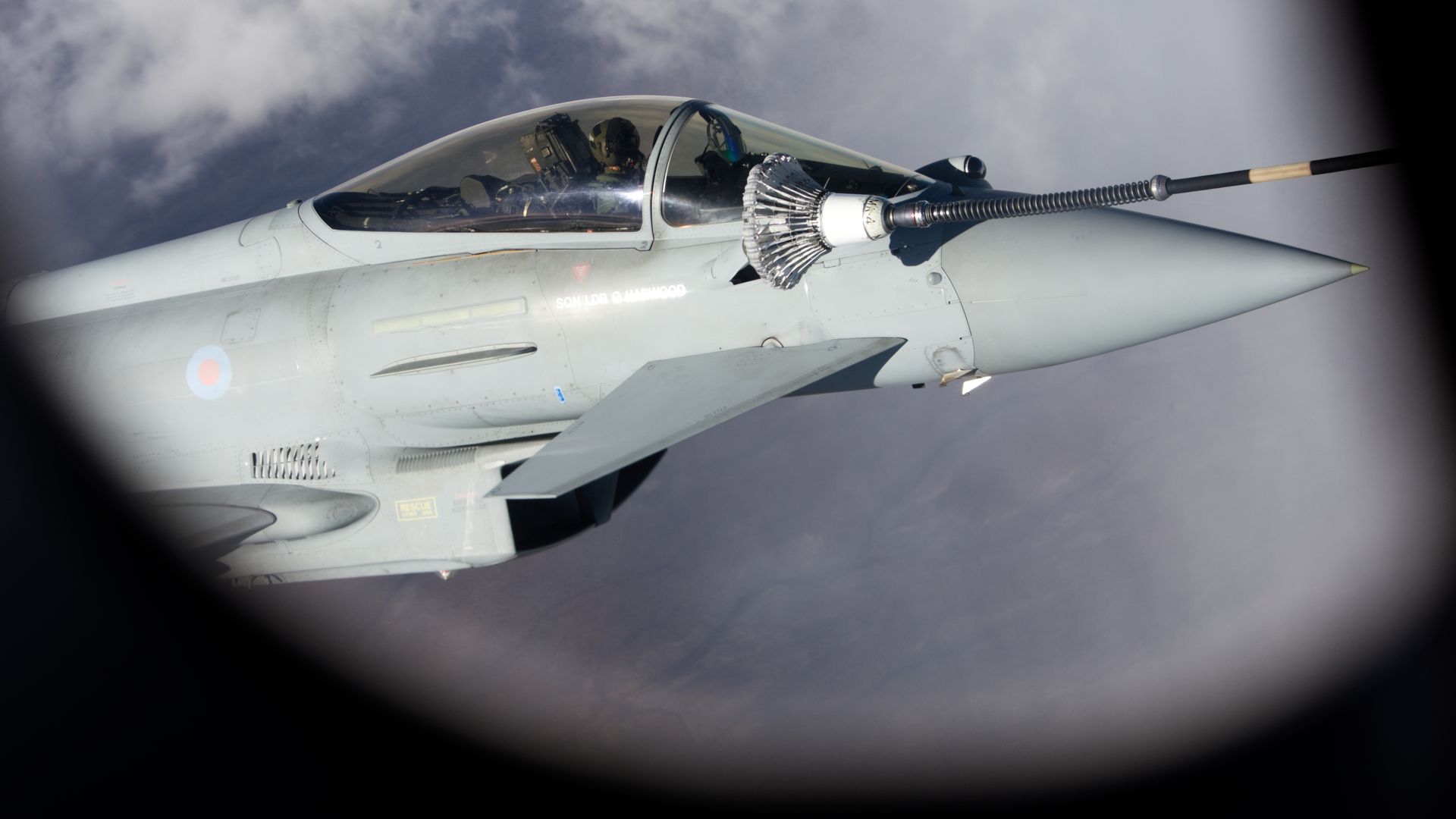
23,000 FEET ABOVE THE DESERT —The British Voyager hadsome 70 metric tons of fuel aboard as it began circling the Nevada Test and Training Range. Over the course of a few hours, it topped off Royal Air Force Typhoons and U.S. Marine Corps F-35s. An American KC-135 lingered nearby.
"We can talk to them," Master Aircrew Andy Welham-Jones said to the small group of reporters on board.
It felt no different in the cockpit, he added, to restock the different warplanes from different countries.
Why it matters: The Voyager, part transporter and part refueling tanker, and its crew were fighting in Red Flag 26-1. The exercise embroils British, Australian and American forces — including aviators, cyber and space specialists, and logisticians — in realistic but less-than-lethal combat.
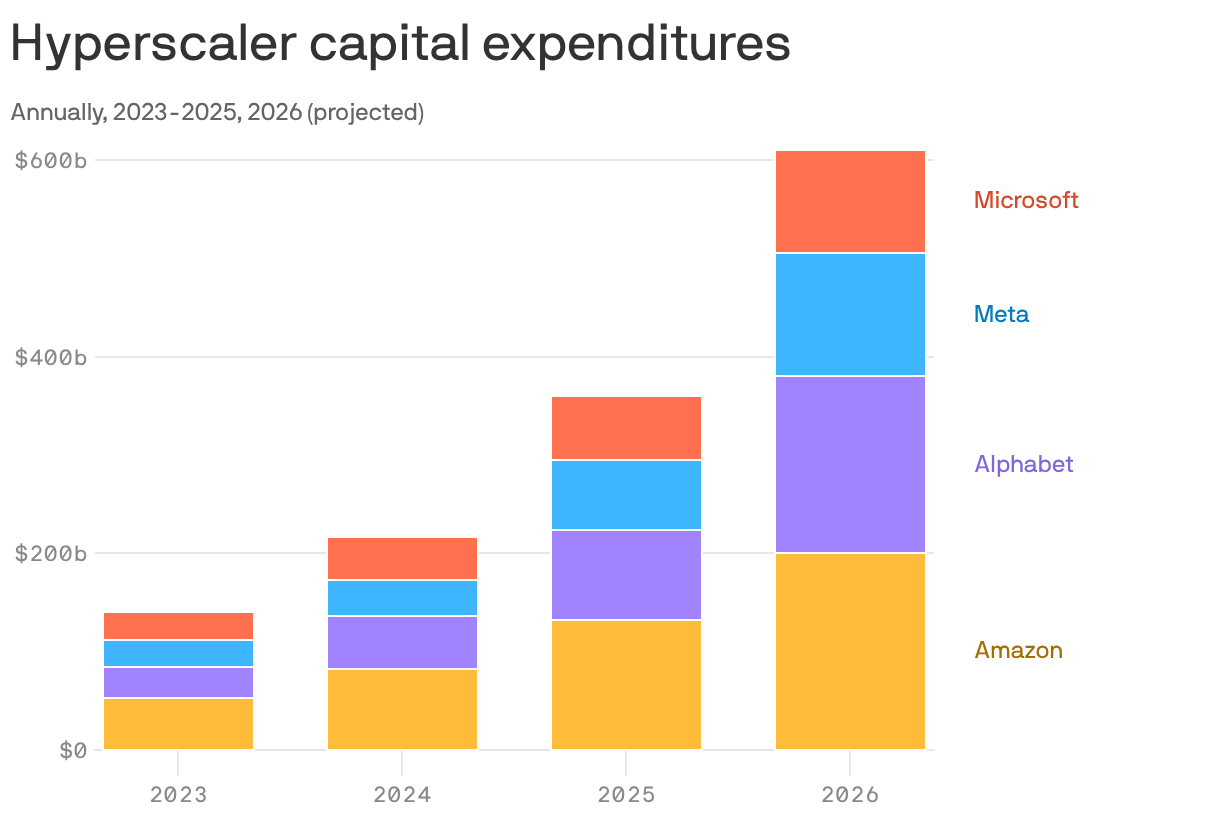
Spending by hyperscalers — the data center behemoths in the vanguard of the AI revolution — is expected to total $610 billion at the midrange of company guidance estimates, about triple the spending from just two years ago.
Why it matters: The AI buildout is getting more and more expensive.
Data: U.S. Commerce Department; Chart: Jacque Schrag/Axios
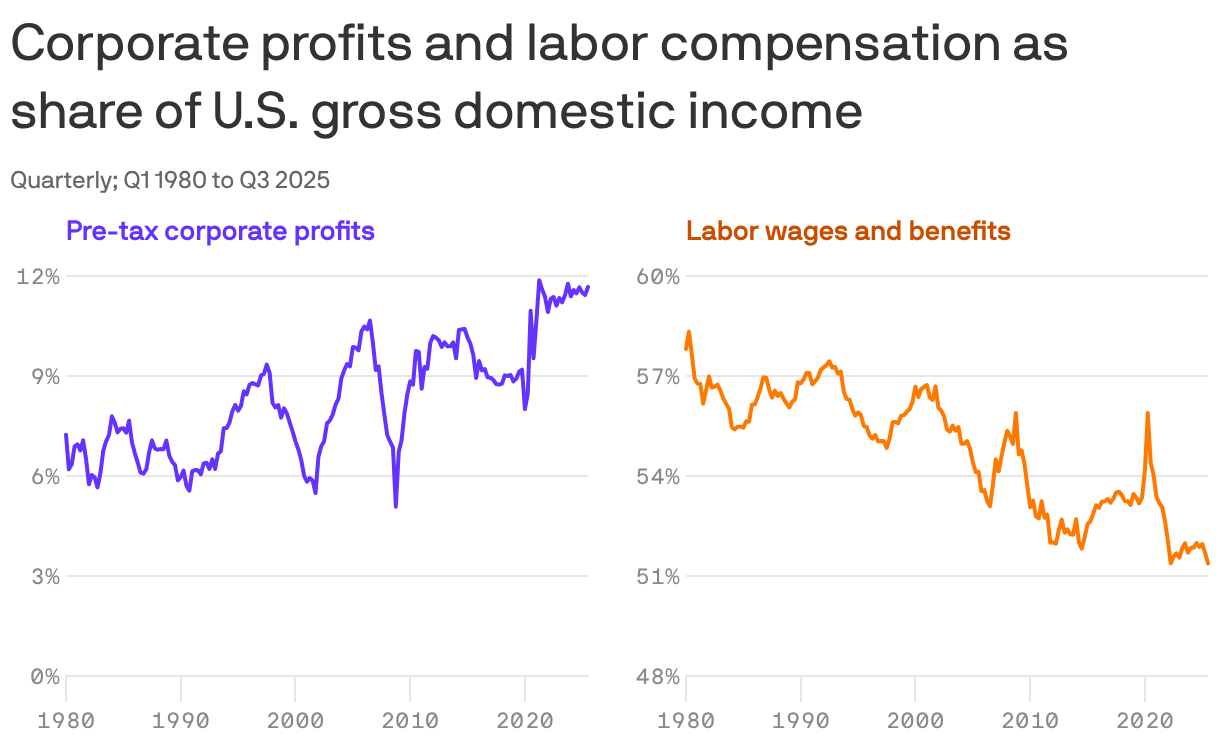
The United States is experiencing an investment boom from AI and the infrastructure that makes it possible — but much of those economic gains aren't reaching workers.
Why it matters: Job openings have become scarce and workers' wages are no longer rising that rapidly.
Drones and other tech advances are reshaping how viewers from around the world experience the Winter Olympics.
Why it matters: New camera angles can pull the audience into the athlete's perspective, making the sheer intensity and speed of events like skiing and bobsled easier to grasp.
After a near-death experience postpartum, I worried for about a year and a half whether months of complications could return at any moment. ChatGPT gave me the closure my doctors didn't.
Why it matters: As a lifelong skeptic of any shiny new gadget, I never thought a 4-year-old chatbot would explain my medical saga better than a dozen human providers.