For the first time, X tracked conversation about this year's Super Bowl ads in real time as it seeks to re-cement itself as the dominant digital town square.
Why it matters: X's advertising business took a hit following Elon Musk's takeover, and this is a buzzy way for the platform to appeal to advertisers by showing that it still generates conversation.
The fundamental problem holding back AI progress is that agents can connect, but they can't think together. Vijoy Pandey, GM and SVP of Outshift by Cisco, explains why the missing piece of AI is horizontal scaling.
The so-called SaaS-pocalypse has come for all kinds of software companies, as AI upends the "software as a service " industry, or SaaS.
Why it matters: There are signs of rising financial stress for software makers, public and private, but as we head into the week, there are some reasons to believe a di-SaaS-ter could be averted.
AI promises to make work more productive for lawyers, but there's a problem: Their clients are using it, too.
Why it matters: The rise of AI is creating new headaches for attorneys: They're worried about the fate of the billable hour, a reliable profit center for aeons, and are perturbed by clients getting bad legal advice from chatbots.
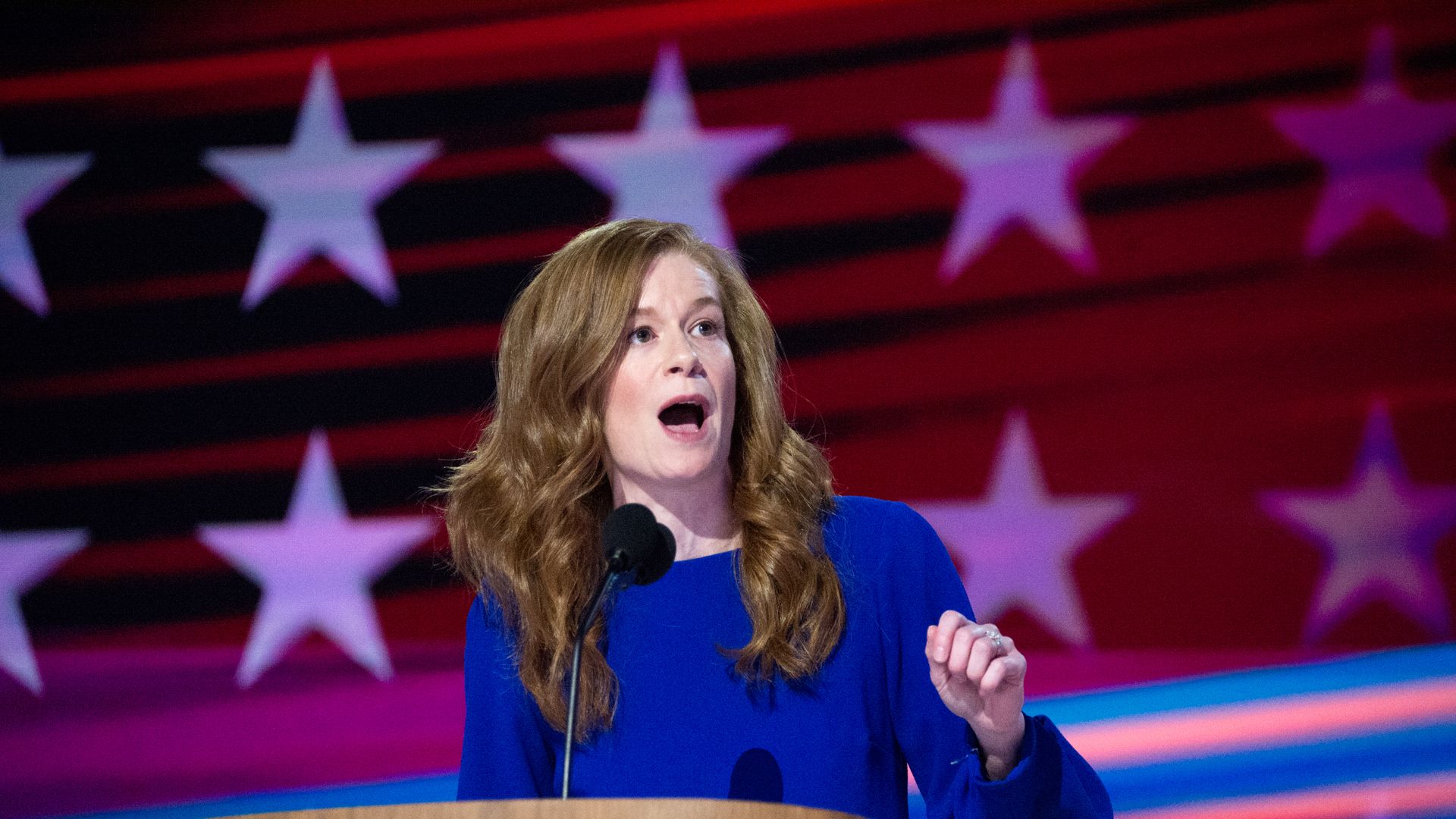
Mallory McMorrow, a Democrat running for Senate in Michigan, is laying down a marker on kids' online privacy and AI as her primary race heats up, per an exclusive interview with Axios.
Why it matters: McMorrow, a state senator who currently leads polling in the Democratic primary, is among the first Democrats running for national office this year to roll out a comprehensive plan for kids' online safety.
Trillions of dollars in value have been vaporized from global crypto markets since October, plunging an ascendant industry championed by President Trump into a new bout of turmoil.
Why it matters: Crypto joins a growing list of MAGA coalition partners — from Epstein-focused populists to farmers to Latino men — now questioning whether Trump's return to power has delivered what they were promised.
Starbucks is rolling out what appears to be one of its most wide-ranging menu updates in years — including its biggest bakery refresh ever, a core coffee addition and permanent drink launches.
Why it matters: Monday's launch comes as the Seattle-based coffee giant pivots from simplification to growth nearly a year and a half into its turnaround plan under CEO Brian Niccol.
Gambling culture is enveloping American sports, politics, media and trading, bringing betting out of the shadows and into the mainstream in a way that disturbs some and exhilarates others.
Why it matters: What was once a fringe vice is fast becoming a mass-market habit — raising urgent questions about addiction, fairness and who should regulate the business of betting on almost anything.