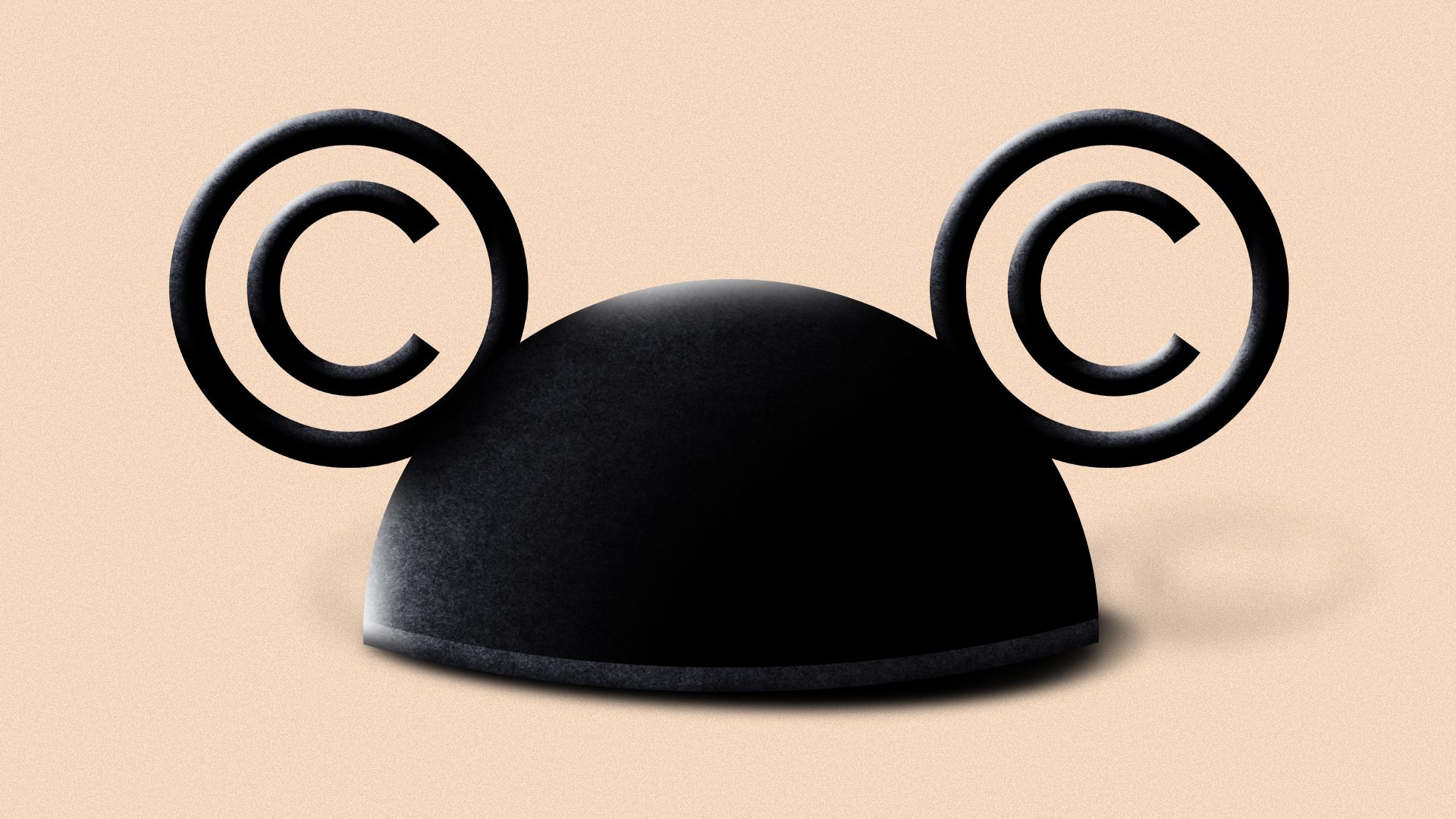
The Walt Disney Company on Friday sent a cease-and-desist letter to ByteDance, alleging the Chinese tech giant has been infringing on its works to train and develop an AI video generation model without compensation, according to a copy of the letter obtained by Axios.
Why it matters: It's the most serious action a Hollywood studio has taken so far against ByteDance since it launched Seedance 2.0 on Thursday.
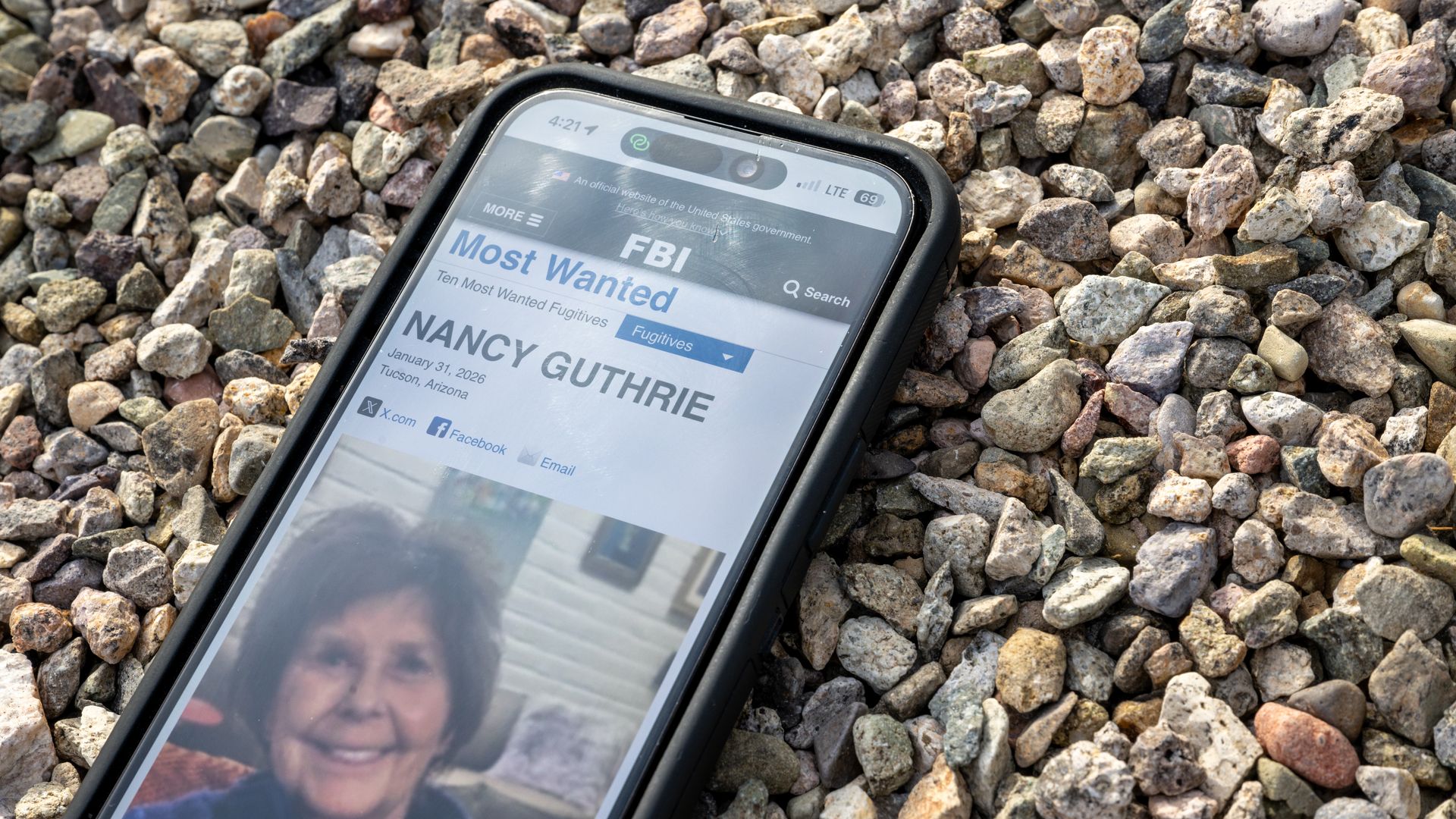
The disappearance of Nancy Guthrie, the mother of "Today" show co-host Savannah Guthrie, continues to draw national attention as the mystery extends into another week.
The big picture: The high-profile case highlights bubbling issues throughout all of America — such as tensions over surveillance tech and AI, the evolving media ecosystem and friction between federal and local law enforcement.
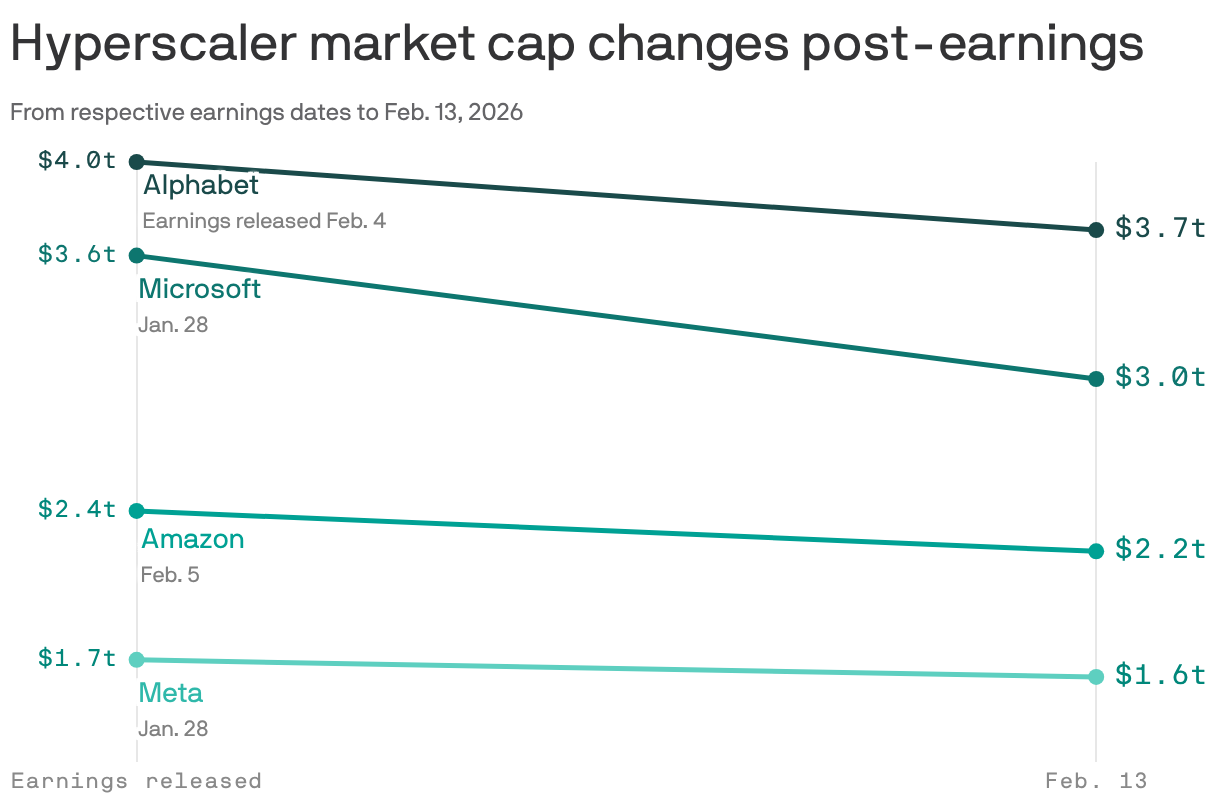
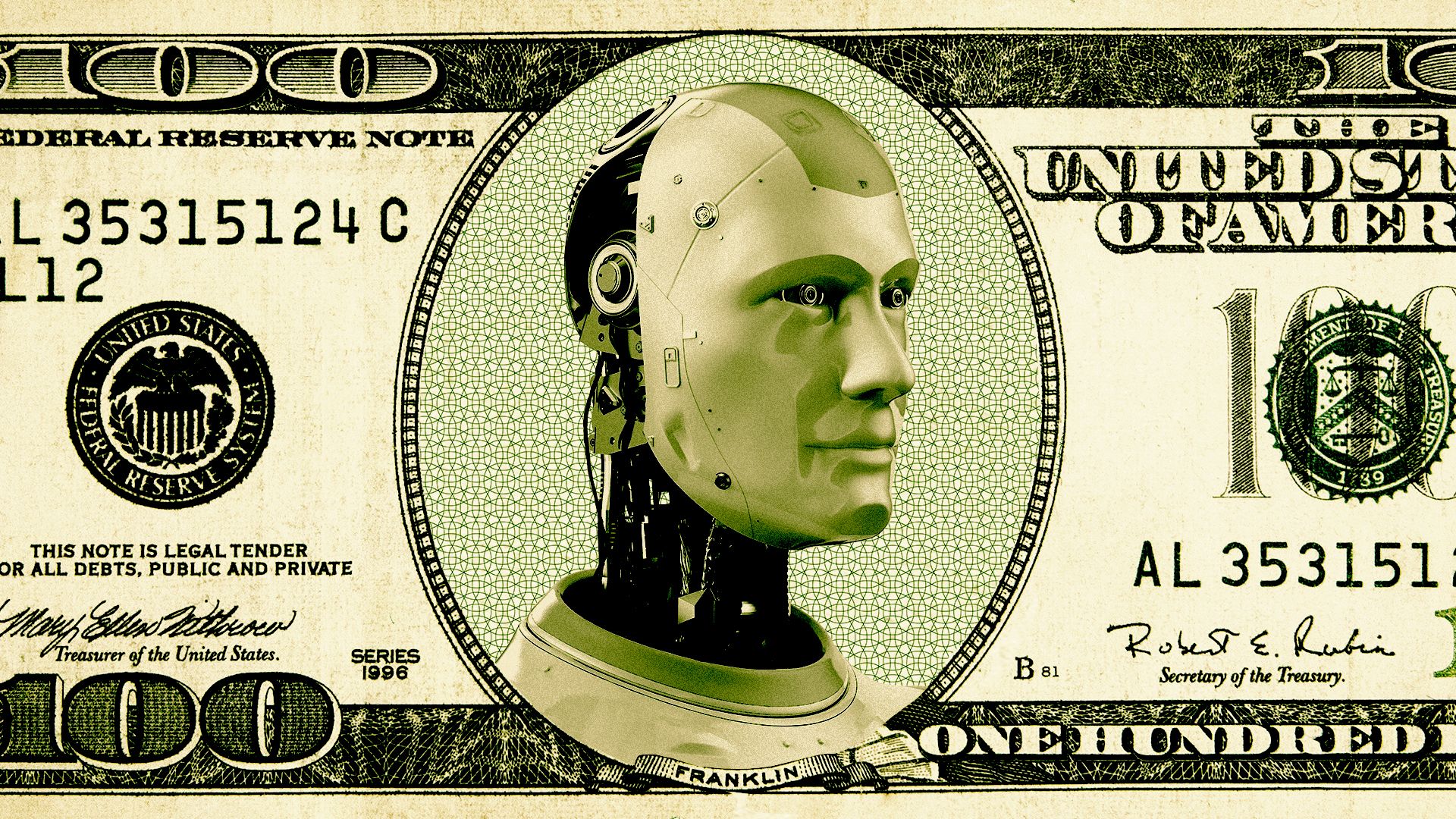
The four major hyperscalers have lost a combined $1 trillion in market cap following their latest quarter earnings releases.
The big picture: Investors are rotating out of tech as rising AI spend is fueling fears of an overbuild.
Editor's note: This story was corrected to reflect the combined loss of $1 trillion in market cap was from their latest quarter earnings (not fourth quarter earnings).
New valuation datafrom PitchBook suggests that more than one-quarter of VC-backed "unicorns" have lost their horns, even if still being marked at more than $1 billion by their venture capitalists.
Why it matters: Most limited partners aren't able to access top-decile firms. If they conclude that there are better investments elsewhere — such as passive indexes without high fees or illiquidity risk — that's where they'll go.
When Mariah Careyopined in the '90s that "love is a scam," she was being literal.
The big picture: Phone scams have grown exponentially over the past few years, with the ubiquity of "romance scams" making Valentine's Day a minefield — and the explosion of AI has only spawned more schemes to fall for while falling head over heels.
Rep. Josh Gottheimer (D-N.J.) on Friday introduced a bipartisan bill to create a federal tax credit for companies that invest in AI training for employees.
Why it matters: Lawmakers in both parties are searching for ways to boost AI competitiveness without leaving people behind, and workforce upskilling is emerging as common ground.
An AI safeguards advocacy group tied to various super PACs is calling on candidates to make clear where they stand on the technology.
Why it matters: Millions of dollars are up for grabs ahead of the midterms for the politicians that get AI right — and what that means depends on which rival super PAC you ask.
AI promises a world of possibilities — but rising device prices may put access to that future out of reach for many consumers.
The big picture: Insatiable AI demand is driving up prices for phones, PCs and game consoles as data centers soak up the memory chips those devices need.
Tech, banking, auto and cable trade groups don't want the Trump administration to change the federal framework they've been using to safely deploy AI, per a letter shared exclusively with Axios.
Why it matters: Absent federal AI legislation, companies rely on the Commerce Department-backed guidelines to use AI tools internally.
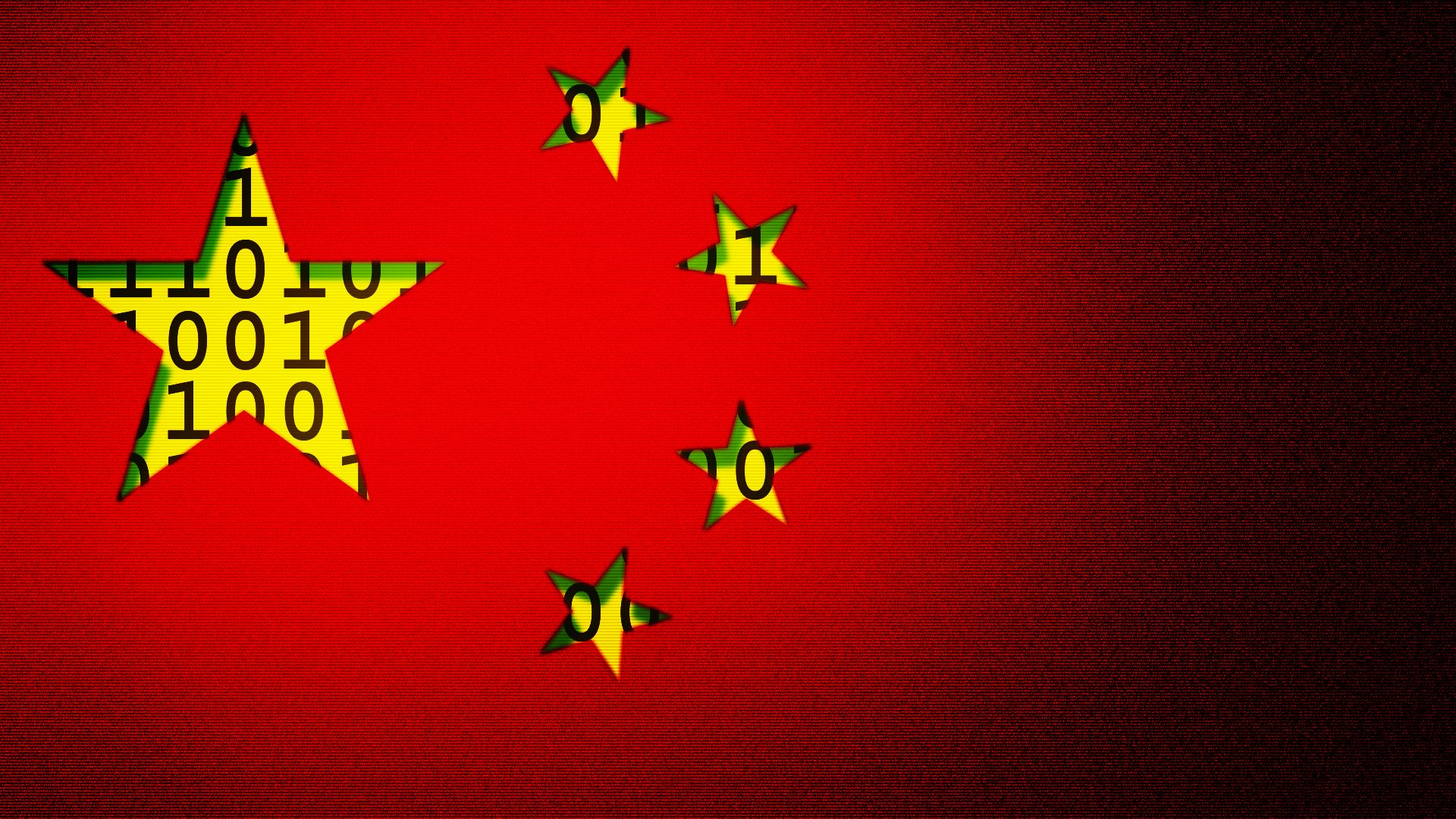
Chinese AI models that are gaining adoption around the world are spreading Beijing-friendly narratives, two reports out this week suggest.
The big picture: Models from firms like DeepSeek and Alibaba are making inroads globally, in part because they're cheaper than U.S. rivals while also highly capable.
Axios CEO Jim VandeHei is here with advice on how to use your insecurities to motivate you.
For a video version of this column (and to see what Jim looked like as a 20-year-old punk), click here.
I wasn't a fast,early adopter of AI beyond basic search on ChatGPT, Jim writes, for the same reason many of you have balked at these muscular new tools: I was insecure about my ability to use it with any sophistication.
My internal dialogue: I'm too old, too non-technical, too much of a words guy to make it work.
Classic imposter moment: Who am I to think I can do this?
Why it matters: But I used my insecurity as a powerful motivator, much like I did in my early media career when I feared everyone in D.C. was better read, better educated, better connected than I was. (Spoiler: They were!)