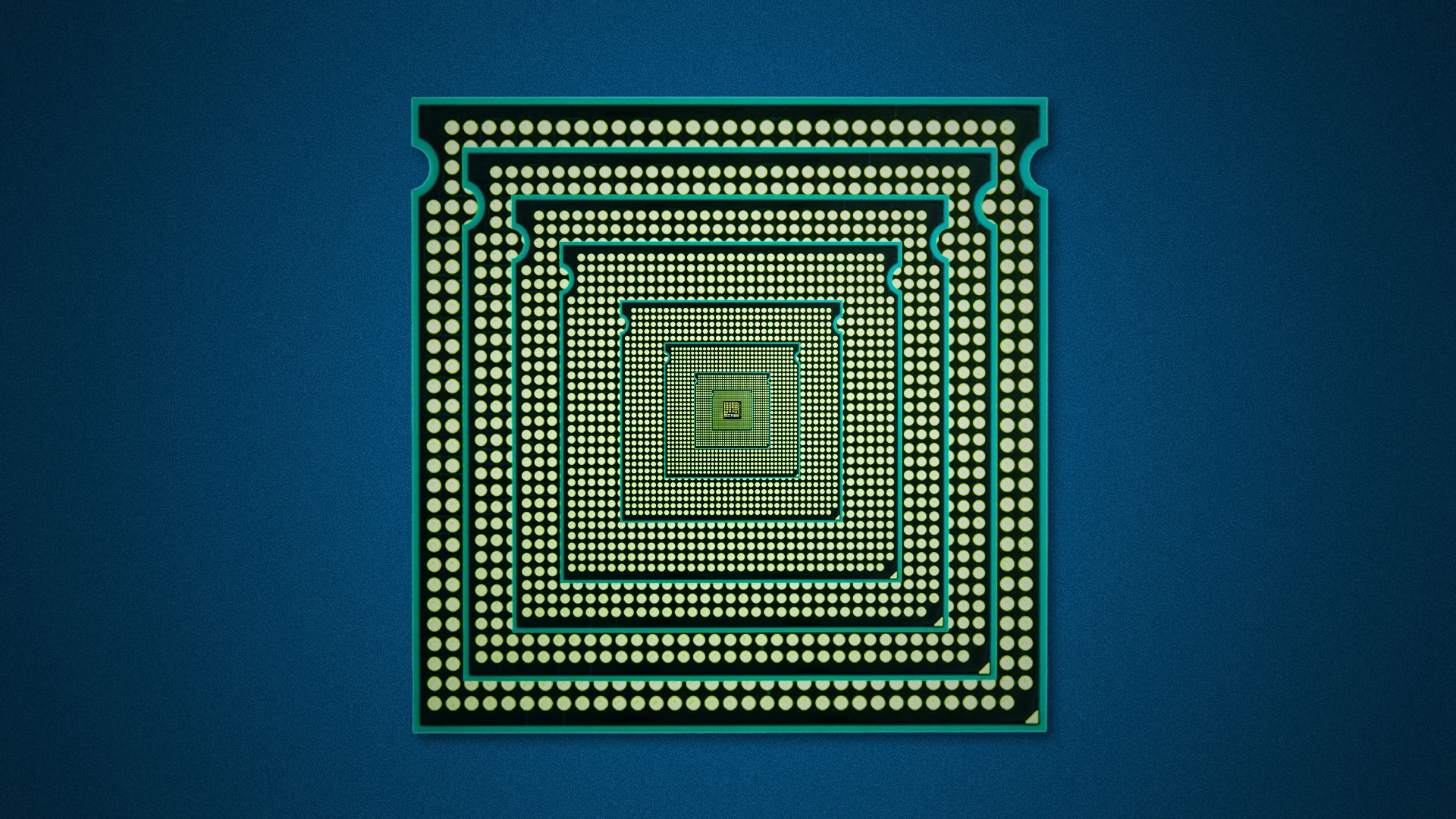
The U.S. government has been holding discussions on taking an equity stake in the chip maker Intel, Bloomberg and the Wall Street Journal reported on Thursday.
Why it matters: A deal would be another turn by the Trump administration away from laissez-faire policies and toward state capitalism, as it seeks to bolster the domestic fabrication of semiconductors.
No, there is not a "music festival" coming to the streets of Washington, D.C. — but that's what social media users want apps' algorithms to think.
Why it matters: Amid President Trump's federal crackdown in the nation's capital, internet users are tailoring their language as they organize and encourage resistance.
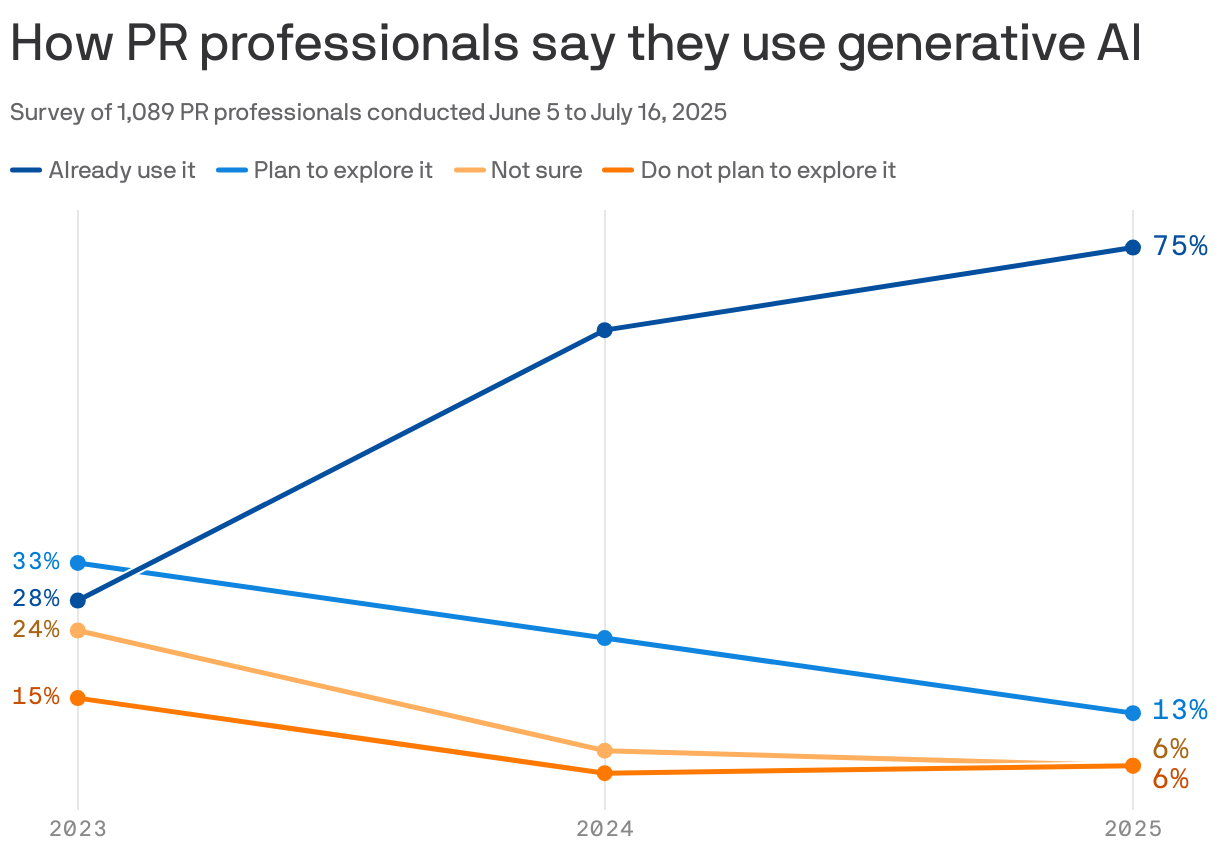
The communications function is changing at a rapid pace and those within the role are expected to serve as key advisers to the business.
Why it matters: The guidance, experience and exposure that Jane Hynes — vice president of communications at Goggle Cloud — provides has prepared her mentees for this.
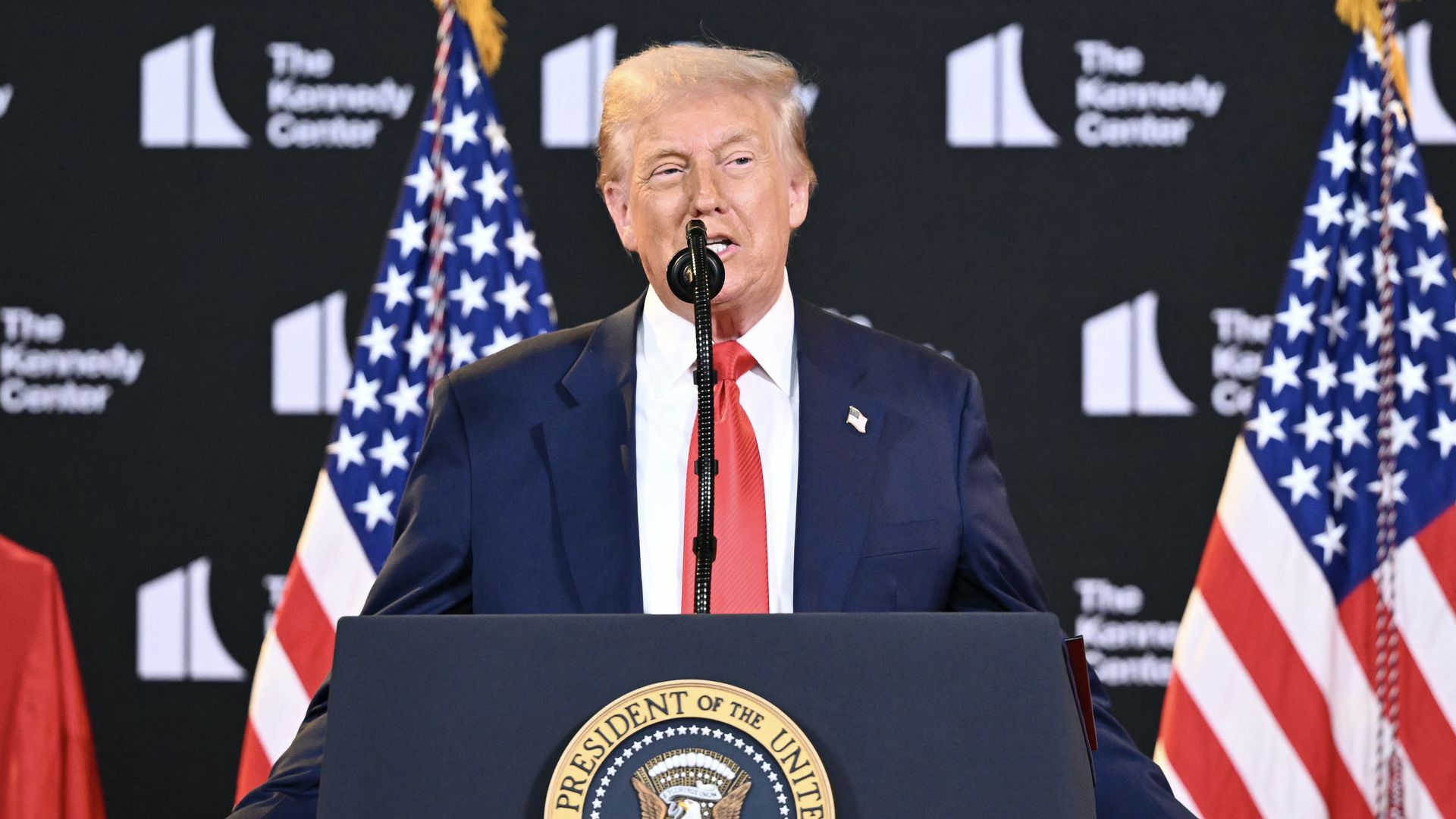
President Donald Trump downplayed the significance of Russia's reported involvement in a hack of the U.S. federal court filing system during a press conference Wednesday.
"Are you surprised?" he told a reporter. "They hack in, that's what they do. They're good at it."
Why it matters: These are Trump's first comments about the recently reported cyberattack, and they come ahead of Trump's scheduled meeting with Russian President Vladimir Putin on Friday.
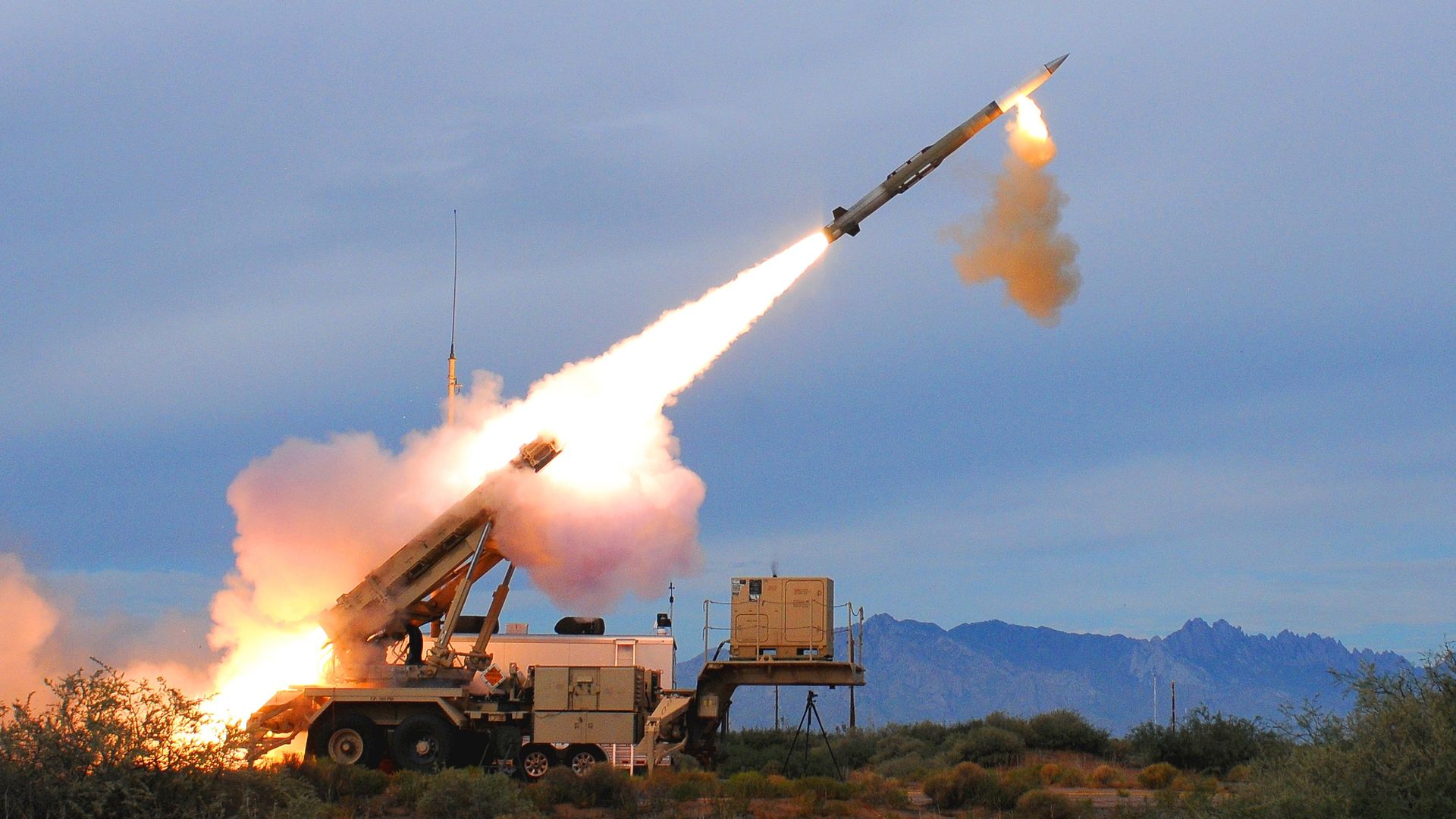
Boeing is exploring new technologies and production efficiencies for the Patriot missile seekers it builds, as global demand for the pricey interceptors skyrockets.
Why it matters: Changes in the formula could reduce costs or boost output. But finding the right mix — and not undercutting performance — is tricky.
There's a chip factory tucked between Baltimore city limits and BWI Airport. For something so high-profile, it's easy to miss.
Why it matters: Northrop Grumman's Advanced Technology Lab in Linthicum Heights, Maryland, is pumping out precious, microscopic components at a time of surging stateside demand, questionable defense-industrial base fitness and broader international aggression.
The company's chips can be found in F-16 and E-7 aircraft, Apache helicopters, G/ATOR radars, naval electronic warfare systems, drones, the James Webb telescope and more.
President Trump is opening the door to reclassifying marijuana, potentially allowing the GOP to claim another health issue that's long been associated with Democrats.
Why it matters: The administration has already flipped the political script when it comes to banning food dyes, calling for an end to animal lab testing and embracing psychedelics for mental health.
Nvidia and AMD can sell their AI chips to China for the low price of 15% of their revenue, paid out to the U.S. government. Investors are unfazed.
Why it matters: Shareholders are focusing on the revenue opportunities that come with more access to Beijing, not on the unprecedented involvement of the Trump administration in Nvidia's business dealings.
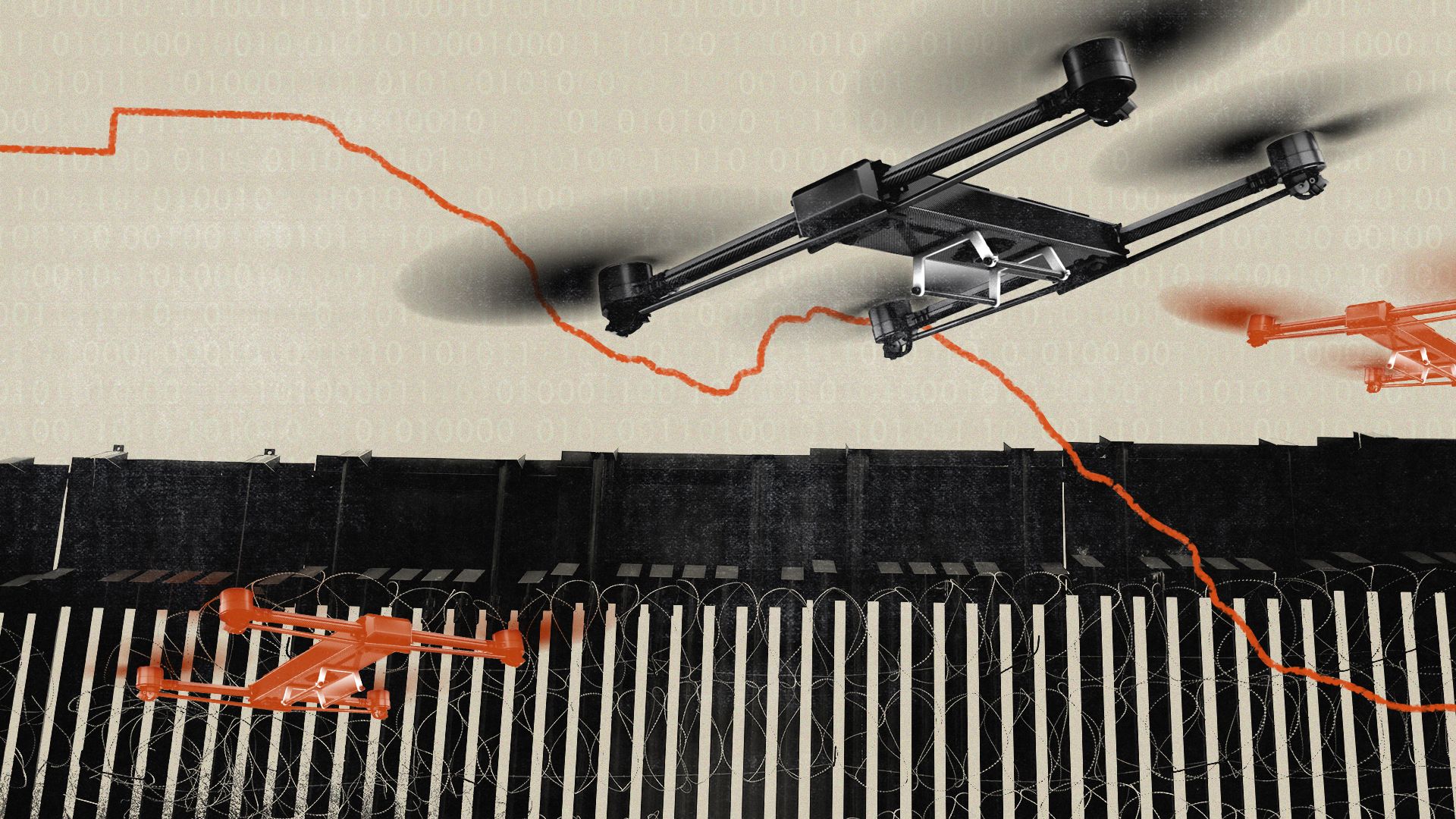
On the U.S. side of the southern border, local law enforcement officials have begun using AI-programmed drones to locate drug traffickers and migrants.
On the Mexico side, drug cartels are using their own drones to stake out desert areas in the U.S. to smuggle their products.
Why it matters: The U.S. government — whose own patrol drones help create what it calls a "virtual wall" — has long fueled the tech war along the border. But now even small local agencies are stepping into this arms race against cartels and illegal immigration.
Coding startup Windsurf just survived a wild month, almost getting sold to OpenAI, its CEO and top talent decamping to Google, and then managing to sell itself.
Why it matters: With potentially $100 billion in annual sales at stake, there's a fierce battle among tech giants and startups to become the choice for AI-assisted programming.
I owe a huge apology to Mel Robbins, author of the bestselling book in the world.
Maybe it was author envy, or bad "blink" instincts, or both. But I must confess to hearing the premise of "The Let Them Theory" and thinking: No shit!
"Let Them" argues that we need to stop letting others' actions or words bother and control us.
The inner Jim's response: "Duh? If I could just let people be moronic, selfish and make-me-want-to stab-myself annoying, I would — but I can't!"
Why it matters: I was wrong, at least about Robbins' book. I went down the Mel Robbins rabbit hole this past week and discovered how valuable her insights are. I get why she has sold 6 million copies in just under eight months — more books in a shorter time than any author in history.