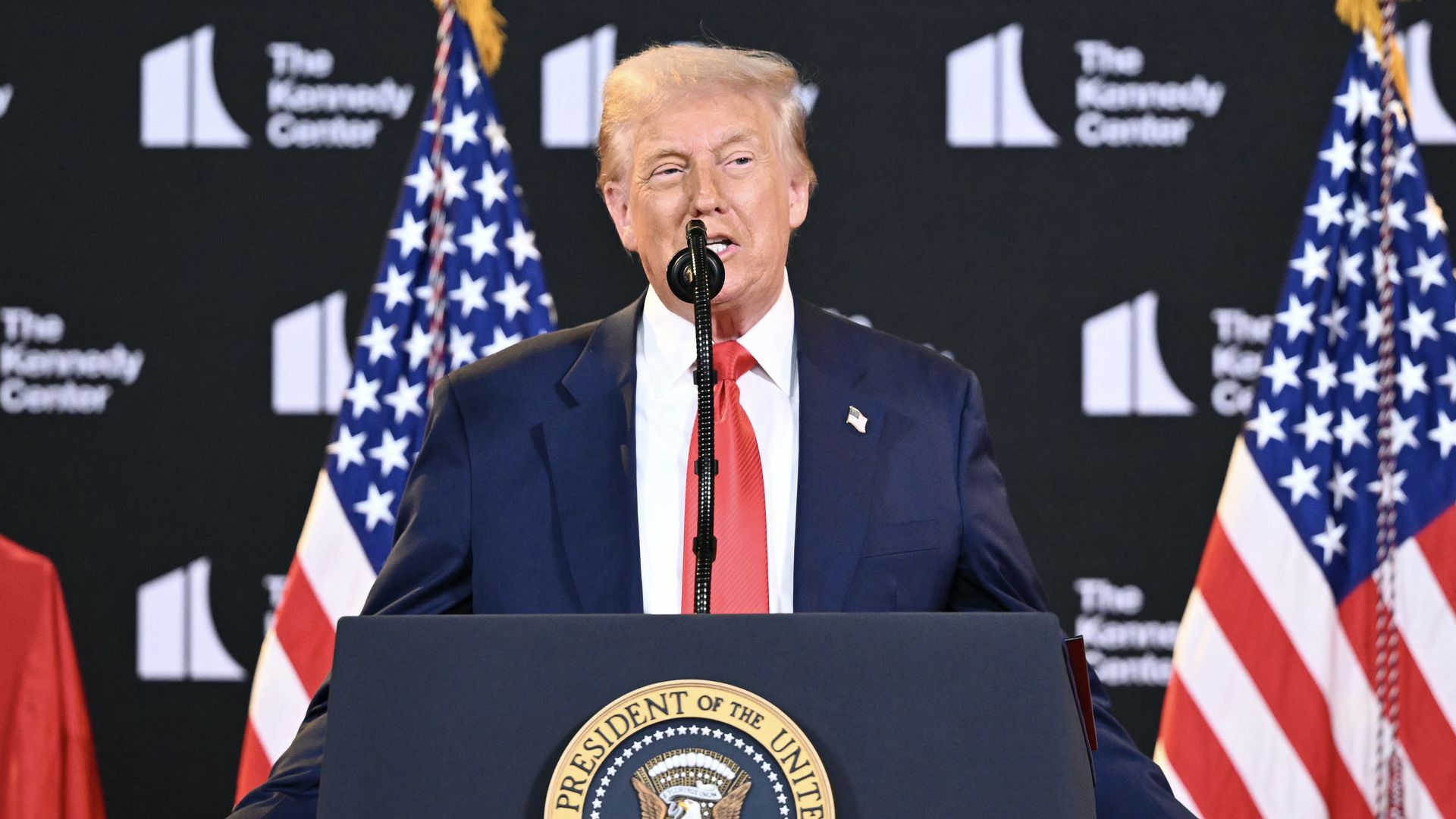
President Donald Trump downplayed the significance of Russia's reported involvement in a hack of the U.S. federal court filing system during a press conference Wednesday.
"Are you surprised?" he told a reporter. "They hack in, that's what they do. They're good at it."
Why it matters: These are Trump's first comments about the recently reported cyberattack, and they come ahead of Trump's scheduled meeting with Russian President Vladimir Putin on Friday.
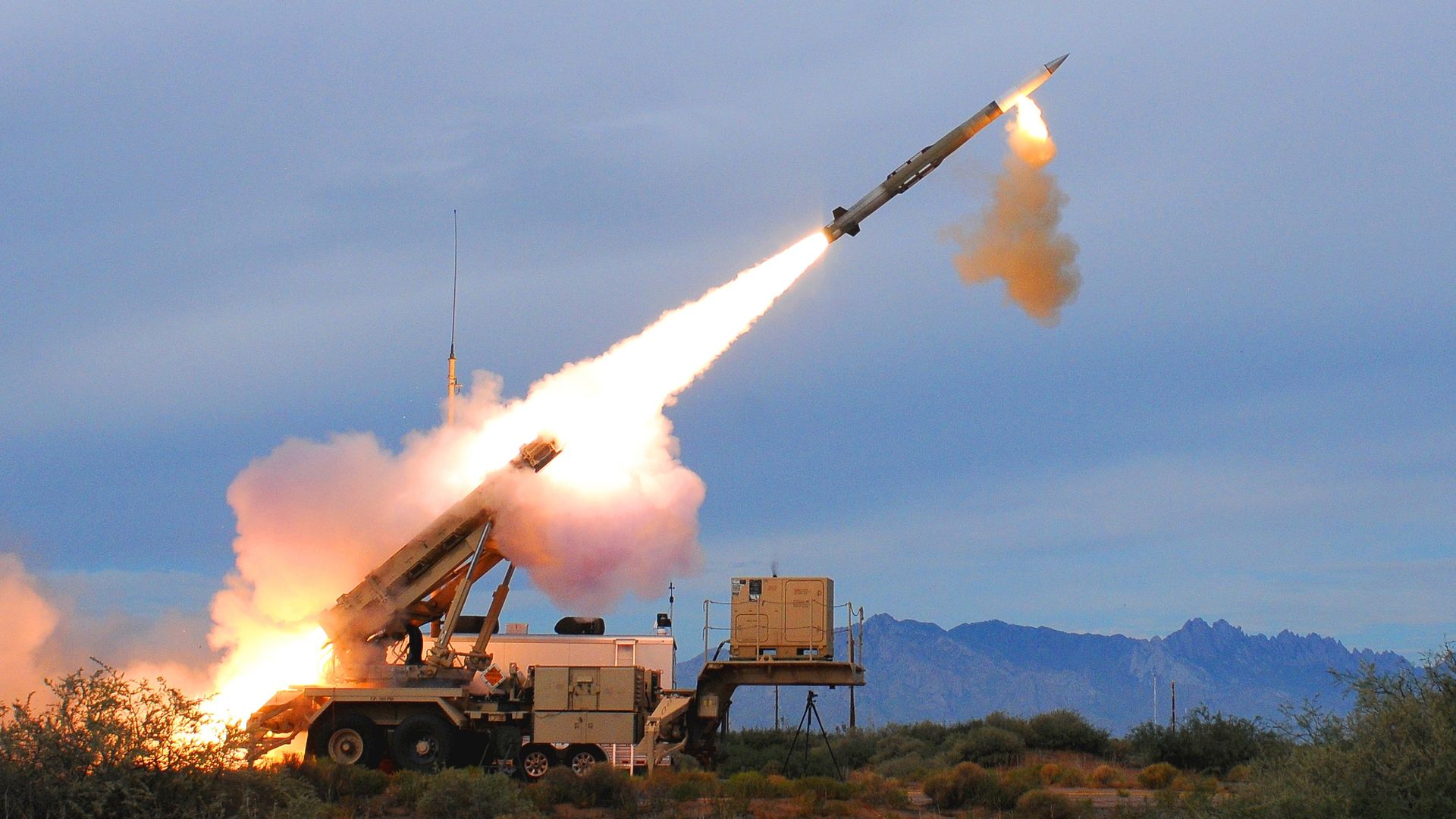
Boeing is exploring new technologies and production efficiencies for the Patriot missile seekers it builds, as global demand for the pricey interceptors skyrockets.
Why it matters: Changes in the formula could reduce costs or boost output. But finding the right mix — and not undercutting performance — is tricky.
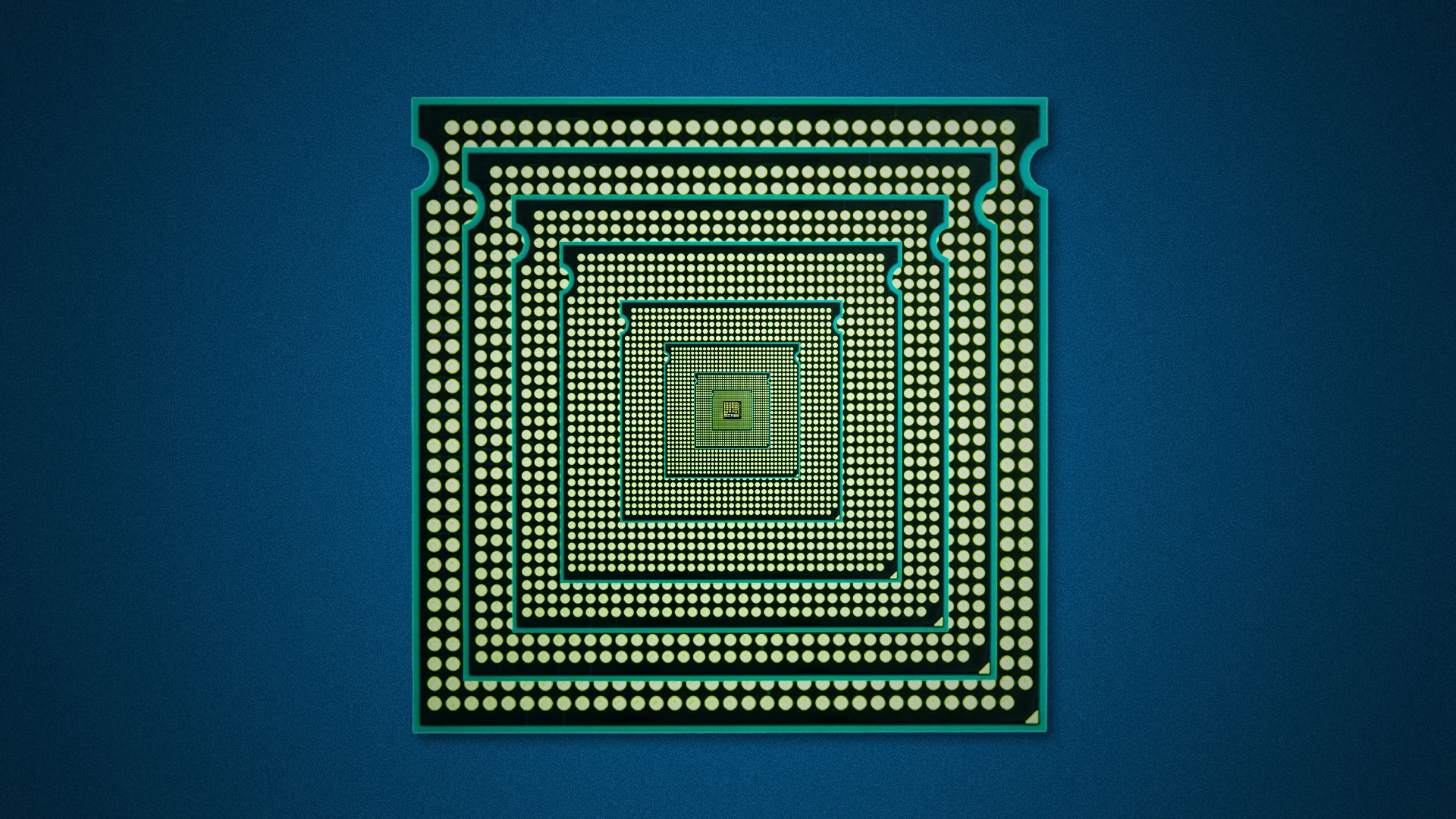
There's a chip factory tucked between Baltimore city limits and BWI Airport. For something so high-profile, it's easy to miss.
Why it matters: Northrop Grumman's Advanced Technology Lab in Linthicum Heights, Maryland, is pumping out precious, microscopic components at a time of surging stateside demand, questionable defense-industrial base fitness and broader international aggression.
The company's chips can be found in F-16 and E-7 aircraft, Apache helicopters, G/ATOR radars, naval electronic warfare systems, drones, the James Webb telescope and more.
President Trump is opening the door to reclassifying marijuana, potentially allowing the GOP to claim another health issue that's long been associated with Democrats.
Why it matters: The administration has already flipped the political script when it comes to banning food dyes, calling for an end to animal lab testing and embracing psychedelics for mental health.
Nvidia and AMD can sell their AI chips to China for the low price of 15% of their revenue, paid out to the U.S. government. Investors are unfazed.
Why it matters: Shareholders are focusing on the revenue opportunities that come with more access to Beijing, not on the unprecedented involvement of the Trump administration in Nvidia's business dealings.
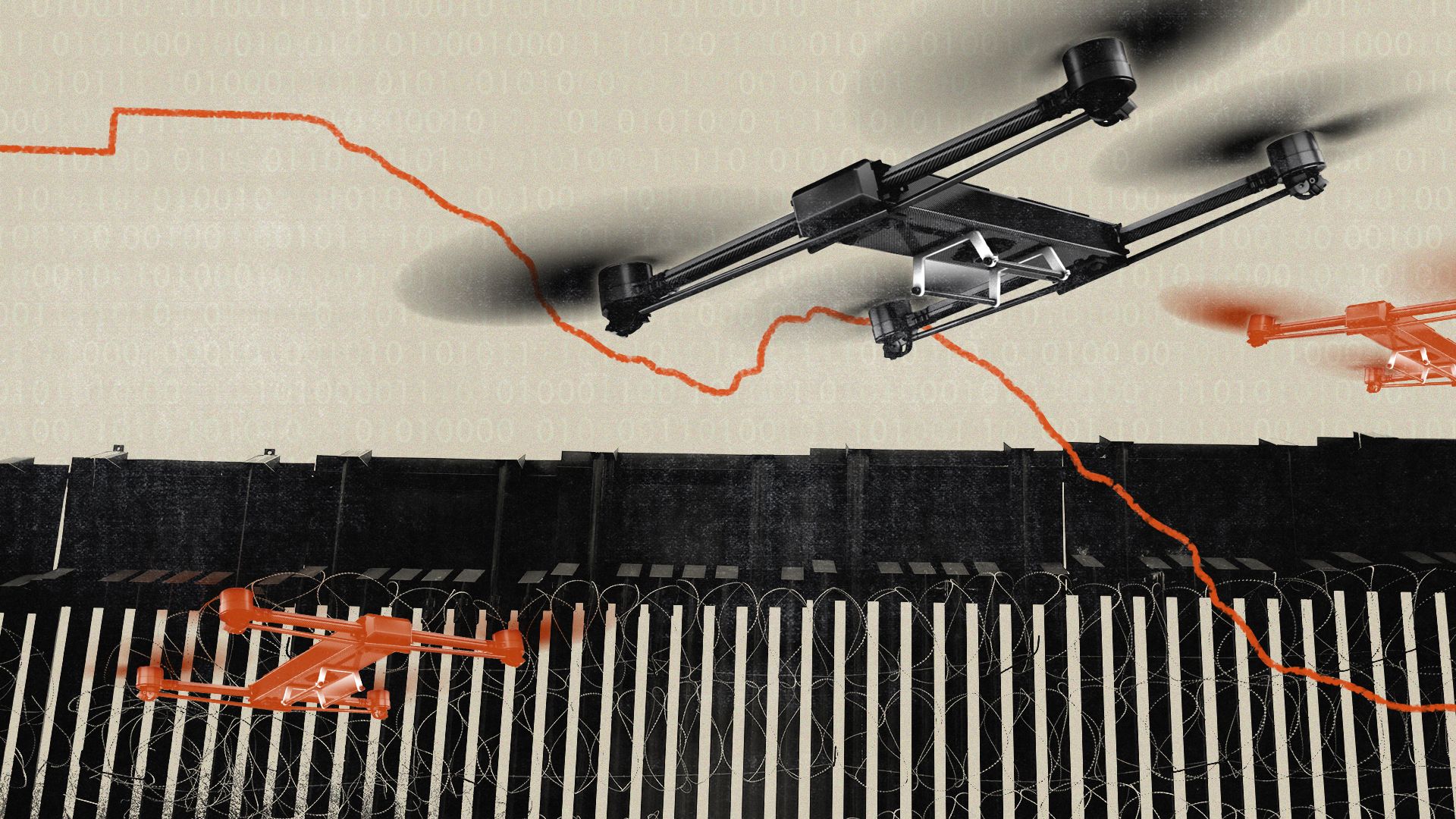
On the U.S. side of the southern border, local law enforcement officials have begun using AI-programmed drones to locate drug traffickers and migrants.
On the Mexico side, drug cartels are using their own drones to stake out desert areas in the U.S. to smuggle their products.
Why it matters: The U.S. government — whose own patrol drones help create what it calls a "virtual wall" — has long fueled the tech war along the border. But now even small local agencies are stepping into this arms race against cartels and illegal immigration.
Coding startup Windsurf just survived a wild month, almost getting sold to OpenAI, its CEO and top talent decamping to Google, and then managing to sell itself.
Why it matters: With potentially $100 billion in annual sales at stake, there's a fierce battle among tech giants and startups to become the choice for AI-assisted programming.
I owe a huge apology to Mel Robbins, author of the bestselling book in the world.
Maybe it was author envy, or bad "blink" instincts, or both. But I must confess to hearing the premise of "The Let Them Theory" and thinking: No shit!
"Let Them" argues that we need to stop letting others' actions or words bother and control us.
The inner Jim's response: "Duh? If I could just let people be moronic, selfish and make-me-want-to stab-myself annoying, I would — but I can't!"
Why it matters: I was wrong, at least about Robbins' book. I went down the Mel Robbins rabbit hole this past week and discovered how valuable her insights are. I get why she has sold 6 million copies in just under eight months — more books in a shorter time than any author in history.
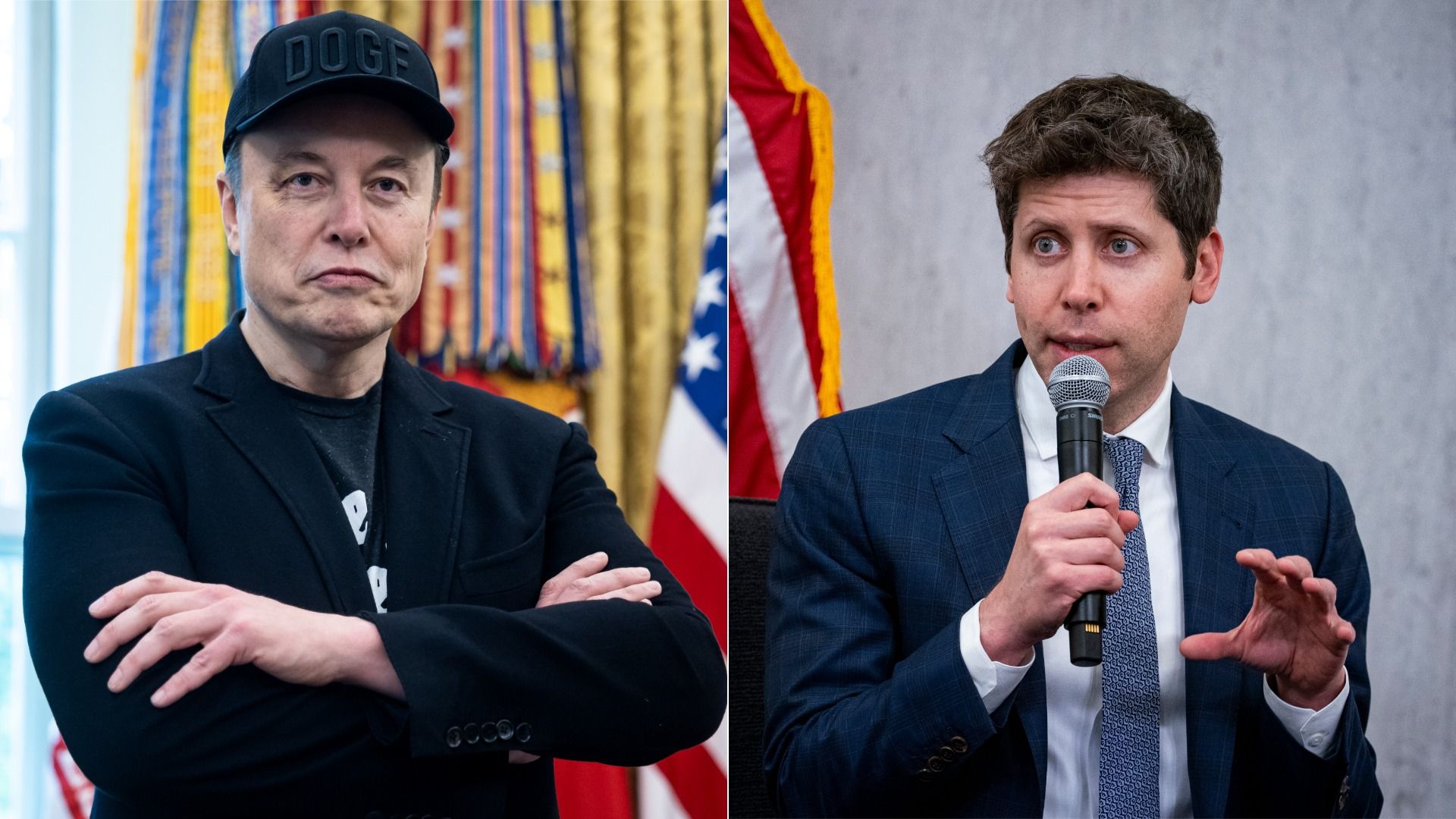
Tech titans Elon Musk and Sam Altman bickered over their relative trustworthiness on Tuesday, with each of their artificial intelligence platforms contributing to the feud.
The big picture: The two tech giants' acrimonious relationship has become increasingly public since Musk sued Altman for breaching OpenAI's founding mission last year.
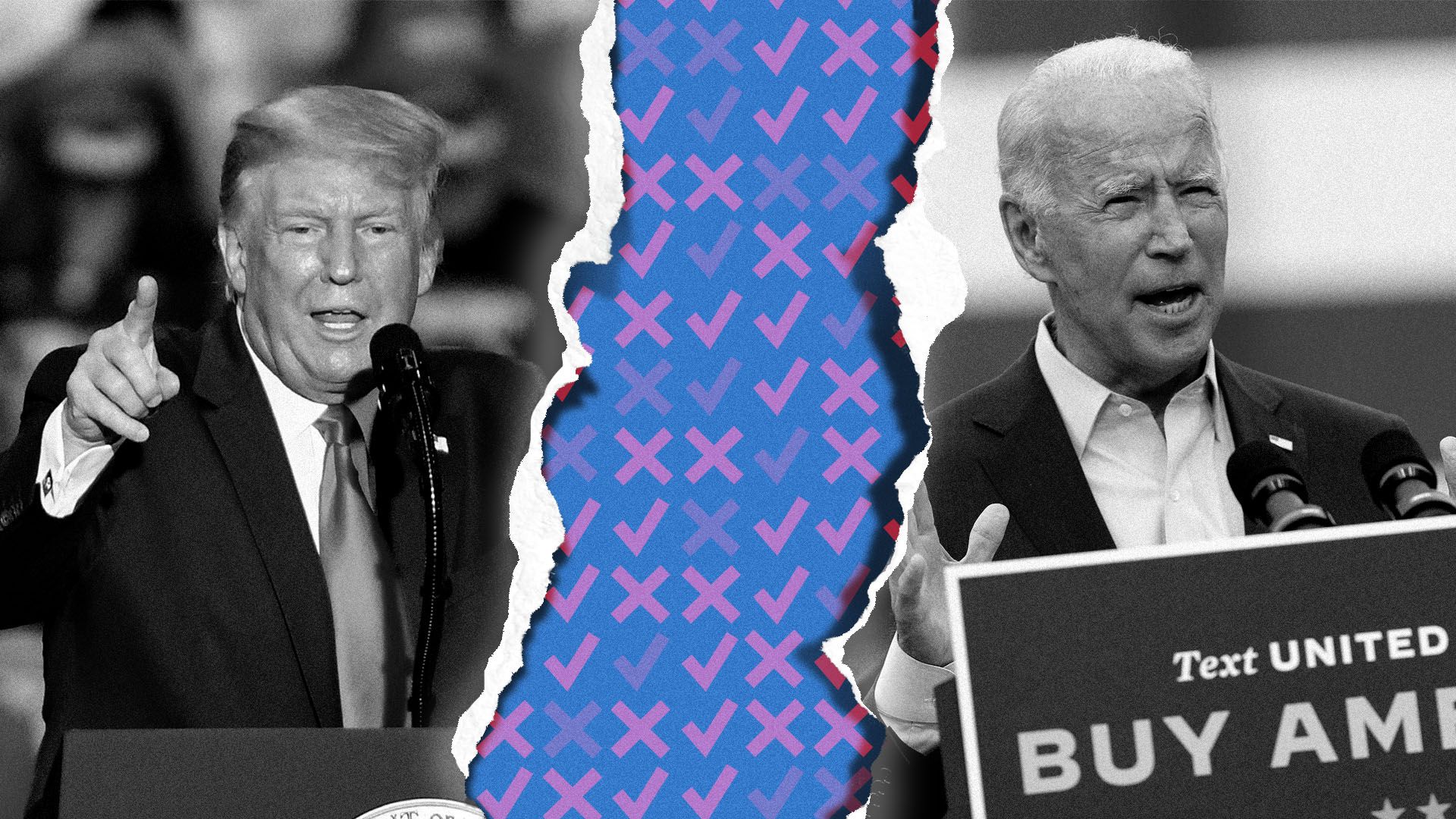
President Trump prides himself on being a dealmaker, but some eye-popping dealmaking of late comes thanks to his predecessor's administration.
Why it matters: The Biden administration's antitrust crackdown, at the time sharply criticized by many in Silicon Valley, has now spawned a few interesting deal scenarios in tech.
If you're a knowledge worker on the job hunt, you might want to upgrade your interview wardrobe to include pants.
Why it matters: Companies are bringing back in-person interviews after years of virtual hiring since the pandemic. That's because artificial intelligence — which is upending the labor market — also makes it easier for candidates to cheat.
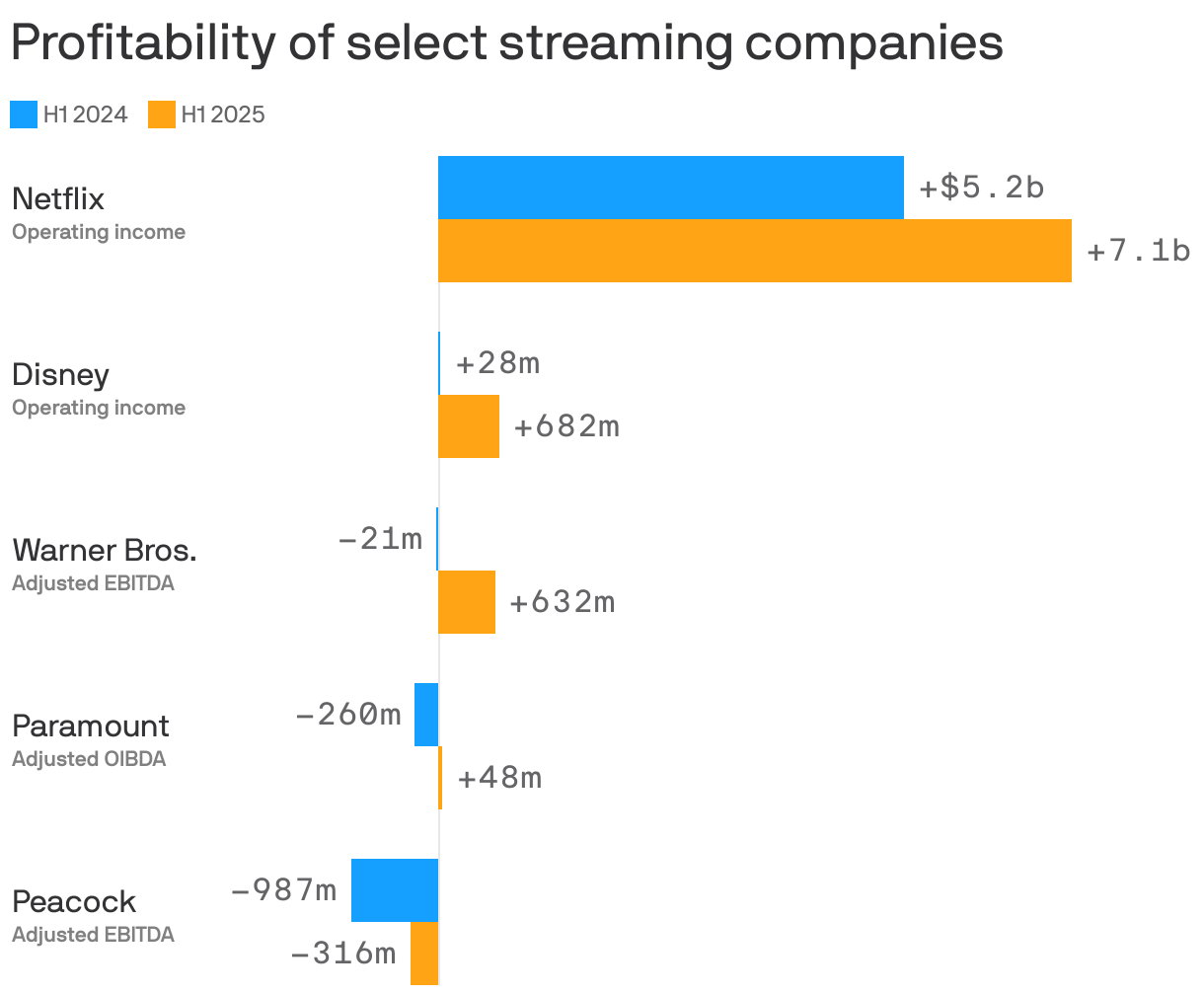
With the exception of Comcast's Peacock, most major streamers in the U.S. have started to turn a steady profit, which means the streaming wars have officially entered a new era of maturity.
Why it matters: To expand margins and compete with Netflix, traditional media companies are looking to streamline their services and bundle them.
Underestimate how quickly adversarial hackers are advancing in generative AI, and your company could be patient zero in an outbreak of AI-enabled cyberattacks.
Overestimate that risk, and you could quickly blow millions of dollars only to realize you were preparing for the wrong thing.
Federal law enforcement took down servers and web domains and seized roughly $1 million worth of cryptocurrency tied to the BlackSuit ransomware gang, authorities announced Monday.
Why it matters: BlackSuit had quite the rap sheet, hitting more than 100 companies in the last year across industries including manufacturing, education, research, health care and construction.
A new report zooms in on the gigantic amounts of energy needed specifically for training large AI models, as opposed to just aggregate estimates of training and use (or inference).
Why it matters: The report yields a clearer picture of localized energy needs when hyperscalers build data center clusters that train exceptionally big "frontier" AI models.
Computer-driven traders are jazzed about this bull market, and if you ask ChatGPT, it will quickly tell you to invest in the S&P 500. Machines and AI driven by patterns and data seem to lack what makes human investors more cautious: fear.
Why it matters: Artificial intelligence is to retail traders what computer-guided, algorithmic trades are to financial firms. Both technologies are proving to be more optimistic investors than their real-life counterparts. The consequences of that bullishness could be severe for retail traders.
OpenAI's GPT-5 has landed with a thud despite strong benchmark scores and praise from early testers.
Why it matters: A lot rides on every launch of a major new large language model, since training these programs is a massive endeavor that can require months or years and billions of dollars.