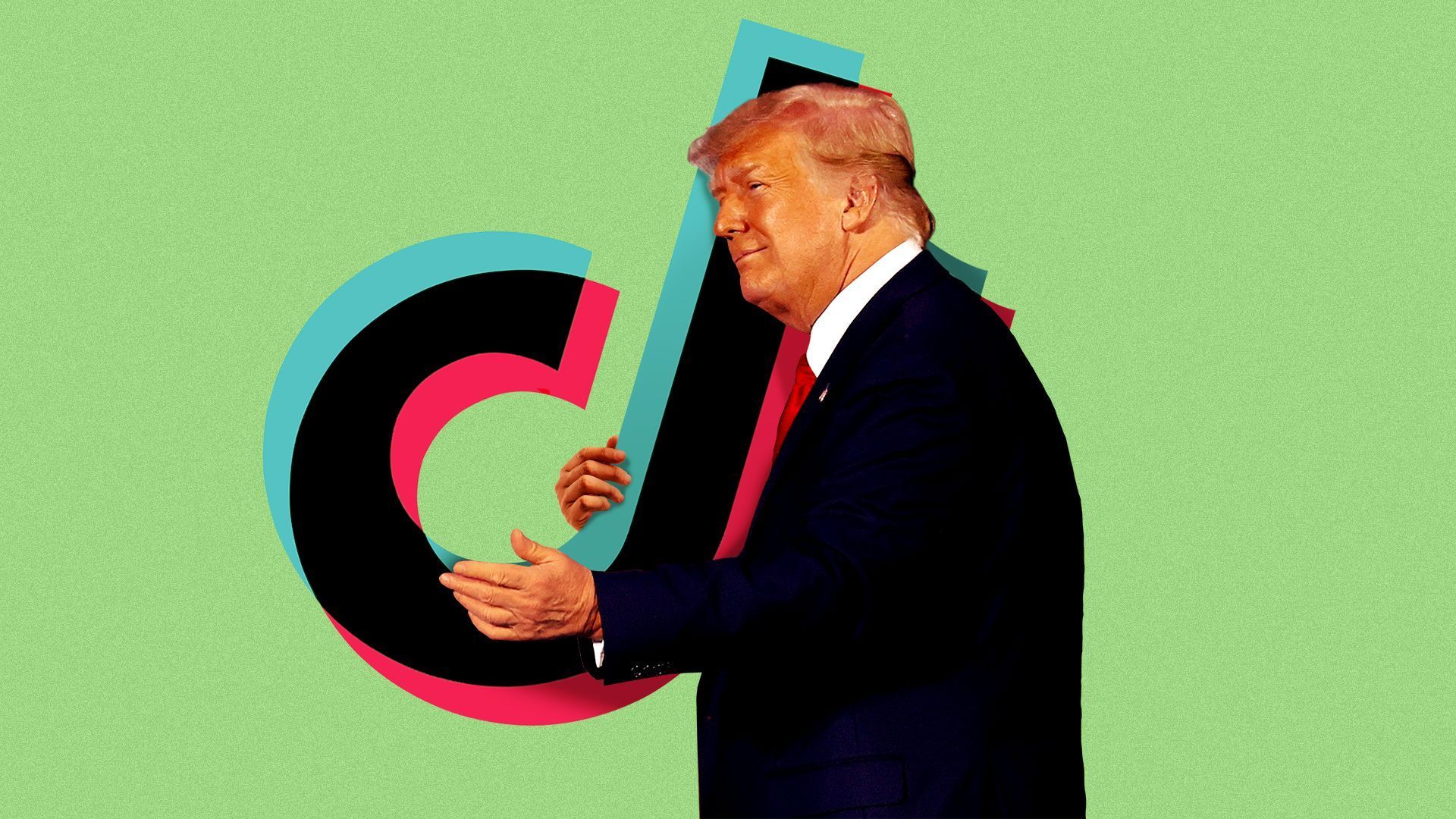
Despite a reprieve from President Trump, TikTok's fate still hangs in the balance — unless a potential buyer emerges.
The big picture: Trump signed an executive order on his first day in office delaying the app's ban by 75 days, effectively resurrecting it hours after the platform had gone dark.
OpenAI cautioned Wednesday that upcoming models will head into a higher level of risk when it comes to the creation of biological weapons — especially by those who don't really understand what they're doing.
Why it matters: The company, and society at large, need to be prepared for a future where amateurs can more readily graduate from simple garage weapons to sophisticated agents.
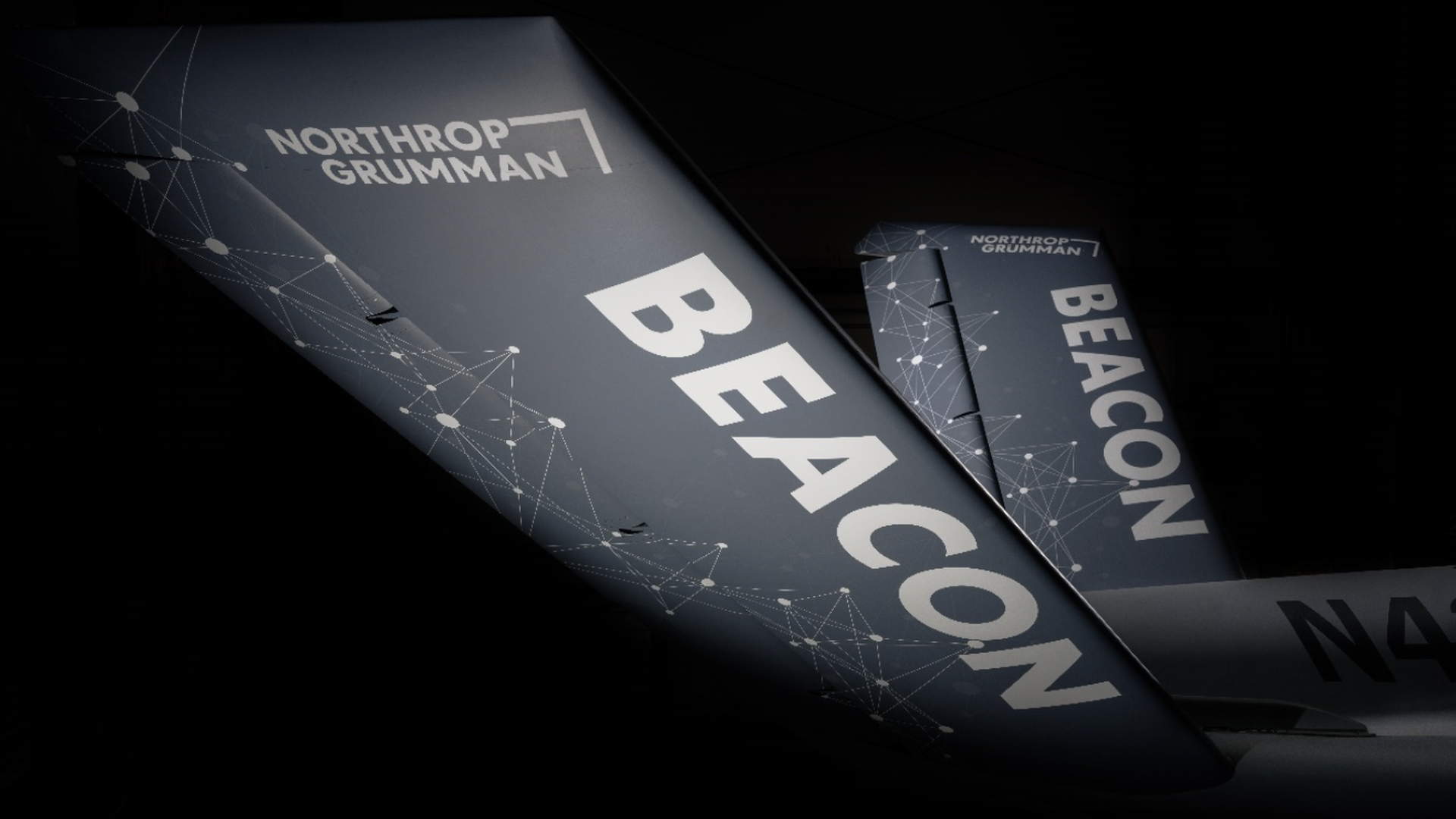
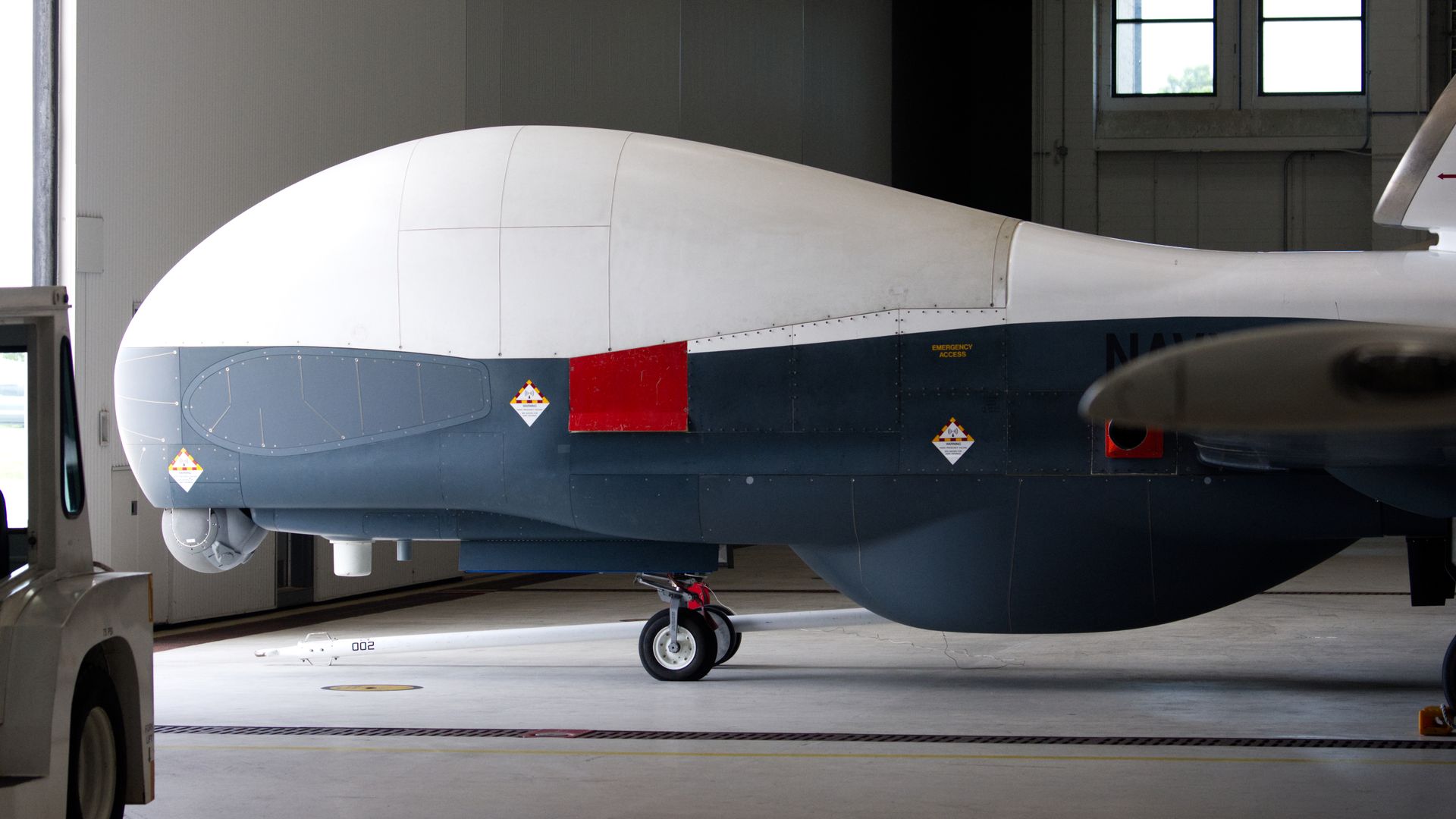
Northrop Grumman is collaborating with at least four other companies to more-quickly test and deliver autonomy under a previously undisclosed initiative dubbed Beacon.
Why it matters: "There are a lot of new companies, particularly in the AI space and the autonomy space, that are out there doing a lot of very interesting things," Tom Jones, the president of Northrop's aeronautics systems sector, told Axios at the Paris Air Show.
"There's been this idea that with some of these small companies — these new entrants — it's 'us versus them.' It's an 'either or,'" he added. "I don't think it is."
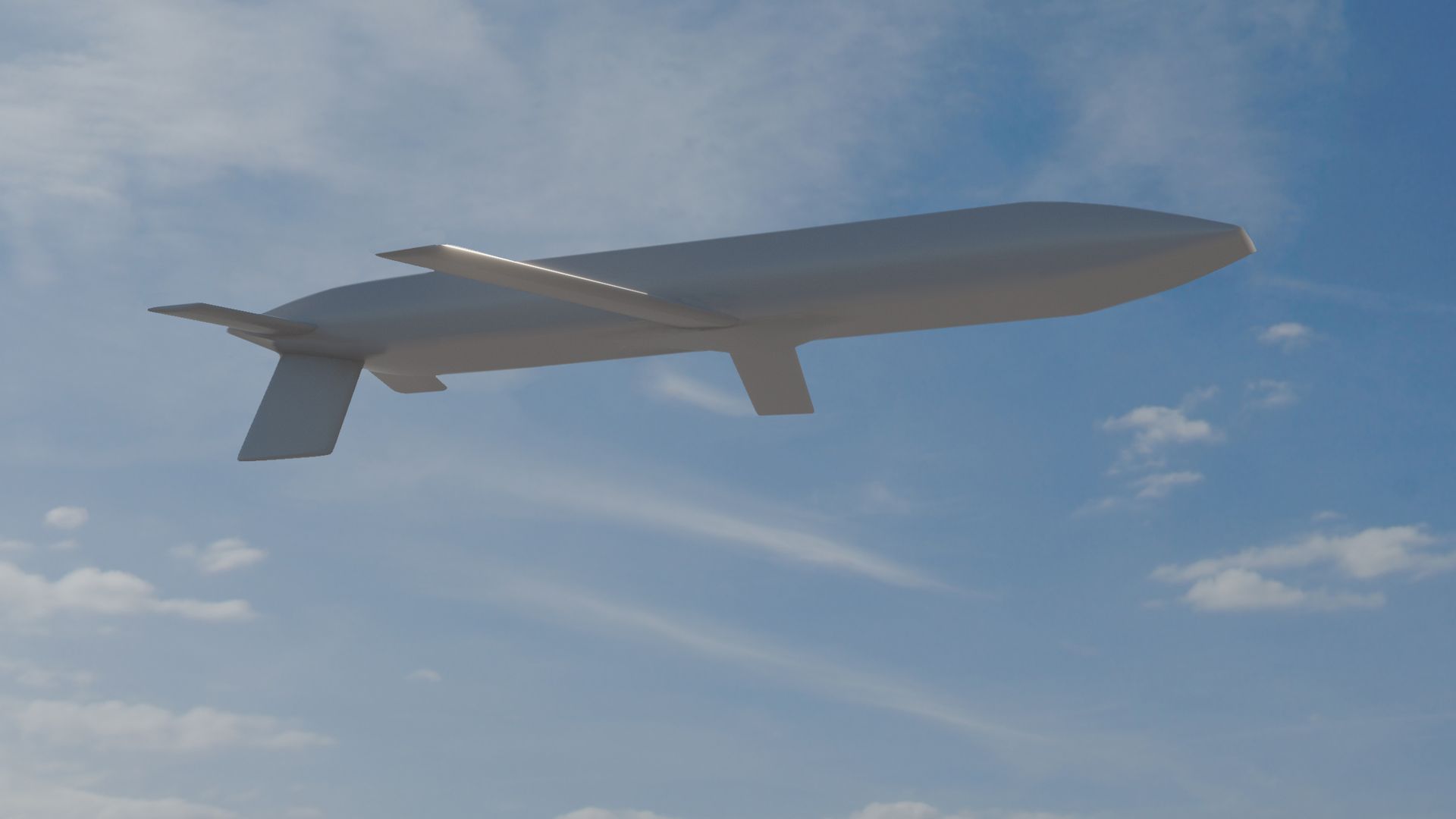
After years of secretive development, the U.S. Air Force last week provided its first look at a nuclear cruise missile expected to be wielded by B-52 bombers.
Why it matters: Imagery like this is not shared carelessly.
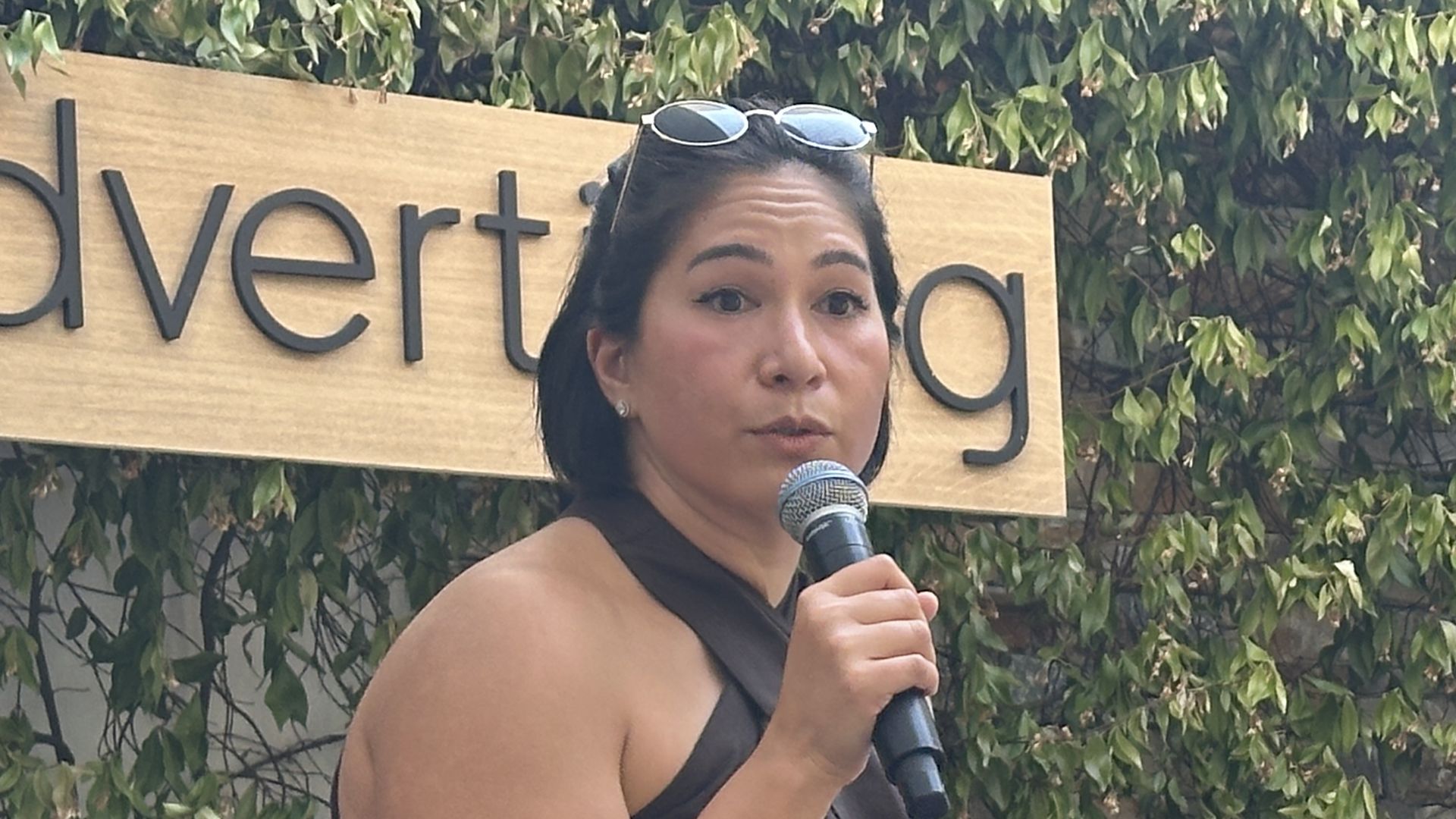
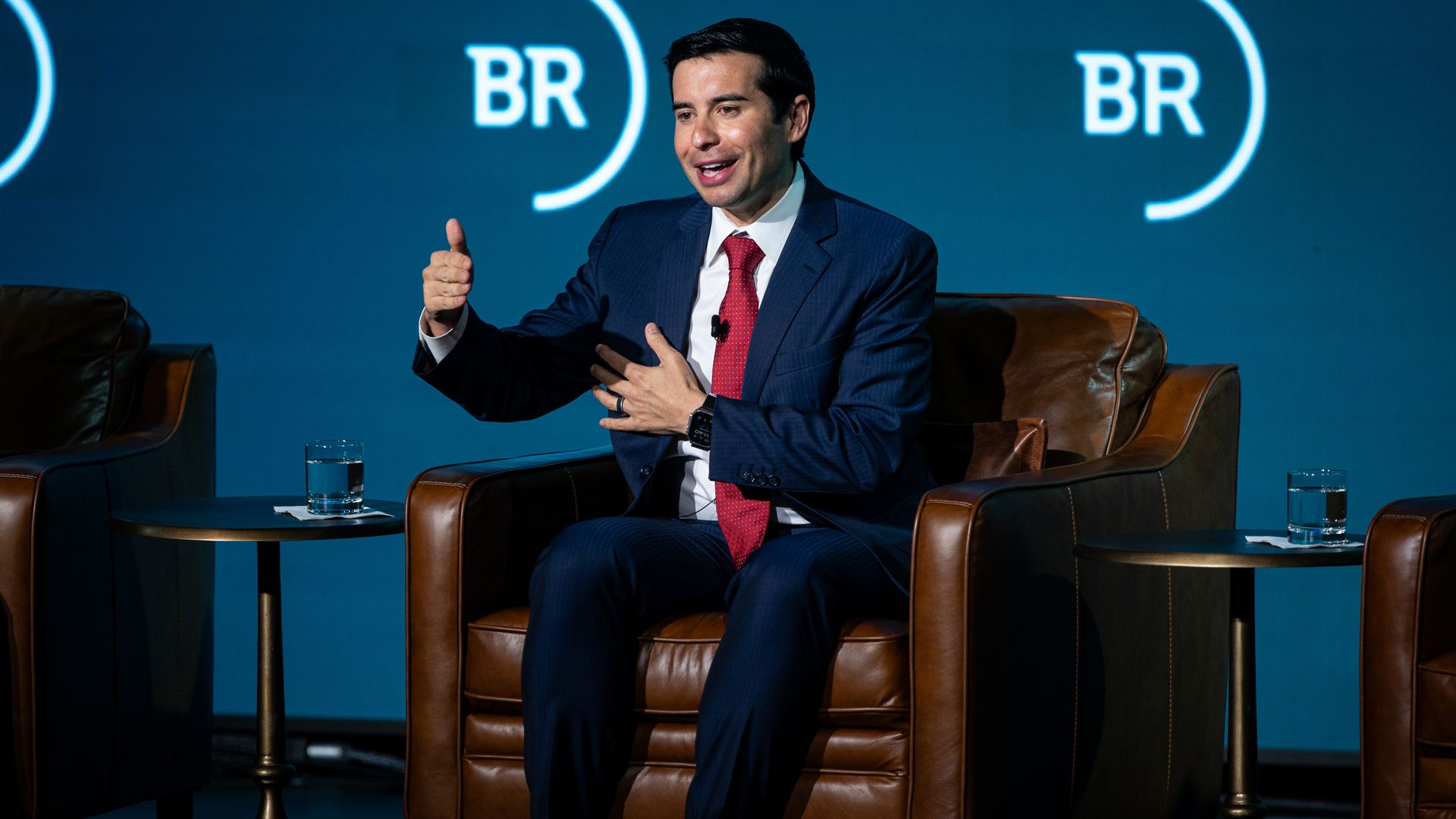
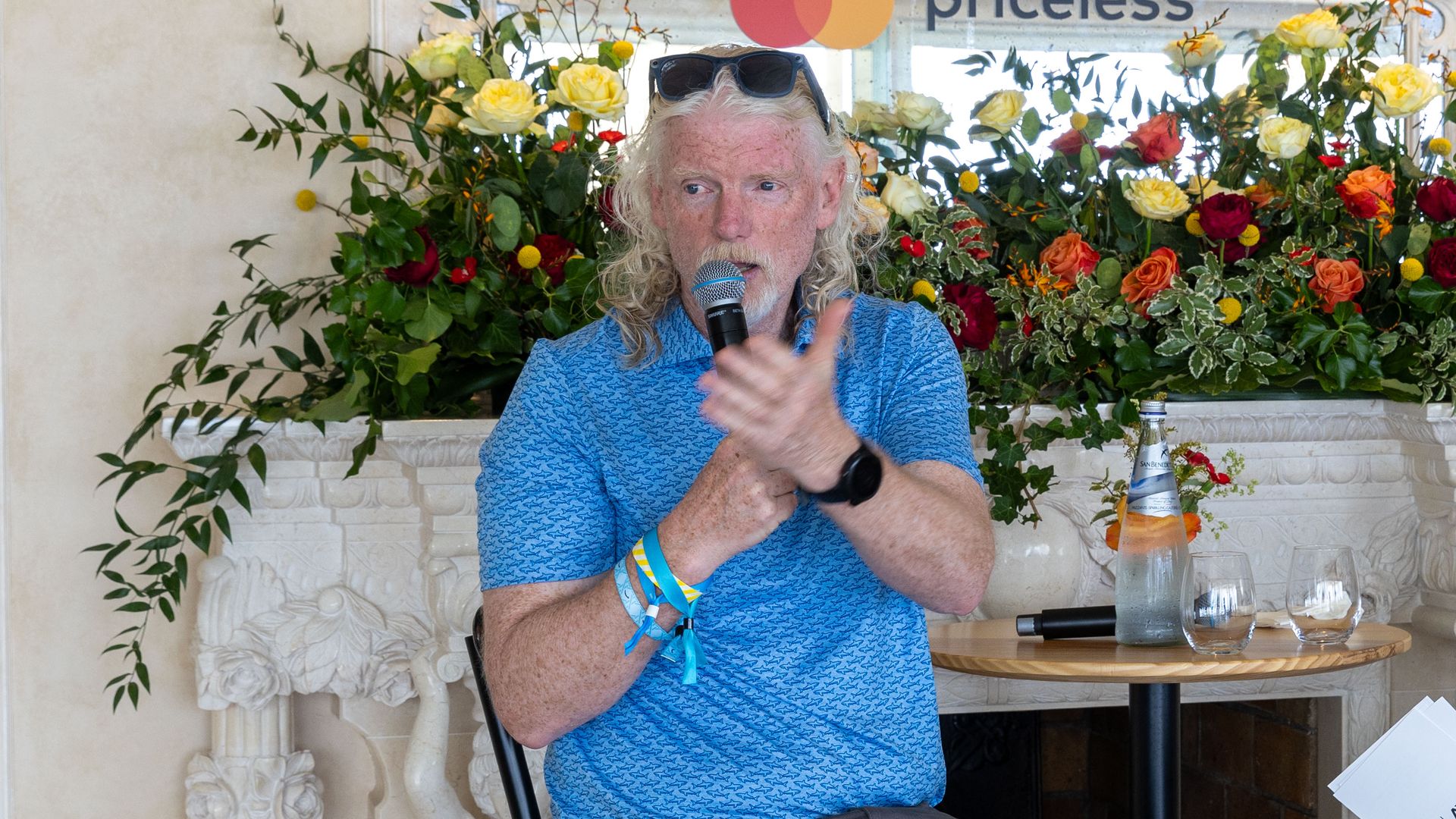
Business Insider's recent layoffs and changes were "very difficult" but necessary to put the business back on track, CEO Barbara Peng said at an Axios event at Cannes on Wednesday.
"We have a responsibility to build a sustainable business. If we can't support ourselves, we actually can't do all the good journalism that we want to and really reach that potential," she said.
Why it matters: Publishers are reckoning with declining search traffic across the media industry and reinvesting as they prepare for potentially even greater disruption from AI.
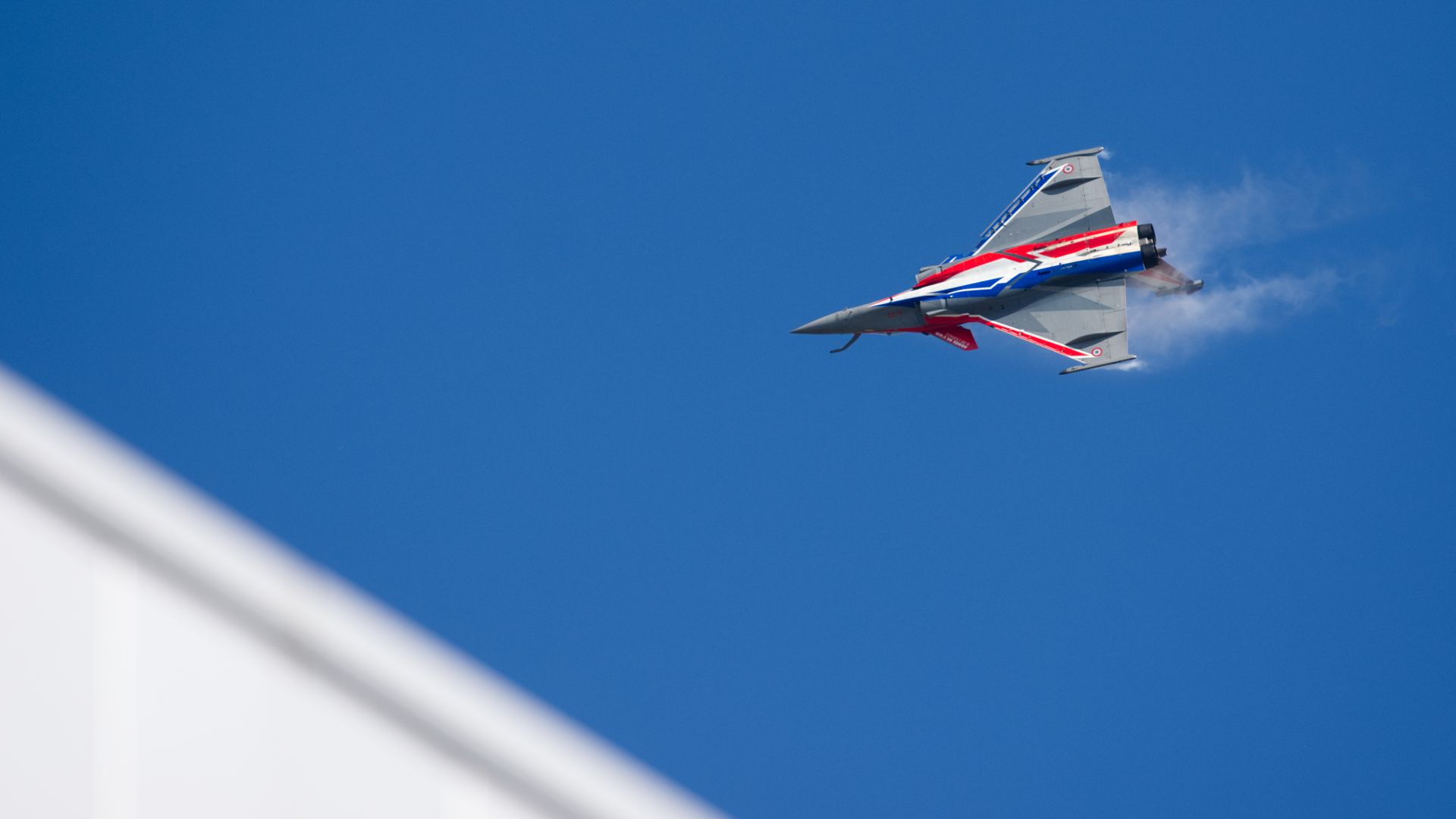
The early days of this year's Paris Air Show brimmed with news, from aircraft purchases to factory floor expansions to missile unveilings.
Why it matters: The show is among the world's most prestigious. It's where buyers and sellers go to cut deals — and it's where militaries go to flex hardware.
Here are the latest headlines:
Anduril Industries and Rheinmetall revealed a new partnership through which European variants of the Barracuda missile and Fury robo-wingman will be produced. Solid rocket motors are also on the table.
Boeingofficials said the company can "absolutely" handle the U.S. Air Force's F-47 and the U.S. Navy's to-be-awarded F/A-XX at the same time, should it win the latter contract.
Honeywell and Near Earth Autonomy revealed they completed the first autonomous test flight of a Leonardo AW139 helicopter. It happened in May in Phoenix.
General Atomics unveiled Pele, a semiautonomous 9-foot launched effect optimized for use aboard the company's MQ-9B SkyGuardian. Pele can fly for seven hours and has a 500-nautical-mile range.
Portal Space Systems announced it will open a 50,000-square-foot spacecraft manufacturing facility in Bothell, Washington. It will be just 3 miles from the company's existing design-and-testing hub.
Portugalagreed to buya sixth KC-390 Millennium aircraft from Embraer. Lisbon previously said it would buy five. It can be used for cargo transport, evacuation and refueling missions.
MBDArolled out what it's calling "one-way effector" — a relatively cheap drone meant to drain enemy air defenses and coffers. The company said the weapon combines expertise in cruise missiles and remote-controlled munitions.
Pratt & Whitney, a part of RTX, will supply TJ150 engines for the Small Cruise Missile, also known as Black Arrow. The arrangement kicked off in April and will run through the first quarter of fiscal 2026.
Ursa Major secured a nearly $33 million contract to develop and deliver to Stratolaunch 16 upgraded Hadley H13 engines. Hadleys have powered multiple Talon-A missions at speeds greater than Mach 5.
Kratossaid it will open a facility in Bristow, Oklahoma, to produce its GEK (GE Aerospace-Kratos) line of turbojet engines. The plant will include three small-engine test cells; they are expected to be operational in 2027.
Helsing and Saab completed three Gripen E flights with artificial intelligence, dubbed Centaur, at the controls. Flights happened in May and June.
Archer, an air-taxi maker, raised $850 million, its largest round to date.
AI can generate a larger volume of creative ideas than any human, but those ideas are too much alike, according to research newly published in Nature Human Behaviour.
Why it matters: AI makers say their tools are "great for brainstorming," but experts find that chatbots produce a morelimited range of ideas than a group of humans.
The youth can rejoice. President Trump will yet again extend the deadline for a ban on TikTok, the White House said Tuesday.
Why it matters: The wildly popular video app lives to fight another day. It's so far outlasted the terms of a bipartisan law that would have banned it over national security risks because of its ties to China.
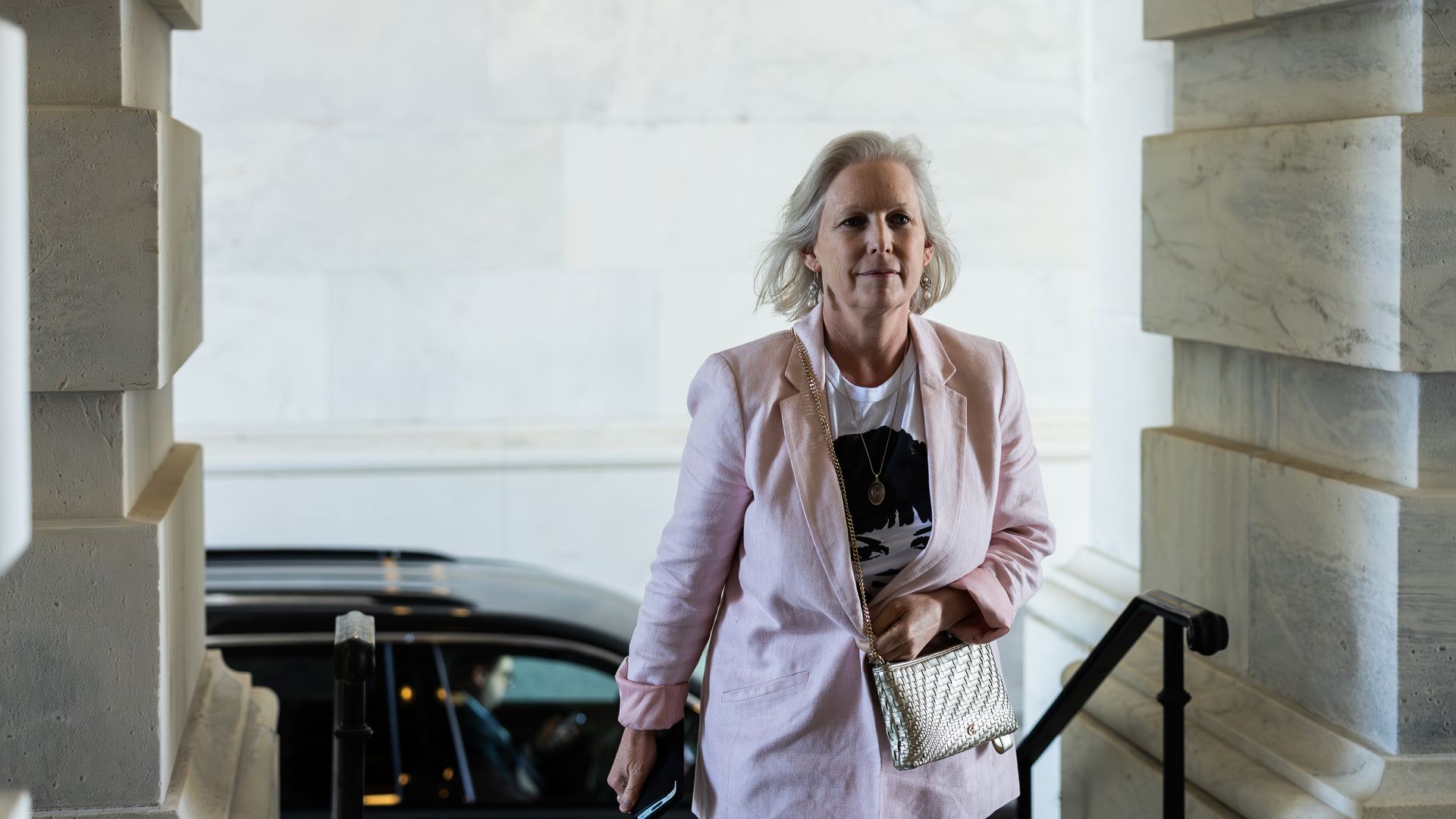
The Senate passed legislation to establish the first regulatory framework for stablecoins, capping prolonged, topsy-turvy bipartisan negotiations.
Why it matters: The GENIUS Act, which was nearly derailed when Democrats had an internal blowup about President Trump's growing cryptocurrency empire, represents one of the rare instances of bipartisan compromise this Congress.
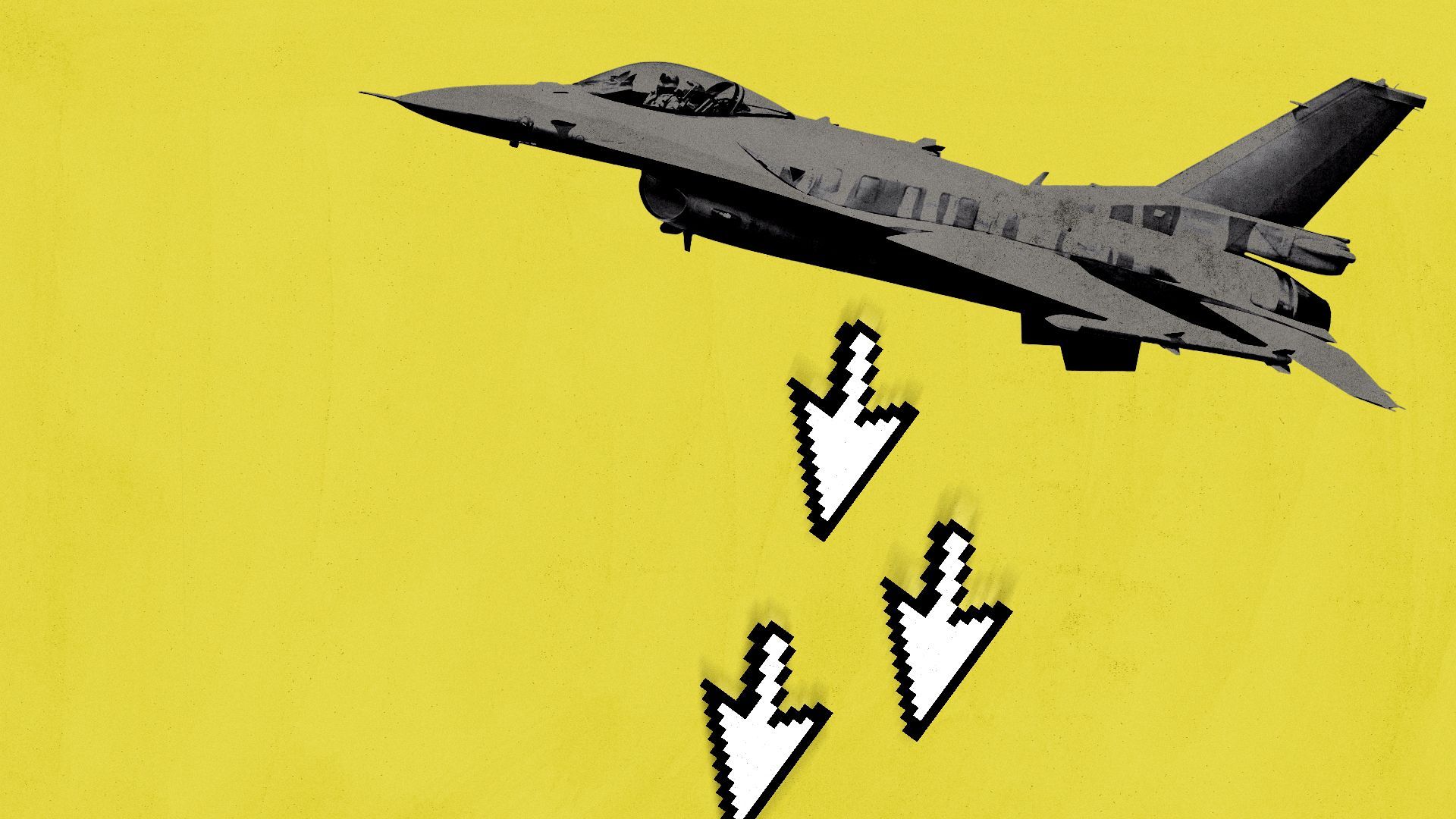
As Israel and Iran exchange airstrikes, cybersecurity experts are warning that a quieter, but still destructive, digital conflict is unfolding behind the scenes.
And U.S. companies could soon find themselves in the blast radius.
Why it matters: Iran and Israel are home to some of the world's most skilled hackers. Escalating tensions between the two could spill over into cyberspace, potentially disrupting critical infrastructure, commercial networks and global supply chains.
Applied Intuition, a Silicon Valley maker of an embedded intelligence platform for autonomous vehicles, raised $600 million in Series F funding at a $15 billion valuation led by BlackRock and Kleiner Perkins.
Why it matters: Self-driving is the present, not the future, as evidenced by over a thousand Waymos on the road in major cities and Tesla's upcoming robotaxi launch in Austin.
Working 9 to 5 was once a way to make a living, in the parlance of Dolly Parton, but the workday today? It never ends.
Why it matters: That's the startling finding of a report out Tuesday from Microsoft on the "infinite workday," which starts before many knowledge workers get out of bed, ends late at night and stretches into the weekend.
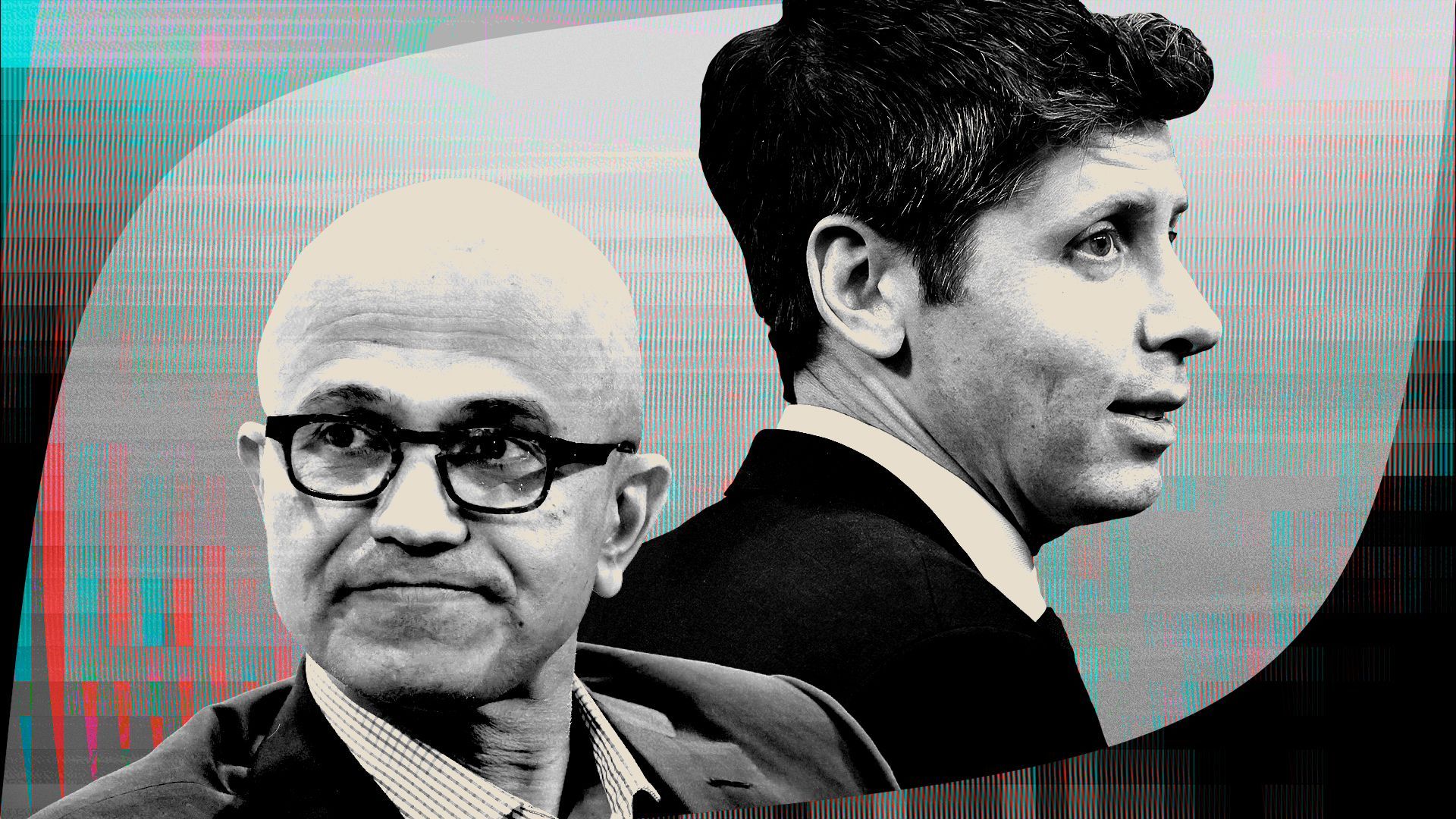
Microsoft and OpenAI are engaged in tense negotiations that could unravel one of the most important alliances in AI and fundamentally reorder the industry.
Why it matters: Microsoft has injected billions of dollars in OpenAI and made it a cornerstone of its AI strategy, but the companies have also remained rivals that, in many cases, offer competing AI services.













/2025/06/16/1750090910248.gif?w=3840)