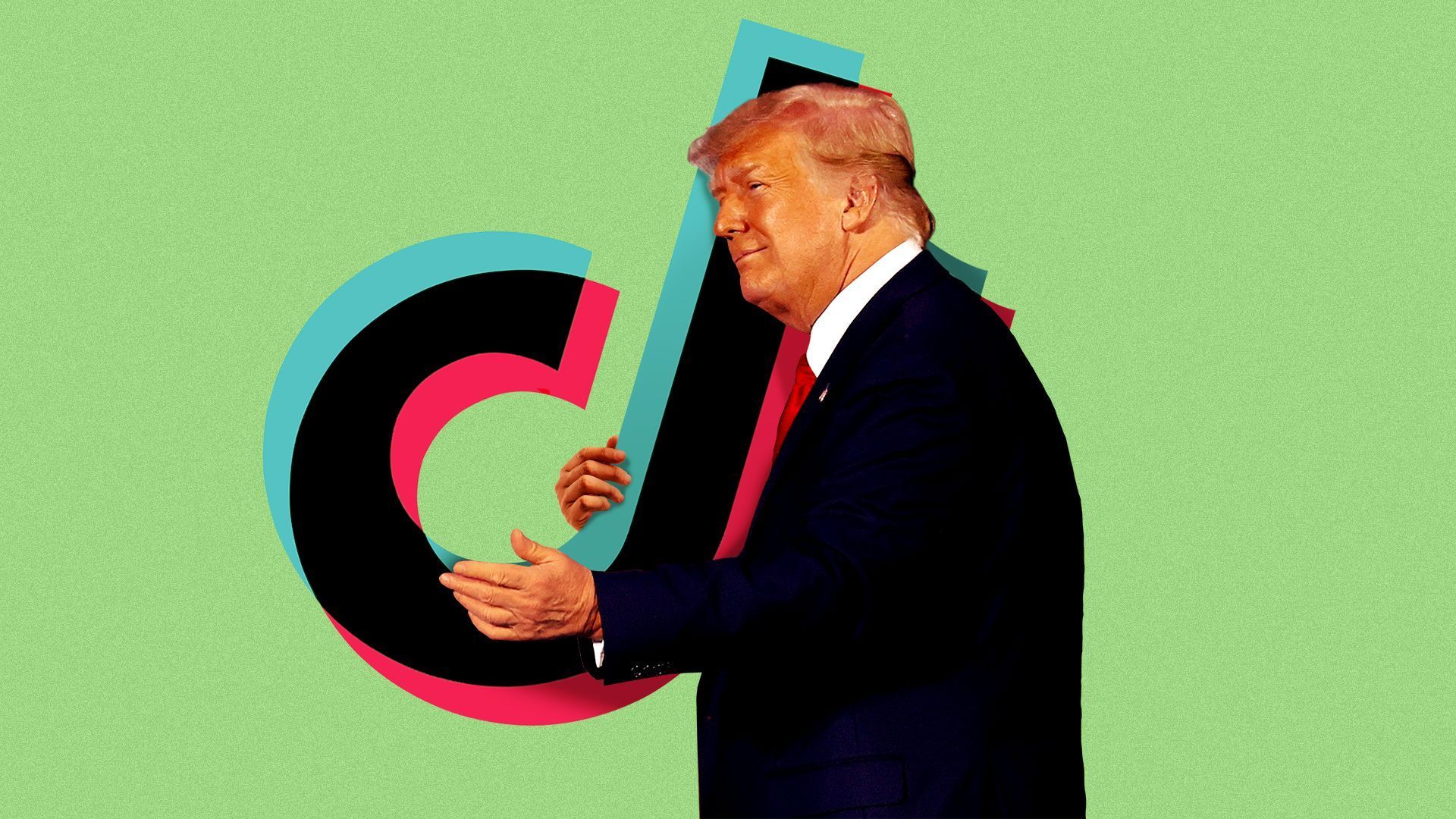
The youth can rejoice. President Trump will yet again extend the deadline for a ban on TikTok, the White House said Tuesday.
Why it matters: The wildly popular video app lives to fight another day. It's so far outlasted the terms of a bipartisan law that would have banned it over national security risks because of its ties to China.
The Senate passed legislation to establish the first regulatory framework for stablecoins, capping prolonged, topsy-turvy bipartisan negotiations.
Why it matters: The GENIUS Act, which was nearly derailed when Democrats had an internal blowup about President Trump's growing cryptocurrency empire, represents one of the rare instances of bipartisan compromise this Congress.
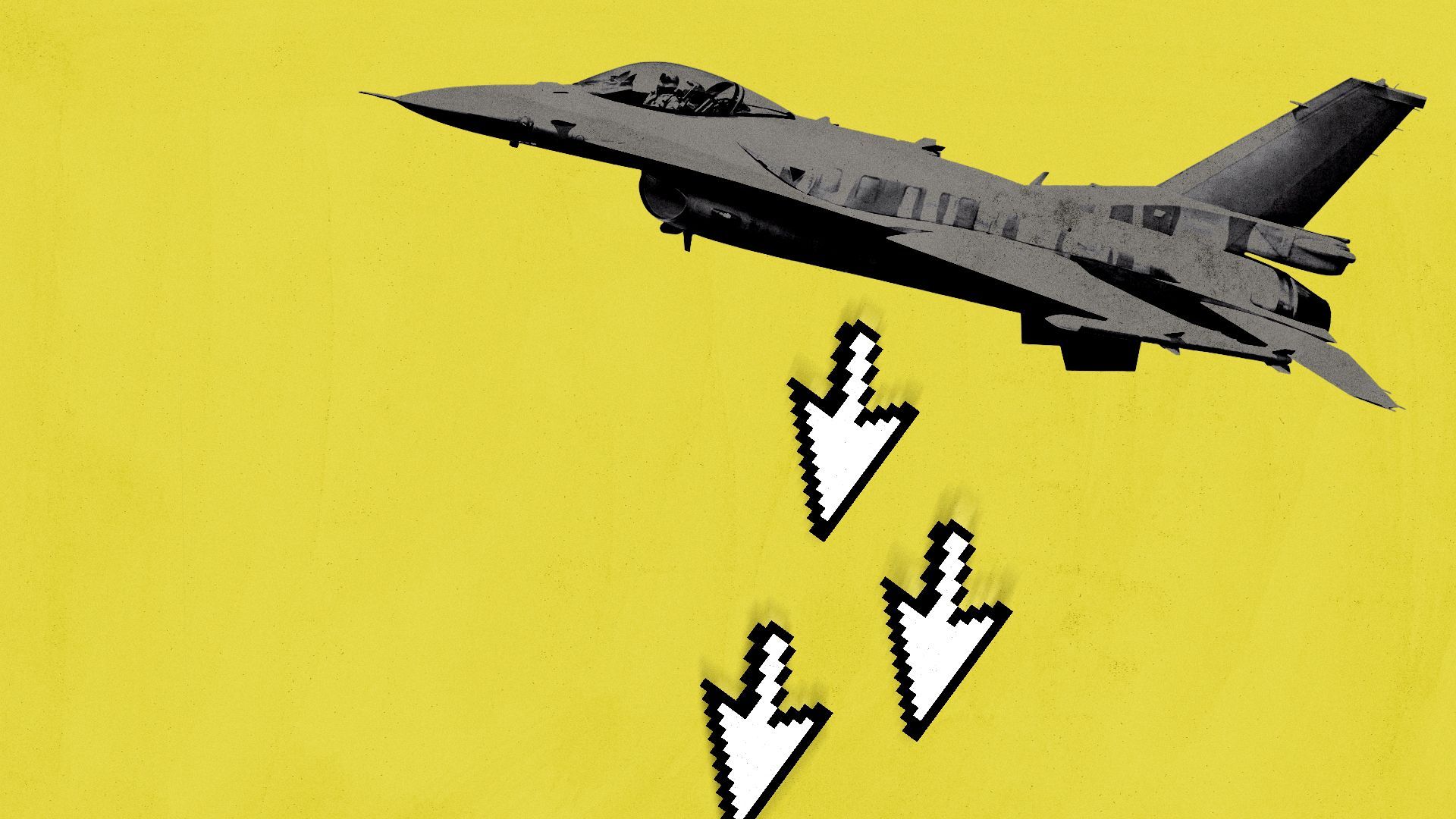
As Israel and Iran exchange airstrikes, cybersecurity experts are warning that a quieter, but still destructive, digital conflict is unfolding behind the scenes.
And U.S. companies could soon find themselves in the blast radius.
Why it matters: Iran and Israel are home to some of the world's most skilled hackers. Escalating tensions between the two could spill over into cyberspace, potentially disrupting critical infrastructure, commercial networks and global supply chains.
Applied Intuition, a Silicon Valley maker of an embedded intelligence platform for autonomous vehicles, raised $600 million in Series F funding at a $15 billion valuation led by BlackRock and Kleiner Perkins.
Why it matters: Self-driving is the present, not the future, as evidenced by over a thousand Waymos on the road in major cities and Tesla's upcoming robotaxi launch in Austin.
Working 9 to 5 was once a way to make a living, in the parlance of Dolly Parton, but the workday today? It never ends.
Why it matters: That's the startling finding of a report out Tuesday from Microsoft on the "infinite workday," which starts before many knowledge workers get out of bed, ends late at night and stretches into the weekend.










/2025/06/16/1750090910248.gif?w=3840)