It's been nearly three months since fashion-tech company CaaStle told investors that they'd been defrauded of more than half a billion dollars, and that law enforcement was investigating.
There hasn't yet been an arrest made nor a charge filed.
For context, Sam Bankman-Fried was cuffed just one month after FTX went bust, and the preceding narrative was that authorities were dragging their heels.
Large language models across the AI industry are increasingly willing to evade safeguards, resort to deception and even attempt to steal corporate secrets in fictional test scenarios, per new research from Anthropic out Friday.
Why it matters: The findings come as models are getting more powerful and also being given both more autonomy and more computing resources to "reason" — a worrying combination as the industry races to build AI with greater-than-human capabilities.
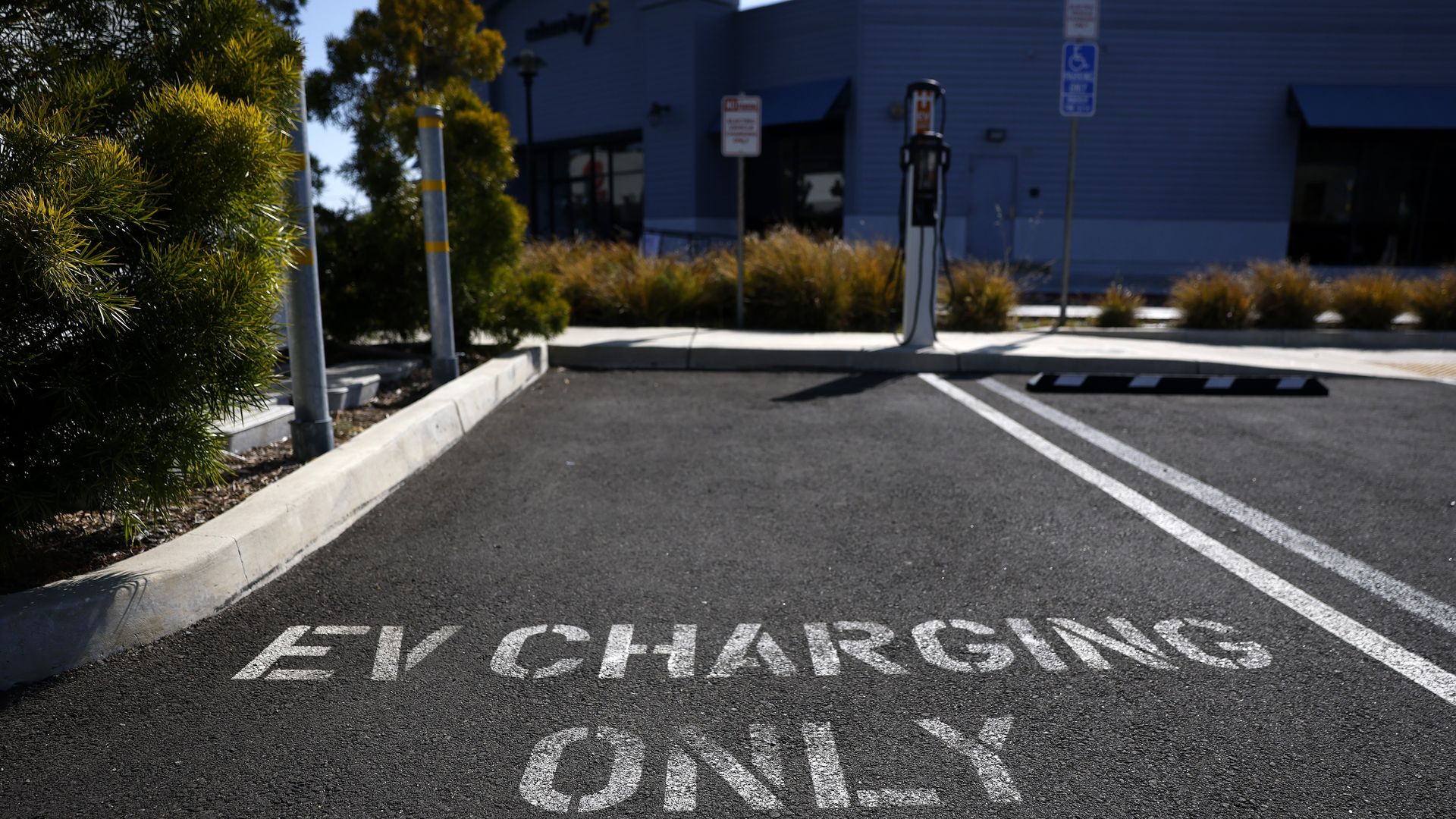
The Supreme Court ruled Friday that fuel producers have standing to challenge EPA approval of California vehicle emissions and electric vehicle policies.
Why it matters: The 7-2 decision enables more lines of attack against California officials, who are already battling GOP and Trump 2.0 efforts to thwart rules that go beyond federal standards.
Aflac, a U.S. insurance provider that covers millions of policyholders, warned some of its customers' most sensitive data may have been stolen in a recent cyberattack.
Why it matters: Aflac warned that a "sophisticated cybercrime group" was behind the intrusion and said many insurance providers are currently battling the same group.
More than 16 billion login credentials for Google, Facebook, Apple and other platforms have been exposed in one of the largest databases of cybersecurity breaches of all time, according to a Cybernews report.
Why it matters: Researchers say that this "is not just a leak — it's a blueprint for mass exploitation," the report said.
Meta is in advanced talks to hire Daniel Gross and Nat Friedman as part of its new AI lab, per multiplereports. It also would take a stake in the pair's venture capital firm, NFDG.
Why it matters: This would be the second time this month that Meta has poached the top exec of an AI decacorn, as Gross currently serves as CEO of Safe Superintelligence.
CANNES, France — The doubling of global ad revenue to $1 trillion over the past decade has ushered in a new wave of companies eager to sell consumer attention.
Why it matters: This week's Cannes Lions demonstrated that the annual festival for creativity and advertising has quickly become one of the most important global convening spaces not just for brands and agencies, but for celebrities, athletes, influencers and creatives looking to tap into that growth.
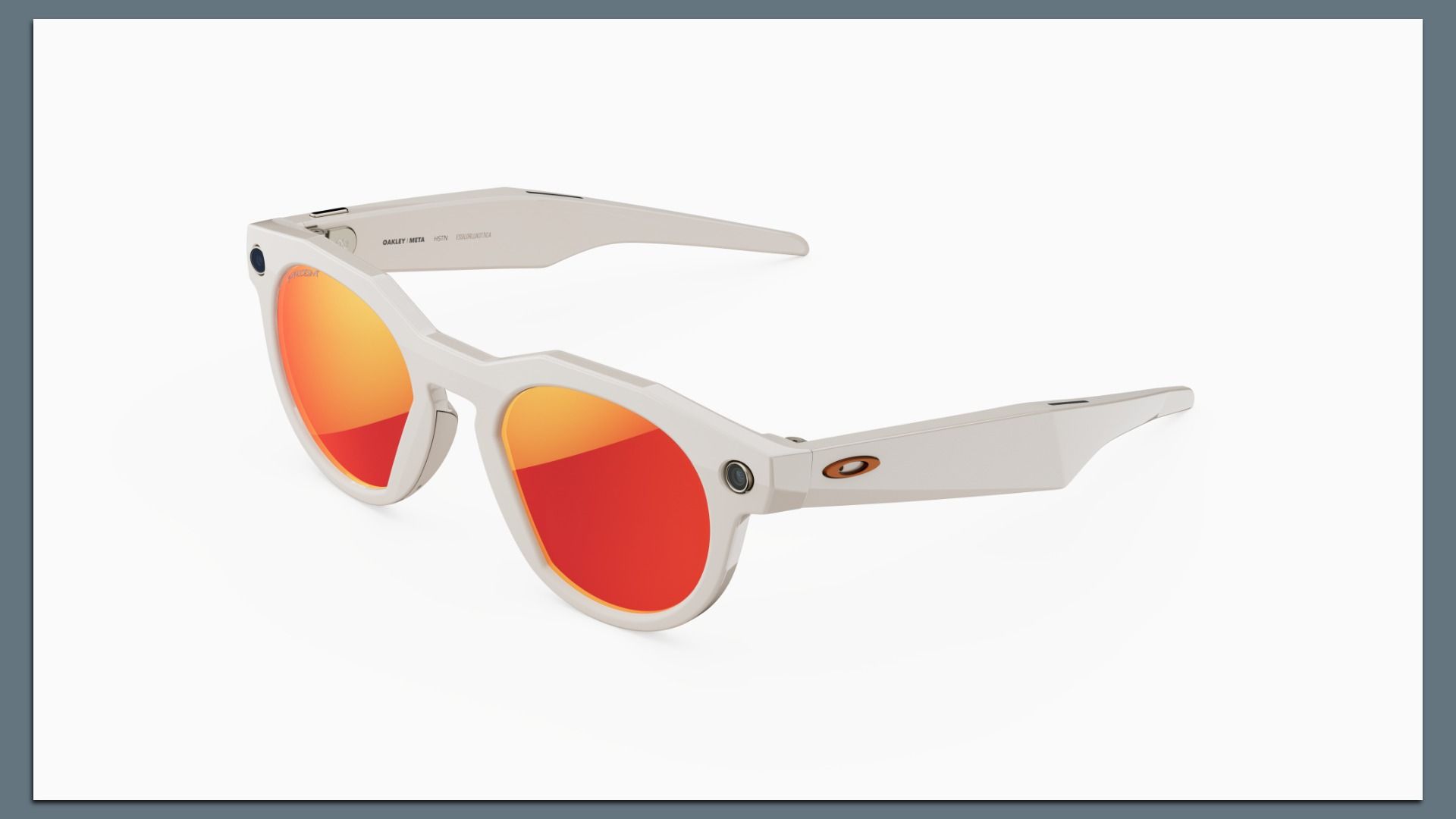
Meta on Friday announced its first set of Oakley-branded smart glasses, touting upgraded camera and battery performance over its current crop of Ray-Bans.
Why it matters: Smart glasses could be the next big platform for AI interaction.
Chief executives are giving employees an AI fright — warning them the new technology could make many workers obsolete, while at the same time urging them to start using it right away.
Why it matters: That's a scary and mixed message, and fear is generally considered to have a bad track record as a management technique. At the extremes, managers could actually wind up inhibiting workers from adapting to AI.
Small business leaders are beginning to embrace generative AI, but not enough to pay much for it, per a new survey of 1,000 businesses by U.S. Bank.
By the numbers: 36% of these small business owners say they're already using generative AI, and another 21% say they expect to start doing so over the coming year, the survey found.








/2025/06/20/1750436691139.gif?w=3840)



/2025/06/18/1750277348812.gif?w=3840)