The drama surrounding the film "It Ends With Us" and its stars Justin Baldoni and Blake Lively was the comms topic du jour over the holiday break.
Lively filed a complaint last month with the California Civil Rights Department accusing Baldoni, who also directed the movie, and his PR team of orchestrating a smear campaign against her.
Baldoni has denied the allegations and has since filed a libel suit against the New York Times.
Private texts were disclosed. Hollywood publicists started suing each other. It got messy, fast.
Why it matters: The practice of "astroturfing" — defined as "disguising an orchestrated campaign as a spontaneous upwelling of public opinion" — is a tactic corporate communicators should prepare for.
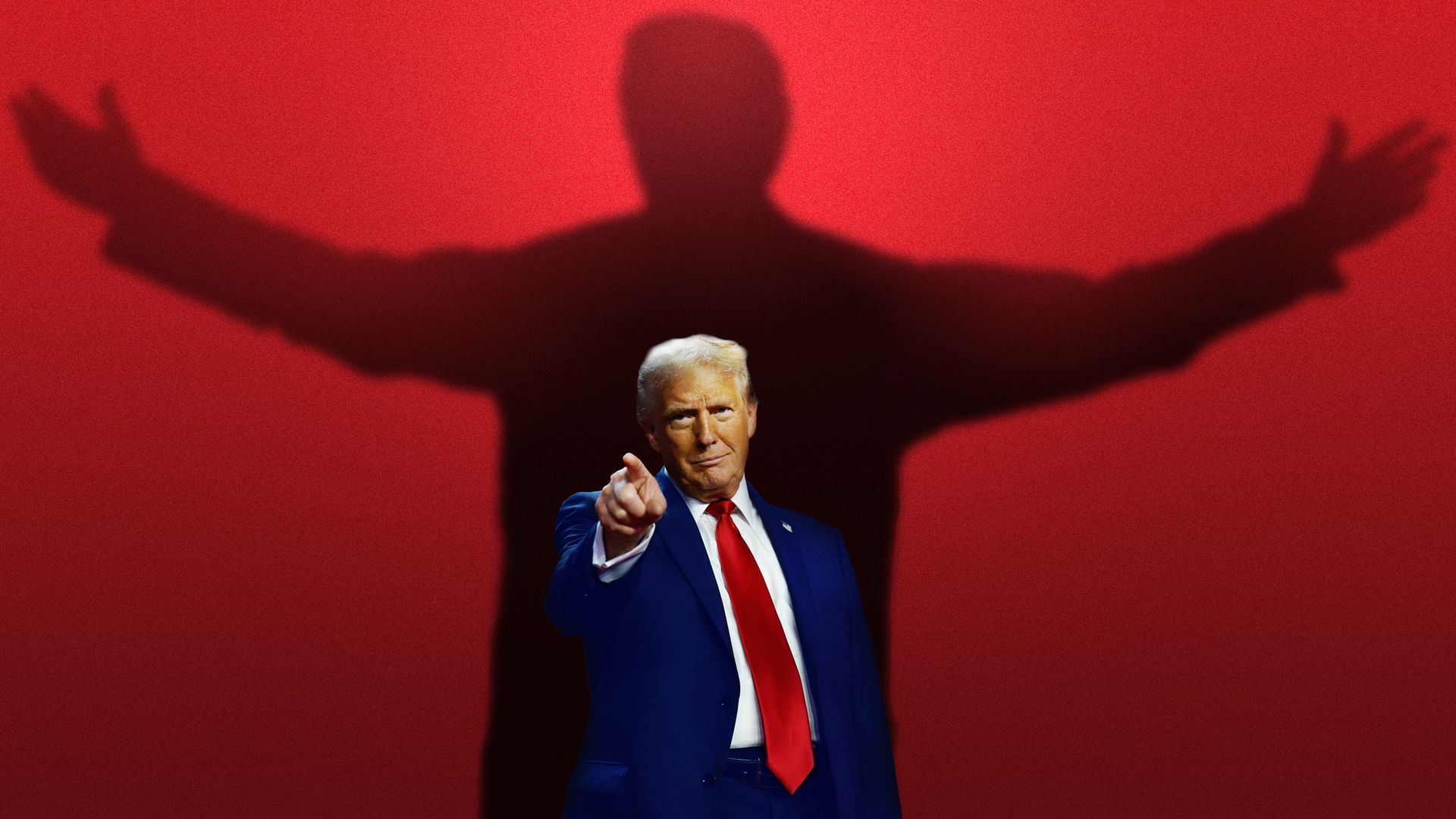
President-elect Trump — whose power was immense after his comeback win, enhanced by the coming full Republican control of Congress — has expanded that power substantially in the nine weeks since his victory.
Why it matters: It's rare, if not unprecedented, for a newly elected leader to have so many world leaders and CEOs shift their policies or posture so blatantly during the transition to curry favor with a new president.
Investors may have flocked to health care AI companies in recent years, but funding has leveled off and backers are "becoming more selective and emphasizing clinical validation and solid business models," a new PitchBook report concludes.
Why it matters: AI has certainly received a lot of hype in health care, and its theoretical benefits are enormous. But it still hasn't fully proved itself in the real world and is facing several challenges.
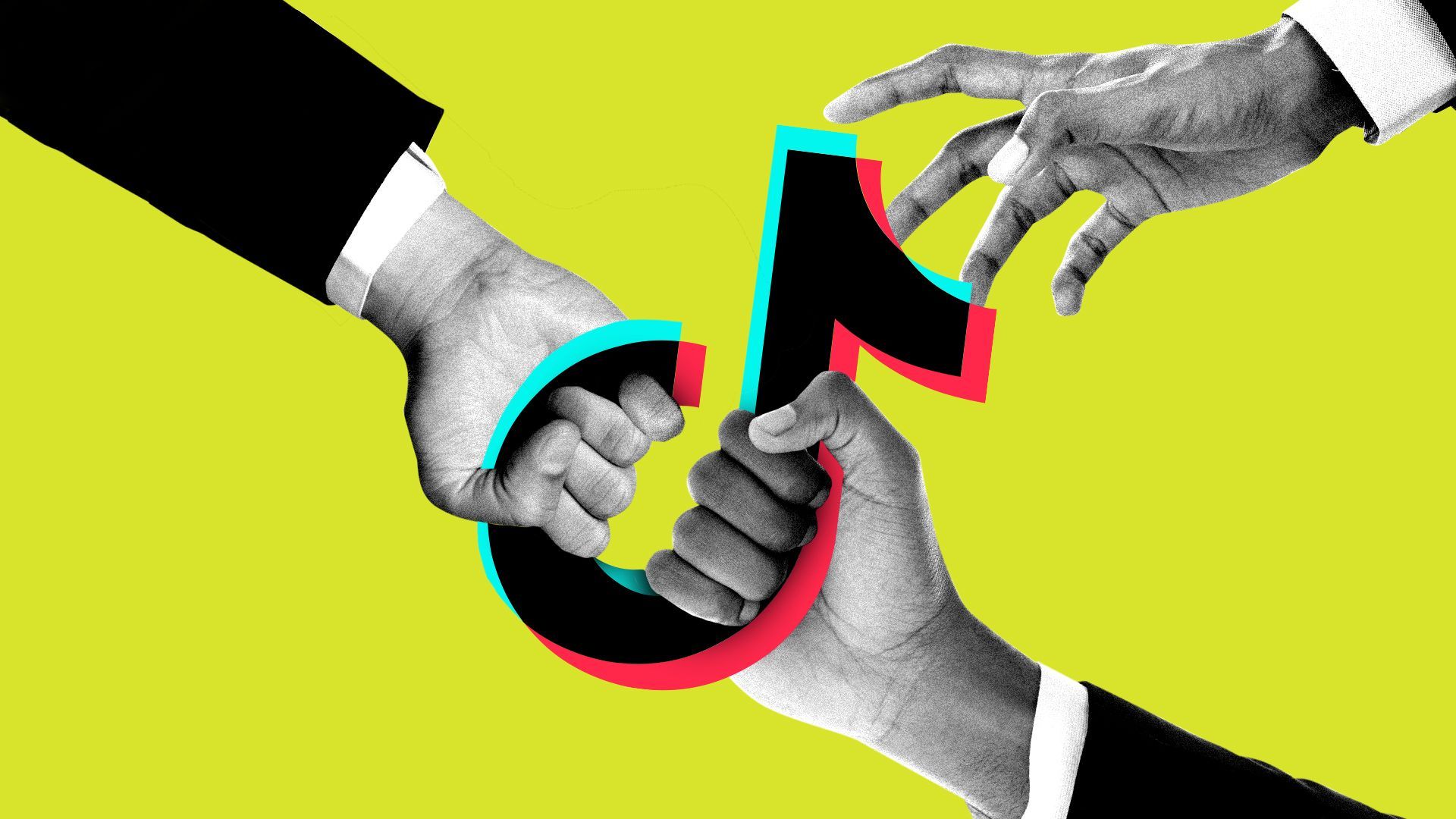
President-elect Trump's highly unusual intervention in the Supreme Court'sTikTok case reads almost like a guy asking for a favor from an institution that still runs on formality.
The big picture:Trump's last-minute effort to give TikTok a stay of execution is one more twist in a case that already scrambles every ideological dividing line.
Why it matters: Trump — always in campaign mode — and some of his GOP allies are seizing on the wildfires to try to score political points against a Democratic governor who's widely seen as a potential 2028 contender for the White House.
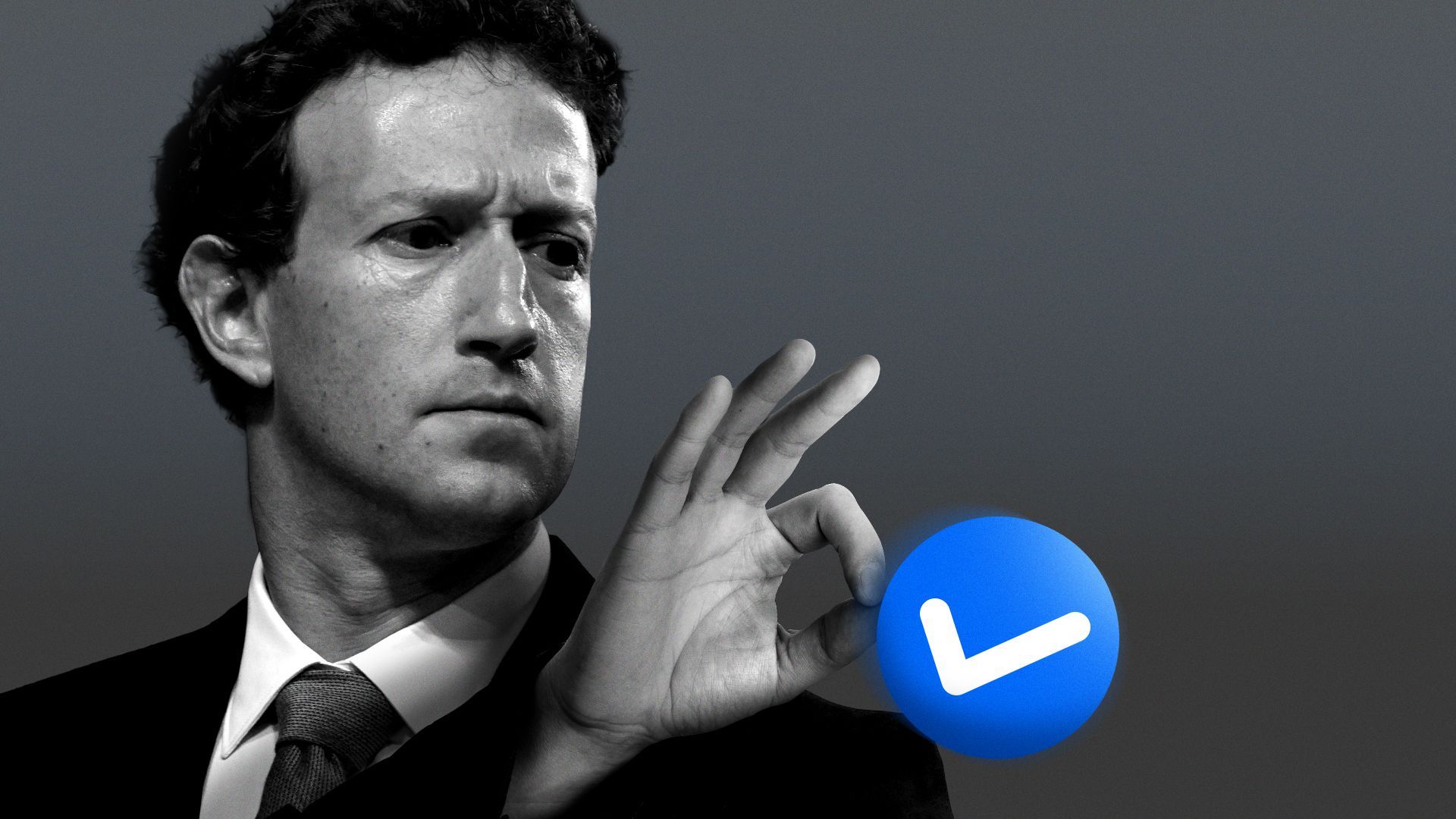
Why it matters: Meta's move to do away with third-party fact checkers made headlines, but some experts are even more troubled by policy shifts they say could chill online speech and lead to more real-world violence.
AI hyperscaler Anthropic is in advanced talks to raise $2 billion led by Lightspeed Venture Partners at a $60 billion post-money valuation, as first reported by the WSJ.
Why it matters: This would make Anthropic the world's seventh most valuable startup, despite ongoing losses and less than $1 billion of annualized revenue.
The Biden administration's final rules for technology-neutral energy tax credits won praise from renewable energy groups but criticism from fuel cell companies.
Why it matters: The Clean Electricity Investment and Production Tax Credits — known as 45Y and 48E — apply to projects beginning construction this year. The rules were issued Tuesday.
Three massive, concurrent tectonic shifts are reordering in dramatic ways how America and the world will get, and consume, information in the years ahead:
Trust in traditional media is vanishing.
Where people are getting information instead has shattered into dozens of ecosystems.
The world's most powerful social platforms — X, Facebook, Instagram — no longer police speech or information.
Tech's rightward lurch toward anything-goes rules for the online world comes at a formative moment for AI.
Why it matters: The first debates over generative AI after ChatGPT rocketed to fame two years ago focused on "guardrails" — rules to protect humanity from runaway superintelligence and everyday users from bias and privacy violations.
Distinguishing truth from falsehood is frustrating, endless, thankless work — and now Mark Zuckerberg is walking away from it.
The big picture: Facebook's latest content-moderation pivot looks like part of a plan to win over Donald Trump as he takes power again. But the field Zuckerberg is abandoning is one he never wanted to play on in the first place.
The suspect responsible for the Tesla Cybertruck blast in Las Vegas on New Year's Day used AI to plan the explosion, authorities said Tuesday.
The big picture: Matthew Alan Livelsberger searched ChatGPT to get information on how to carry out his plot, including how many explosives he would need and what pistol would set them off, the Las Vegas Metropolitan Police Department said during a news conference.