Former NSA cyber official Rob Joyce is joining Maryland-based startup foundry DataTribe as a venture partner.
Why it matters: The foundry's portfolio companies will now have access to Joyce's more than three decades of experience fighting foreign government hackers.
Zoom in: DataTribe invests in only three seed-stage cybersecurity startups each year, and the foundry plays a hands-on role in fostering the companies.
Most of the founders DataTribe invests in have a background in the intelligence community or broader national security world.
The organization is behind several top cyber startups, most notably critical infrastructure company Dragos.
🇨🇳 A deep dive into how China-backed hackers exploited a slew of unpatched network devices to carry out some of the largest hacks of U.S. infrastructure in history. (Wall Street Journal)
🪖 U.S. officials are increasingly worried about the security of several organizations in Guam after finding multiple China-linked intrusions on the island. (Bloomberg)
👀 A Chinese government official said recent U.S. sanctions against Beijing-based cybersecurity company Integrity Technology Group are part of an effort to "defame and smear China." (Associated Press)
@ Industry
💔 Tenable CEO Amit Yoran died unexpectedly Friday after a battle with cancer. (CNBC)
Never has it been easierto spread misinformation at scale — with less concern about media meaningfully policing it, Jim VandeHei and Mike Allen write in a "Behind the Curtain" column.
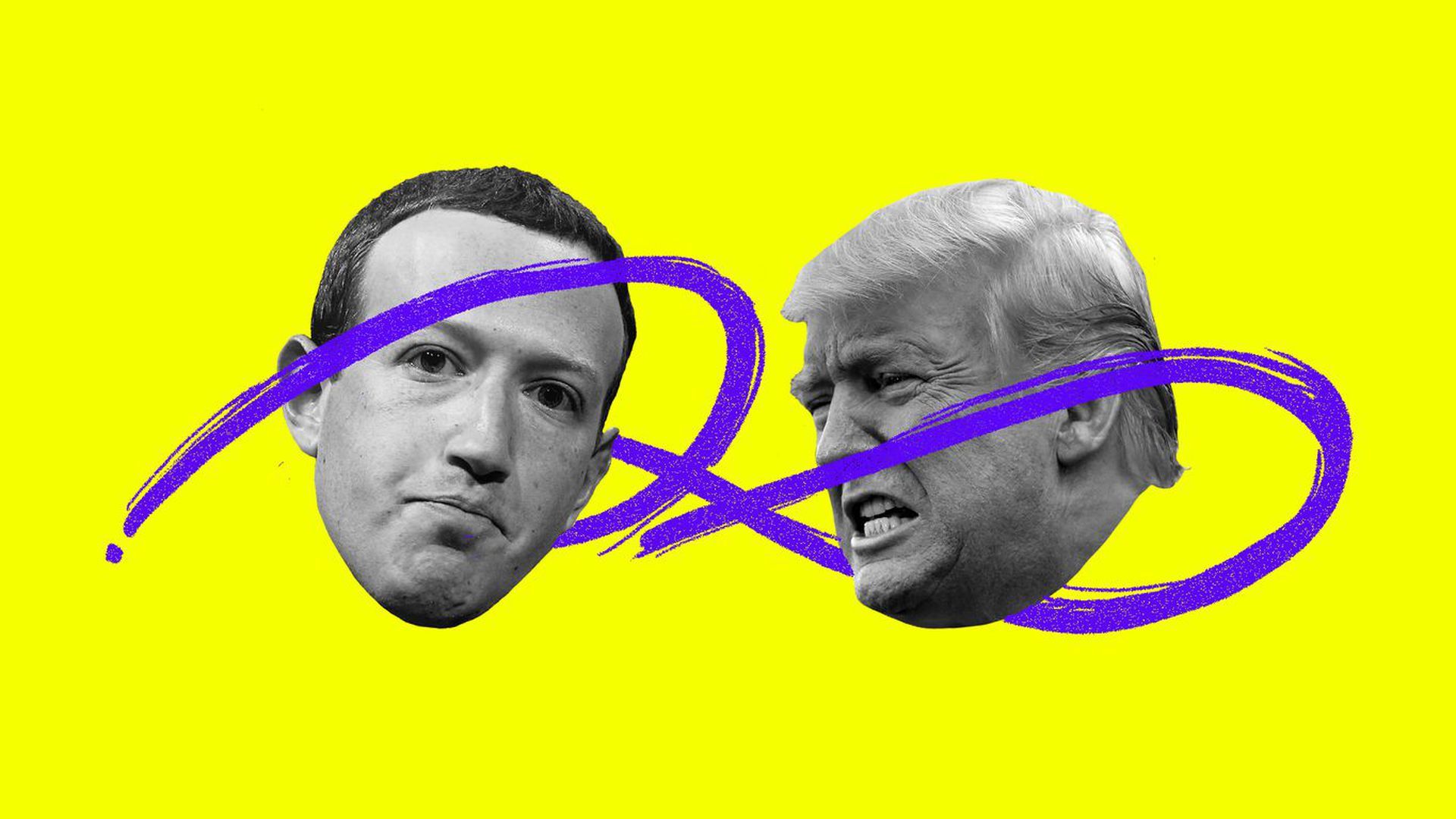
Why it matters: Elon Musk and Mark Zuckerberg are of one mind. The most powerful global information platforms should be governed by free speech — and the people — not by the platforms themselves.
Meta announced Tuesday that it will end its fact-checking program on its platforms in exchange for X-style community notes as part of a slate of changes targeting "censorship" and embracing "free expression."
Why it matters: It's part of a growing trend among online platforms, which are shifting away from policing misinformation and content amid charges of bias. The shift will have consequences for digital safety and young users.
The world has about two years to prepare for AI-powered cyber weapons capable of evading current security tools, a NATO-backed security startup warned in a new report shared first with Axios.
Why it matters: Companies need to start budgeting for better cyber defenses right now.
Technical roles — specifically those focused on artificial intelligence —are the fastest growing jobs in the U.S. according to LinkedIn's Jobs on the Rise list, out Tuesday.
Why it matters: 60% of the jobs are new to the list this year, and roughly half of these professions didn't exist 25 years ago.
TikTok's sister app Lemon8 has been sponsoring posts on TikTok encouraging users to migrate to Lemon8 amid a looming ban threat, according to sponsored posts viewed by Axios.
Why it matters: The TikTok ban law also applies to other apps owned by TikTok's Chinese parent ByteDance, like Lemon8.
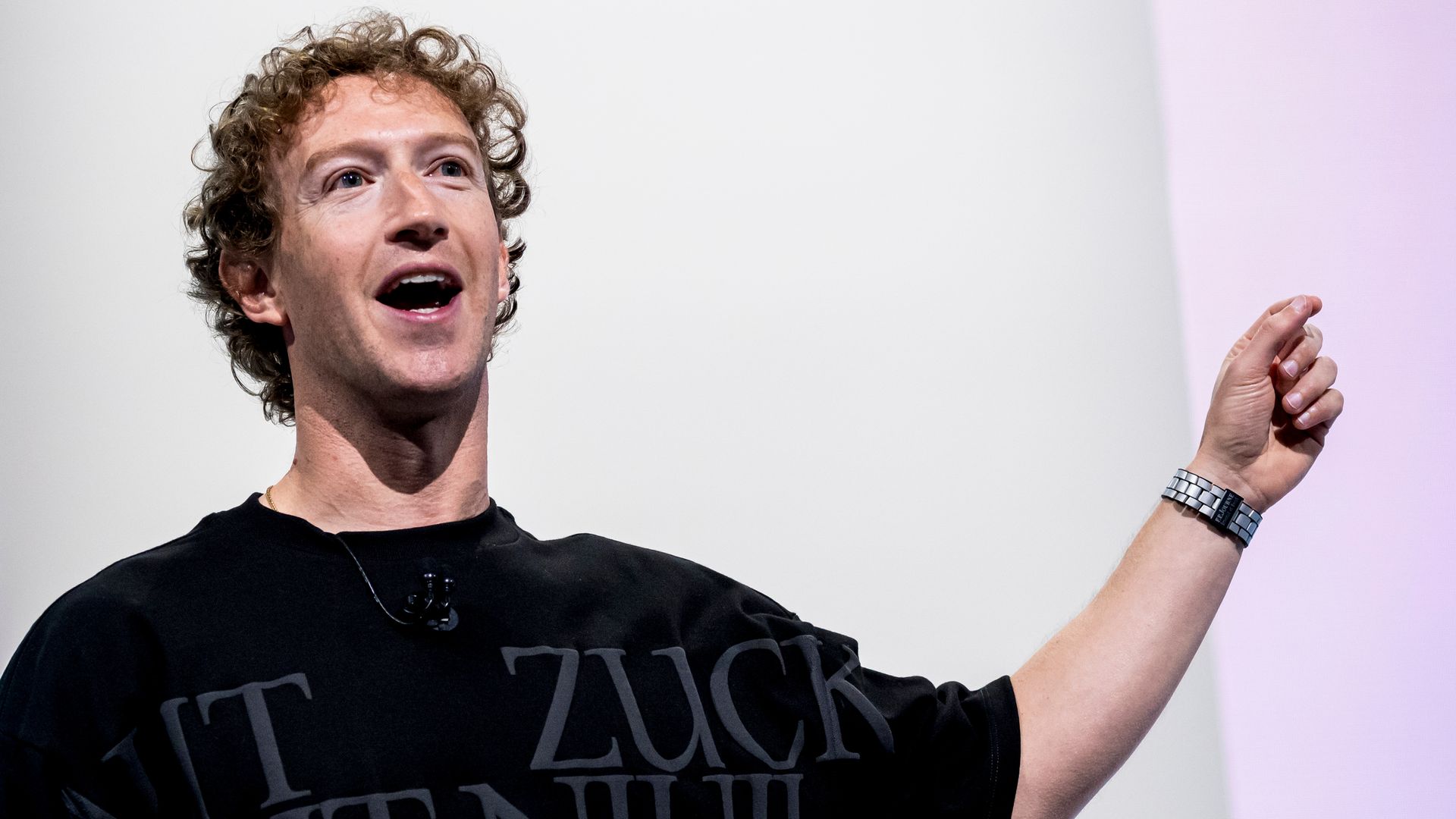
Mark Zuckerberg moved further in the direction of MAGA on Monday, when he appointed three white men, including UFC chief executive and Trump friend Dana White, to the board of directors of Meta.
Why it matters: We're a long way from 2022, when Peter Thiel resigned from the same board in order to be able to support Trump-aligned candidates.
OpenAI's announcement of its new o3 reasoning model has triggered another wave of anxiety among some computer science majors who fear AI will edge them out of the job market.
Why it matters: The new OpenAI model, though not yet widely available, is likely to power ChatGPT and other services eventually, and its capacity to independently tackle larger-scale projects could disrupt many professions.