Alphabet's strong third quarter triggered a sigh of relief among investors who remain just as focused on the company's core products as its ballooning AI investments.
Why it matters: Companies — Big Tech in particular — have been eager to strut their AI strategies to Wall Street. But those plans require big spending, and that cash has to come from somewhere.
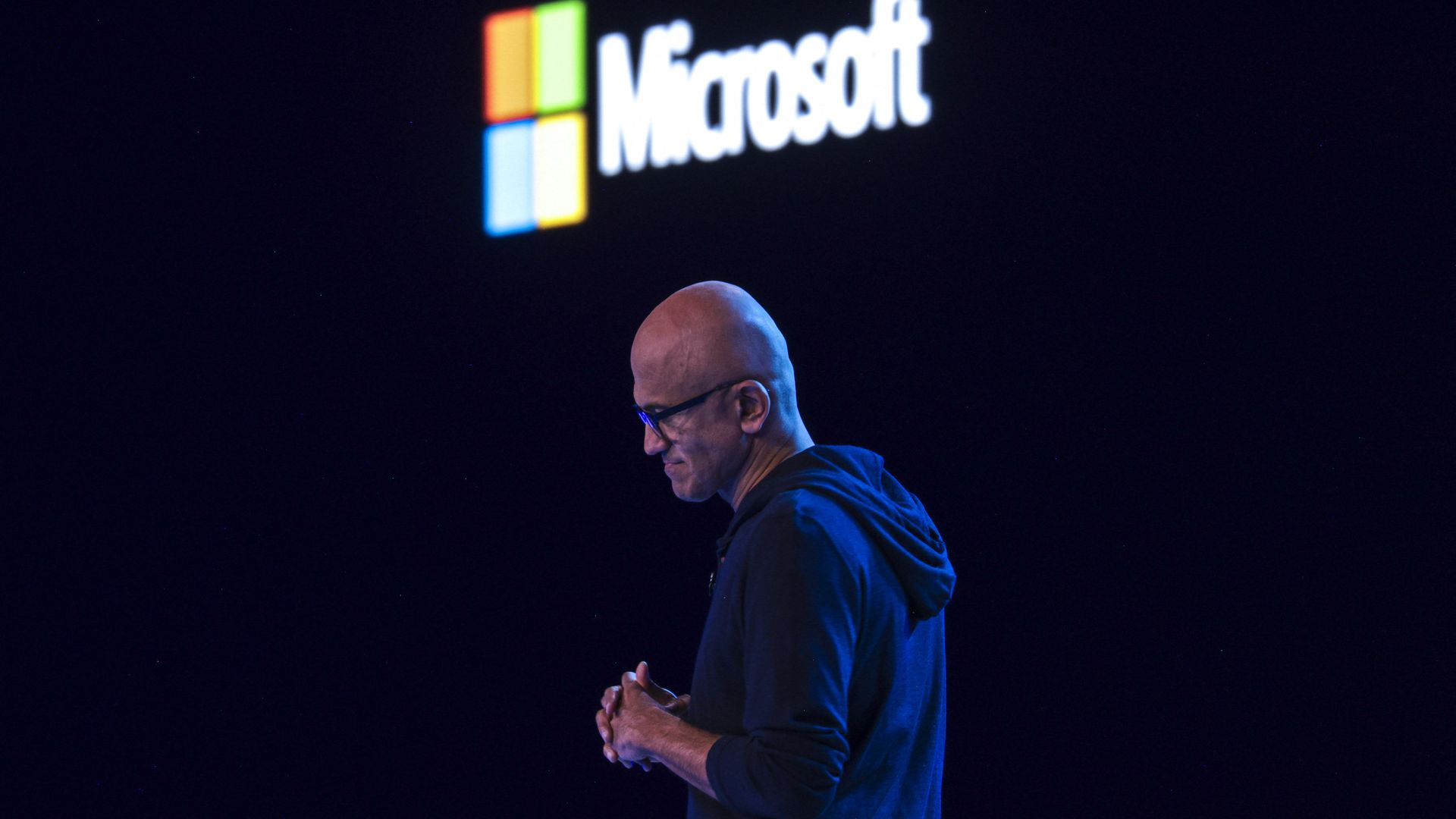
Microsoft CEO Satya Nadella said Wednesday that the company's AI business will soon hit a $10 billion annual run rate, the fastest product category to reach that mark.
Why it matters: The newly provided figure shows how Microsoft is seeing additional revenue, largely from its Azure cloud business, but also across other areas including its Microsoft 365 productivity business.
The Delaware attorney general sent a letter to OpenAI's lawyers earlier this month asking for more information about the nonprofit company's plan to convert to a for-profit entity, Axios has learned.
Why it matters: Billions of dollars in investments are on the line for OpenAI — and because the nonprofit is incorporated in Delaware, the state's AG could in theory challenge its plan and gum up the works.
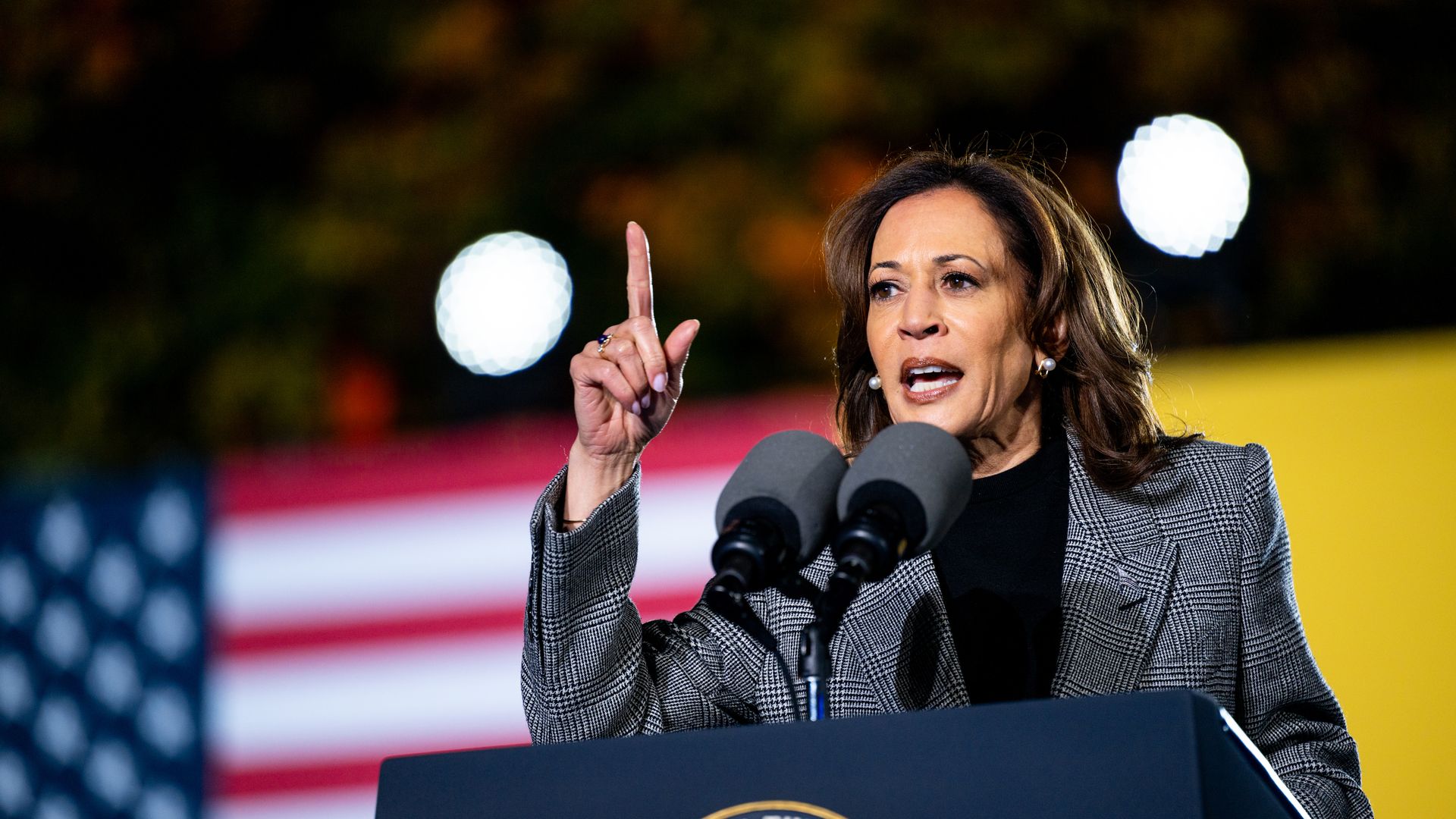
Vice President Harris' and her campaign are seizing on a Trump rally speaker's racist jokes about Puerto Rico this weekend to woo Latino voters in the election's home stretch.
Why it matters: Comedian Tony Hinchcliffe's racist jokes have infuriated Puerto Ricans and Latinos across the country, who make up sizable voting blocs in several key swing states with only days left in the campaign.
A new mixed-reality project uses the voice and images of a Holocaust survivor to take viewers into the "Night of Broken Glass", the Kristallnacht, and the terror of deportations to concentration camps.
xAI is in talks to raise "several billion dollars" at around a $40 billion valuation, just five months after it raised $6 billion at a $24 billion valuation, per The Wall Street Journal.
Why it matters: This illustrates how frontier model developers are the most capital-intensive startups ever, leaving early-aughts cleantechs in their digital dust.
Tech and utility giants are backing a new project that envisions data centers becoming a benefit to power grids, not just a huge source of energy demand.
Why it matters: AI-fueled data center growth risks straining grids and making decarbonization harder.
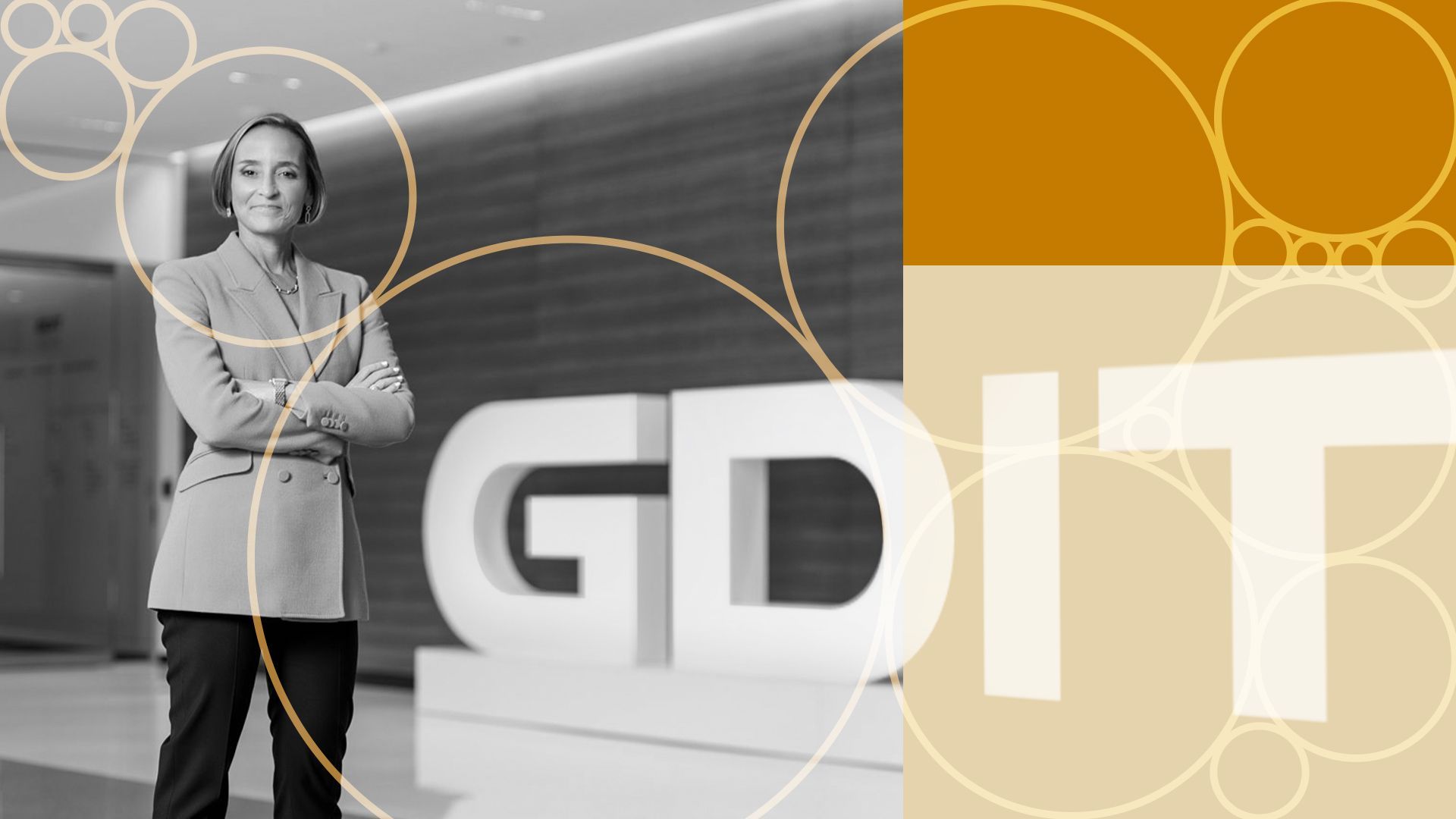
The "incredible" technology that will shape tomorrow's wars has already arrived, according to Amy Gilliland, the president of General Dynamics Information Technology.
Success will be determined by its application and eventual mastery, she told Axios in an interview at GDIT's headquarters in Falls Church, Virginia.
Why she matters: Gilliland, a former U.S. Navy surface warfare officer, leads a division of General Dynamics shaping everything from cybersecurity to artificial intelligence adoption.
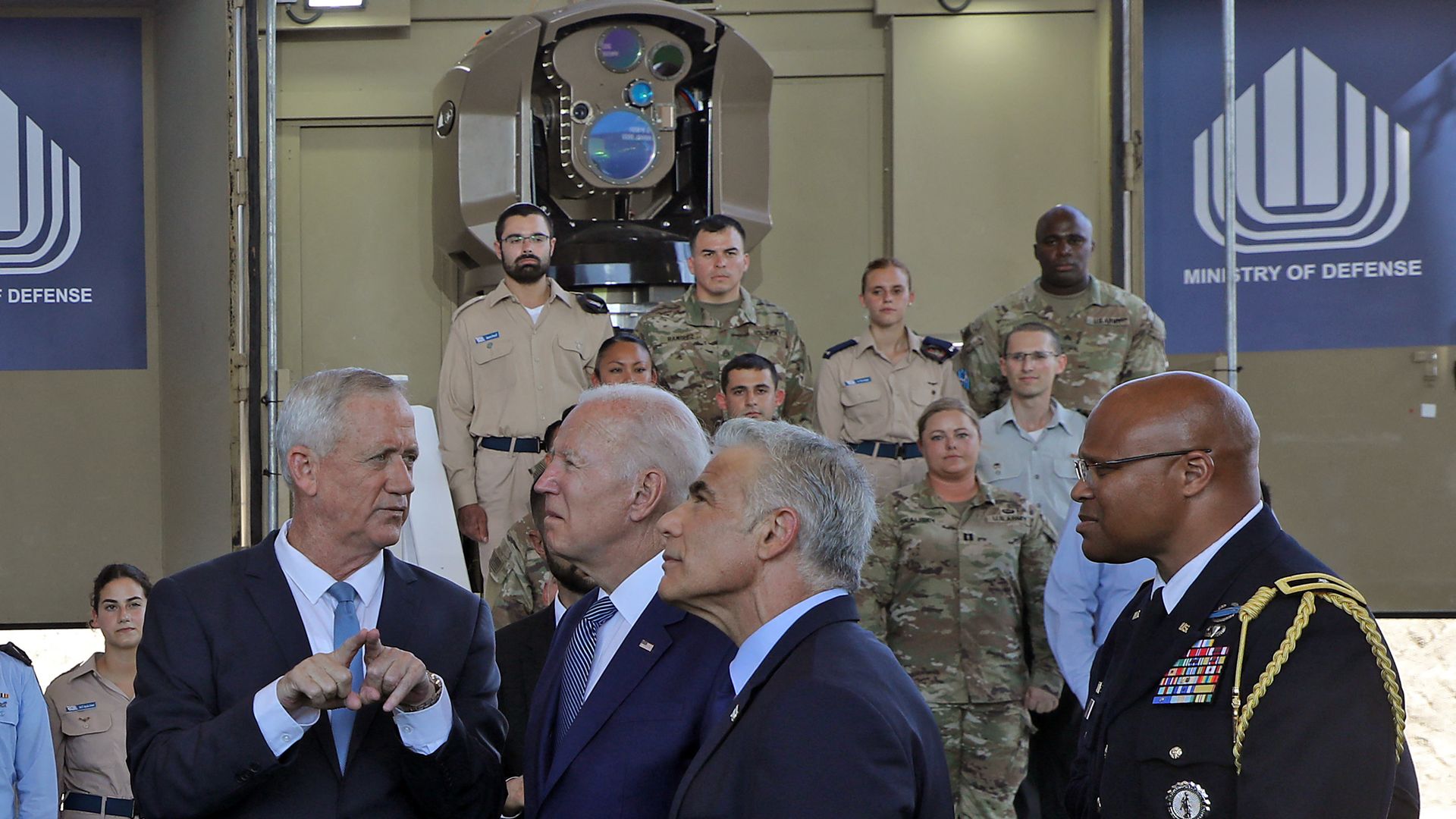
Israel is spending more than $500 millionto ramp up production of Iron Beam, a futuristic laser meant to shield the country from mortars, rockets and drones.
Why it matters: The funds vouch for directed-energy weapons, which are not yet widely adopted and polarize defense-tech watchers.
To Dino Mavrookas, a single good boat doesn't matter.
"At the end of the day, how you change the maritime battlefield is through scale," Mavrookas, a former Navy SEAL, told Axios during a tour of his company Saronic's facilities in Texas. "Everything we do is, 'Can we get to thousands?'"
As Elon Musk tells it, there are 7 million Tesla robotaxis already on the road today, and humanoid robots will soon do "anything you want" — mow the lawn, buy groceries or walk the dog.
Reality check: Such pronouncements have helped fuel the AI revolution and driven up Tesla's stock price — but in fact,Tesla's cars can't drive themselves, and its Optimus robots, which wowed attendees at a recent event, still need help from human operators.