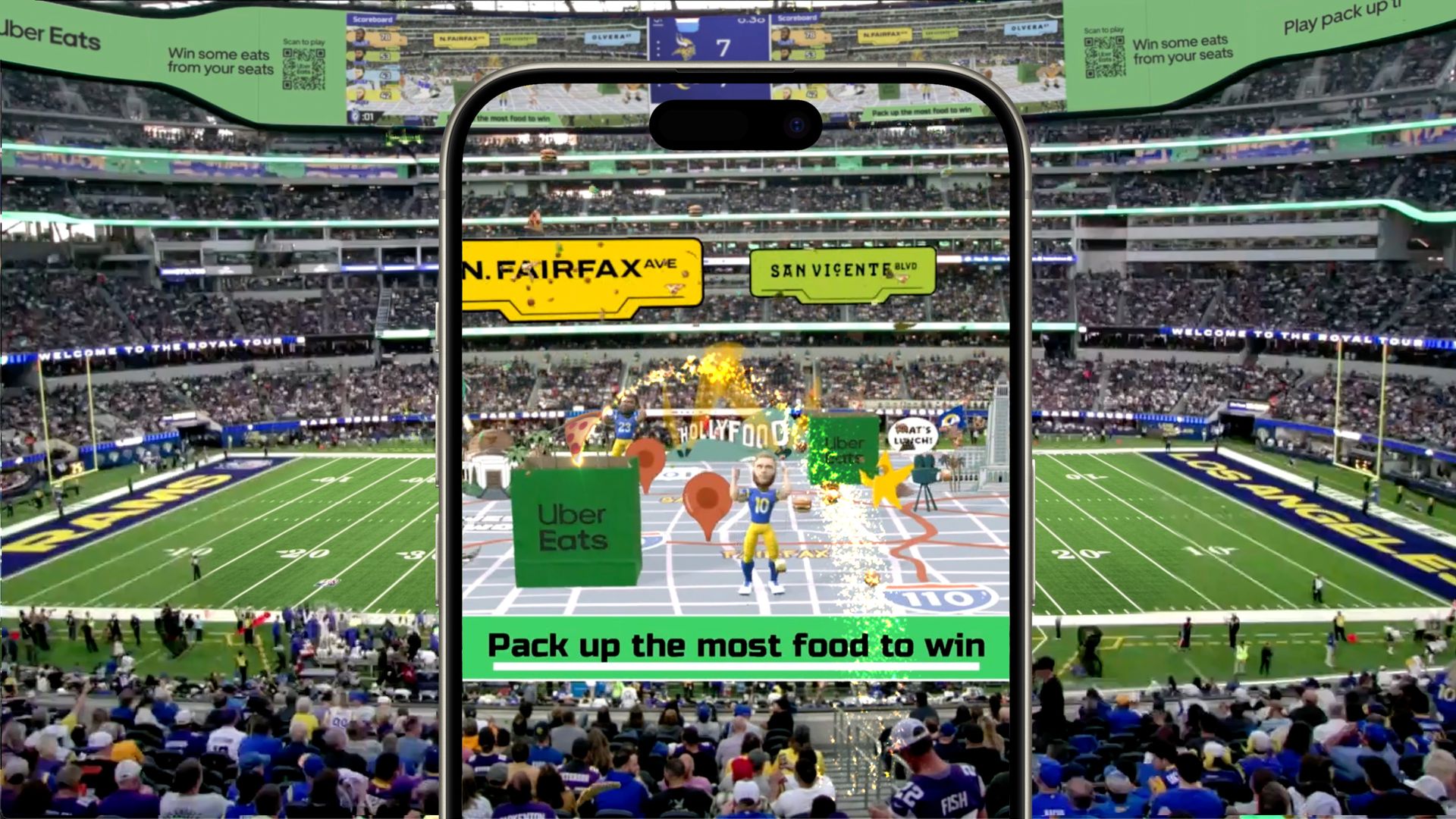
A shared augmented reality (AR) platform from Stagwell is putting its new technology in the hands of football fans.
The big picture: Pro sports teams and the brands that partner with them are looking for more ways to engage with younger audiences who are less likely to actively watch games.
Salt Typhoon, the recently uncovered Chinese hacking group, used its access in U.S. telecommunications networks to target former President Donald Trump, his running mate JD Vance and associates of Vice President Kamala Harris, according to recent reports.
The big picture: Beijing has become more brazen in its attacks on the U.S. government and the country's infrastructure.
Deepfake audio and videos are advancing so quickly that investors believe security tools designed to detect them will soon be a must-have for all companies.
Why it matters: Generative AI has lowered the barrier to entry for attackers who want to create fake audio and video to trick companies.
Stairwell — a cybersecurity company that scans customers' files and other data for signs of an intrusion —is now providing free services to federal political campaigns, the company first shared with Axios.
Why it matters: Hackers are doing whatever they can to cause chaos in the U.S. election cycle and steal confidential information from political campaigns this year.
Sierra, a builder of custom AI agents for enterprise customer service, raised $175 million led by Greenoaks Capital at a $4.5 billion valuation.
Why it matters: This is the poster child for most AI roads leading back to Google or OpenAI, as Sierra is co-founded by search giant vets Clay Bavor and Bret Taylor (who also chairs OpenAI's board).
Meta took issue with a new definition of open source AI that would require model creators to detail their sources of training data, among other rules, to meet the standard.
Why it matters: Meta makes its Llama models freely available for others to use, but doesn't provide full disclosure of all of the elements that go into them.
Generative AI is already transforming higher ed, giving students more access to professors' expertise and boosting efficiency for both faculty and students in some fields.
Why it matters: For many college students, the world of "personal AI tutors for everyone" promised by techno-optimists is already here.
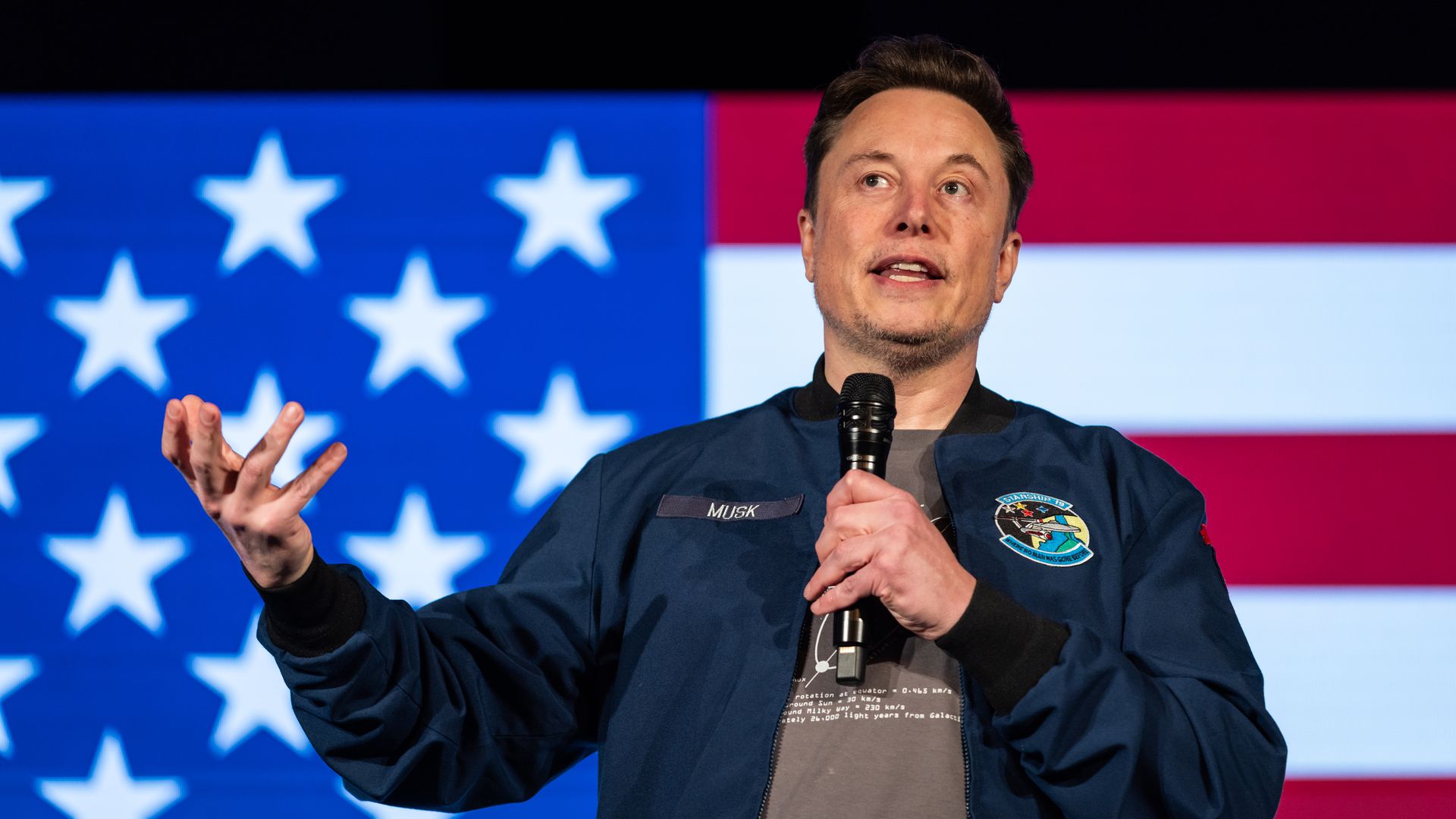
Why it matters: The situation puts the government in the difficult position of choosing to continue its relationship with Musk despite the liability he could pose, or sever ties and lose access to services it relies on.
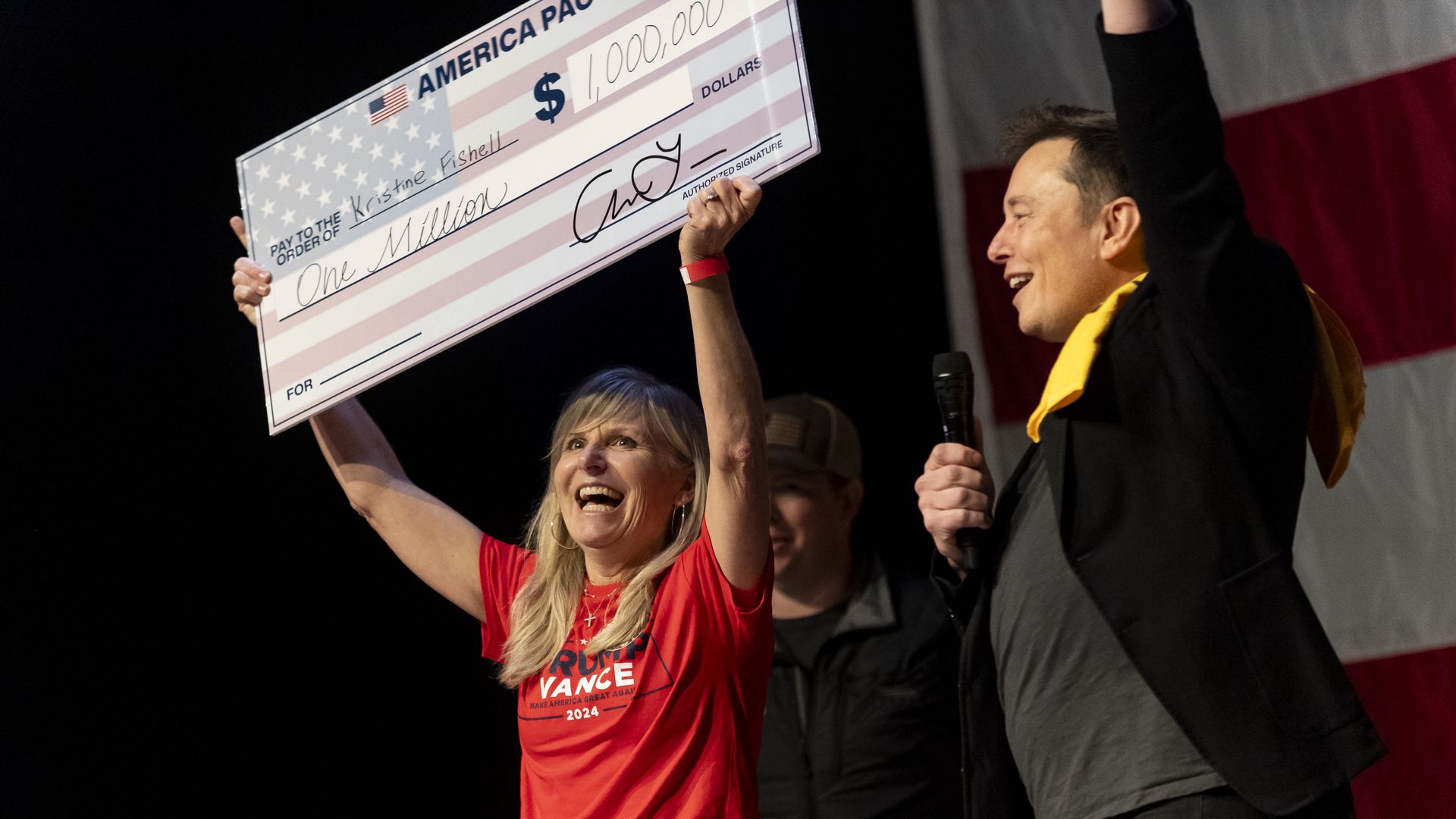
Why it matters: Musk's pro-Trump super PAC, which has already given out more than $9 million, is under increasing pressure to stop the lottery after the Justice Department warned last week that it could violate federal law.
While AI's boosters predict the technology will solve education's most persistent woes by providing personalized AI-powered tutors for K-12 kids, the ed tech trenches harbor plenty of skeptics, too.
The big picture: Ed tech companies have been trying to create personalized learning for decades, but so far have had mixed results.
Apple is slated to have a very busy week introducing new Macs, reporting earnings and expanding testing of Apple Intelligence features.
State of play: The company opted to forego a second in-person event after the announcement of new iPhones last month, instead dribbling out news of devices capable of running AI experiences.




/2024/10/29/1730165441587.gif?w=3840)