When a group of investors boughtLGBTQ+ dating app Grindr from Beijing Kunlun Tech in 2020, the key to getting U.S. regulatory blessing was to sever connections to China and establish full American decision-making over the company.
Why it matters: ByteDance doesn't seem keen on selling off TikTok, and reportedly prefers to shut down the app. But Grindr still offers a prominent example of what could happen if ByteDance goes along with divestiture.
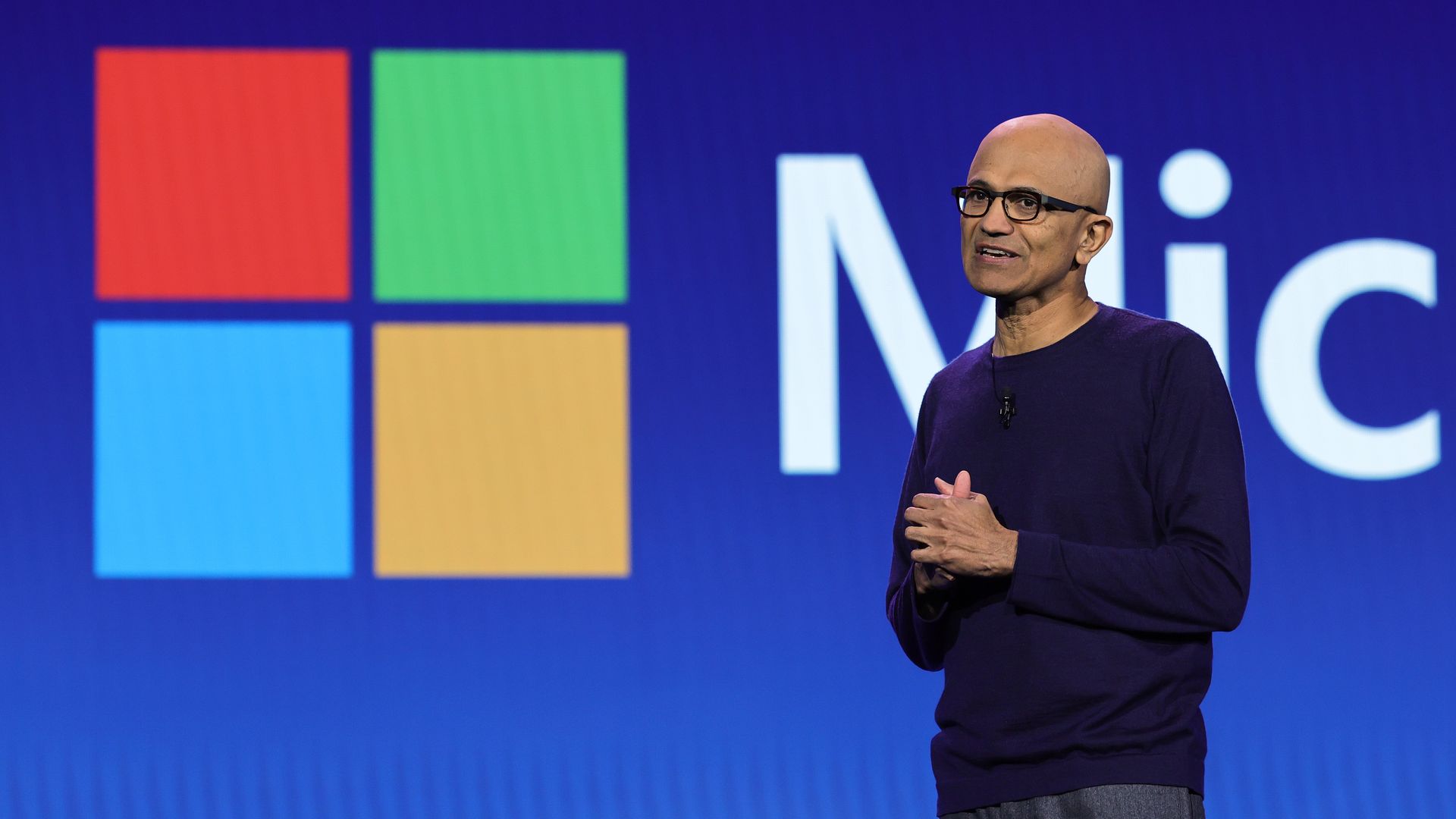
Microsoft CEO Satya Nadella told analysts on an earnings call Thursday that the company is increasing its focus on cybersecurity.
Why it matters: Government officials and customers have been losing trust in Microsoft following a wave of recent nation-state cyberattacks targeting its products.
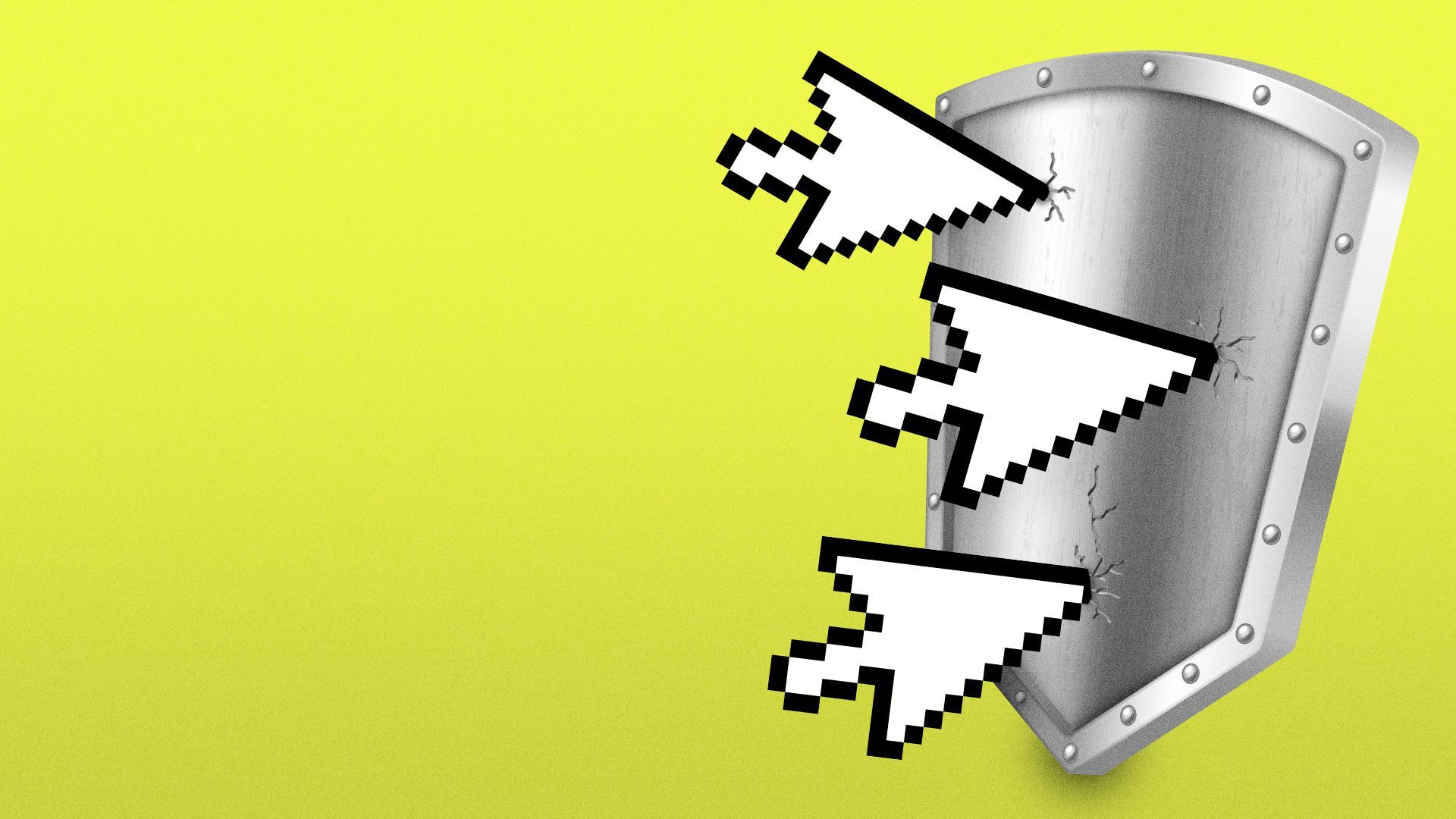
Some large language models already have the ability to create exploits in known security vulnerabilities, according to new academic research.
Why it matters: Government officials and cybersecurity executives have long warned of a world in which artificial intelligence systems automate and speed up malicious actors' attacks.
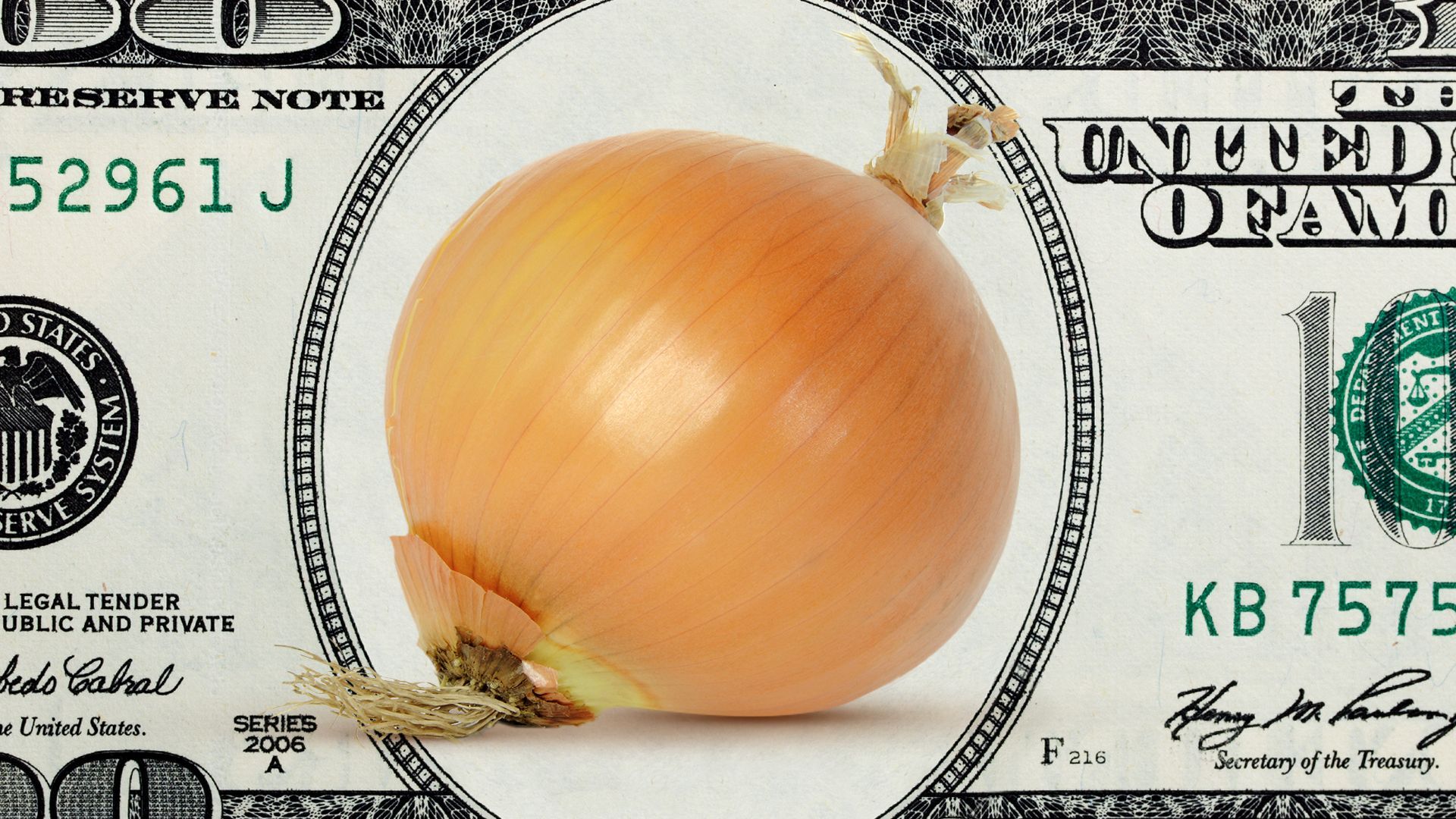
The Onion has finally peeled off its private equity layer, with Great Hill Partners portfolio company G/O Media selling the satirical site to a group led by ex-Twilio CEO Jeff Lawson.
Why it matters: There aren't too many content brands that are still widely adored. The Onion is one of them, and now gets a new chance at financial viability.
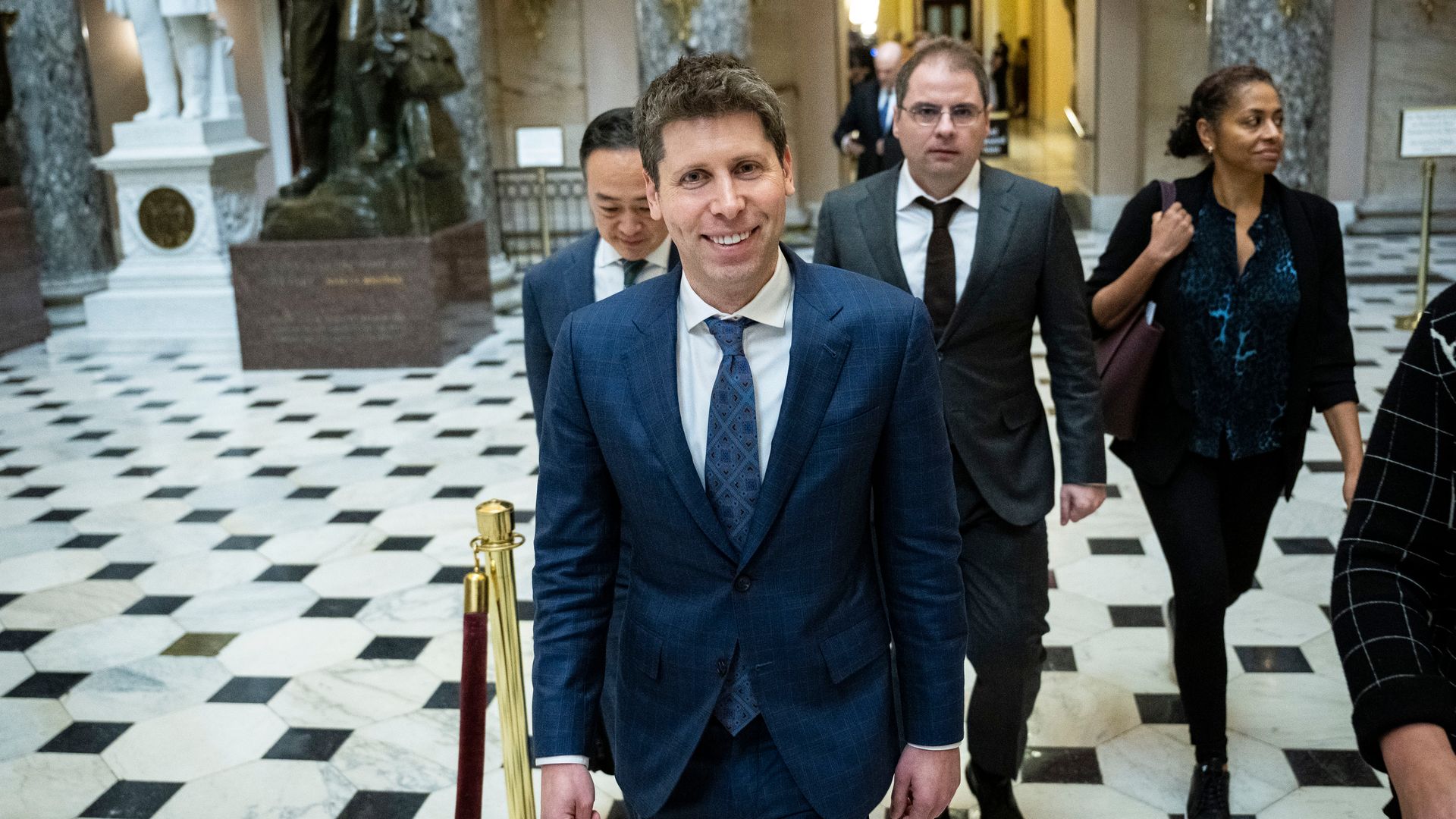
Homeland Security Secretary Alejandro Mayorkas said Friday he courted OpenAI CEO Sam Altman and other AI leaders to join a new federal Artificial Intelligence Safety and Security Board.
Why it matters: The board is full of AI heavyweights, including the CEOs of Microsoft, Google and IBM — bringing together fierce competitors and egos in an effort to ensure AI works in the national interest.
It might take a village (of regulations) to tame carbon dioxide emissions from coal-fired power plants, Ben writes.
The big picture:New carbon rules grabbed the biggest headlines this week, but the Environmental Protection Agency also toughened requirements yesterday on other types of coal pollution.
The intrigue: TD Cowen, in a note, called this de facto insurance for addressing coal's climate impact.
"The likelihood of judicial remand is high — hence the importance of three other rules, which are more narrowly tailored, yet still raise operational costs for coal-fired assets."
They see "significant coal retirements" from the mercury and air toxics standards in concert with new wastewater rules, even if CO2 mandates face legal setbacks.
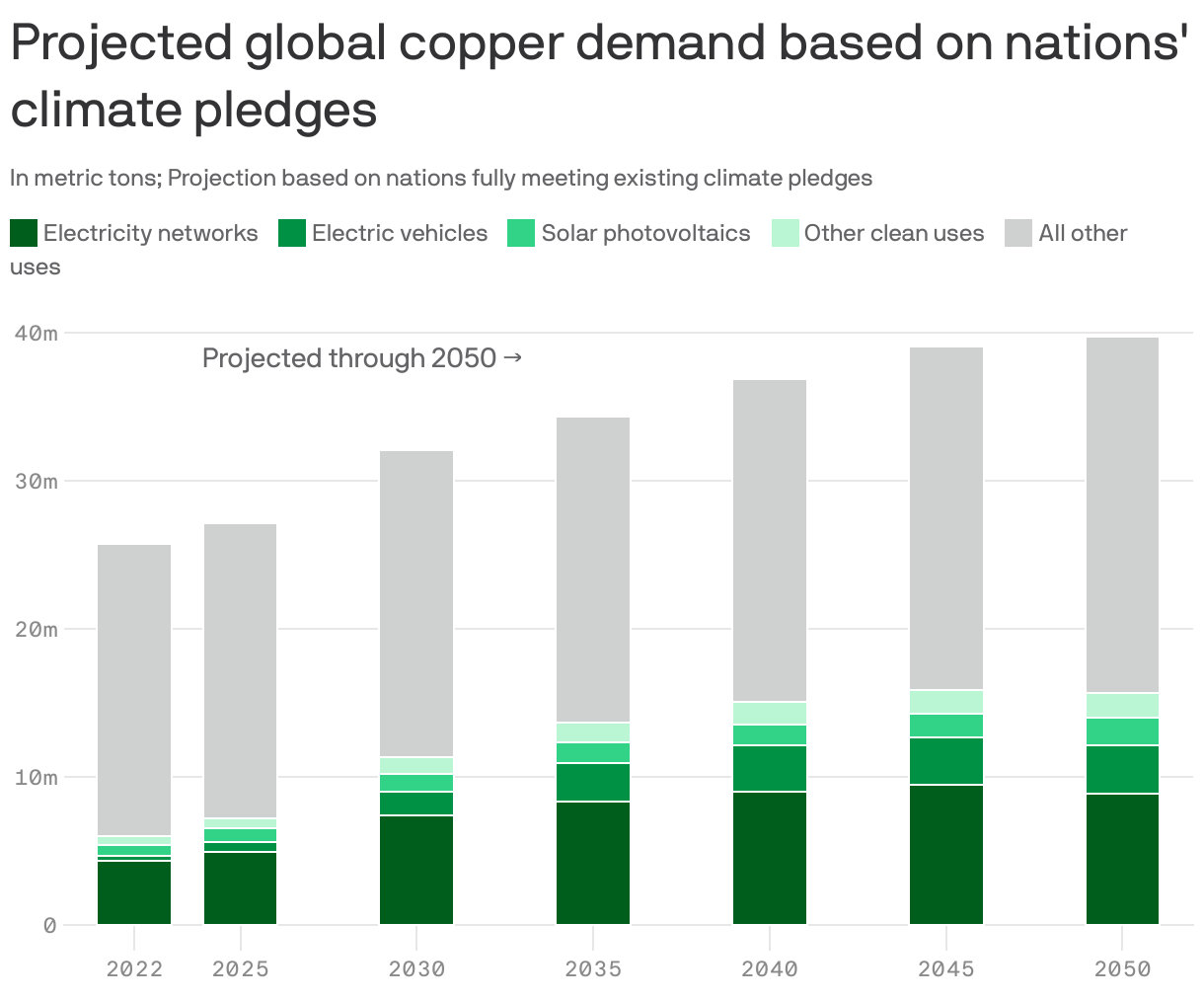
Data: IEA; Note: Other clean uses includes demand for wind, grid battery storage, other low emissions power generation and hydrogen technology. Chart: Alice Feng/Axios
Data: IEA; Note: Other clean uses includes demand for wind, grid battery storage, other low emissions power generation and hydrogen technology. Chart: Alice Feng/Axios
The world needs more copper to greatly expand low-carbon energy alongside traditional uses of the metal, Ben writes.
Why it matters: This dynamic is front and center as mining giant BHP pursues Anglo American, which today rejected BHP's initial offer.
The combined players would control roughly 10% of global output, per Mining.com.
BHP cited Anglo's "world class" copper assets when confirming its bid.
The National Highway Traffic Safety Administration is investigating whether Tesla did enough to improve driver safety after recalling roughly 2 million vehicles to fix a software defect in their autopilot monitoring system.
Why it matters: This is just the latest hurdle Tesla has faced over safety concerns related to its autopilot software. NHTSA has been investigating the company's autopilot system and crashes for years.
Both Microsoft and Google parent Alphabet reported strong earnings Thursday in the midst of a fierce AI race that has jolted both companies — and offered investors the hope that there's still room for these giants to grow.
Why it matters: Traders punished Meta a day earlier when it made clear its AI investments would take time to pay off, but Microsoft and Google both found more favor with the market.


/2024/04/26/1714136723198.gif?w=3840)