China-backed hackers have had access to some major U.S. critical infrastructure for "at least five years," according to an intelligence advisory released Wednesday.
Why it matters: The hacking campaign laid out in the report marks a sharp escalation in China's willingness to seize U.S. infrastructure — going beyond the typical effort to steal state secrets.
The outlook for hydrogen-powered vehicles is improving after decades of unfulfilled hype, thanks to unprecedented federal support and increased private investment.
Why it matters: Hydrogen fuel cells produce electricity by mixing hydrogen and air, with water vapor as the only byproduct. That makes them a promising climate solution — especially as a replacement for noisy, soot-spewing diesel trucks and industrial equipment.
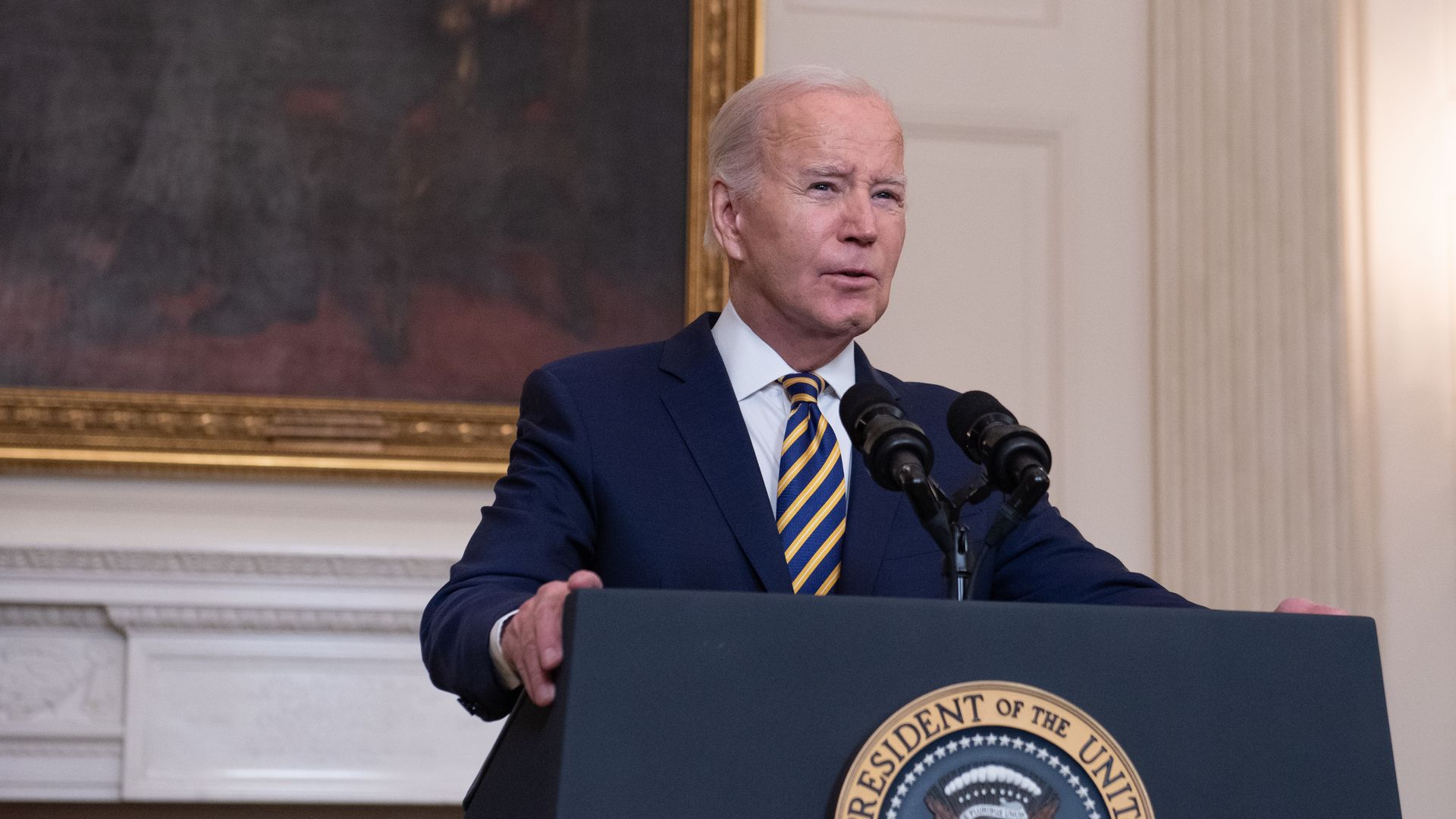
The New Hampshire attorney general said Tuesday fake robocalls that used President Biden's voice to discourage voting in last month's state primary have been traced to companies in Texas.
Why it matters: The incident marked the most prominent use of generative AI during the 2024 president election campaign so far.
On the same day that House Republicans failed to impeach Alejandro Mayorkas, the Homeland Security secretary was in Silicon Valley trying to recruit AI talent to his agency.
Why it matters: With AI expertise in short supply, the agency is looking to recruit at least 50 artificial intelligence experts this year as part of a new "AI Corps" modeled on the U.S. Digital Service.
If you feel bombarded with what feels like an onslaught of social media notifications lately, you're not alone — but you can make it stop.
The big picture: Companies are using a surge ofbanners, badges and beeps to nudge users to engage, as the number of notifications on nearly every major social media app have gone up since July, according to data from analytics firm Measure Protocol.
The U.S. Chamber of Commerce, security executives and prominent former government officials filed a set of amici curiae briefs late Friday in support of SolarWinds in its case against the U.S. Securities and Exchange Commission.
Why it matters: The signatories include former national cyber directors Chris Inglis and Kemba Walden, Activision Blizzard CISO Brett Wahlin, and former Clorox CISO Amy Bogac.
A new partnership shared first with Axios is promising to help domain registries crack down on the spread of child sexual abuse materials (CSAM).
Why it matters: Those who host CSAM often hop between various domains, and not all top-level domain registries have the resources to pay for tools that could help them better detect when hosts change websites.
The commercial spyware industry is booming, and many of the most dangerous players are small companies no one has heard of, Google warns in a report released Tuesday.
Why it matters:The Biden administration, civil rights groups and other governments have spent years trying to squash abuses of commercial spyware — yet some of those same governments are still buying into the industry.
FTX customers and creditors are likely to be repaid in full, an attorney for debtors of the failed crypto exchange last week told a Delaware bankruptcy court.
The big picture: The idea that FTX is anything but a smoldering crater, let alone an entity with billions of dollars worth of assets, is something of a narrative violation.
Meta announced Tuesday that it plans to start applying labels to Facebook, Instagram and Threads posts that contain images the company has identified as generated by AI.
Why it matters: Meta-owned platforms host more than 5 billion active accounts—and every one of its apps will be subject to the labeling policy in all supported languages.
The Apple Vision Pro draws some surprisingly strong opinions on social media, in friend circles, and as we found out this morning — in companywide newsroom meetings.
Why it matters: Most of those come from people who've never put one on. What I determined after using it for a weekend — it's an incredible piece of technology that sets a new bar for other reality altering gadgets to beat.










/2024/02/05/1707161658294.gif?w=3840)