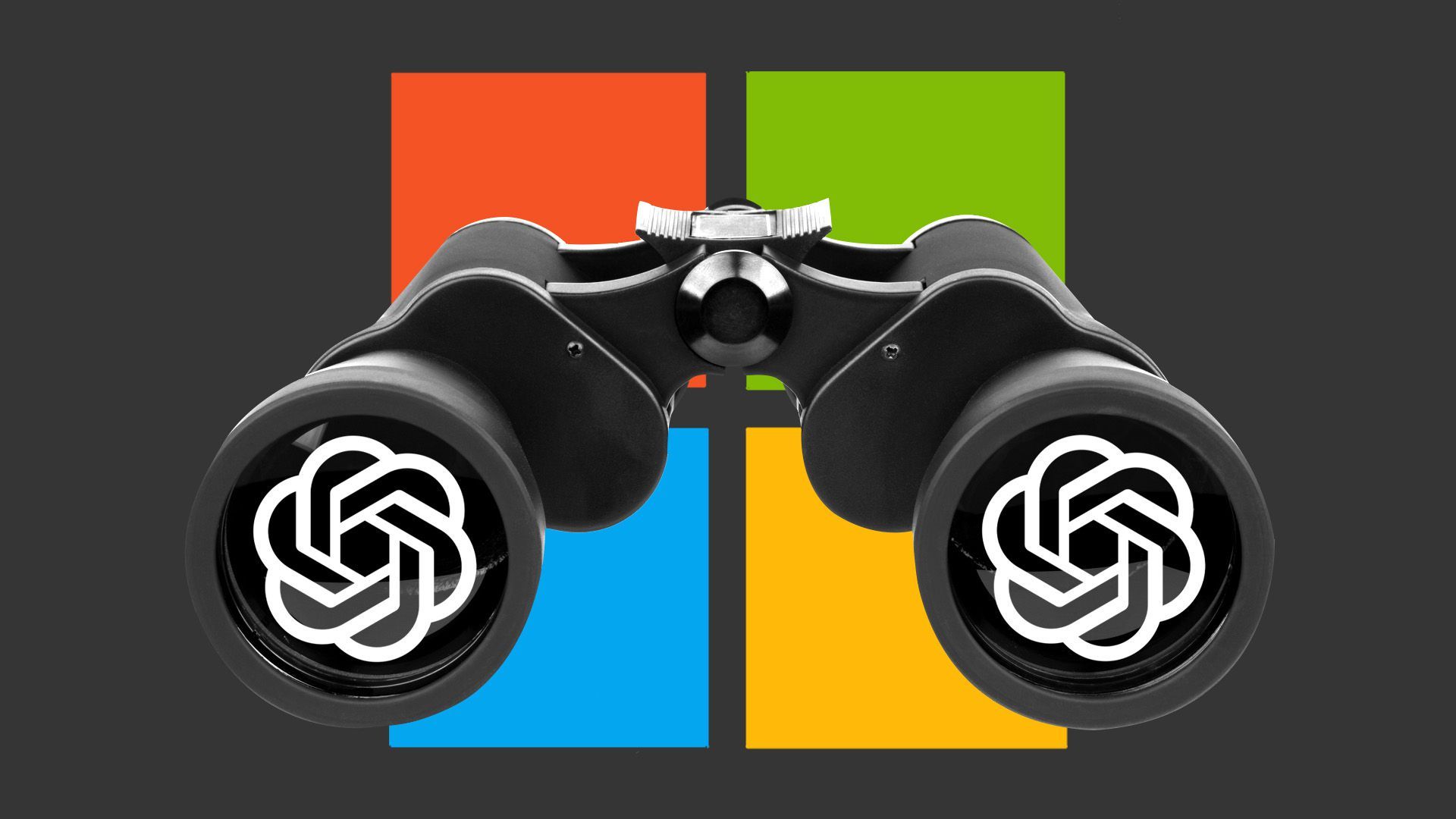
Microsoft on Tuesday announced its long-expected effort to bring OpenAI's technology to more of its products, including the Bing search engine and Edge browser.
Why it matters: Microsoft trails Google significantly in the search business and thus has more to gain, and less to lose, if the market shifts dramatically.
A ransomware campaign exploiting VMware servers around the world sent security personnel into a fury over the weekend.
Driving the news: Reports started to surface late last week detailing a "global ransomware hacking attack," as Reuters described it, targeting a years-old vulnerability in VMware's popular ESXi machines.
It's not just regulators and lawmakers struggling to make sense of cybersecurity concerns about TikTok — even your Codebook author can't figure out which are overhyped and which are valid.
What's happening: It's now been about a month since I purchased a burner phone solely for TikTok.
A looming U.S. Supreme Court decision on a key internet liability law could upend the business landscape — not just for giant platforms but for small and mid-size firms that fear a massive upheaval.
Driving the news: Later this month the Supreme Court will hear oral arguments in Gonzalez v. Google, a case with major implications about how tech platforms host and promote content posted by users.
The rapid rise of generative AI tools like ChatGPT could displace dozens of media companies if they don't move quickly to adapt to a new internet reality.
Why it matters: Facebook's many pivots pushed media outlets to move their focus away from social media and toward search — but now experts predict another major disruption for publishers relying on search traffic.
Hogwarts Legacy, the new video game stemming from author J.K. Rowling’s “Harry Potter" fiction, is launching this week to big sales and big controversy.
Why it matters: The game, which lets players create their own wizard and go through magic school, has become a flashpoint for reviewers and fans regarding what to do about work associated with Rowling.
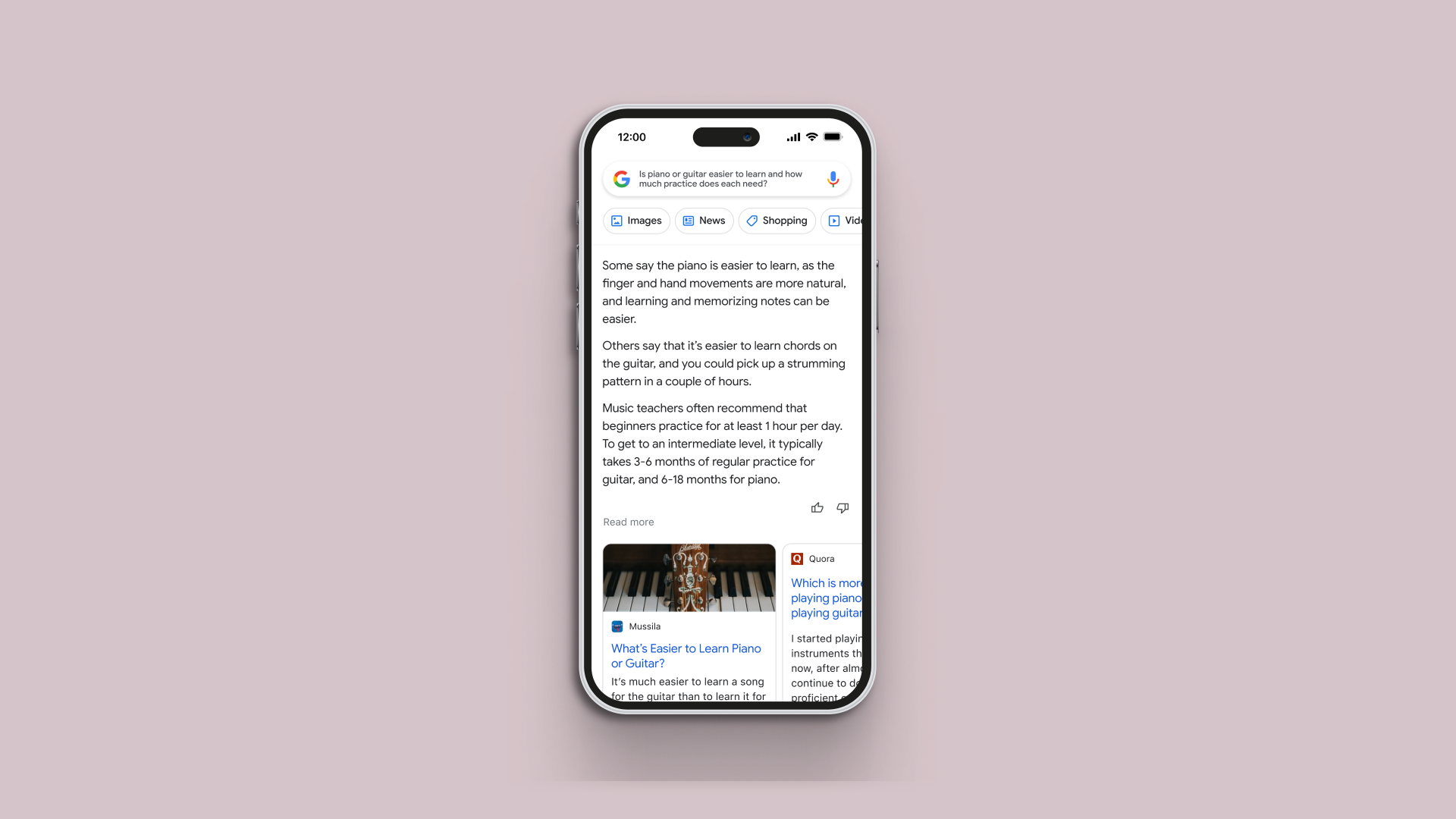
Google announced several efforts to power search and other products using generative AI systems, including Bard, a conversational system conceptually similar to ChatGPT.
Between the lines: Google has long been working on such systems but faces pressure to show it is making progress amid all the attention on OpenAI's popular ChatGPT and similar projects.
The largest crypto exchange in the world is temporarily suspending U.S. dollar withdrawals and deposits starting on Feb. 8, the company confirmed to Axios.
Why it matters: Dollars are the global reserve currency.
Latent Technology, a U.K.-based startup that’s building AI-based tech for developing video games, has raised $2.1 million in pre-seed funding led by Root Ventures and Spark Capital, with Bitkraft also participating.
Why it matters: So-called "generative AI" technology is taking the tech world by storm with the promise of change how everything from the written word to art is created.
The Federal Trade Commission failed to convince a federal judge to block Meta from purchasing VR fitness startup Within, per a court decision unsealed Friday night.
Driving the news: Media outlets reported Meta's win last week; now it's official. Meta will be free to close on its acquisition following the decision from Judge Edward Davila in U.S. District Court in Northern California.
The explosion of interest in ChatGPT and generative AI has tech giants scrambling to rethink and rewrite their product plans to capitalize on the trend.
What's happening: Every major tech company has been investing in AI for years, but the overnight ChatGPT craze that kicked off at the end of 2022 has given the industry a ravenous appetite for one specific flavor of AI — generative programs that produce text, images and other content in response to user prompts.




/2023/02/06/1675695465214.gif?w=3840)



/2023/02/06/1675699835353.gif?w=3840)











/2023/02/06/1675648038436.gif?w=3840)