Amazon, through its app, is leaning more on creators and the popularity of short-form video a la Tiktok, the company announced Thursday.
Details: The e-commerce giant is starting to roll out a new social feed called “Inspire,” which shows shoppers photos and quick hit videos from influencers, brands and customers.
The Federal Trade Commission will seek to block Microsoft's $69 billion acquisition of video game developer Activision Blizzard, the agency announced Thursday.
Why it matters: If the FTC is successful, it will be a major blow to the biggest attempted deal in gaming history. And the suit itself is another clear signal from the agency that any big tech company looking to buy a smaller one should be wary.
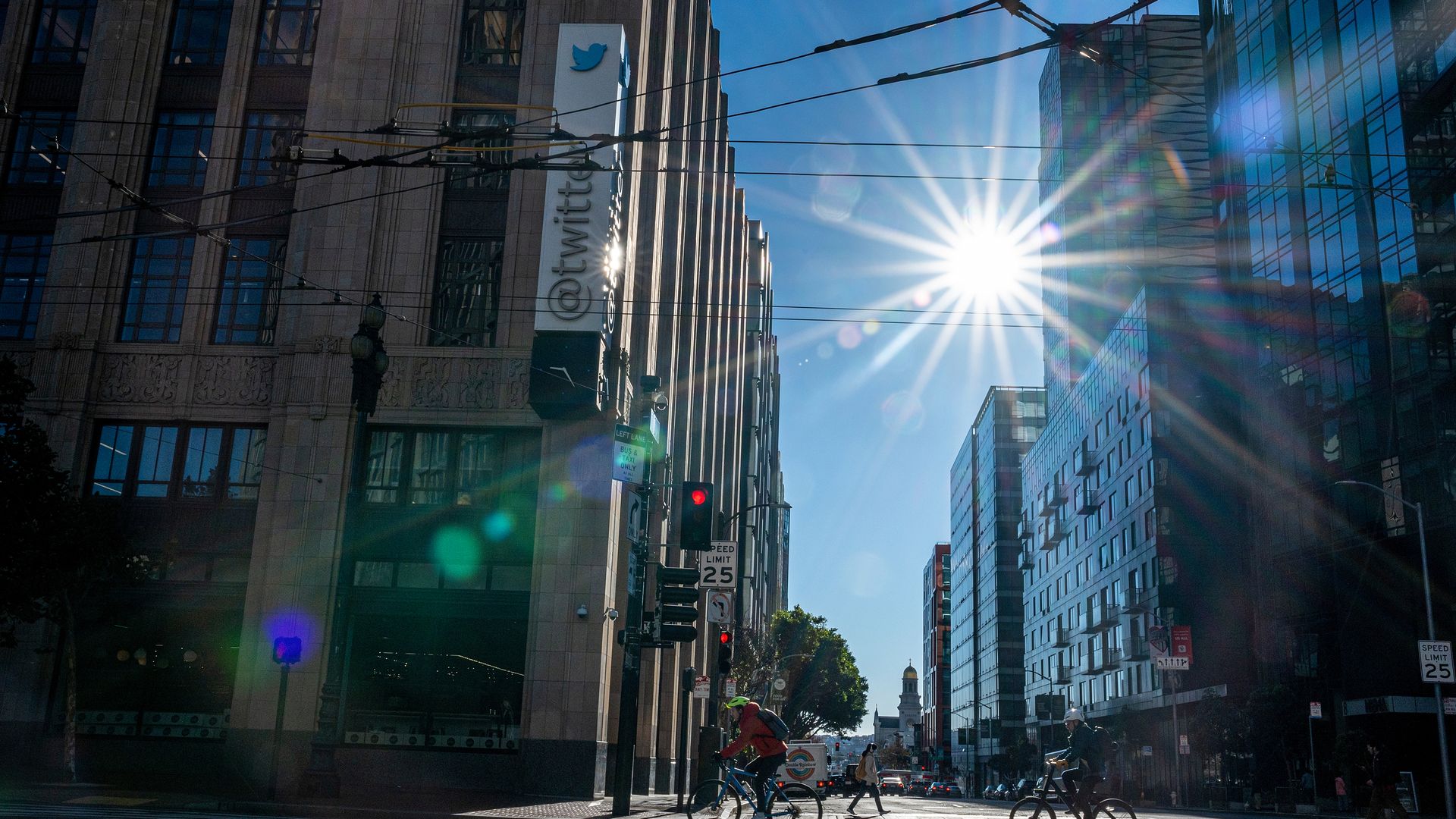
Two former Twitter employees on Wednesday filed a class action lawsuit against the social media company alleging that its recent mass layoffs disproportionally affected female employees.
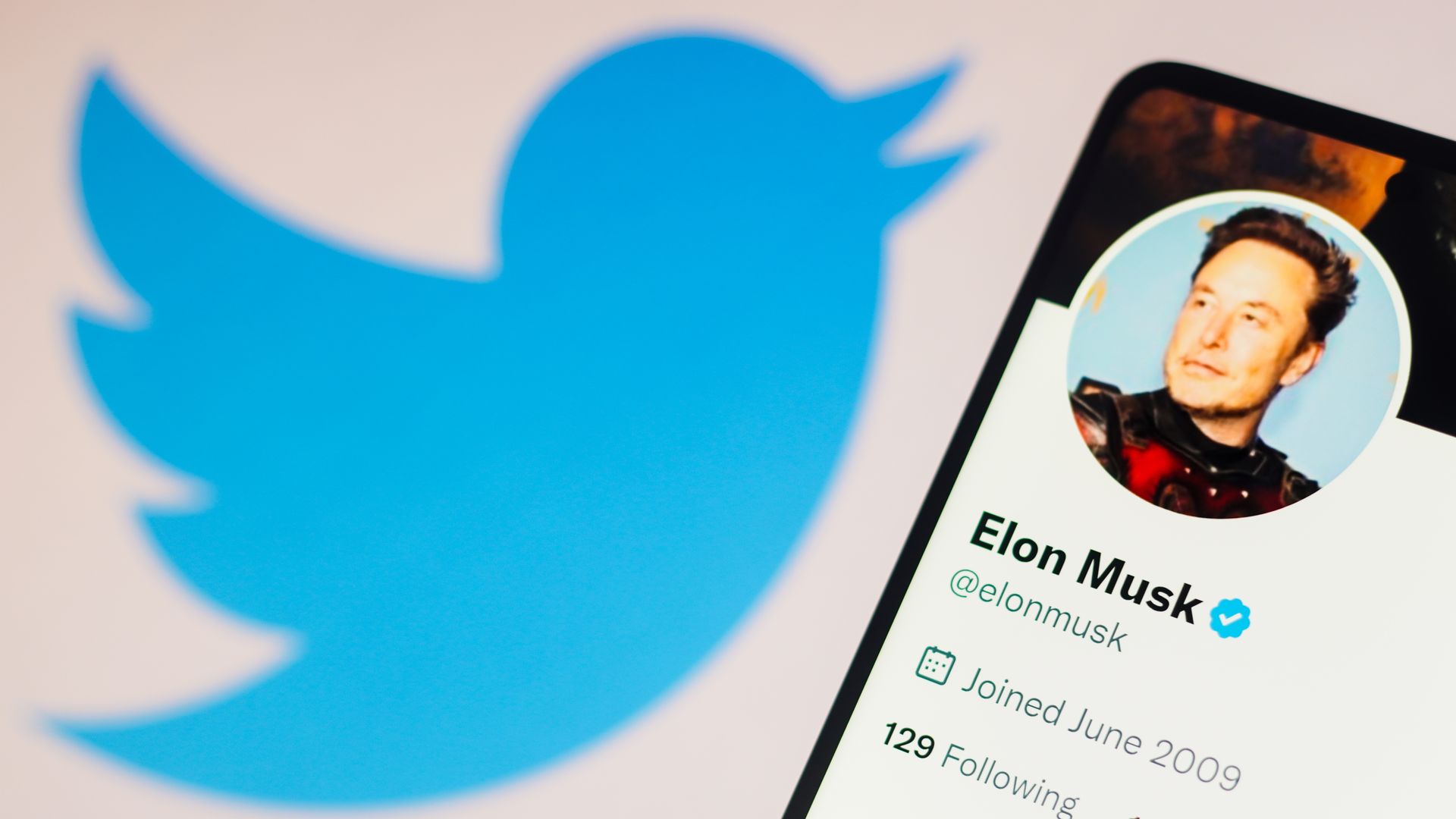
Driving the news: This is the latest lawsuit stemming from the mass layoffs that followed Elon Musk's takeover of the company.
Miami's Mayor Francis Suarez (R) this week urged Elon Musk to relocate Twitter's headquarters to his city.
Driving the news: "[Elon Musk] it's TIME to move @twitter headquarters to Miami. It's not about politics, it's about the soul of our country," Suarez tweeted.
A public records lawsuit filed this week on behalf of Activision Blizzard aims to turn the tables on California’s Civil Rights Department, which has been suing the game maker over alleged sexual misconduct and pay discrimination at its workplace.
Why it matters: Activision has been in a bitter dispute with California’s state investigators and has repeatedly tried to get that case tossed.
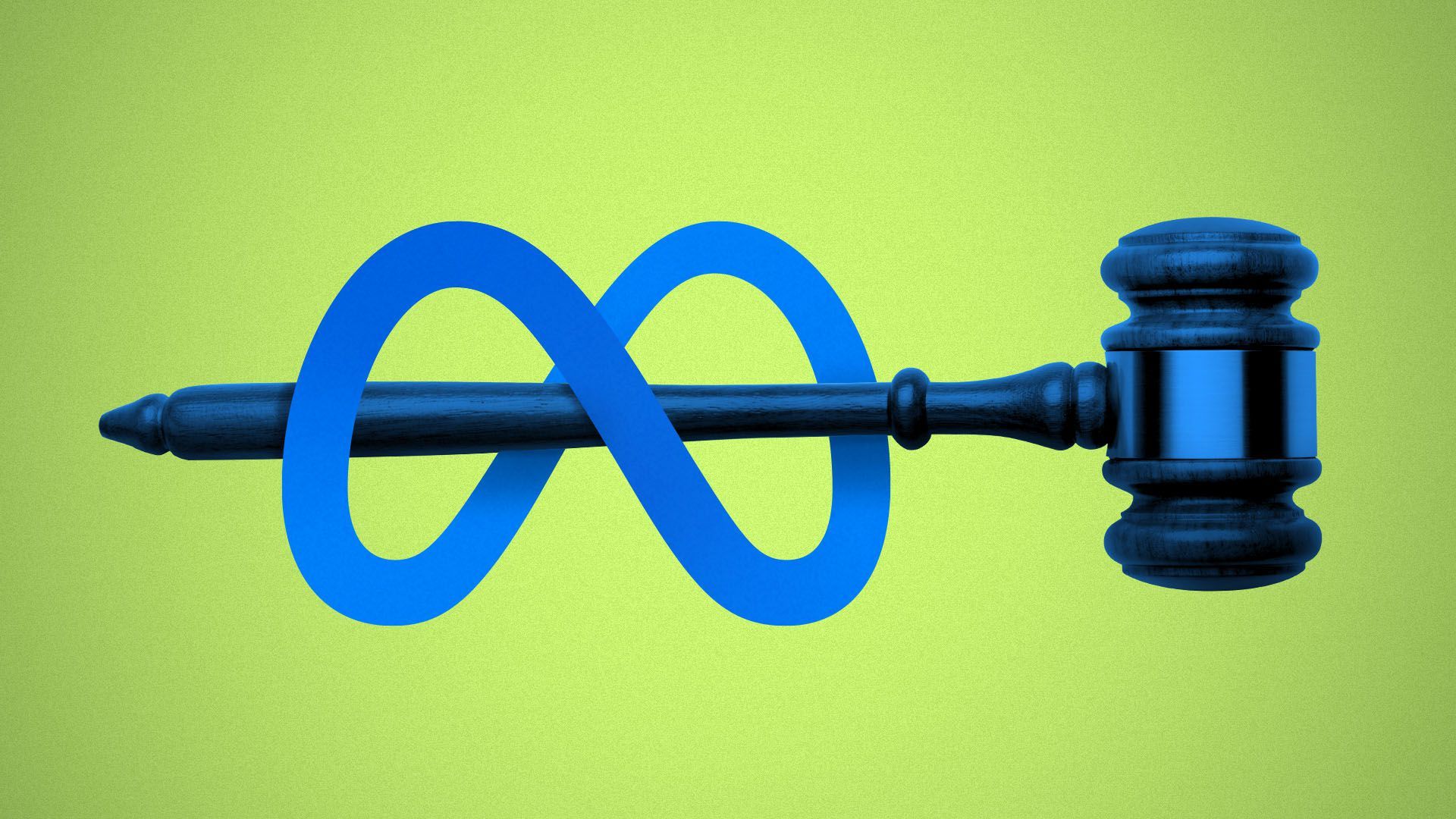
Federal regulators will press their case for stopping Meta from acquiring a VR studio beginning Thursday in a San Jose courtroom.
Why it matters: The trial will mark the first high-profile public test of the Federal Trade Commission's effort under chair Lina Khan to broaden the principles of antitrust law in ways that might bar Big Tech from getting bigger.
Indiana Attorney General Todd Rokita (R) announced Wednesday that he is suing TikTok for allegedly failing to protect children from mature content and deceiving users about the Chinese government's ability to access their data.
Why it matters: None of the allegations are new to TikTok, which is owned by the Chinese company Bytedance. The platform, like its peers, has faced heightened scrutiny in recent years amid growing concern over social media apps' influence on children and adolescents.
Microsoft has pledged to bring Call of Duty to Nintendo platforms as part of a 10-year commitment, should its $69 billion deal to acquire CoD publisher Activision Blizzard win regulatory approval.
Why it matters: It’s part of an unprecedented sequence of actions by Microsoft this week to press the benefits of the deal, as rumors of regulatory skepticism swirl.
"Sustainable" aviation fuels (SAFs), which are made from household solid waste, algae and other inputs, could dramatically cut emissions from air travel while also creating thousands of jobs, a new report finds.
Why it matters: Aviation is one of the hardest sectors to decarbonize because planes are typically in service for decades at a time and cannot be significantly reengineered to run on different fuels.
The Washington Post will no longer operate its ad tech division, Zeus, as a standalone business, according to a note sent to employees Tuesday obtained by Axios. Most Zeus employees will be redirected to roles within The Post's ad sales department.
Why it matters: Folding Zeus into The Post's existing ad sales team ends its efforts to make money by licensing its ad tech software to other premium publishers.
Some odd-looking aircraft are flying circles above strawberry and lettuce fields in rural California, as the next era in aviation draws closer.
Why it matters: Powered by electric batteries and designed to take off like a helicopter but fly like a plane, these newfangled aircraft — now undergoing testing — could soon be certified to whisk you to the airport or elsewhere.
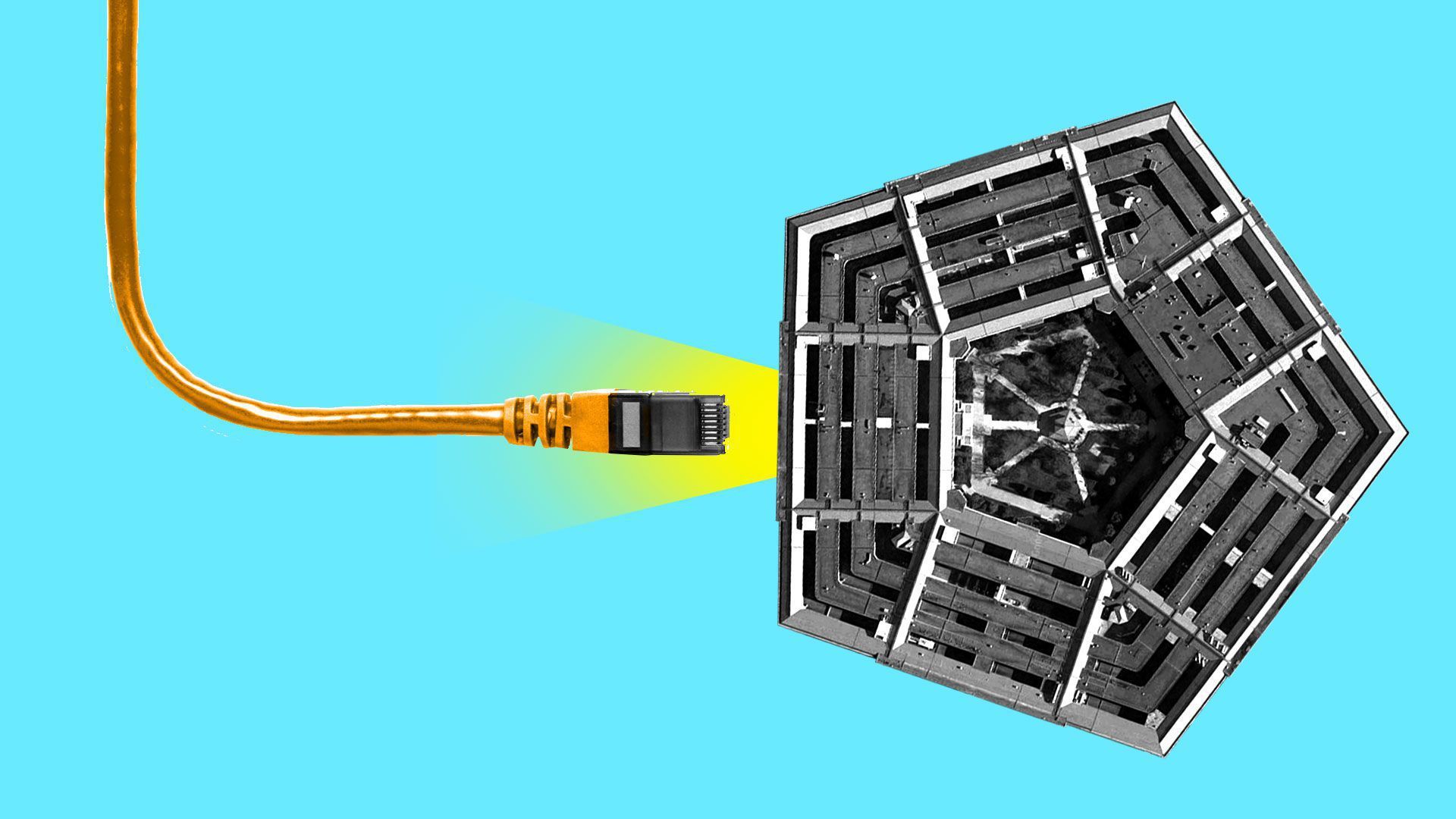
The federal government plans to invest $1.5 billion to help spur a standards-based alternative for the gear at the heart of modern cellular networks.
Why it matters: Experts say — and the government agrees — that there are economic and national security risks in having such equipment made only by a handful of companies overseas, with the most affordable products coming from China's Huawei.
A competition bill aimed at funneling funds from online platforms to the news industry was removed from a must-pass defense bill Tuesday at the last minute by congressional leaders.
Why it matters: The bill, known as the Journalism Competition and Preservation Act (JCPA), would have forced Big Tech firms like Google and Meta to pay hundreds of local news outlets for their content.
A growing number of GOP-led states are barring state employees and contractors from using TikTok on government-issued devices as the FBI warns of possible threats to national security posed by the Chinese-owned social media platform.
Driving the news: Texas became the latest to do so on Wednesday, joining South Dakota, South Carolina and Maryland, all of which banned the app on government devices in the past week. Wisconsin Republicans are urging their Democratic governor to do the same.