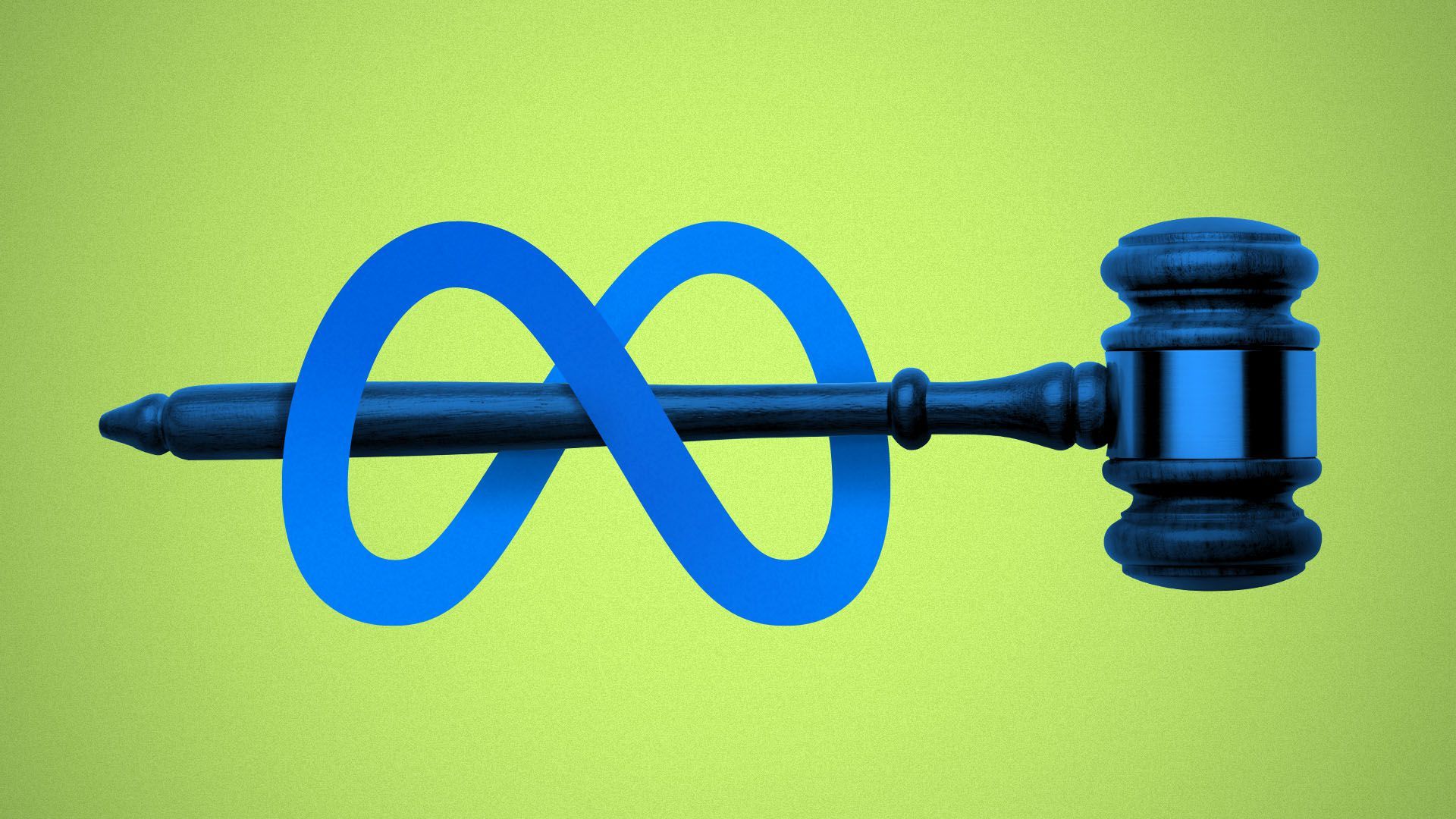
Meta filed to dismiss the Federal Trade Commission's attempt to block its acquisition of virtual reality fitness startup Within, per a federal court filing posted Thursday.
Why it matters: If Meta is successful in its request, it would be free to acquire Within and the agency would have to pursue unwinding the merger once it’s already done, a much harder lift.
Spotify, Apple Music and other streaming music services could face global competition from TikTok, WSJ reports.
Why it matters: The app's parent company, ByteDance, is dangling the power that TikTok has to help songs go viral in new negotiations with music labels, according to WSJ.
A crypto bank has been waiting a very long time for a stamp of approval from the Kansas City Fed — so long in fact, that the nation's oldest traditional bank caught up on crypto in that time.
Why it matters: It's the latest chapter in the old story about the frictions that surface between emerging players and incumbents in the race to embrace new technology.
Former Nintendo game tester Mackenzie Clifton will receive $26,000 in back pay and damages as part of a settlement with the game maker, according to a filing with the National Labor Relations Board.
Why it matters: The settlement closes the first of two labor complaints brought against Nintendo and a contracting firm this year over alleged violations of workers' rights to organize.
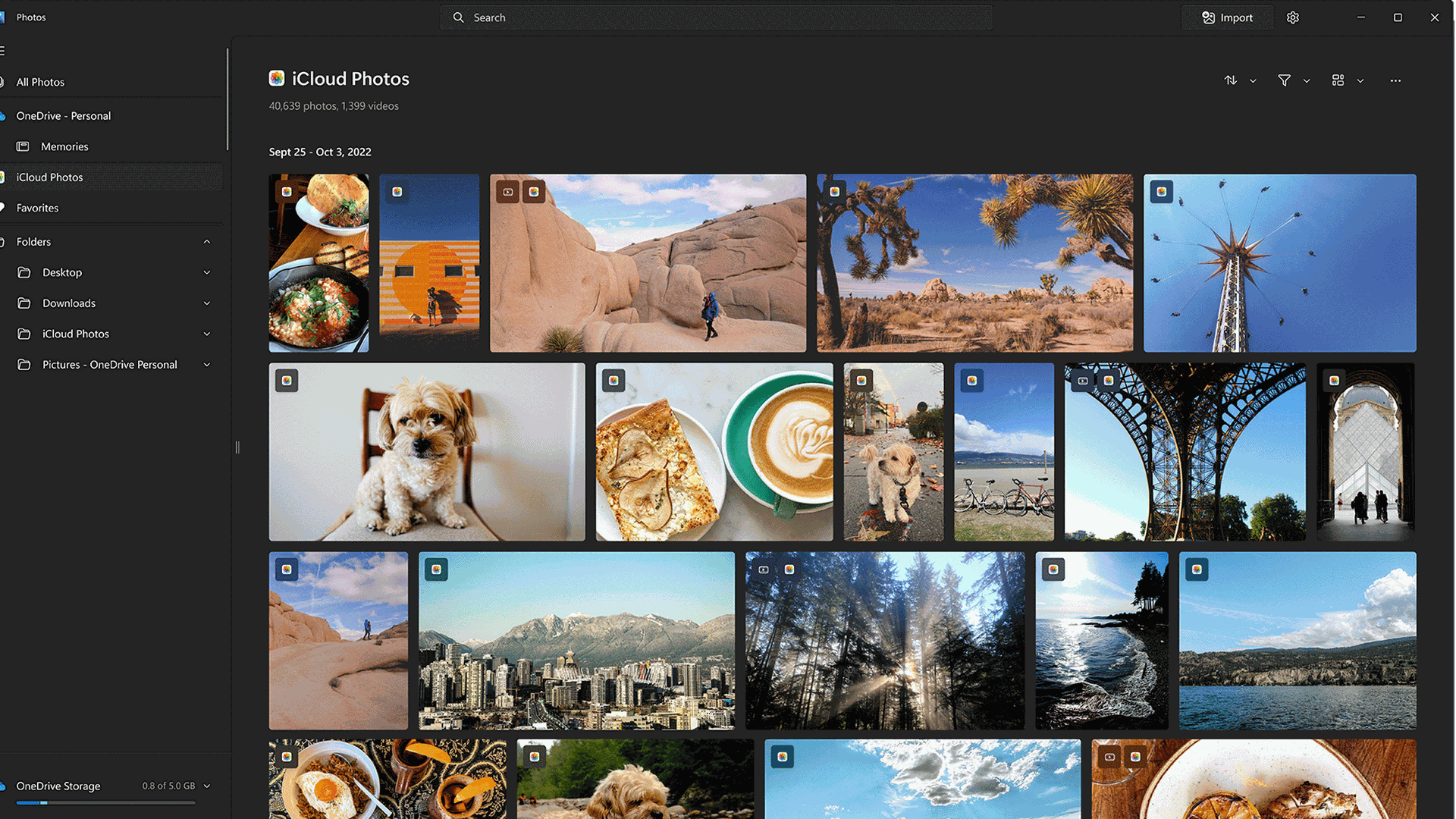
A partnership with Apple and a new app that uses Dall-E 2 to create 21st century clip art were the standout announcements at a Microsoft online event Wednesday that largely focused on modest improvements to the company's Surface hardware.
Why it matters: Microsoft is positioning Windows as the platform that offers the most choice, regardless of which mobile phone operating system or cloud provider a person uses. The new announcements help bolster its case.
The Federal Communications Commission plans to ban all sales of new Huawei and ZTE telecommunications devices in the U.S. — as well as some sales of video surveillance equipment from three other Chinese firms — out of national security concerns, sources with direct knowledge of the private deliberations told Axios.
Why it matters: The move, which marks the first time the FCC has banned electronics equipment on national security grounds, closes a vise on the two Chinese companies that began tightening during the Trump administration.
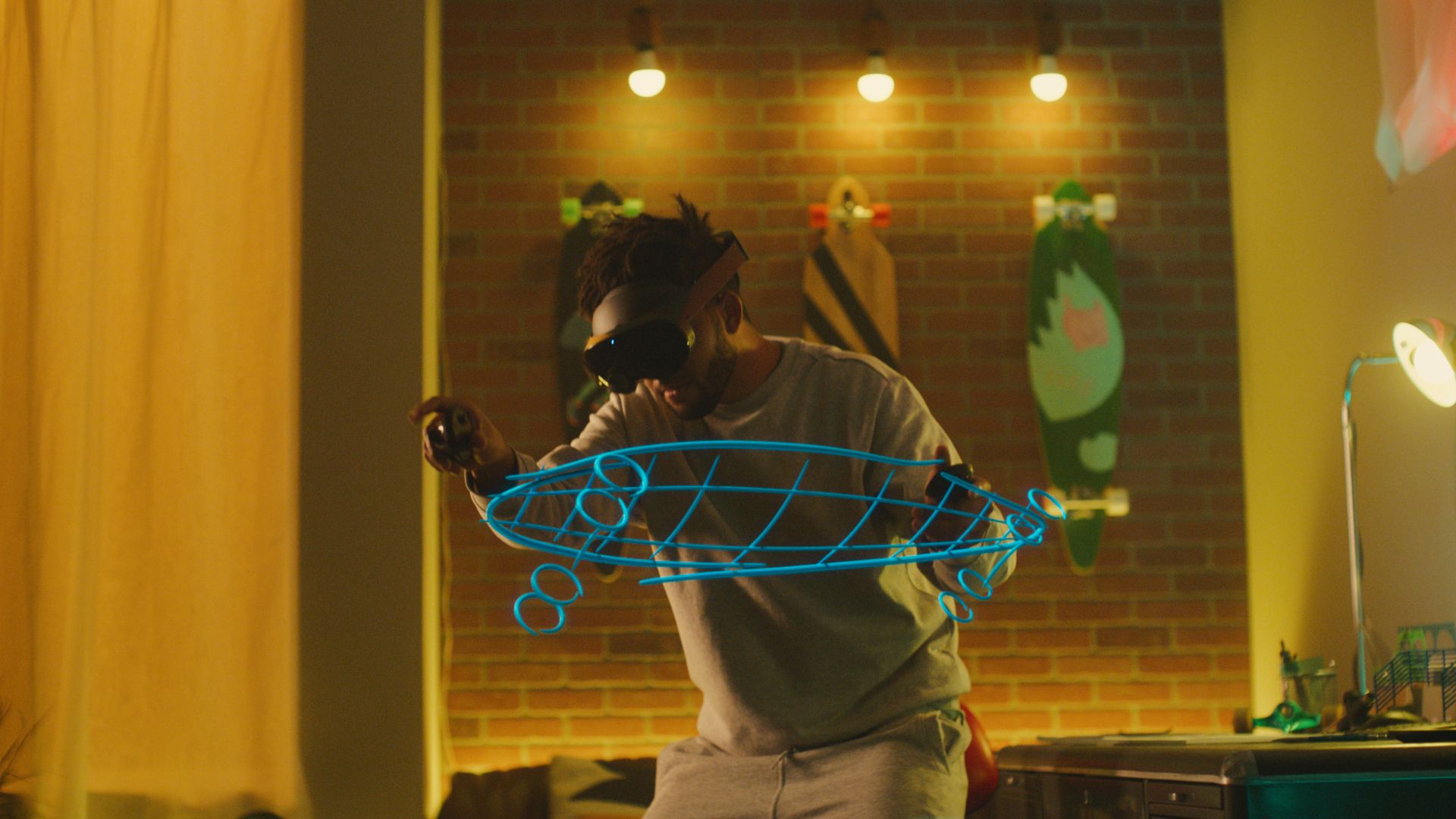
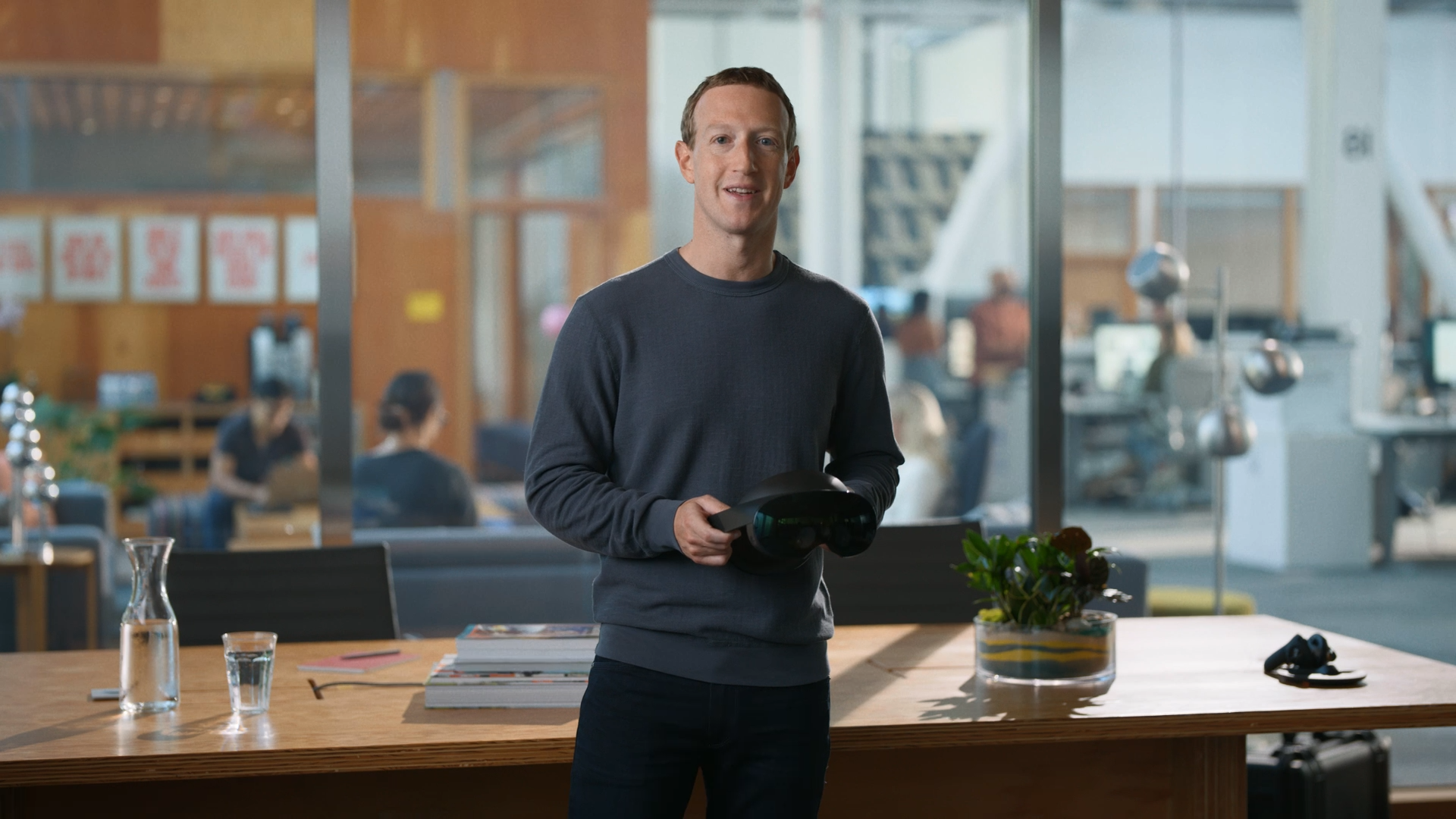
Meta this week rolled out the most advanced, widely available virtual reality glasses ever — and found a rival/partner to bring them into your home office: Microsoft.
Why it matters: You need to pay close attention to Meta — and others — who are trying to will into existence the metaverse, which is basically a 3D virtual world.
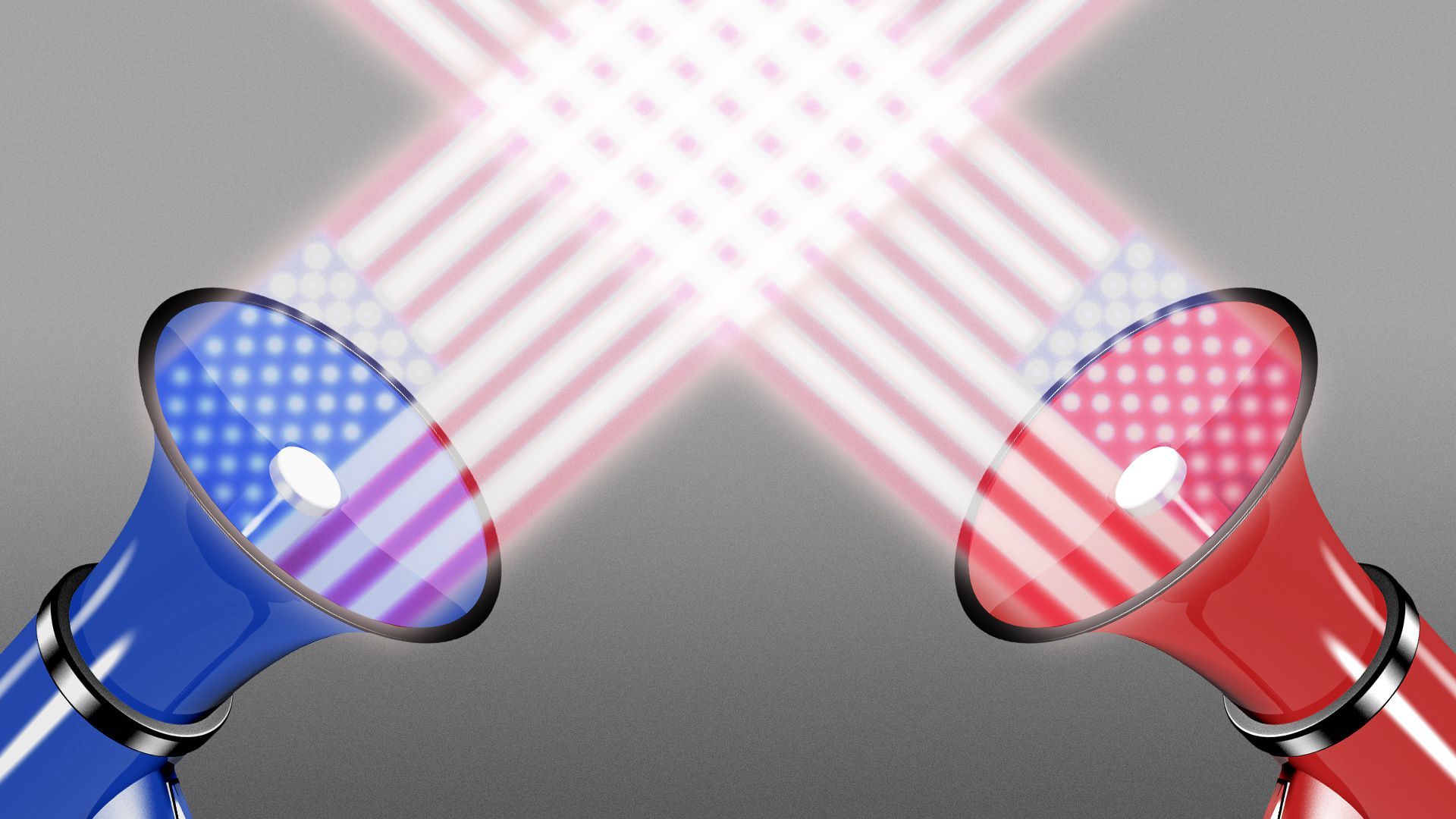
In paid posts on the world's largest social media platform, the country's two political parties are speaking to two separate and distinct Americas.
Why it matters: Detailed targeting data from social media giant Meta offer a glimpse into America's deep political divide — and how political operatives are working to exploit and adapt to it.
Senate Energy Committee chair Joe Manchin (D-W.Va.) is urging President Biden to marshal executive powers to help boost U.S. oil production following the OPEC+ move to cut output.
Driving the news: Manchin, in a new letter, calls the OPEC+ move "reckless" and a revenue boost for Russian President Vladimir Putin's regime.
Private equity firm Thoma Bravo on Tuesday announced plans to buy identity management firm ForgeRock for $2.3 billion. And then both parties kept their mouths curiously closed.
Why it matters: This could be the latest building block of a digital identity giant, but right now we're left with more questions than answers.
There's no question that the new Meta Quest Pro is a step forward for VR technology. But even Meta executives don't always agree on who the target market is for the pricey new headset.
Why it matters: While Meta and others have a clear vision for the virtual world they envision some years out, they face a challenge in the intervening years to figure out which combinations of features and price make commercial sense.
A year after rebranding itself as Meta, Facebook's parent company on Tuesday released a new VR headset that it hopes will show concrete results from its already-massive investments.
Why it matters: The company admits that its effort to build an immersive, 3-D virtual network for work and play will take years to unfold. But it has to begin selling people on the value and the excitement of that long road today if it's ever going to reach its destination or persuade the rest of us to follow.












/2022/10/12/1665604642236.gif?w=3840)