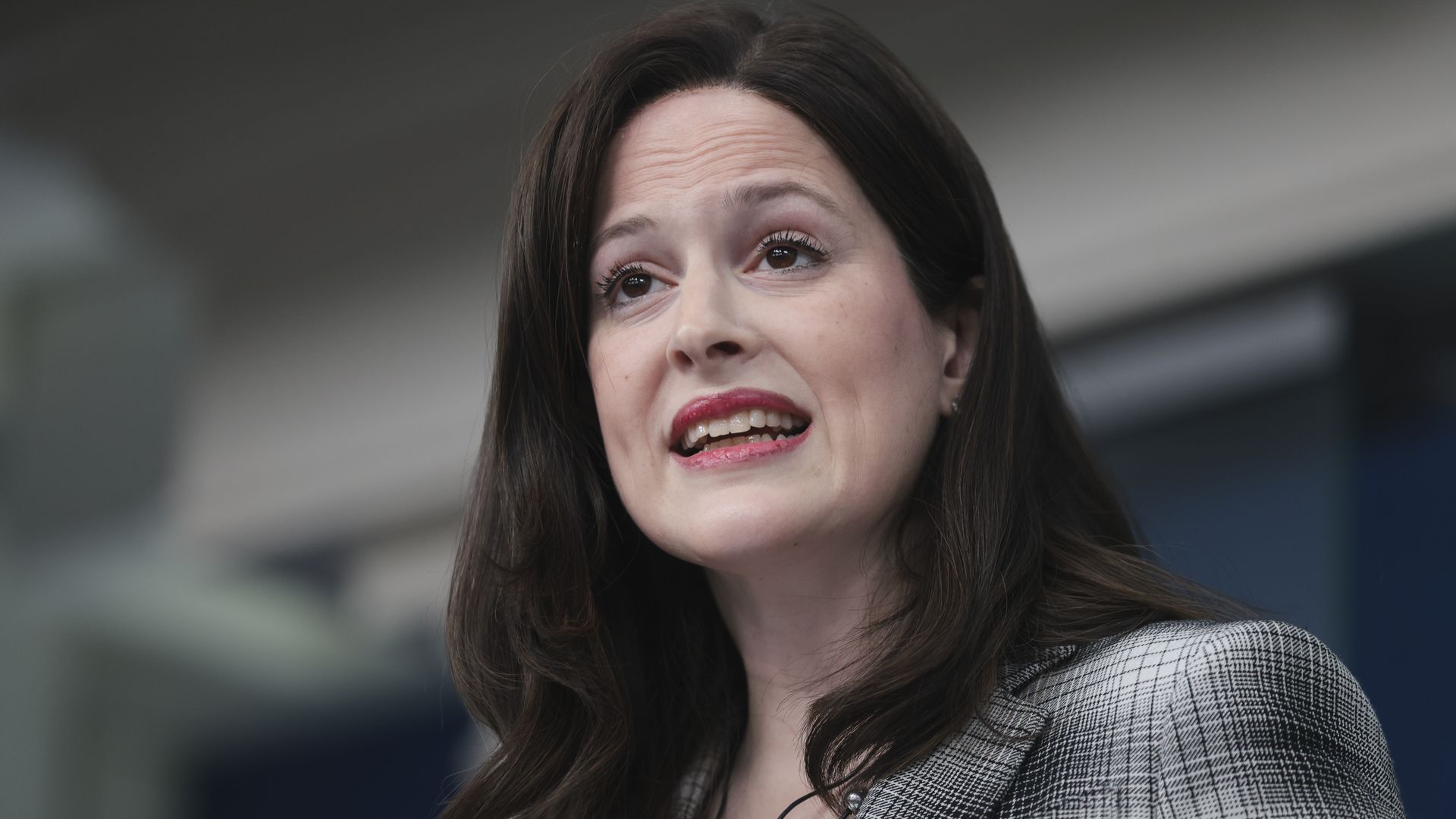
Critical infrastructure sectors should start preparing for the next phase in the Biden administration's cyber regulatory plan after a pair of announcements from a top White House adviser on Thursday.
Driving the news: Anne Neuberger, deputy national security adviser for cybersecurity and emerging technology, shared updates during two public interviews Thursday — including one with Axios — on the White House's work to stand up new cyber regulatory structures for critical infrastructure sectors.
Cybersecurity Awareness Month’s educational impact could be getting drowned out by companies cranking up their marketing volume.
The big picture: Every October, the Cybersecurity and Infrastructure Security Agency and the National Cybersecurity Alliance host Cybersecurity Awareness Month to educate individuals about basic cyber hygiene practices and encourage security professionals to re-evaluate their organizations' cyber strategies.
Meta is ending support for Instant Articles, a proprietary mobile format it debuted in 2015 to quickly load news articles on the Facebook app, Axios has learned.
Why it matters: It's part of a broader effort by Meta to move away from investments in news content on its apps.
If you're prone to losing your car keys, don't fret: You won't need them to drive the new Genesis GV60 electric SUV. All it takes is your face — and your finger.
Why it matters: The same biometric technology that unlocks your iPhone is now available in a car, meaning you can leave the key fob at home.
Walk into a store, take what you want, and leave without pulling out your wallet or standing in line — this is the vision for next-generation checkout.
Why it matters: Huge sums are being spent on competing schemes for so-called frictionless checkout, which eliminates both human cashiers and those pesky do-it-yourself scanners.
Democrats talked a big game about reining in Big Tech, but after nearly two years ofcontrolling the agenda in Washington, they've got little to show for it.
Why it matters: Pledges to tackle data surveillance practices, harm to children's mental health and tech giants' power over wide swaths of the economy haven't yet translated into passing new laws, and the clock is running out.
Meta filed to dismiss the Federal Trade Commission's attempt to block its acquisition of virtual reality fitness startup Within, per a federal court filing posted Thursday.
Why it matters: If Meta is successful in its request, it would be free to acquire Within and the agency would have to pursue unwinding the merger once it’s already done, a much harder lift.
Spotify, Apple Music and other streaming music services could face global competition from TikTok, WSJ reports.
Why it matters: The app's parent company, ByteDance, is dangling the power that TikTok has to help songs go viral in new negotiations with music labels, according to WSJ.
A crypto bank has been waiting a very long time for a stamp of approval from the Kansas City Fed — so long in fact, that the nation's oldest traditional bank caught up on crypto in that time.
Why it matters: It's the latest chapter in the old story about the frictions that surface between emerging players and incumbents in the race to embrace new technology.
Former Nintendo game tester Mackenzie Clifton will receive $26,000 in back pay and damages as part of a settlement with the game maker, according to a filing with the National Labor Relations Board.
Why it matters: The settlement closes the first of two labor complaints brought against Nintendo and a contracting firm this year over alleged violations of workers' rights to organize.
A partnership with Apple and a new app that uses Dall-E 2 to create 21st century clip art were the standout announcements at a Microsoft online event Wednesday that largely focused on modest improvements to the company's Surface hardware.
Why it matters: Microsoft is positioning Windows as the platform that offers the most choice, regardless of which mobile phone operating system or cloud provider a person uses. The new announcements help bolster its case.
The Federal Communications Commission plans to ban all sales of new Huawei and ZTE telecommunications devices in the U.S. — as well as some sales of video surveillance equipment from three other Chinese firms — out of national security concerns, sources with direct knowledge of the private deliberations told Axios.
Why it matters: The move, which marks the first time the FCC has banned electronics equipment on national security grounds, closes a vise on the two Chinese companies that began tightening during the Trump administration.
Meta this week rolled out the most advanced, widely available virtual reality glasses ever — and found a rival/partner to bring them into your home office: Microsoft.
Why it matters: You need to pay close attention to Meta — and others — who are trying to will into existence the metaverse, which is basically a 3D virtual world.






/2022/10/13/1665690020990.gif?w=3840)














/2022/10/12/1665604642236.gif?w=3840)