Wednesday's technology stories

Zynga outlines its ambitious NFT gaming plans
Mobile gaming powerhouse Zynga has big plans for blockchain and NFT-based gaming this year, including staff expansion, acquisitions and some playable games.
Why it matters: Zynga is taking more aggressive steps than other traditional gaming companies into the booming, but controversial, blockchain gaming sector.

Microsoft proclaims support for a more open gaming future
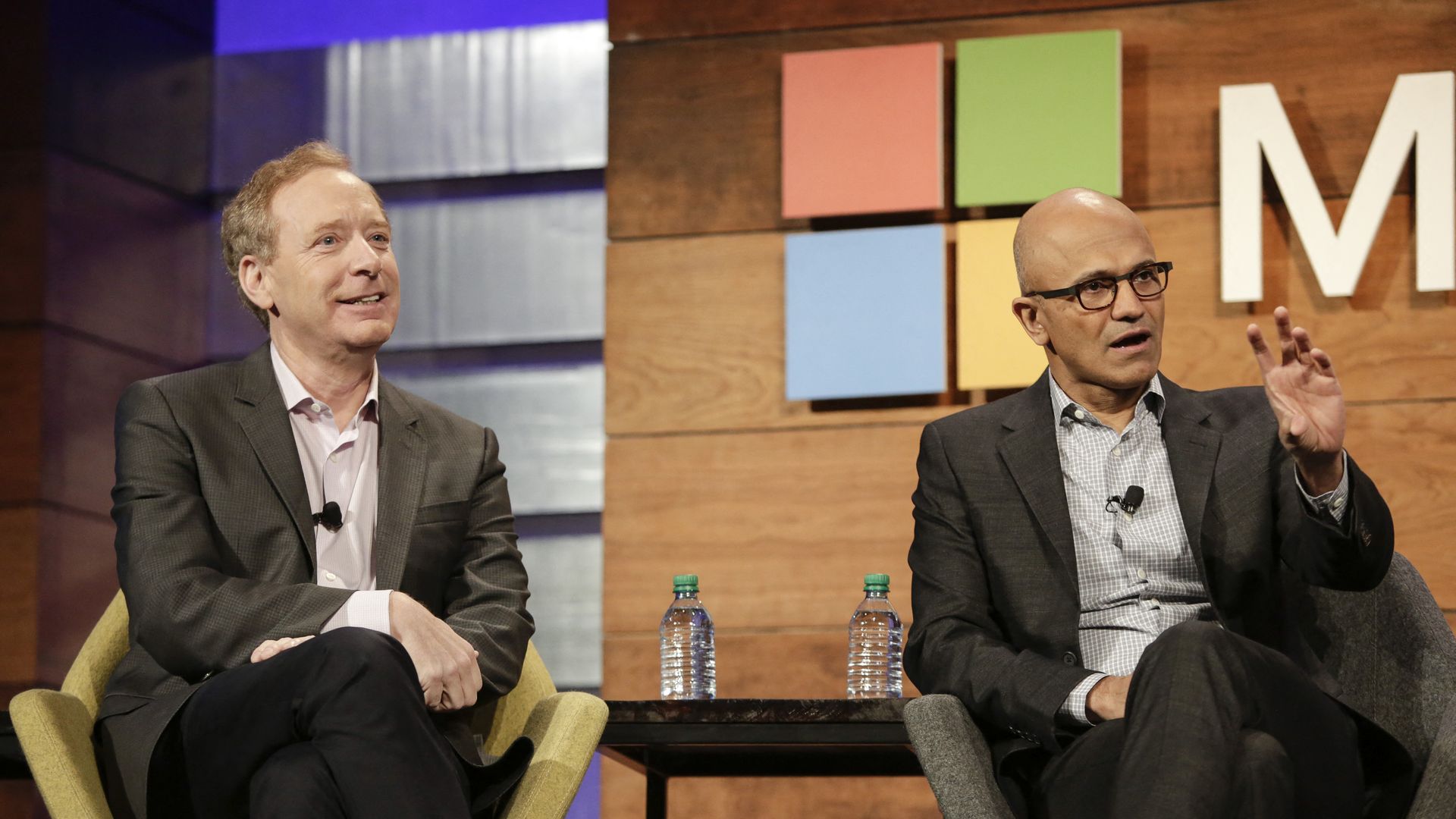
Microsoft executives are warming up regulators to their proposed acquisition of gaming giant Activision Blizzard in Washington by pledging a future that includes an open, "universal" app store.
Driving the news: On Wednesday, Microsoft announced a set of "Open App Store Principles" the company says will apply to the Microsoft Store on Windows and the next generation of its game marketplaces.
- "We have developed these principles in part to address Microsoft’s growing role and responsibility as we start the process of seeking regulatory approval in capitals around the world for our acquisition of Activision Blizzard," Microsoft president Brad Smith wrote in a blog post.
Why it matters: The company is trying to sell its proposed $69 billion acquisition of Activision Blizzard by committing to principles of interoperability in app stores and across devices as lawmakers consider proposals that would change how app stores operate.
What they're saying: "The Activision Blizzard acquisition is what has brought us to Washington, D.C.," Smith told reporters in a briefing along with CEO Satya Nadella and Xbox corporate vice president Sarah Bond. "We're more focused on adapting to regulation than fighting against it."
- "The game industry's structure, rules and business model was set on a paradigm when we used to buy [physical games]," said Bond. "That should change. It has put the device at the center of the experience. We think it should be the player at the center."
- The Federal Trade Commission is reviewing the deal in the U.S. Smith said the deal will require approval from 17 regulators globally.
Details: Seven of those principles center around security, privacy, quality, safety, accountability, fairness and transparency, and the company says it is committing to those principles starting today.
- The four remaining principles would change how developers use app stores by not requiring developers to use Microsoft's payment system, not giving its app store more favorable terms, not disadvantaging developers who use a different payment system and not preventing developers from communicating directly with customers.
- The company said it would "commit to closing the gap on the remaining principles over time."
Between the lines: Over the last year, Microsoft has been increasingly vocal about expanding its gaming services to as many platforms and devices as possible.
- But when it comes to platforms like Apple’s tightly sealed iOS, some may only open up through legislation.
- Putting marketplaces on tightly guarded platforms is what sparked Epic’s lawsuit against Apple.
The Open App Markets Act, recently approved by the Senate Judiciary committee, would cement many of these principles into law.
- Smith said Microsoft wants to "be on the right side of history" by committing to such principles before and whether the bill becomes law.
Be smart: Microsoft didn’t actually announce a new app store, only the principles it would use to guide a hypothetical one.
Thought bubble from Axios Gaming's Stephen Totilo: Microsoft included a crucial caveat in today's briefing, acknowledging that all of these principles don't currently mesh with the existing Xbox game store, but would over time.
- Microsoft justifies the current model, which grants Microsoft a 30% take of Xbox store revenue, as one based on consoles being sold at a loss (for what it's worth, Sony says it already profits from PS5 sales).
- In a new store, developers would someday be able to choose to use Microsoft's payment system and other services, such as streaming tech, or not. "We're going to evolve the business model to support how much of the functionality we're providing them that they adopt," Bond said.
Editor's note: This story has been updated with further context.

Report: Microsoft in talks to buy cybersecurity giant
Microsoft (Nasdaq: MSFT) is in talks to buy Mandiant (Nasdaq: MNDT), a Reston, Va.-based cybersecurity firm with a $4.4 billion market cap, per Bloomberg.
Why it matters: Not only isn't Big Tech pumping the brakes on multi-billion dollar acquisitions in the Biden era, it's ramping up. This would be Microsoft's second major play of the year, following its agreement to buy Activision Blizzard, and comes amidst reports that Amazon is kicking Peloton's tires (after already signing papers on MGM).

Battle over government use of face recognition rages on
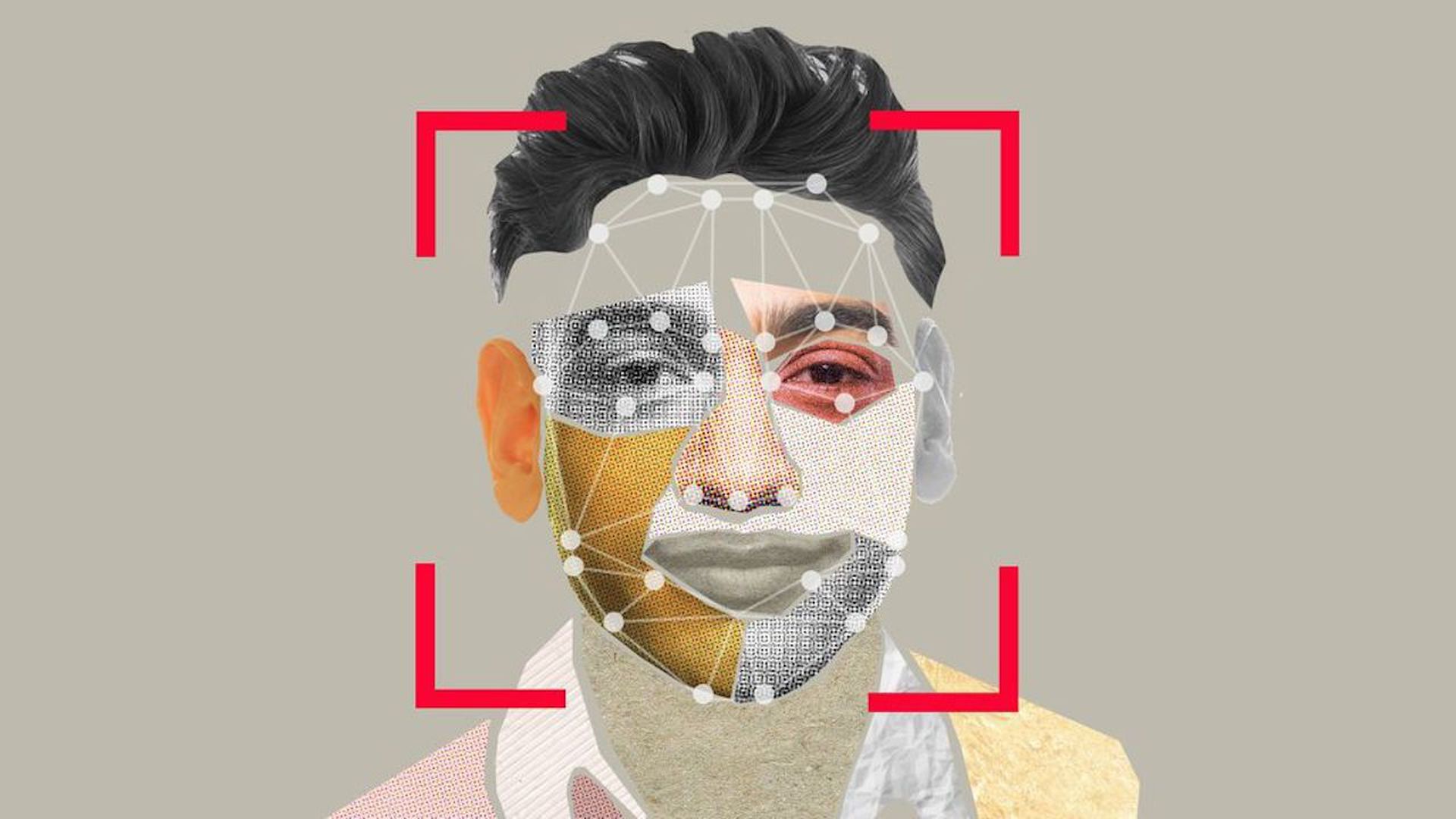
Fresh on the heels of getting the IRS to end a controversial use of facial recognition, politicians and civil liberties groups are trying to get other government agencies to drop their use of the technology.
Why it matters: While a handful of cities have passed laws on government use of facial recognition, there are few limits on how the federal government can use such technology.

King Mark's unshakeable reign
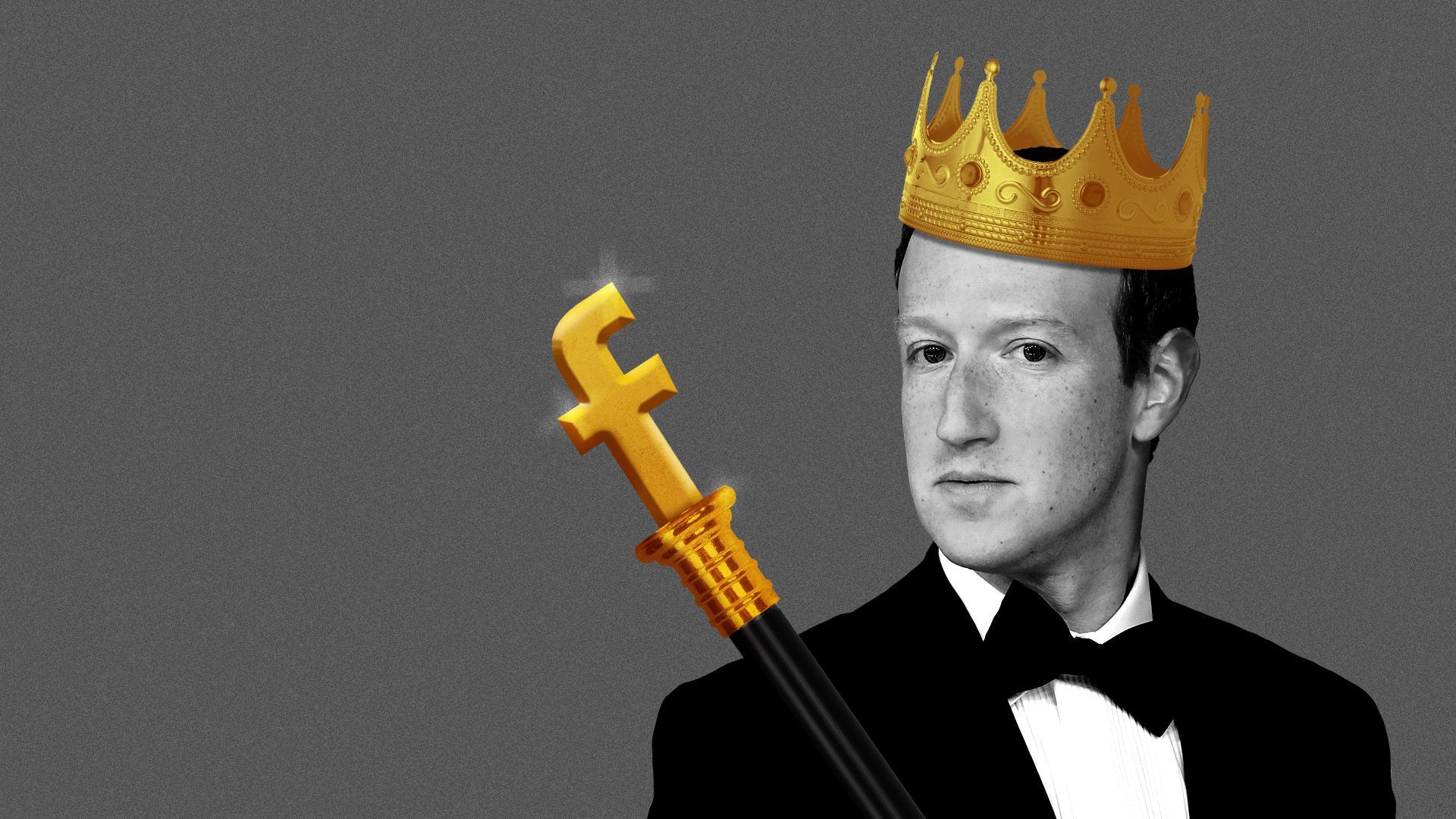
Meta/Facebook's historic stock plunge slashed the company's value by roughly one-third over the past week and roiled markets but left one key figure unbowed: Founder-CEO Mark Zuckerberg may be poorer, but he's no less powerful.
Why it matters: Other CEOs facing such disasters have quit, or at least faced boardroom challenges or shareholder revolts. But Zuckerberg's ownership of a class of shares with special voting rights gives him effective and absolute control over the company.

Square dongle could be in trouble


It's a good thing Jack Dorsey pivoted Square to Block last year.
Catch up quick: Apple is set to transform iPhones into contactless credit card readers and payment processors later this year. That could, in theory, threaten Square's existing payment devices business.

Revived Telltale Games will show off its first game since closing

Resurrected studio Telltale Games will show off its upcoming sequel to The Wolf Among Us Wednesday during a livestream.
The details: The event starts at 10 a.m. PT and will be streamed via YouTube. Geoff Keighley will host.
A "concerning pattern" at the International Game Developers Association

A new report details the International Game Developers Association’s history of inappropriately handling complaints against its Women in Games Special Interest Group chair.
Why it matters: The IGDA is a nonprofit organization intended to support developers by addressing important topics in the industry, including accessibility, sexism, discrimination and work conditions.

iPhones to become credit card readers
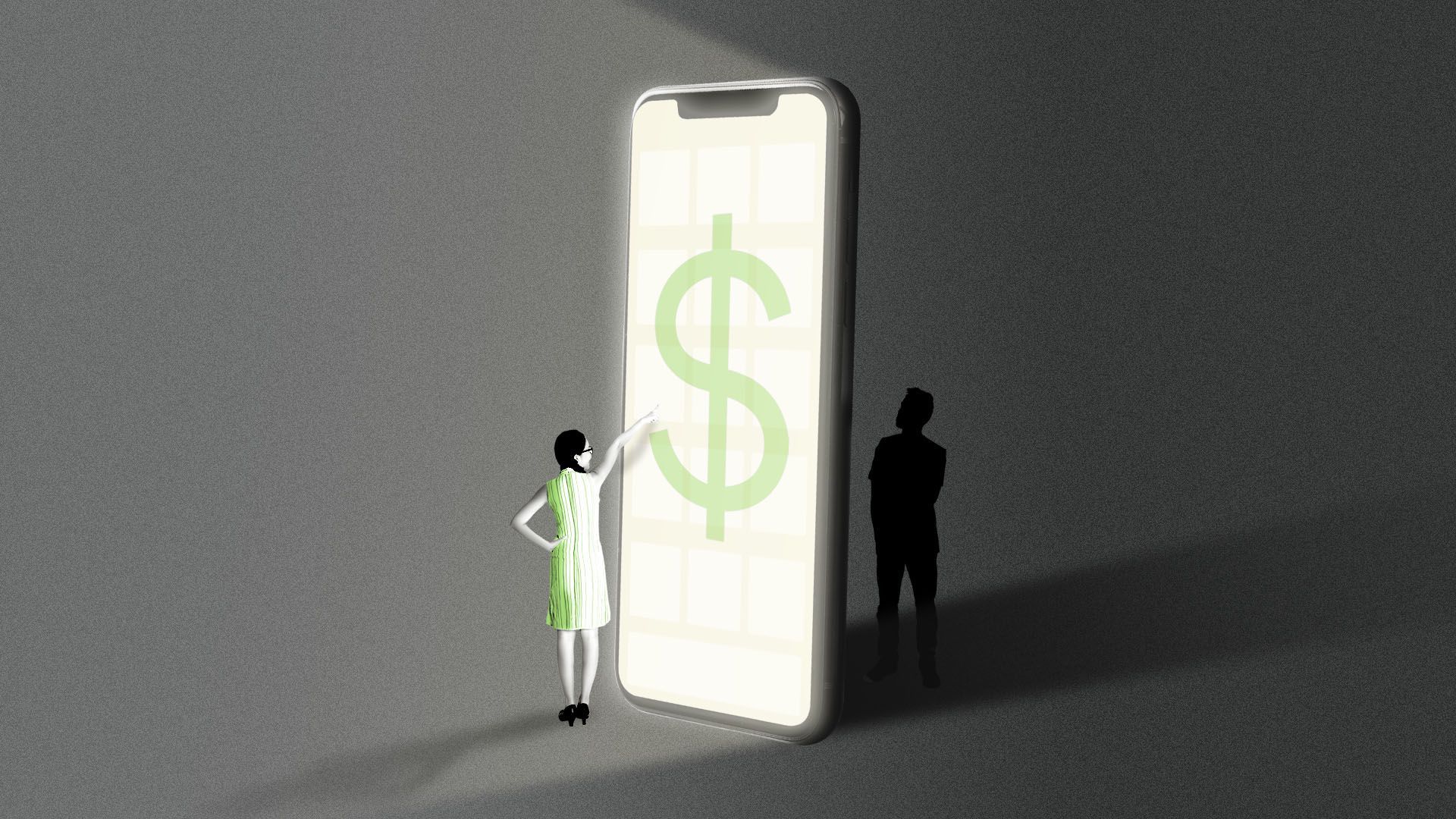
Apple is set to transform iPhones into contactless credit card readers and payment processors later this year.
Why it matters: The upcoming “Tap to Pay” feature — announced Tuesday — could make it easier for merchants to conduct their business and accept contactless payments without any extra equipment.

News outlets ride TikTok engagement wave


A handful of news media companies now have more than 1 million followers on TikTok, a testament to how much the viral video platform has become a central place for Gen-Zers to get news.
Why it matters: Even though TikTok has done little to court news publishers or make the platform lucrative for them, the opportunity for brand awareness is massive.

TikTok safety chief: Policy update aims to support "well-being of our community"
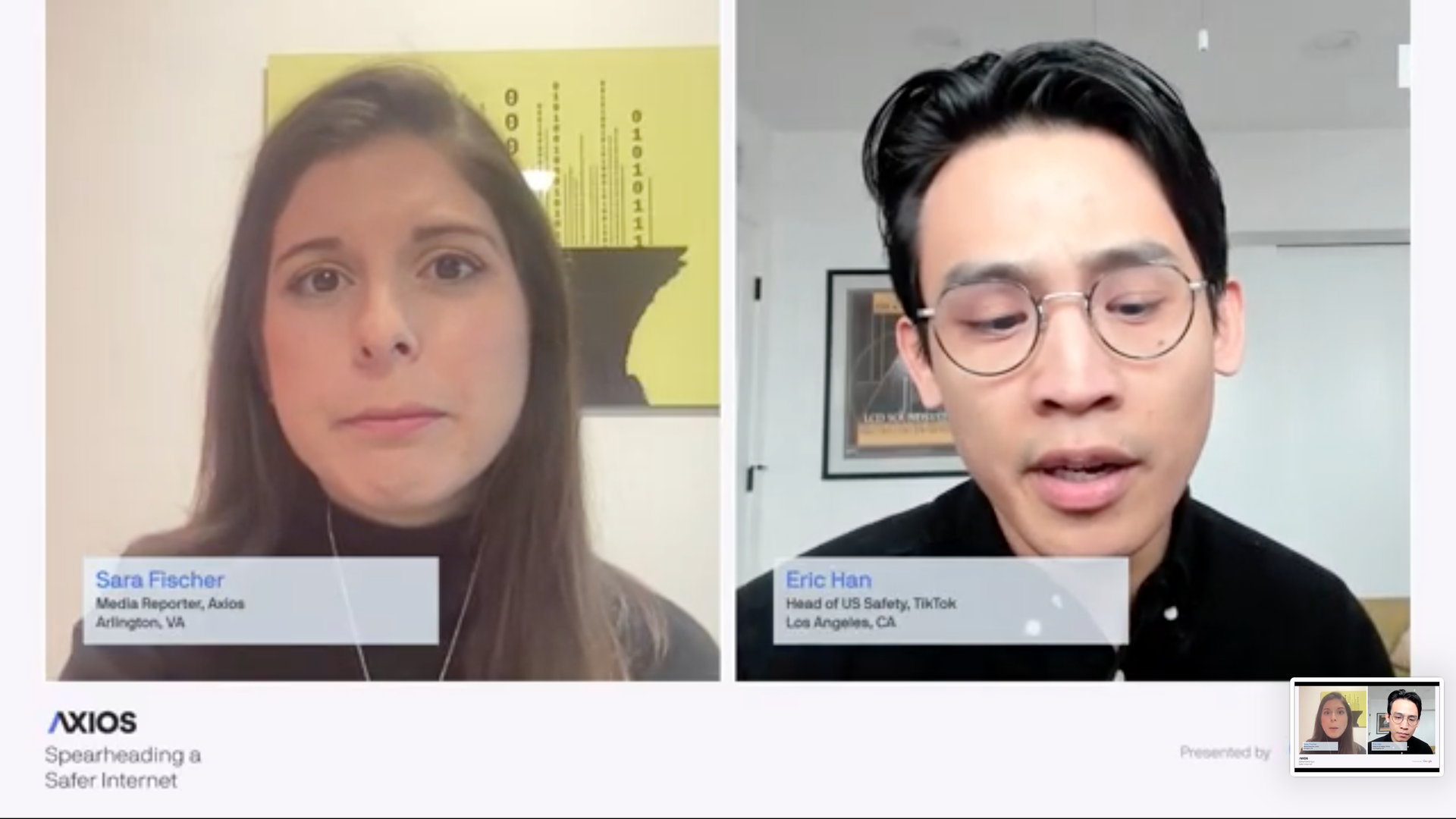
TikTok Head of U.S. Safety Eric Han told Axios at an event Tuesday the platform's new community guidelines, updated Tuesday, aim to "support the well-being of our community" beyond cracking down on hoaxes on the app.
The big picture: The updated guidelines expand TikTok's "dangerous acts and challenges" policy to ban content that promotes harmful hoaxes. Viral challenges on the app have led to school shooting threats and students vandalizing schools.

Watch: A conversation on internet safety in the modern digital era
On Tuesday, February 8th, Axios media reporter Sara Fischer and chief technology correspondent Ina Fried examined the importance of user protections and how decision-makers are working to make the internet safer, featuring TikTok head of U.S. safety Eric Han and National Cybersecurity Alliance interim executive director Lisa Plaggemier.
Eric Han highlighted TikTok’s newly released community guideline changes, how the platform is handling viral hoaxes and harmful challenges, and what they’re doing to combat political misinformation with midterm elections coming up.
- On new updates to TikTok’s community guidelines: “We’re making it clear that offenses like misogyny or misgendering, which have long been prohibited on our platform, are not allowed under our hateful behavior policies. Moreover…one of the updates that we’re announcing as well is how do we aim to support the well-being of our community? Parts of that is expanding the type of content related to eating disorders that we will remove.”
- On the platform’s political speech policies: “From right now, we feel pretty good from a policy standpoint. For example, we ban paid political ads. We’re going to continue doing that. Election misinformation is not something that should proliferate on our platform. These are policies we’ve had in place since day one, and we recognize that an election heightens that.”
Lisa Plaggemier explained why she believes framing cyberattacks as military style attacks is inappropriate, tips to help people learn to protect themselves online, and what companies beyond just the tech industry should be doing to protect the most vulnerable internet users.
- On how using war imagery to describe cybersecurity problems heightens public stress: “If you ask people that work in UX or UI design, they will say the exact same thing: that they have learned that in order to engage technology users more during this time, they have to lean into positivity…and that’s really the problem, is that militaristic tone and that type of language is really tone deaf for these times.”
- On communicating with consumers about security: “I think a lot of consumer-facing organizations are afraid to communicate about cybersecurity because maybe they’re afraid they live in a glass house or it’s a scary subject, and it’s not going to reflect well on their brand. But you can do it in a way that really uses security as a brand asset.”
The View from the Top segment with Google’s SVP of Core Systems & Experiences Jen Fitzpatrick emphasized how the ways people use the internet have changed, and how these shifts have caused cybersecurity to become more important for tech companies.
- “Last year, we took a big step and enrolled more than 150 million people in two-step verification…and with that initiative, we just learned that we actually cut in half the number of hijacked accounts, which is something that’s super important as more and more bad actors are targeting people’s accounts and trying to gain malicious access to them.”
Thank you Google for sponsoring this event.

Blockchain infrastructure company Alchemy raises $200 million
Alchemy, which provides software infrastructure for cryptocurrency development and billing itself as the "Amazon Web Services for Web3," has raised $200 million additional Series C funding led by Lightspeed Venture Partners and Silver Lake at a $10.2 billion valuations.
Why it matters: The company told Axios that it's already profitable and hasn't touched any of its cash since raising a Series B last April. It will use its new funding to expand its reach.

The Spanish-language misinformation crisis

Spanish-language misinformation on social media platforms is flourishing, even as tech companies add more moderators, adopt stricter content rules, add context labels and block offending accounts.
Why it matters: Latinos are increasingly turning to social media for news during the pandemic — including important elections where Spanish-language misinformation sometimes sits unchallenged, posing threats to health and democracies.
TikTok updates rules to combat viral hoaxes
TikTok on Tuesday said it's updating its policies to prevent harmful hoaxes from spreading on its platform.
Why it matters: Viral TikTok challenges last year led to school shooting threats and students vandalizing schools.
Nvidia officially terminates its Arm purchase
Nvidia is officially pulling the plug on its planned purchase of Arm from SoftBank.
Details: SoftBank confirmed the news in a statement Tuesday announcing plans for an initial public offering for Arm within the fiscal year ending March 31, 2023.