It's a good thing Jack Dorsey pivoted Square to Block last year.
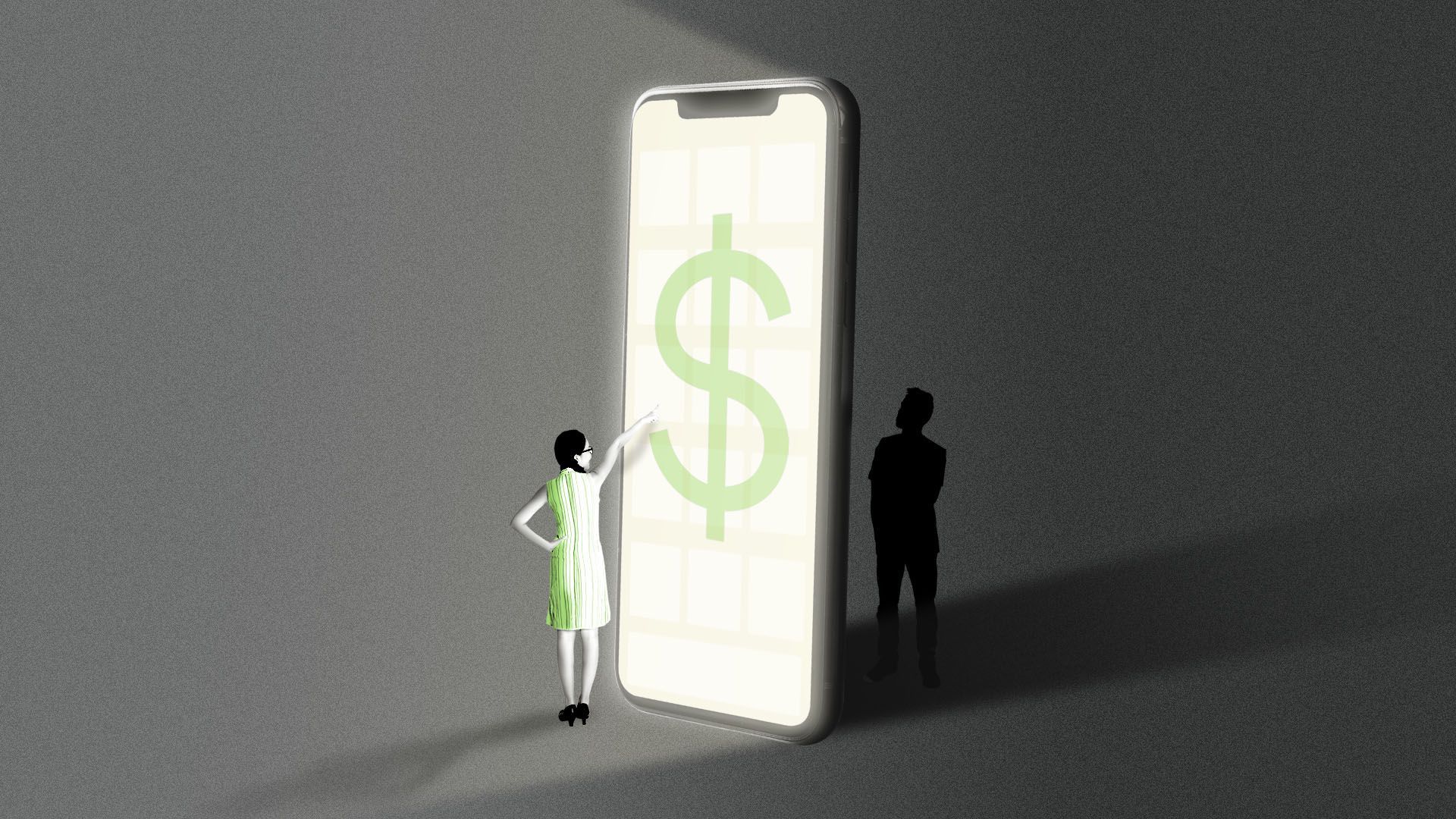
Catch up quick: Apple is set to transform iPhones into contactless credit card readers and payment processors later this year. That could, in theory, threaten Square's existing payment devices business.
A new report details the International Game Developers Association’s history of inappropriately handling complaints against its Women in Games Special Interest Group chair.
Why it matters: The IGDA is a nonprofit organization intended to support developers by addressing important topics in the industry, including accessibility, sexism, discrimination and work conditions.
Apple is set to transform iPhones into contactless credit card readers and payment processors later this year.
Why it matters: The upcoming “Tap to Pay” feature — announced Tuesday — could make it easier for merchants to conduct their business and accept contactless payments without any extra equipment.
A handful of news media companies now have more than 1 million followers on TikTok, a testament to how much the viral video platform has become a central place for Gen-Zers to get news.
Why it matters: Even though TikTok has done little to court news publishers or make the platform lucrative for them, the opportunity for brand awareness is massive.
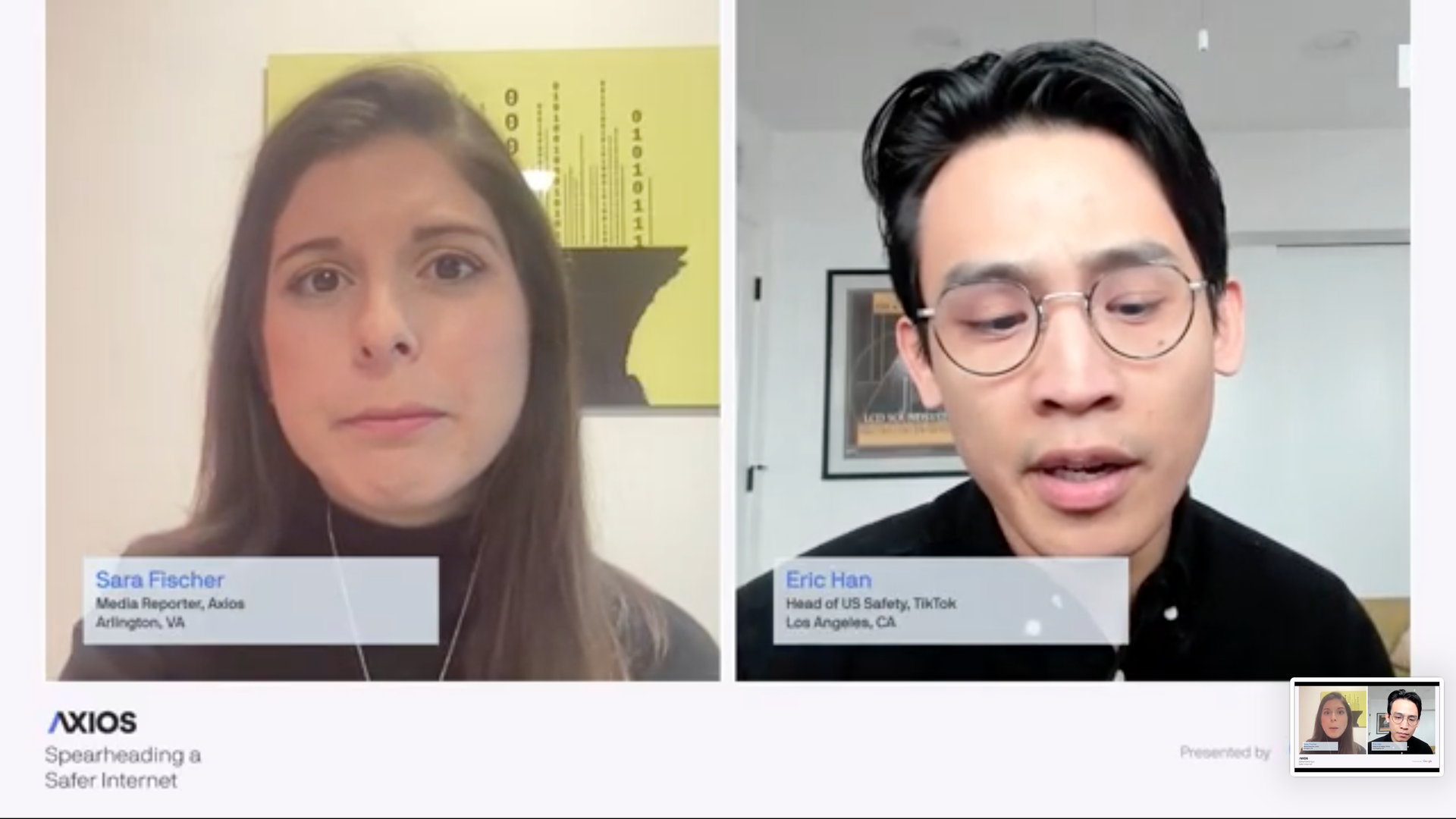
TikTok Head of U.S. Safety Eric Han told Axios at an event Tuesday the platform's new community guidelines, updated Tuesday, aim to "support the well-being of our community" beyond cracking down on hoaxes on the app.
The big picture: The updated guidelines expand TikTok's "dangerous acts and challenges" policy to ban content that promotes harmful hoaxes. Viral challenges on the app have led to school shooting threats and students vandalizing schools.
On Tuesday, February 8th, Axios media reporter Sara Fischer and chief technology correspondent Ina Fried examined the importance of user protections and how decision-makers are working to make the internet safer, featuring TikTok head of U.S. safety Eric Han and National Cybersecurity Alliance interim executive director Lisa Plaggemier.
Eric Han highlighted TikTok’s newly released community guideline changes, how the platform is handling viral hoaxes and harmful challenges, and what they’re doing to combat political misinformation with midterm elections coming up.
On new updates to TikTok’s community guidelines: “We’re making it clear that offenses like misogyny or misgendering, which have long been prohibited on our platform, are not allowed under our hateful behavior policies. Moreover…one of the updates that we’re announcing as well is how do we aim to support the well-being of our community? Parts of that is expanding the type of content related to eating disorders that we will remove.”
On the platform’s political speech policies: “From right now, we feel pretty good from a policy standpoint. For example, we ban paid political ads. We’re going to continue doing that. Election misinformation is not something that should proliferate on our platform. These are policies we’ve had in place since day one, and we recognize that an election heightens that.”
Lisa Plaggemier explained why she believes framing cyberattacks as military style attacks is inappropriate, tips to help people learn to protect themselves online, and what companies beyond just the tech industry should be doing to protect the most vulnerable internet users.
On how using war imagery to describe cybersecurity problems heightens public stress: “If you ask people that work in UX or UI design, they will say the exact same thing: that they have learned that in order to engage technology users more during this time, they have to lean into positivity…and that’s really the problem, is that militaristic tone and that type of language is really tone deaf for these times.”
On communicating with consumers about security: “I think a lot of consumer-facing organizations are afraid to communicate about cybersecurity because maybe they’re afraid they live in a glass house or it’s a scary subject, and it’s not going to reflect well on their brand. But you can do it in a way that really uses security as a brand asset.”
The View from the Top segment with Google’s SVP of Core Systems & Experiences Jen Fitzpatrick emphasized how the ways people use the internet have changed, and how these shifts have caused cybersecurity to become more important for tech companies.
“Last year, we took a big step and enrolled more than 150 million people in two-step verification…and with that initiative, we just learned that we actually cut in half the number of hijacked accounts, which is something that’s super important as more and more bad actors are targeting people’s accounts and trying to gain malicious access to them.”
Alchemy, which provides software infrastructure for cryptocurrency development and billing itself as the "Amazon Web Services for Web3," has raised $200 million additional Series C funding led by Lightspeed Venture Partners and Silver Lake at a $10.2 billion valuations.
Why it matters: The company told Axios that it's already profitable and hasn't touched any of its cash since raising a Series B last April. It will use its new funding to expand its reach.
Spanish-language misinformation on social media platforms is flourishing, even as tech companies add more moderators, adopt stricter content rules, add context labels and block offending accounts.
Why it matters: Latinos are increasingly turning to social media for news during the pandemic — including important elections where Spanish-language misinformation sometimes sits unchallenged, posing threats to health and democracies.
Nvidia is officially pulling the plug on its planned purchase of Arm from SoftBank.
Details: SoftBank confirmed the news in a statement Tuesday announcing plans for an initial public offering for Arm within the fiscal year ending March 31, 2023.