New research shows that incorporating a sense of touch into robot arms controlled by the human brain vastly improves performance.
Why it matters: The work demonstrates the ability to transmit feeling is vital to making a better robotic prosthesis, providing hope to those who've lost the use of their limbs — and pointing the way to further progress on brain-computer interfaces (BCI).
The startup OVR Technology is incorporating smell into virtual reality and using it in a new program designed to allow people to experience the effects of climate change.
Why it matters: VR can already simulate sight, sound and a sense of movement, but adding smell can help stimulate memories and emotional experiences, making virtual reality all the more real.
The venture capital industry successfully adjusted to the new normal, and even thrived, after an initial period of pandemic paralysis.
Why it matters: Many feared the crisis would wreck large swaths of startups. Instead, 2020 birthed a new cohort of companies shaping how we live and work in entirely new ways — especially since they matured during a period of societal shifts.
In his first testimony in a courtroom trial, Apple CEO Tim Cook calmly and methodically defended the App Store's business model and other policies that Fortnite maker Epic Games says violate antitrust law.
Between the lines: While Cook is the biggest name to testify at the 3-week trial, the verdict will likely hinge on which side's economic experts were most persuasive to Judge Yvonne Gonzalez Rogers — who will ultimately determine the relevant market and whether Apple has a monopoly that it abused.
Logitech has partnered with AbleGamers Charity, Adaptive Action Sports and Mt. Sinai hospital to create a new, one-of-a-kind tournament aimed at adaptive esports players.
Why it matters: Major esports tournaments for gamers with disabilities don't exist. It's another way in which these players are othered from the space, instead of being allowed to showcase their skills in competitive games.
Venture capitalists are used to being praised by elected officials, who view early-stage investment as a job creation engine. But a bipartisan schism is emerging over the VC model itself, and its reliance on acquisitions.
Driving the news: Two senators who don't agree on very much, Amy Klobuchar (D-Minn.) and Josh Hawley (R-Mo.), each have proposed antitrust bills that would make it more difficult for large companies to make acquisitions.
Snapchat on Thursday unveiled a new version of its 3D glasses called Spectacles, giving it a big boost in the race to deliver augmented reality (AR) devices to consumers.
Why it matters: In focusing narrowly on AR for the past five years, Snapchat has been able beat bigger rivals like Apple and Facebook to unveiling its AR glasses.
A bipartisan group of lawmakers are introducing a bill Friday that would give states more control over which court hears antitrust lawsuits brought against companies, according to a copy of the proposal obtained by Axios.
Why it matters: This bill would ensure that state AGs — which are suing companies more and more — get home-court advantage by choosing the court to hear the case and ensuring the case stays there.
The U.S. Chamber of Commerce is calling on the federal government to do more to fight ransomware as businesses continue to be hit with financially motivated attacks.
Why it matters: Once they are hit, businesses often feel they have no choice but to pay up — hence the need and desire for collective action.
After three and a half years, the U.S. backlash against tech's biggest firms has failed to dent or daunt them.
The big picture: Today, Google, Apple, Amazon and Facebook are massively richer, more powerful and more determined to push their products and services deeper into our lives than they were in January 2018, when Axios first used the term "techlash."
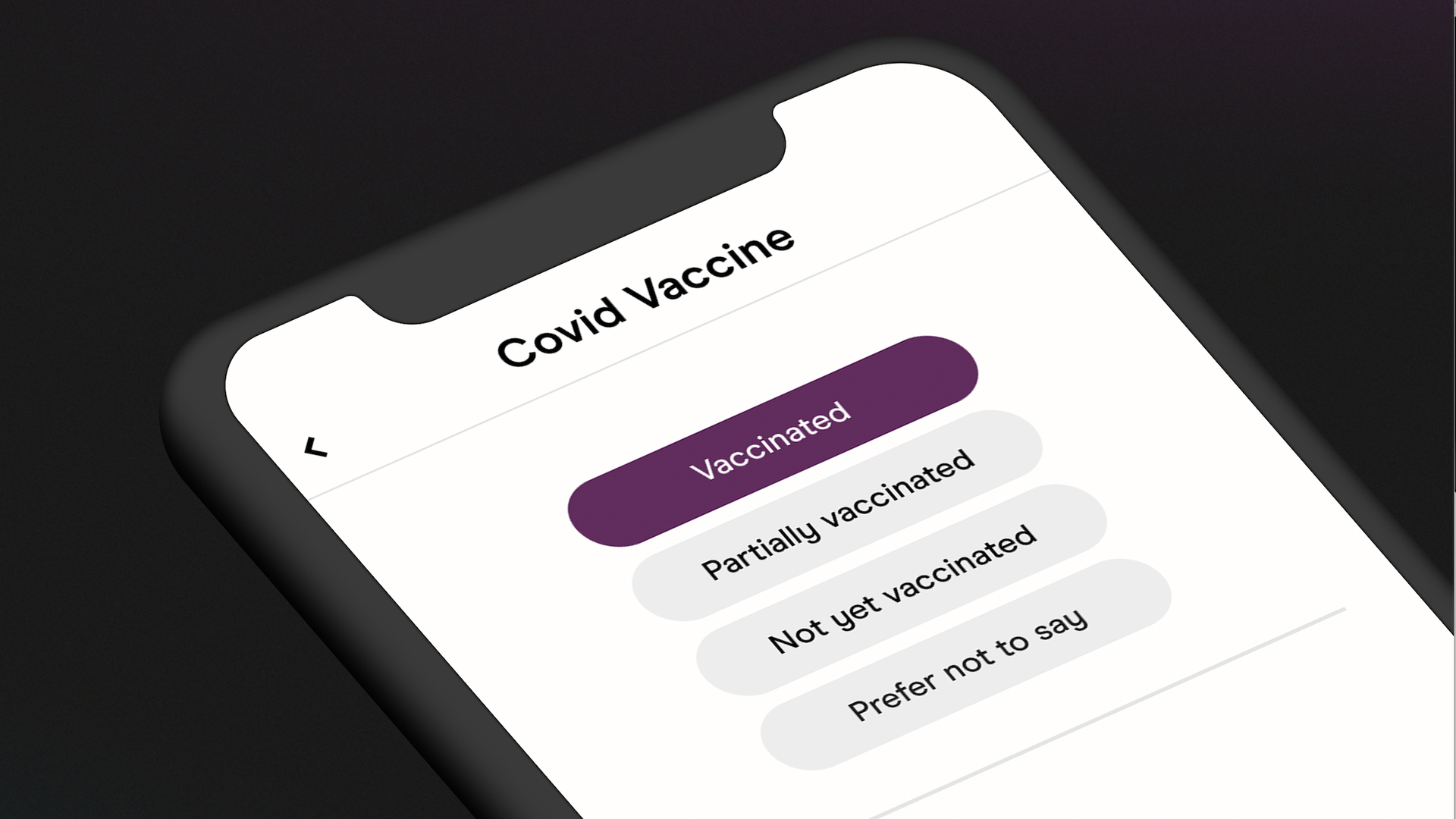
The White House is hoping that the urge to merge will motivate more Americans to get vaccinated, teaming up with nine of the largest dating sites to offer badges and other perks to those who have gotten their COVID-19 shot.
Why it matters: The White House has an ambitious goal to get 70% of American adults to have had at least their first vaccine shot by July 4.