Snapchat used large LED screens to present its annual "Snap Partner Summit," a move that caught the attention of tech insiders who were eager to see what the company had been building during the pandemic.
Why it matters: The annual presentation, done entirely in augmented reality (AR) this year, has become a must-see event for Snapchat stakeholders — akin to how Apple's product announcements have become cultural moments.
Google announced Thursday it plans to open its first physical retail store in New York City's Chelsea neighborhood.
Why it matters, via Axios' Ina Fried:Google's move into brick-and-mortar sales comes after the company broadened its hardware with Fitbit, Nest and Pixel. But most major tech companies outside Apple have struggled with physical stores, including Samsung and Sony.
During the third week of the Epic-Apple trial, Apple executives have portrayed their company as a benevolent and helpful gatekeeper to iPhone users and app developers.
Why it matters: It's been Apple's turn to present its side in a trial that will determine whether its restrictions on its app store are illegally monopolistic.
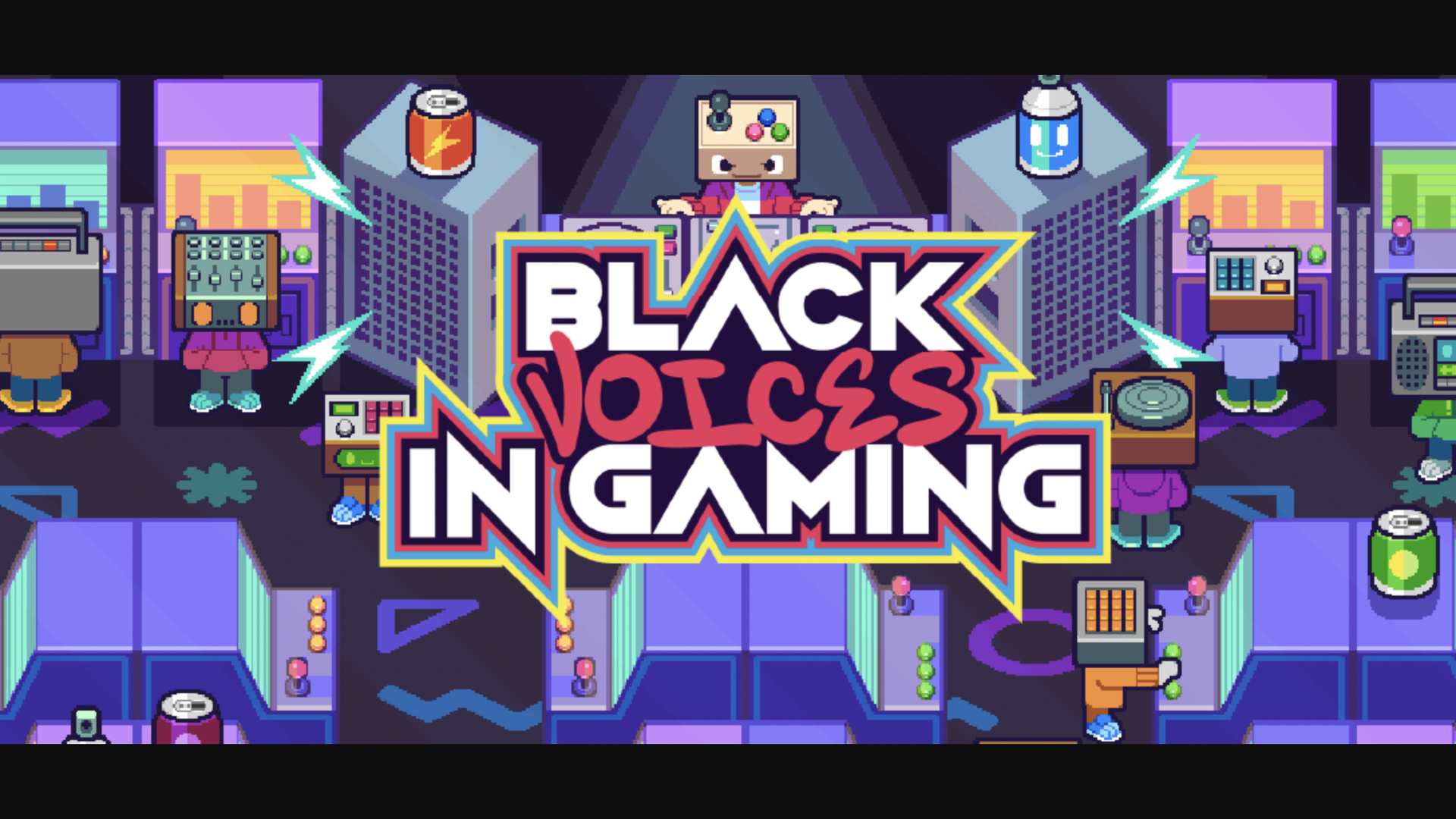
The Media Indie Exchange is putting Black developers at the forefront with its Black Voices in Gaming Freshman Class, an initiative to highlight developers with games coming out through 2022.
Why it matters: The game industry grapples with diversity across the board, leaving developers who are not cis-gender white men isolated or even alienated from the broader community.
Snapchat on Thursday debuted a slew of new products and user metrics for things like games and augmented reality lenses that have been built using Snapchat's developer tools.
Why it matters: It's an important milestone in Snapchat's transformation from a social network to a camera company that caters to developers.
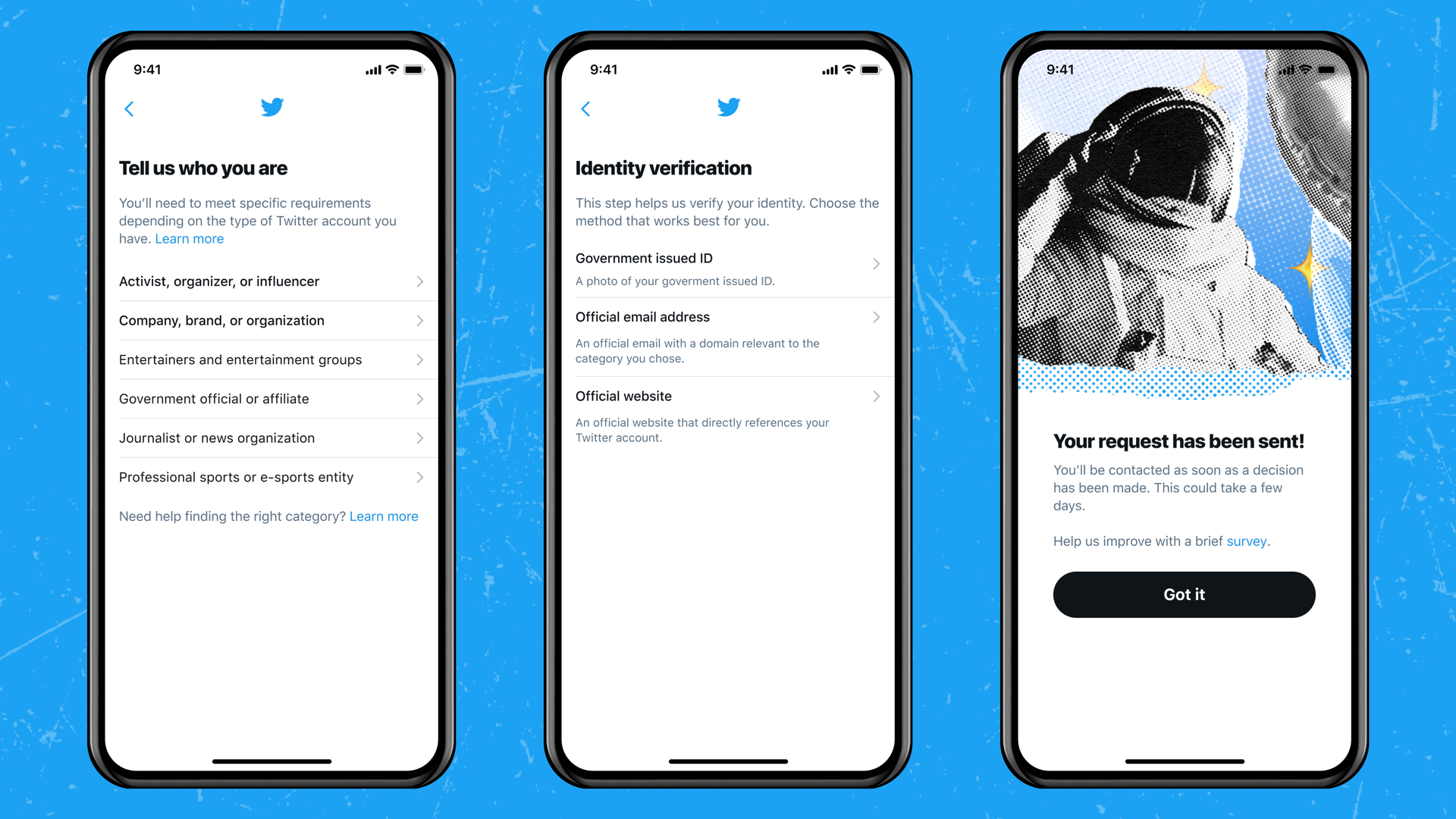
Twitter has begun rolling out a new verification process and says moving forward, it will accept and review all public applications for verification on Twitter.
Why it matters: Executives told press during a briefing Wednesday that for a long time, people have complained that the verification process felt unfair.
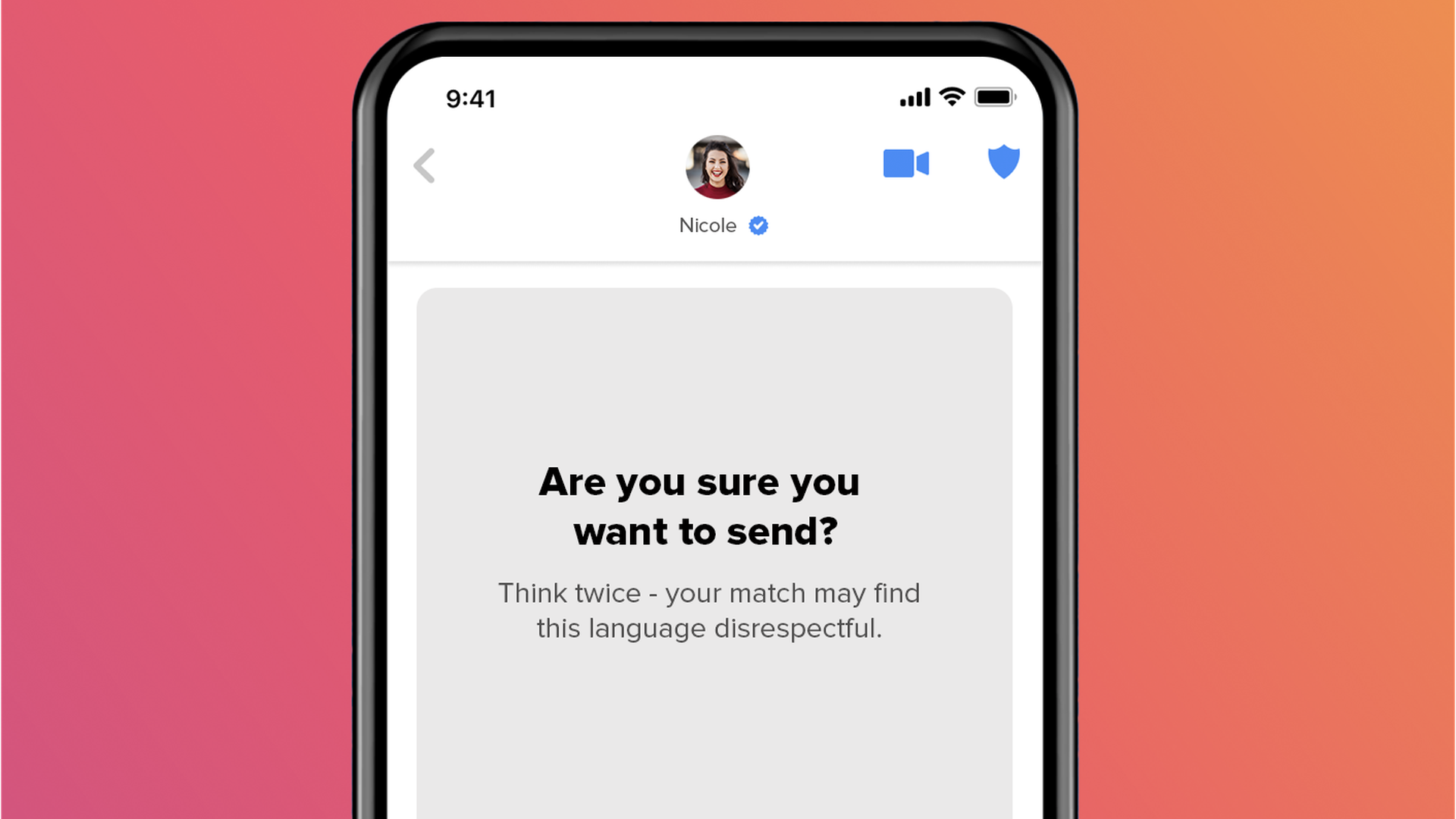
Tinder parent Match Group is debuting a new screen asking customers "Are you sure?" before they post potentially offensive language. It says the technique has reduced such language by 10% in early testing.
Why it matters: It's another example of the kind of tools tech companies can deploy on the middle ground between just banning content and taking an anything-goes stance.
Facebook says that its services were interrupted 84 times in 19 countries in the second half of last year, compared to 52 disruptions in eight countries that took place during the first half of the year. That's a symptom of a growing trend among countries to restrict access to social media and the open internet.
Why it matters: Government censorship, whether through complete blackouts or laws limiting certain types of content, is a growing threat to the notion of the internet as an open global network.
Incarcerated people and their families pay high rates to talk by phone in part because the deals phone companies cut with prisons and jails drive the prices up — and the Federal Communications Commission is looking to lower them.
Why it matters: People who stay in contact with friends and family while in prison are more likely to succeed once they're out.








/2021/05/20/1621517051787.gif?w=3840)