Big Tech is something all Americans use and most Americans complain about, no matter their political affiliation.
Axios Re:Cap goes deeper into the Biden administration's top Big Tech priorities, plus discussion of Section 230 and Reddit day trading with Rep. Ro Khanna (D-Calif.).
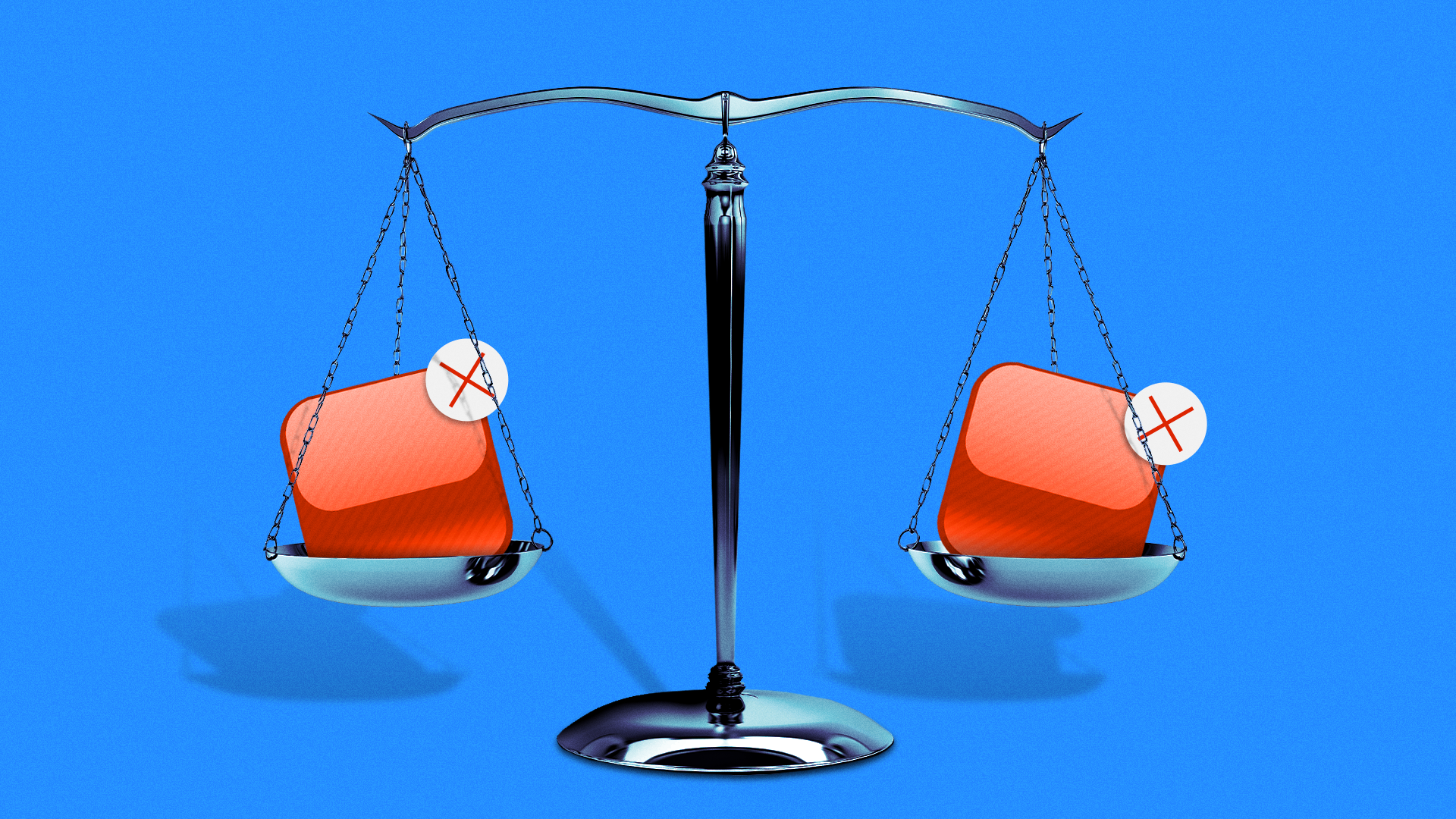
Facebook's independent Oversight Board published its first set of decisions Thursday, overturning four of the five cases it chose to review out of 20,000 cases submitted.
Why it matters: The decision to go against Facebook's conclusions in four out of five instances gives legitimacy to the board, which is funded via a $130 million grant from Facebook.
Microsoft this morning disclosed investments in more climate-related companies as part of efforts to make good on its year-old pledge to become "carbon negative" by 2030.
Driving the news: One company the tech behemoth is staking is Climeworks, a firm looking to scale up deployment of direct air capture technology that removes CO2 already in the atmosphere.
Big Tech had a strong start to earnings season, as the S&P 500's heavy hitters reported Wednesday after market close.
What happened: Spurred by strong sales of the latest iPhones, Apple had its strongest quarter ever, raking in $111.4 billion in revenue for the three months ended Dec. 31, far outpacing expectations.
The world's biggest tech firms are at each other's throats over how to manage data privacy, an issue that will shape the internet economy for years to come.
Why it matters: Absent any U.S. government intervention, tech companies are introducing rules that favor their own ideals and business models, sometimes at their peers' expense.
Verified accounts on Twitter shared more content from deceptive websites than ever in 2020, according to new research from the German Marshall Fund shared exclusively with Axios.
Why it matters: Verified accounts are supposed to help social media users seek out trustworthy information and know who they're hearing from. If verified users constantly share false information, it defeats the purpose and reinforces false narratives.
Big Tech fed politics. Then it bled politics. Now it wants to be dead to politics.
Why it matters: The social platforms that profited massively on politics and free speech suddenly want a way out — or at least a way to hide until the heat cools.
A bipartisan commission is recommending an "Apollo Program" to enhance U.S. biodefense — including against engineered viruses.
Why it matters: COVID-19, which will cost millions of lives and trillions of dollars, shuts the door on any argument that new diseases aren't a major global threat. But as biotechnology improves, we especially need ways to detect and deter pathogens designed by human beings, not just by nature.
Facebook CEO Mark Zuckerberg on Wednesday said the company will dial back on pushing political groups and content to users.
Why it matters: Facebook is hoping to dim intense political pressure from conservatives and liberals by backing away from arguments it’s long made that political speech is vital to free expression.
European and North American police on Wednesday took control of the infrastructure behind a massive network used by criminals to conduct cybercrime, the AP reports.
Why it matters: By claiming the infrastructure, authorities dealt a major blow to cyber criminals who use Emotet — one of the world's largest networks of hijacked computers — to install ransomware as part of extortion schemes and financial theft heists.
Spurred by strong sales of the latest iPhones, Apple reported it took in a record $111 billion in revenue for the three months ended Dec. 31, as the company crushed expectations.
Why it matters: The move showed even a pandemic didn't dull demand for Apple's latest smartphones.
Facebook's stock showed volatility in after-hours trading Wednesday, despite adding users and beating on top and bottom lines.
Why it matters: Investors seem spooked by proposed changes to user data collection by Apple that would impact Facebook's ad business, in addition to perennial threats of new federal privacy regulations.
The Justice Department charged a pro-Trump former Twitter user with election interference for posts encouraging users to vote via text in the 2016 election.
Why it matters: The DOJ believes this is the first criminal case charging an American with suppressing the vote via disinformation on Twitter.
Nerdy, the parent company of online learning platform Varsity Tutors, is in talks to be acquired by a SPAC affiliated with private equity giant TPG, Axios has learned from multiple sources.
Why it matters: In less than a year, SPAC acquisitions have evolved from a niche market into a widely-accepted alternative to initial public offerings (IPOs).
Tech companies that "crack the code on ultimately having true, inclusive decision making will win in the end," Rep. Yvette Clarke (D-N.Y.) told Axios at a virtual event on Wednesday.
Suspected North Korean state hackers have been using social engineering schemes to target security researchers, according to researchers with Google’s Threat Analysis Group.
Driving the news: Using platforms "including Twitter, LinkedIn, Telegram, Discord, Keybase and email," the hackers themselves posed as threat researchers in order to build legitimate profiles and backstories.
In its annual update on Wednesday morning, scientists announced the Doomsday Clock would be kept at 100 seconds to midnight.
Why it matters: The decision to keep the clock hands steady — tied for the closest it has ever been to midnight in the clock's 74-year history — reflects a picture of progress on climate change and politics undercut by growing threats from infectious disease and disruptive technologies.
Ant Group, the Chinese fintech affiliate of Alibaba (NYSE: BABA), is seeking a buyer for Kansas City-based biometric security firm EyeVerify, per the Financial Times.
Why it matters: This reflects festering tech tensions between Beijing and D.C., particularly when it comes to things like facial recognition software. It's also part of Ant's efforts to generate liquidity after being forced to scrap what was to be the largest-ever IPO.
Twenty million U.S. seniors lack a high-speed wired connection to the internet, according to a new study by the nonprofit Older Adults Technology Services (OATS), which works to get seniors access to the internet.
Why it matters: Internet access has long been critical for seniors, but has become absolutely essential during the pandemic for access to healthcare, online shopping, social outlets and more.
The pandemic-induced shift to remote work has pushed Corporate America to rethink the need for office space.
By the numbers: The signing of new leases and the renewals of existing leases fell 36% in 2020, compared with 2019, according to a new report from the commercial real estate firm CBRE, shared exclusively with Axios.
The next generation of college-educated Americans thinks social media companies have too much power and influence on politics and need more government regulation, according to a new survey by Generation Lab for Axios.
Why it matters: The findings follow an election dominated by rampant disinformation about voting fraud on social media; companies' fraught efforts to stifle purveyors of disinformation including former President Trump; and a deadly Jan. 6 insurrection over the election organized largely online.
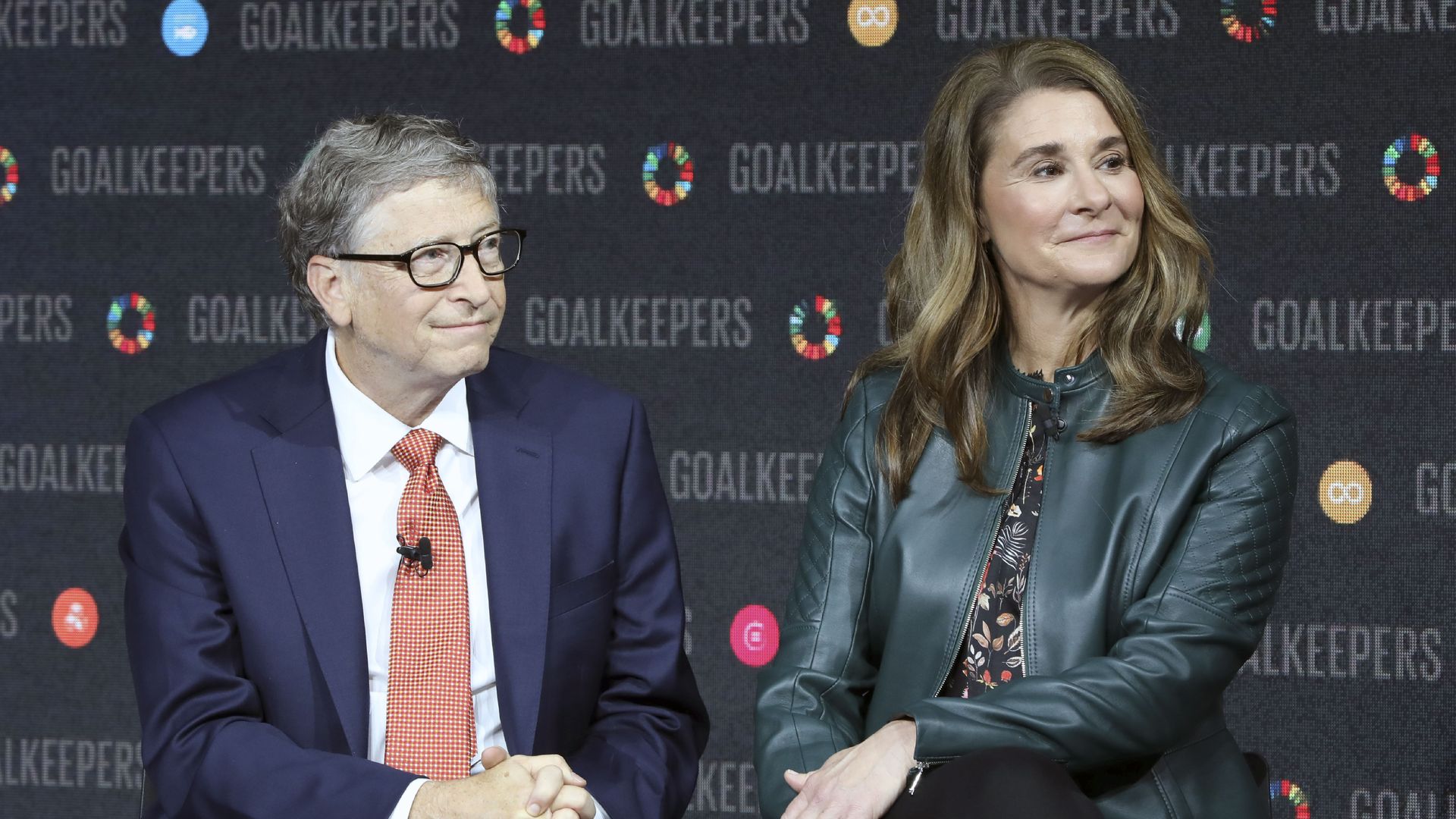
Bill and Melinda Gates warned in their annual letter Wednesday that the lasting legacy of the coronavirus pandemic could be "immunity inequality" — a wide and deadly gap between wealthy people, with easy access to coronavirus vaccines, and everyone else.
Why it matters: As long as there are large swaths of the world that can't get vaccinated, they warned, it will be impossible to get the pandemic under control.



















/2021/01/27/1611760372410.gif?w=3840)