Internet users in the Washington-to-Boston corridor reported widespread outages Tuesday, affecting service for both broadband and internet content.
Driving the news: Many Americans have been unable to access remote learning and telework because of the outages, which have affected ISPs including Verizon FiOS, Charter and Comcast as well as internet services including Google, YouTube, Amazon's AWS and Zoom.
The Washington Post will expand its performance software on Tuesday to add video to Zeus, its suite of ad placement and optimization tools.
Why it matters: The update brings the Post a step closer to an end-to-end platform for publishers and advertisers on the open web to compete for ad dollars with big tech firms like Google and Facebook.
Girls Who Code founder Reshma Saujani is leading a group of executives and celebrities calling on the Biden administration to help working moms who have borne an outsized share of the pandemic-related burden.
What's happening: Organizers note that women are leaving the workforce in large numbers. They're using a full-page ad in today's New York Times to propose a "Marshall Plan for Moms" that would see President Biden unleash federal dollars and policies to support working mothers.
Why it matters: The two "acquihires" are designed to both help keep existing Discord users more engaged and help make the service more appealing to two lucrative constituencies — brands and content creators.
MyPillow CEO Mike Lindell was permanently banned from Twitter on Monday night for "repeated violations of our Civic Integrity Policy," a Twitter spokesperson told CNN.
After 10 months as a collection of newsletters created via Substack, the team behind the Everything Bundle is breaking out on its own with $600,000 in seed funding, its own content and newsletter software built in-house, and a refreshed brand as Every.
Why it matters: While services like Substack have made it easier than ever to start a personal newsletter and even generate income from paying subscribers, some authors are figuring out they need more than an internet connection and writing ideas to build out their business.
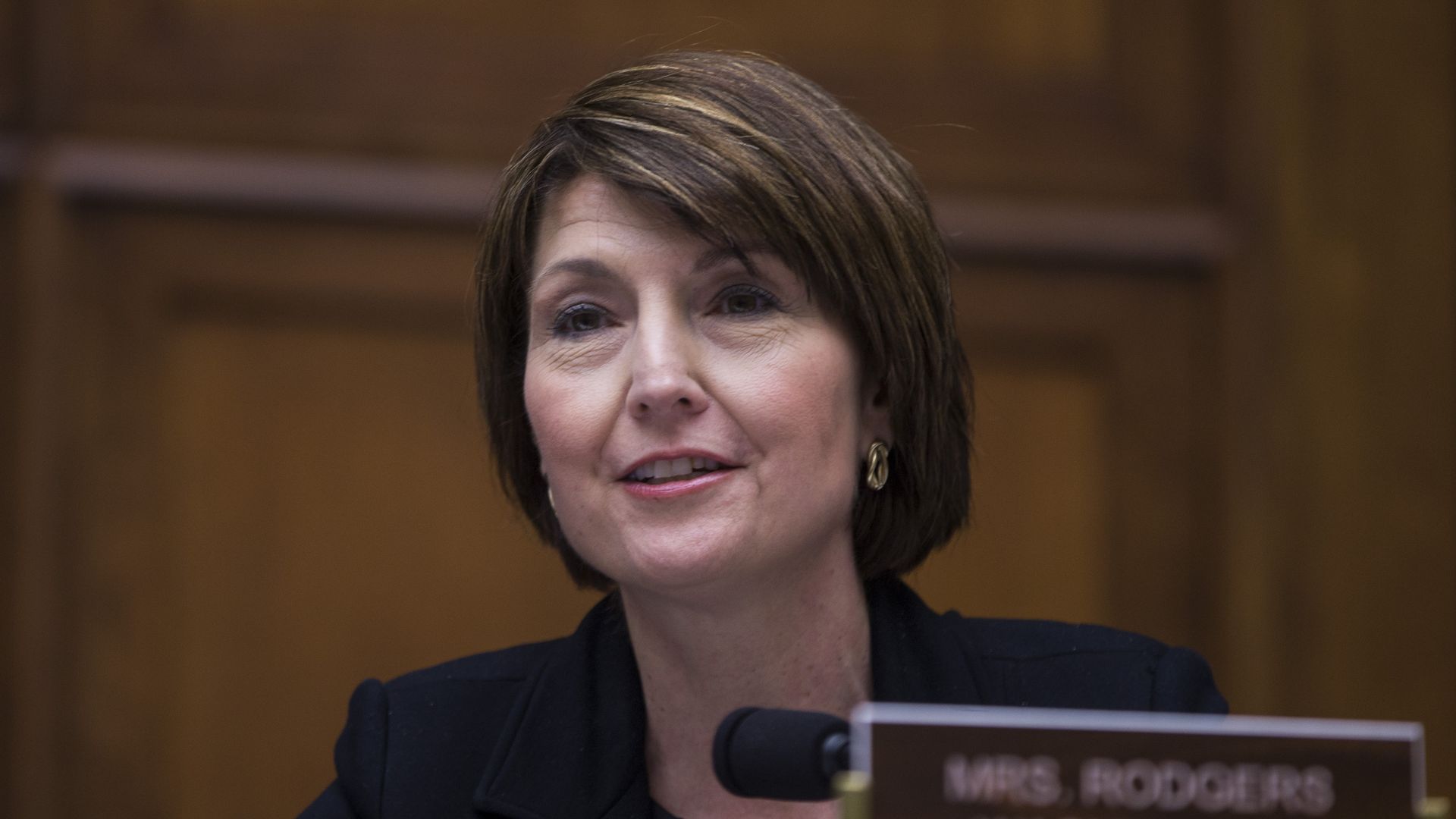
Republican Rep. Cathy McMorris Rodgers outlined a plan for fellow Republicans to hammer Big Tech companies in a memo obtained by Axios.
Why it matters: The "Big Tech Accountability Platform” serves as both a rallying cry for Republicans in the minority and an outline for some policy changes that could win bipartisan support.
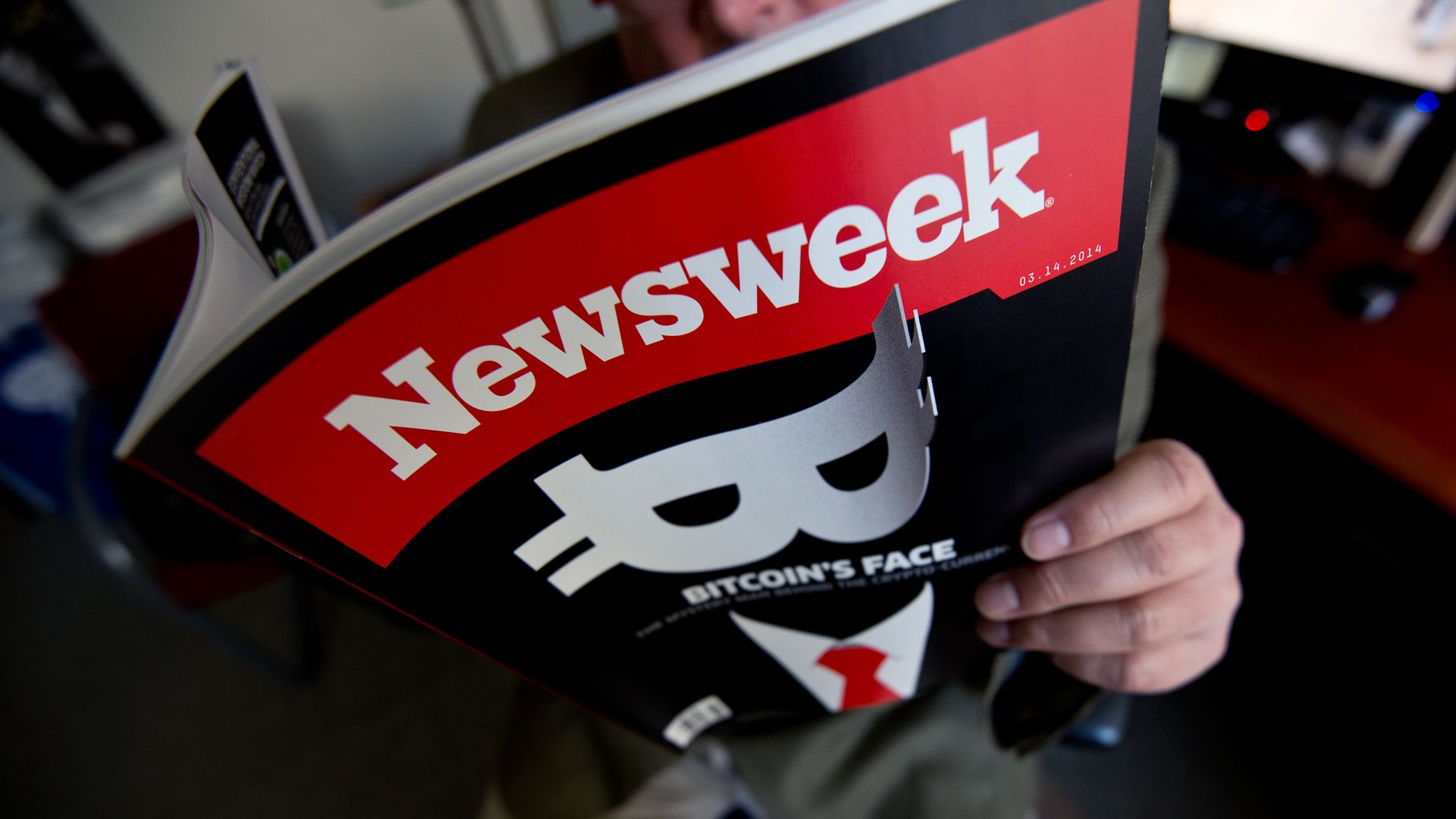
Newsweek's opinion page editor, Josh Hammer, consistently publishes op-eds slamming Big Tech and Google while remaining counsel at the Internet Accountability Project, a group partly funded by Oracle.
What's happening: The op-eds rail against Google's business model and size and the power and reach of big tech companies.
Twitter on Tuesday said it has acquired Revue, a newsletter platform for writers and publishers.
Why it matters: The deal marks Twitter's first step into building out long-form content experiences on Twitter, and its first foray into subscription revenue.
Tech policy may be one area where Democrats will be able to smash through the logjam forming around their razor-thin Senate margin and actually pass meaningful legislation.
The big picture: Many Democrats want to hit Big Tech with new antitrust laws, updates to Section 230, privacy legislation and more. The party may be united enough on such issues — and able to peel off GOP support — to pass laws around them even as the Senate's 50-50 party-line split and shifting priorities imperil other legislative possibilities.
Google will not make contributions from its political action committee this cycle to any member of Congress who voted against certifying the results of the presidential election, following the deadly Capitol riot.
Why it matters: Several major businesses paused or pulled political donations following the events of Jan. 6, when pro-Trump rioters, riled up by former President Trump, stormed the Capitol on the day it was to certify the election results.
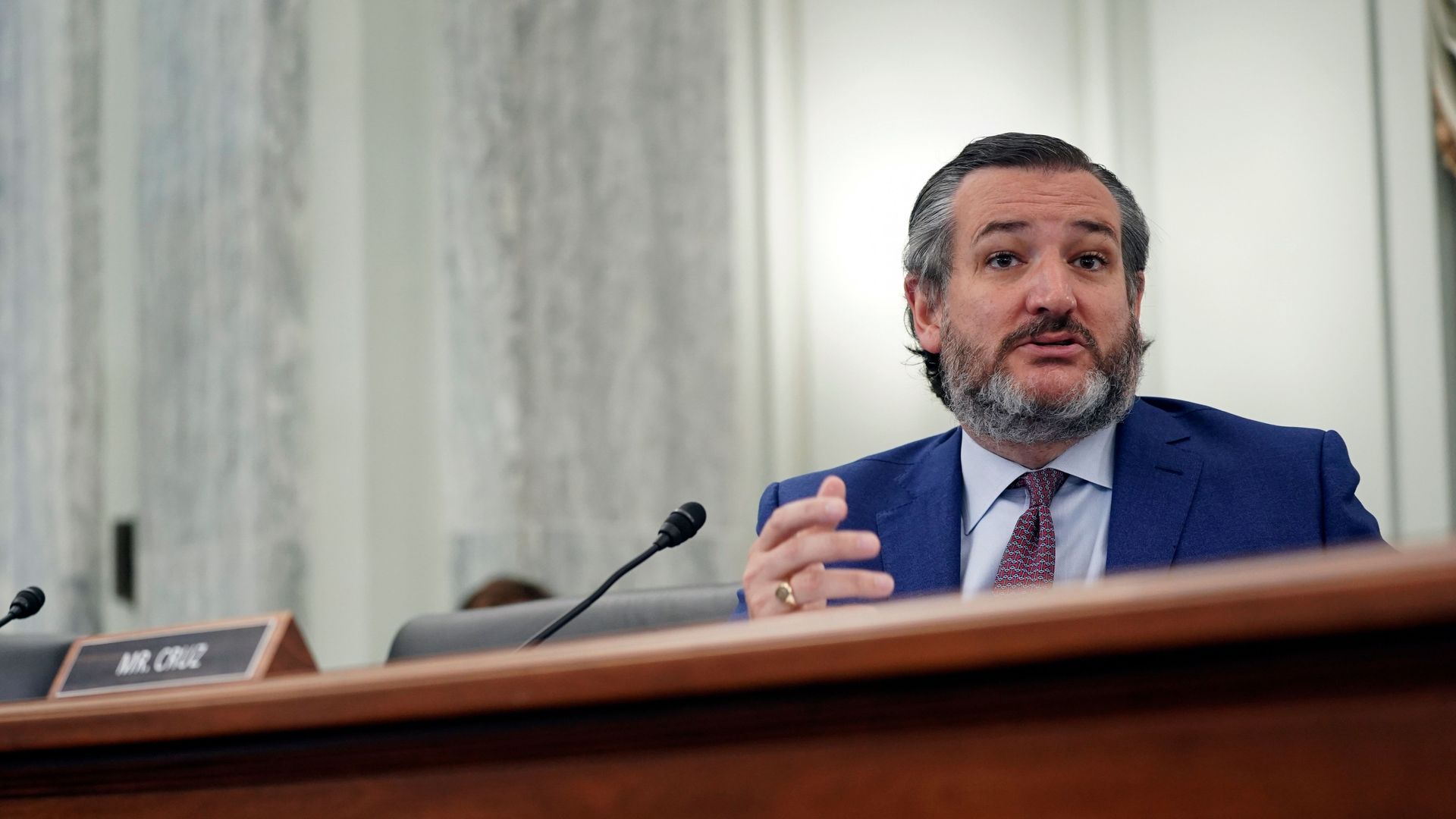
Major tech platforms told the outgoing GOP chair of the Senate Commerce Committee that there was no coordination behind their decisions to ban former President Trump and severing ties with an app popular with conservatives, per letters obtained by Axios.
Why it matters: Big Tech is a top target of Republican ire as conservatives on Capitol Hill adjust to their new position in the minority.