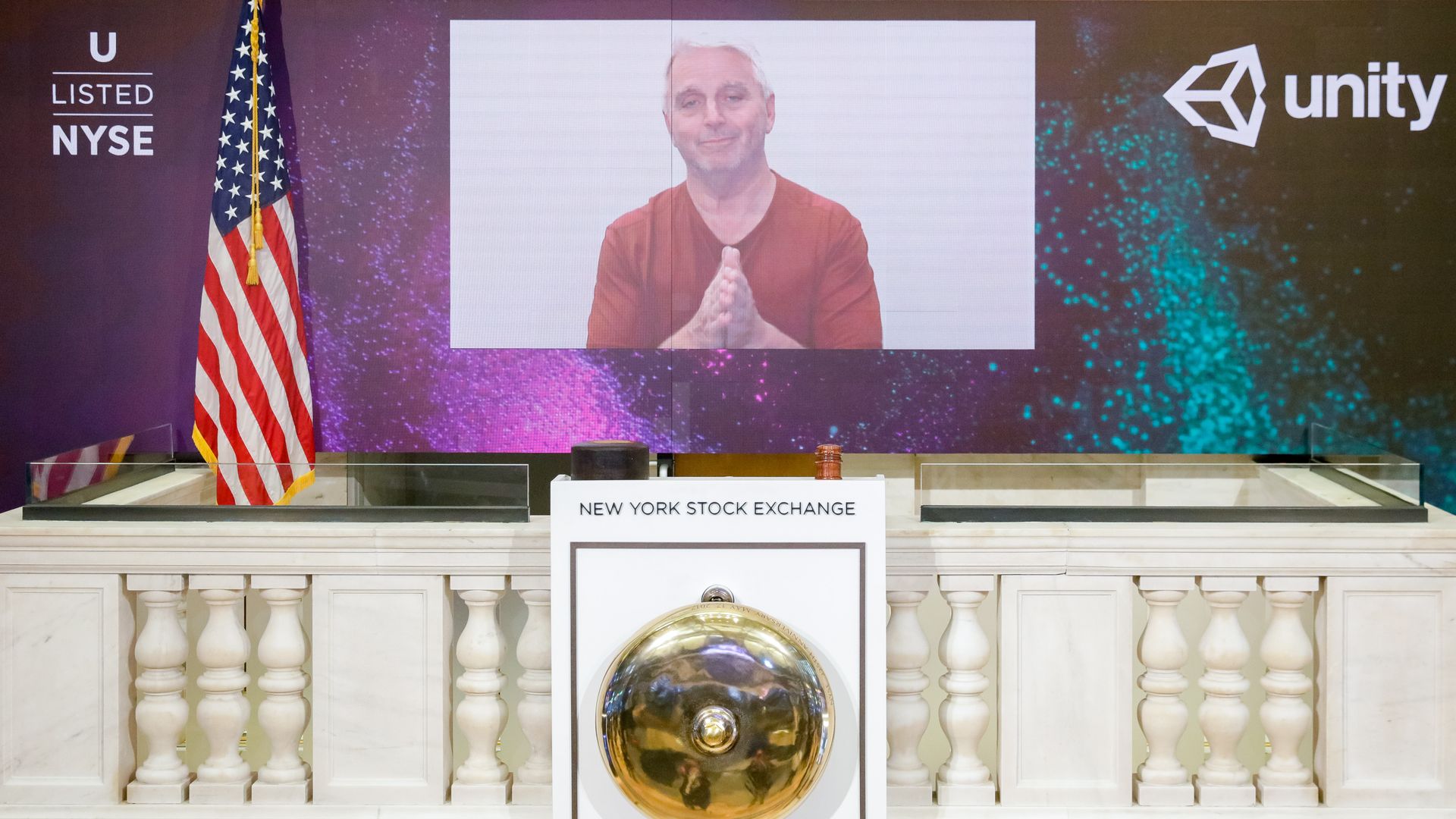
Unity Technologies was just one of many companies with blockbuster IPOs this week, but it took a decidedly different approach, using data rather than handshakes to decide who got to invest and at what price. CEO John Riccitiello explained why in an interview with Axios.
Why it matters: Traditionally, bankers and companies set IPO prices based on conversations and expectations, a process that has been criticized as basically leaving money on the table.
President Trump has 48 hours left to either follow through on his threatened ban of TikTok, or accept a proposed tech partnership with Oracle.
Axios Re:Cap digs into how the TikTok user community has reacted to this political drama, and what comes next, with New York Times tech reporter Taylor Lorenz.
TikTok received an unlikely vote of public support from its rival Instagram Friday, in response to the Commerce Department's latest order barring downloads of the app beginning Sunday. Meanwhile, the Chinese-owned video platform also said it would challenge the Trump administration's ban order as a violation of due process.
Why it matters: Major internet platform companies do not like to see different rules written for international apps in different countries, and many in the industry are beginning to view the campaign against TikTok as a dangerous precedent.
Matt Peterson, a senior Amazon exec, joined the "Axios Re:Cap" podcast to explain the thinking behind the tech and commerce giant's climate venture capital fund, which rolled out its first investments on Thursday.
Why it matters: The fund, $2 billion to start, is beginning to invest on the heels of Amazon's late 2019 pledge to be net-zero emissions by 2040.
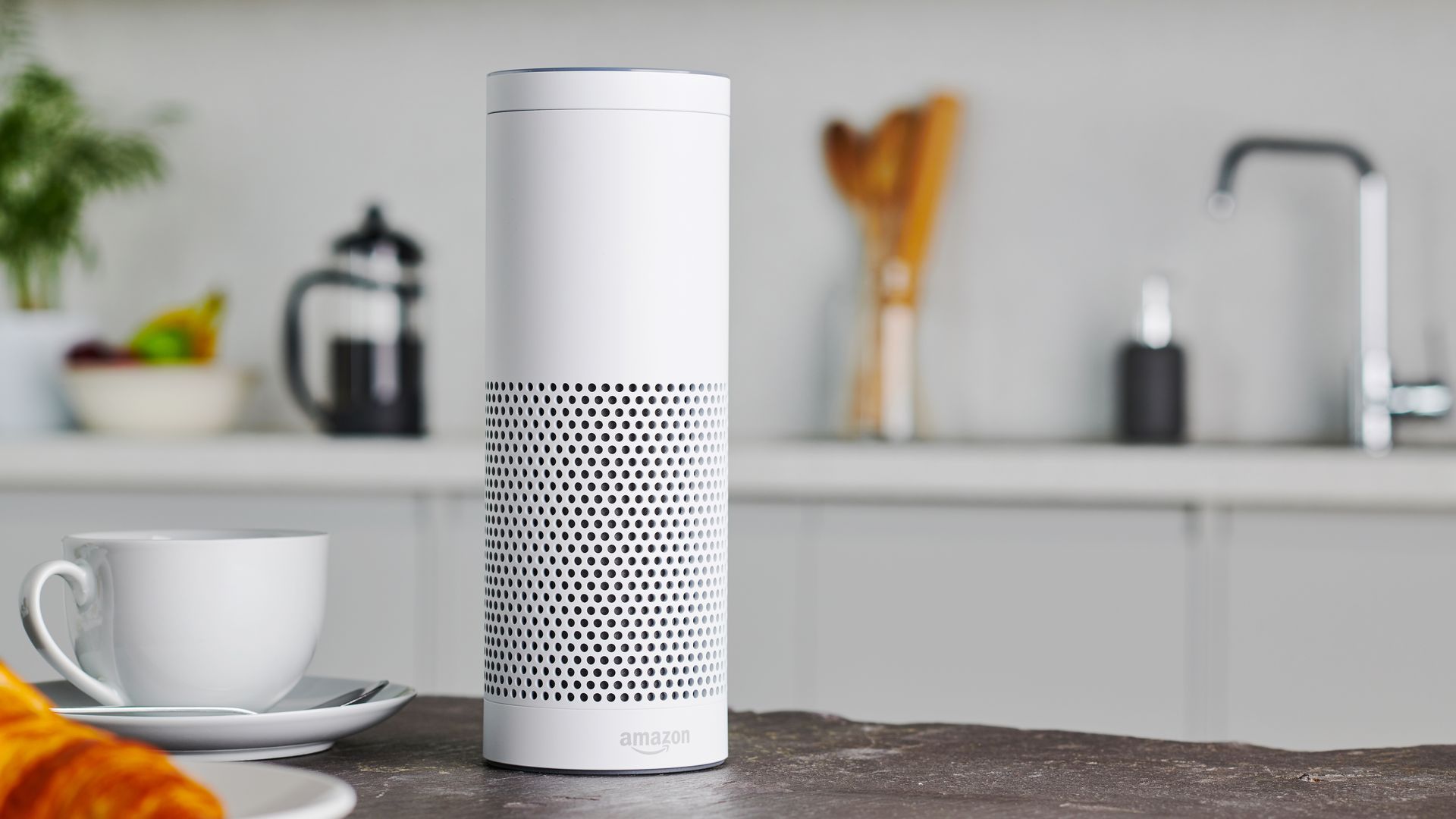
More Americans own a smart speaker than ever before and the devices are also seeing an increase in usage, according to a survey from Adobe, results of which were shared first with Axios.
Why it matters: Smart speakers and displays not only represent a new frontier for computing, but also could shift the balance of power in search and advertising, as Google faces tough competition from category pioneer Amazon.
Arizona State University, which has been at the forefront of the shift to online learning, is partnering with VR startup Dreamscape to help make its classes more cinematic in both approach and storytelling.
The big picture: Shifting in-person classes online too often feels like a "less than" experience. The partners hope that a more ambitious digital transformation of teaching can actually improve on the traditional classroom.
The Commerce Department issued Friday an order blocking new downloads of WeChat and TikTok in the U.S. as of Sept. 20.
The state of play: President Trump has been in a standoff with TikTok, threatening to ban the app if its Chinese owner, ByteDance, does not relinquish control to a U.S. company. A deal is in the works with the American tech company Oracle, but would need to go through before Sunday to prevent TikTok from being ousted from app stores.
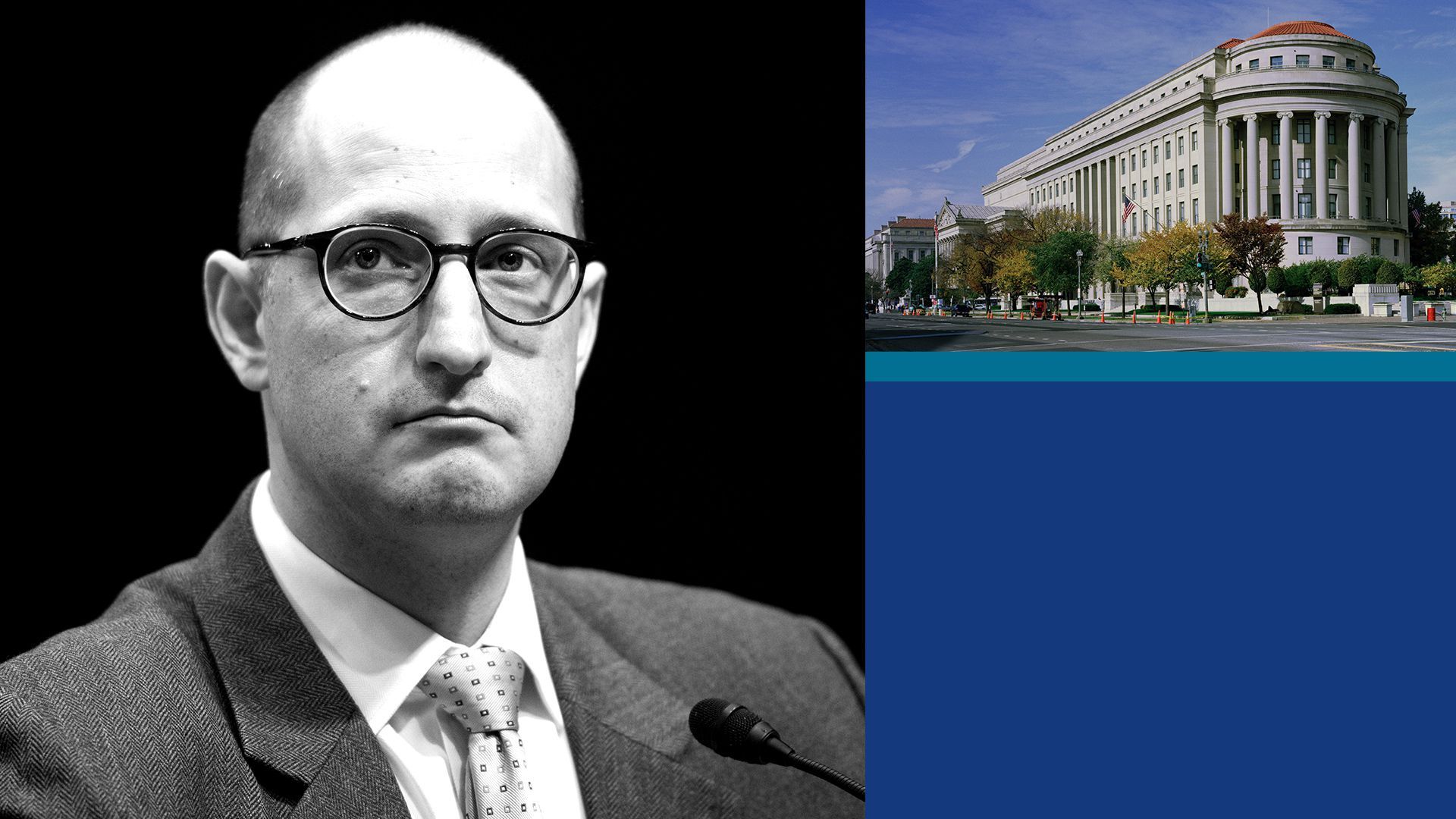
Republican member of the Federal Trade Commission Noah Phillips intends to stay at the agency through the end of his term, which is up in about three years, and has not yet decided what happens after, he told Axios during a taping of C-Span's "The Communicators" this week.
Why it matters: Phillips is one of three Republicans serving on the five-member agency, along with Chairman Joe Simons and Republican commissioner Christine Wilson. Their perspective holds sway at an agency that is pursuing big tech more aggressively than in the past, but still moves meticulously when bringing antitrust cases.
An agreement between TikTok's Chinese owner ByteDance and Oracle includes a variety of concessions in an effort to make the deal palatable to the Trump administration and security hawks in Congress, according to a source close to the companies.
Driving the news: The deal, in the form of a 20-page term sheet agreed to in principle by the companies, would give Oracle unprecedented access and control over user data as well as other measures designed to ensure that Americans' data is protected, according to the source.
Amazon on Thursday announced the first companies to receive money from a $2 billion venture capital fund it formed to help combat climate change.
Axios Re:Cap digs into how Amazon hopes the fund will help achieve its goal of being carbon neutral by 2040, and whether the plan is more substance than spin, with Matt Peterson, Amazon's director of new initiatives and corporate development.
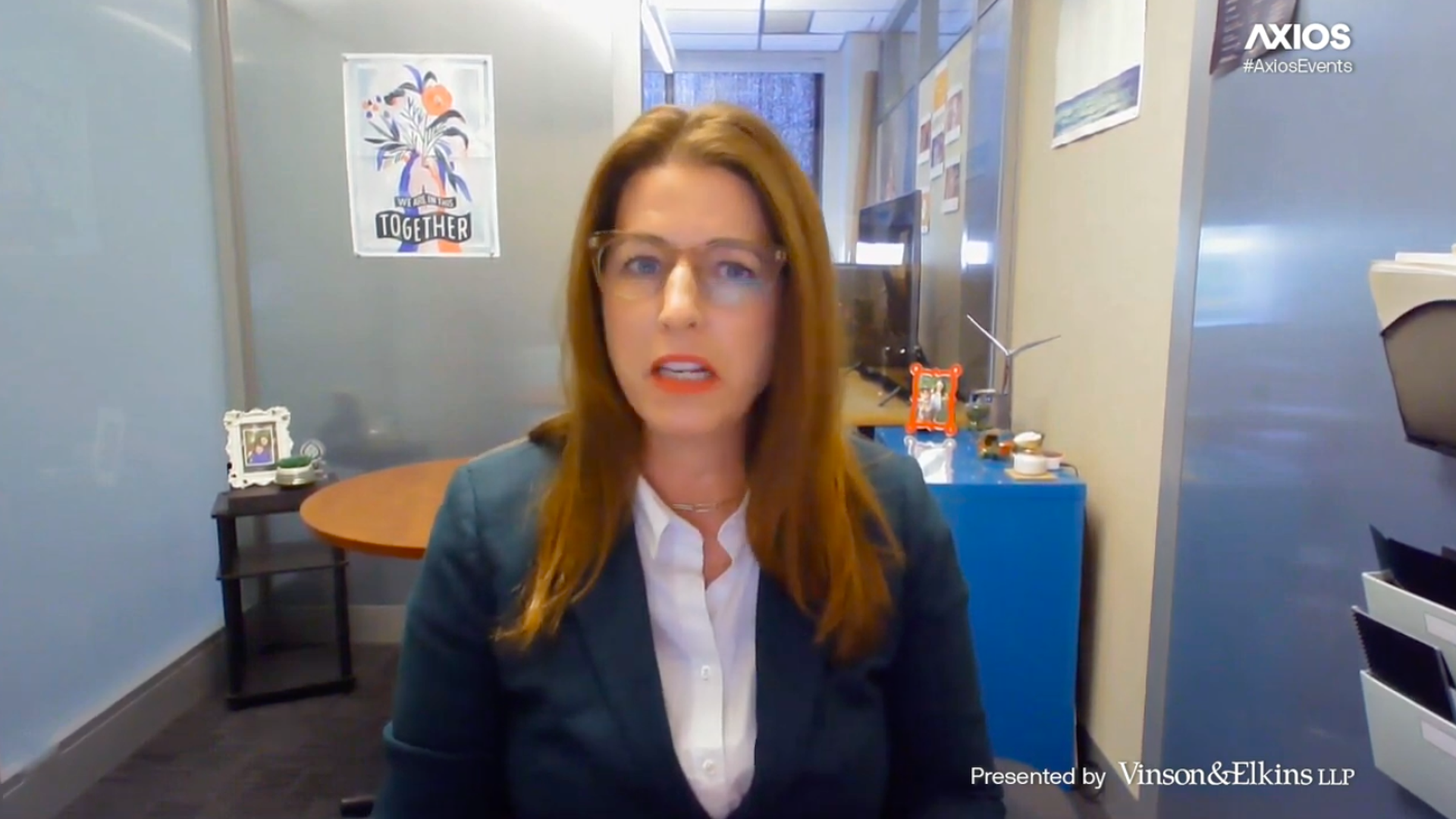
Partnering with oil and gas producers is necessary for Amazon and other companies to achieve their climate goals, the tech giant's chief of sustainability, Kara Hurst, said during an Axios virtual event on Thursday.
The big picture: Amazon aims to hit carbon neutrality in 2040, 10 years earlier than the Paris climate accord. The company plans to reach its goal in part by helping companies develop climate-friendly technologies through a $2 billion venture fund. The first recipients were announced on Thursday.
All significant merger-and-acquisition transactions require regulatory approval — and a new regulator just got to town.
Why it matters: We're in a tit-for-tat trade war, which means that any action the U.S. takes against China is going to be reciprocated by a similar action taken by China against America. That includes regulatory actions.
Snowflake shares more than doubled on Wednesday, after having the biggest software IPO in history, while JFrog also posted strong first-day gains.
Why it matters: The moves show that Wall Street's appetite for new tech stocks remains significant, with concerns about both the pandemic and high valuations taking a back seat.
Facebook's foray into virtual and augmented reality, which it doubled down on this week, is a bet on where the future of online social interaction is heading. But even more important to Facebook, it's also a plan to make sure the company owns a big piece of whatever platform ultimately supplants the smartphone.
Why it matters: In the smartphone era, Facebook has found itself at the mercy of Apple and — to a lesser degree — Google and Android phone makers. The company doesn't want to see history repeat itself.
Snapchat is launching a new original series called “The Solution Committee,” starring Jaden Smith. The unscripted show features young activists and celebrities discussing racial and social justice issues, like criminal justice reform and voting access.
Why it matters: The show is part of Snapchat's effort to educate its user base about important election issues. All episodes will include a swipe-up function at the end, encouraging users to register to vote.
A new coalition will work to change the status quo among U.S. patent holders, who are largely white males, and introduce more diversity in inventing and patenting, according to an announcement shared exclusively with Axios.
Why it matters: The patent diversity gap limits opportunities for the majority of Americans and leaves the U.S. with less innovation serving a narrower population, advocates say.
Facebook on Thursday launched a new app named Facebook Business Suite that lets small businesses manage their pages and profiles across Facebook, Instagram and Facebook Messenger from a single interface.
Why it matters: The app is the first product Facebook has launched that combines the backend infrastructure for three of its messaging apps. The company has teased this move for over a year.






/2020/09/18/1600436446666.gif?w=3840)