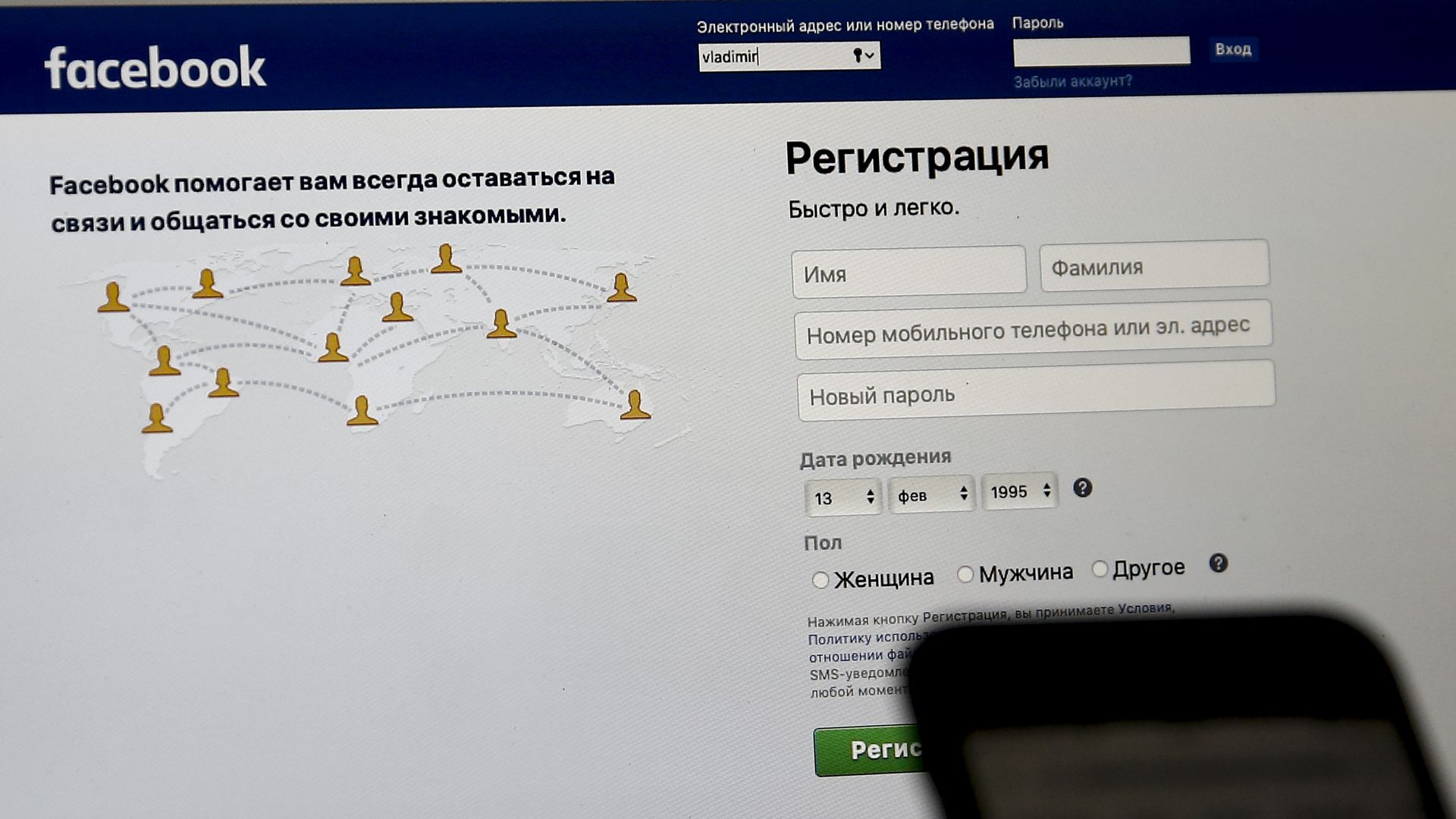
Facebook took down fake accounts and pages associated with Russian operatives who sought to trick freelance journalists into writing stories on their behalf, the company announced Tuesday.
Why it matters: Facebook, caught off guard by Russian misinformation campaigns ahead of the 2016 presidential election, is trying to be proactive about weeding out foreign actors attempting manipulation on the platform before November's election.
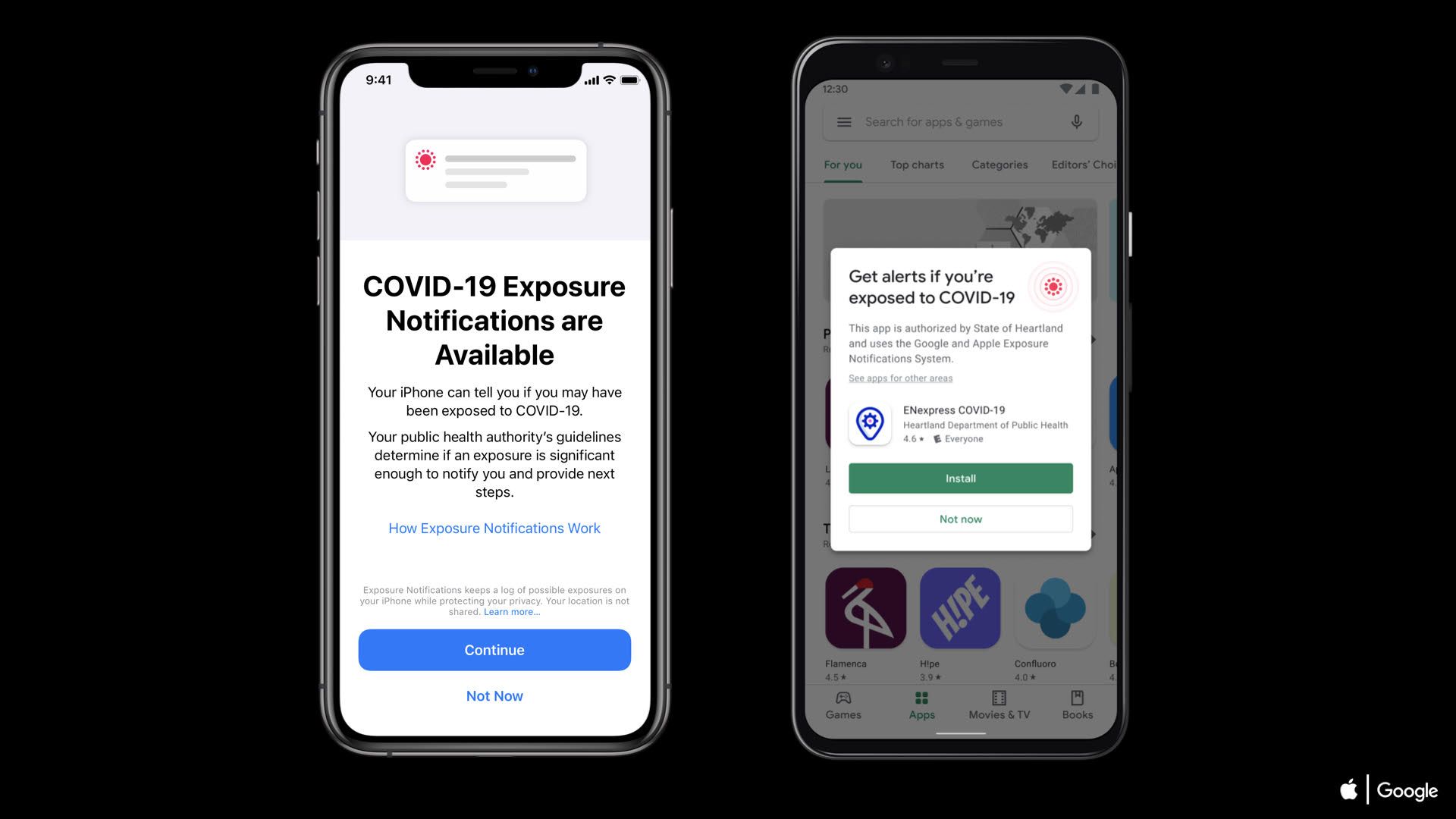
Apple and Google are expanding their digital coronavirus exposure notification system so that it can notify people without the regional health authority needing to create a separate app, potentially expanding the adoption of the technology.
Why it matters: The companies say 25 U.S. states and territories are exploring digital contact tracing options. Just six have already launched apps.
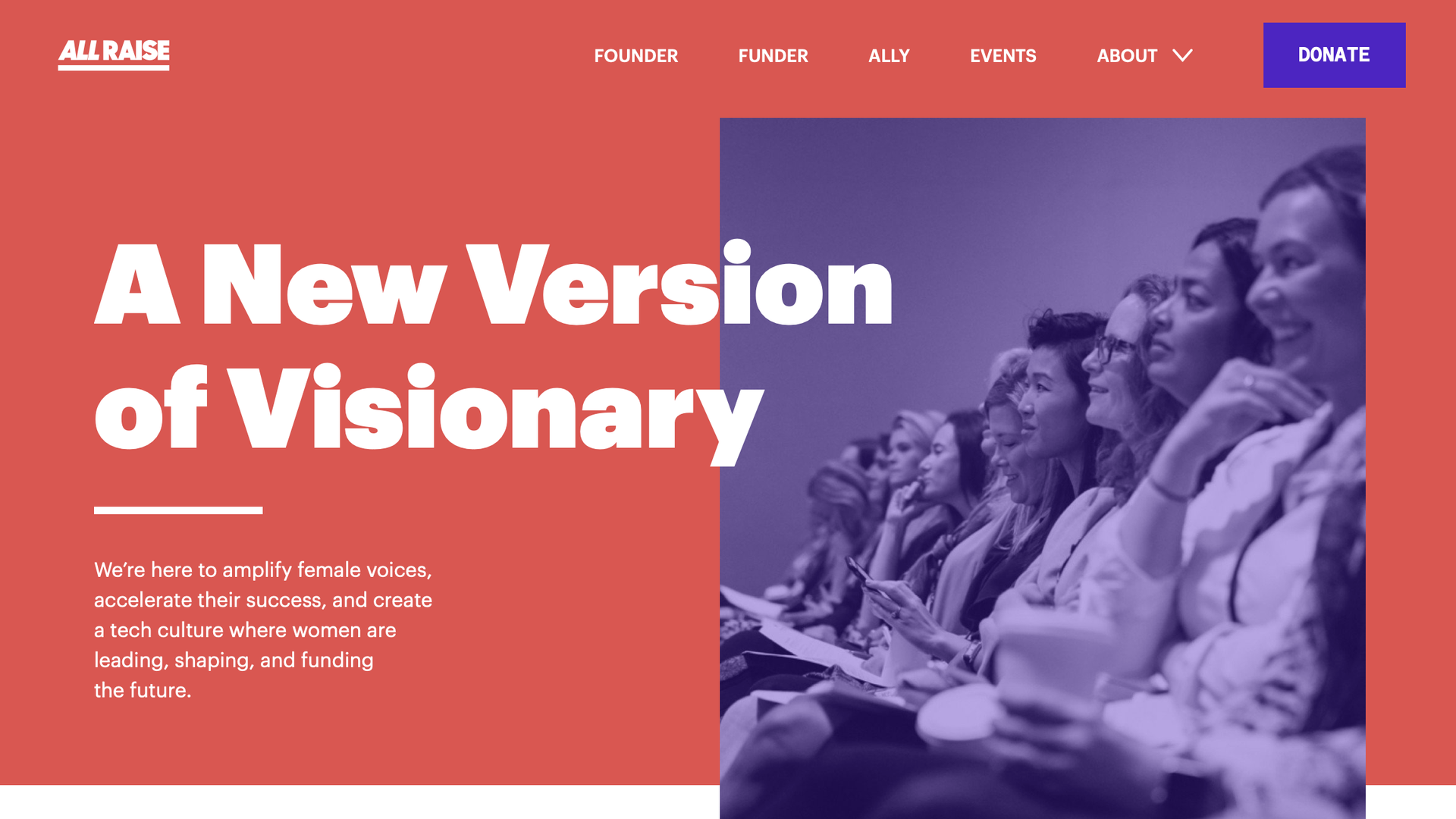
All Raise, a nonprofit that aims to boost gender diversity in tech and venture capital, is launching a speakers' bureau designed to get more women and non-binary people on stage at technology and business conferences.
Why it matters: All too often, tech conferences are dominated by male speakers and all-male panels — or "manels." By one estimate, only 25% of tech conference speakers are women. And while conferences have shifted online, the gender and race dynamics haven't changed.
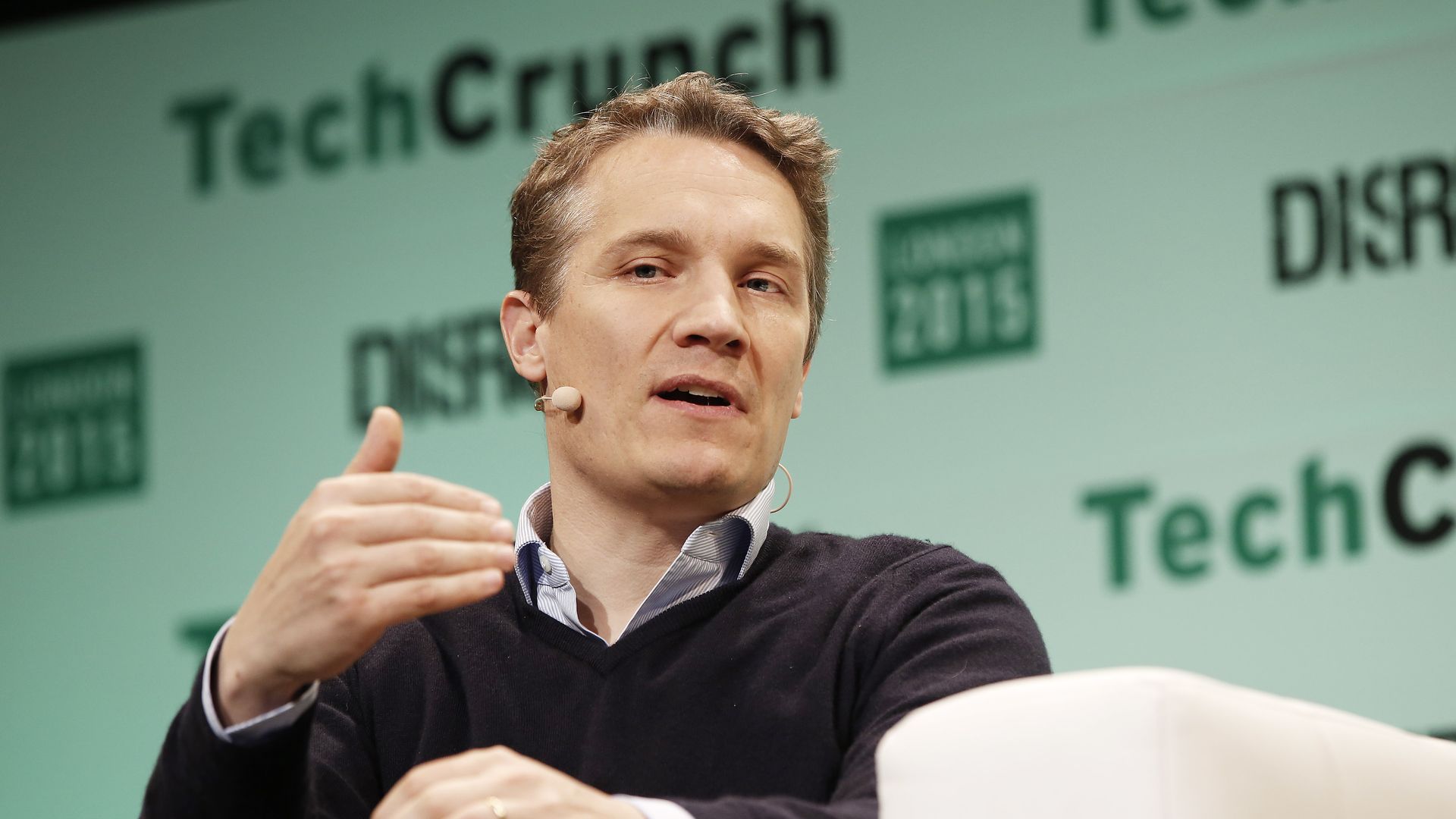
DoorDash, like most other gig economy companies, is reliant on a business model whereby workers are categorized as independent contractors instead of as employees. But, unlike traditional independent contractors, "Dashers" don't have the ability to directly negotiate with the company.
"Axios on HBO" dug into this seeming discrepancy with DoorDash CEO Tony Xu, and also asked if he'd be open to Dasher unionization.
DoorDash, the restaurant meal delivery company valued at $16 billion, has spent millions of dollars on a California ballot initiative that would prevent gig economy workers like "Dashers" from being categorized as employees.
The state of play: Joe Biden and Kamala Harris both oppose DoorDash's efforts in California, raising the specter of federal legislation should they win in November. "Axios on HBO" asked DoorDash CEO Tony Xu about their position and what comes next.
The Open Technology Fund is requesting that the U.S. Office of the Inspector General investigate its parent, the U.S. Agency for Global Media (USAGM), for breaching a firewall provision that is supposed to protect government-funded media agencies from political interference.
The big picture: The move is the latest in a very messy fight between the USAGM and one of the organizations it oversees. Earlier on Monday, journalists at another USAGM agency, Voice of America, wrote a letter to their interim CEO alleging that the new head of USAGM was endangering the agency's reporters.
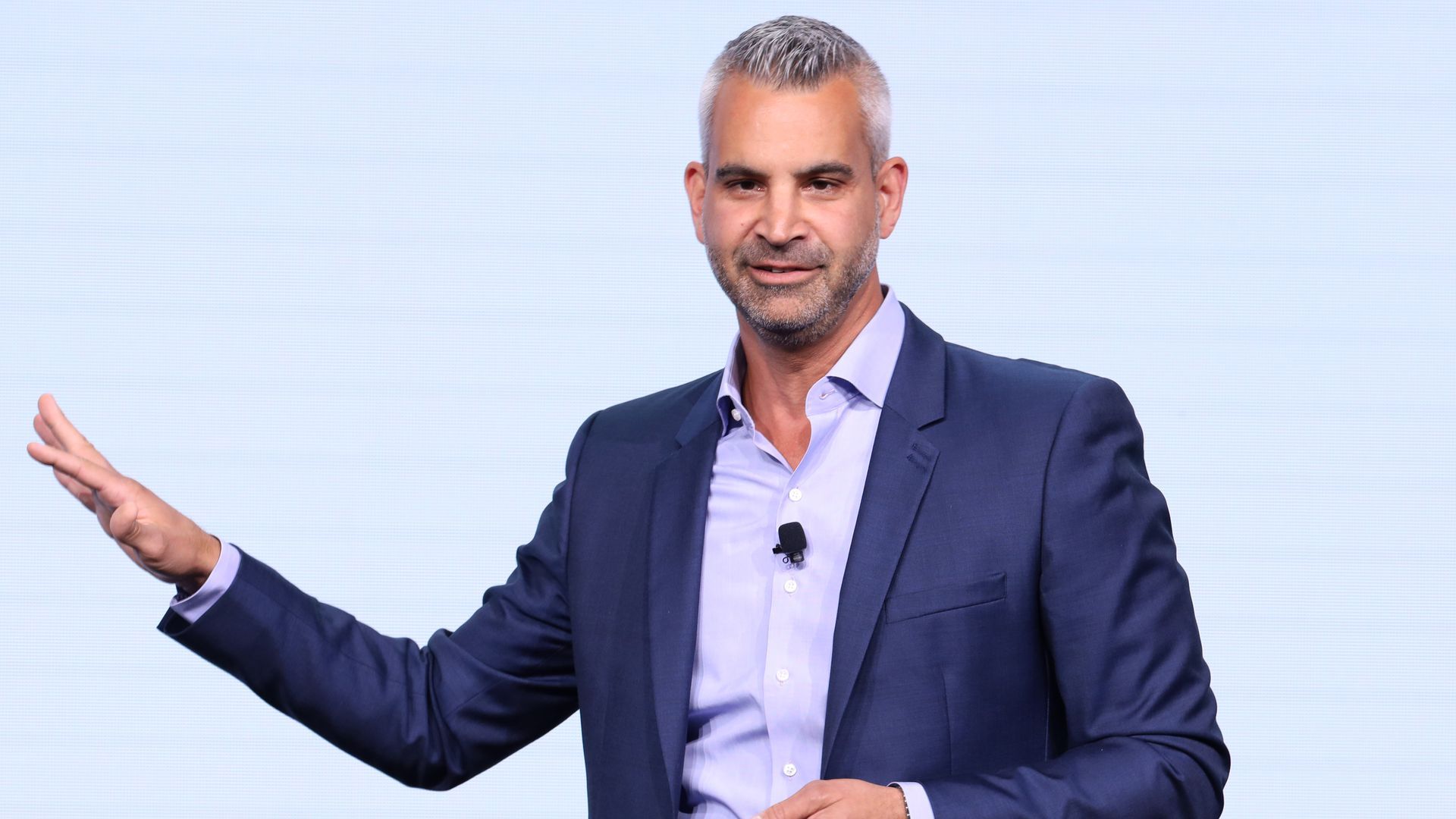
InfoSum, a marketing data company, announced Tuesday the completion of its Series A funding round of $15.1 million to accelerate the company's expansion across North America and Europe.
Driving the news: With the announcement, it also named Brian Lesser, the former CEO of AT&T's advertising unit Xandr, to lead the company as executive chairman.
Rocket Internet, the German startup factory infamous for copying other companies, said Tuesday that it will delist its stock, citing current greater availability of private capital than when it went public in 2014.
Between the lines: Despite producing and backing a number of successful companies like Zalando and HelloFresh, Rocket Internet's own stock has largely traded below its IPO price of €42.50 ($50.95) a share.
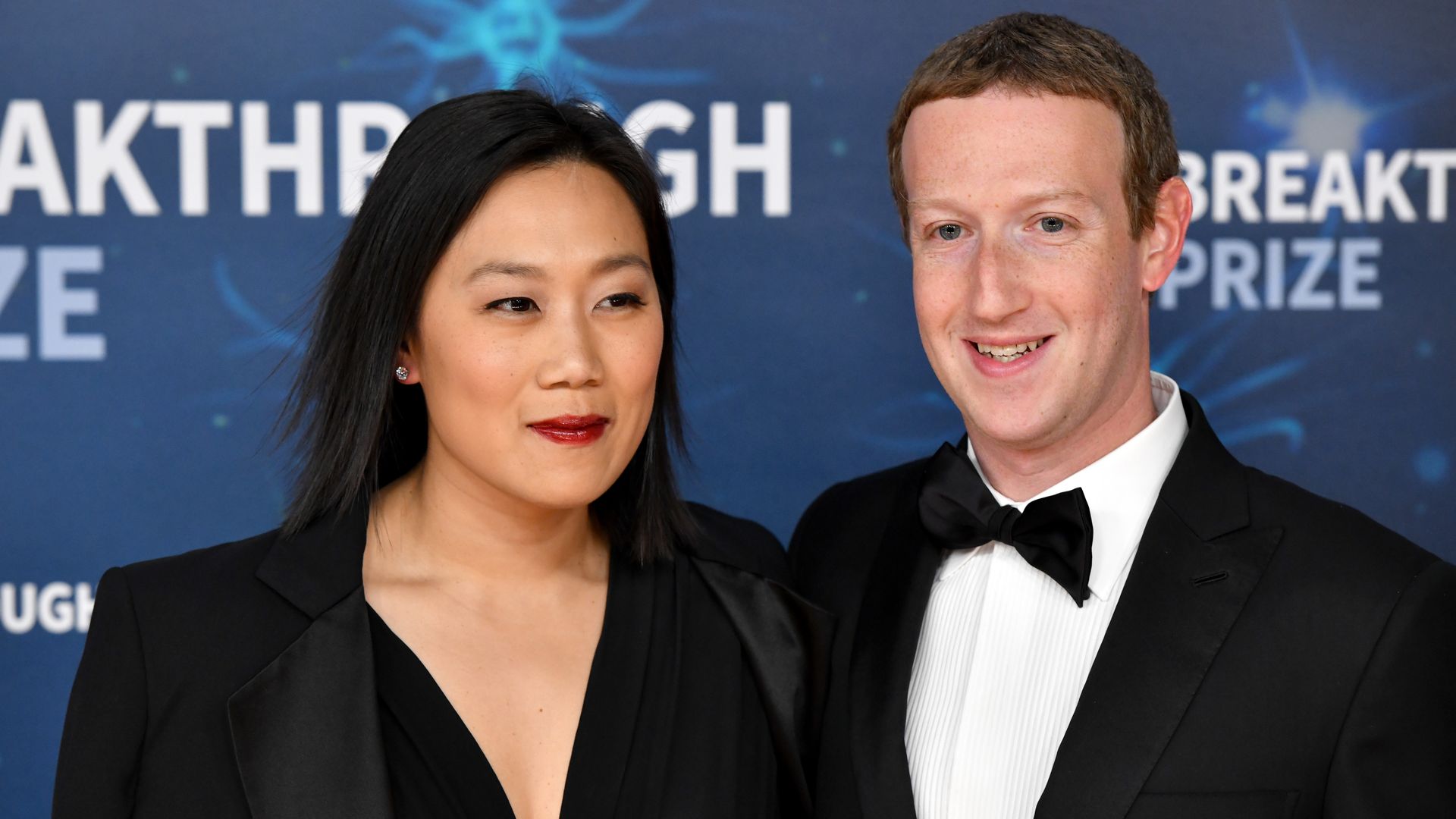
Priscilla Chan and Mark Zuckerberg are putting up $300 million to promote "safe and reliable voting in states and localities" amid the pandemic, the Center for Tech and Civic Life and Center for Election Innovation & Research will announce Tuesday.
What they're saying: "The more I've focused on this election, the more important I've felt it is both to make sure local counties and states have the resources they need to handle these unprecedented conditions, and that people are aware that the infrastructure is in place to make every vote count so they can accept the result of the election as legitimate," Zuckerberg told Axios.
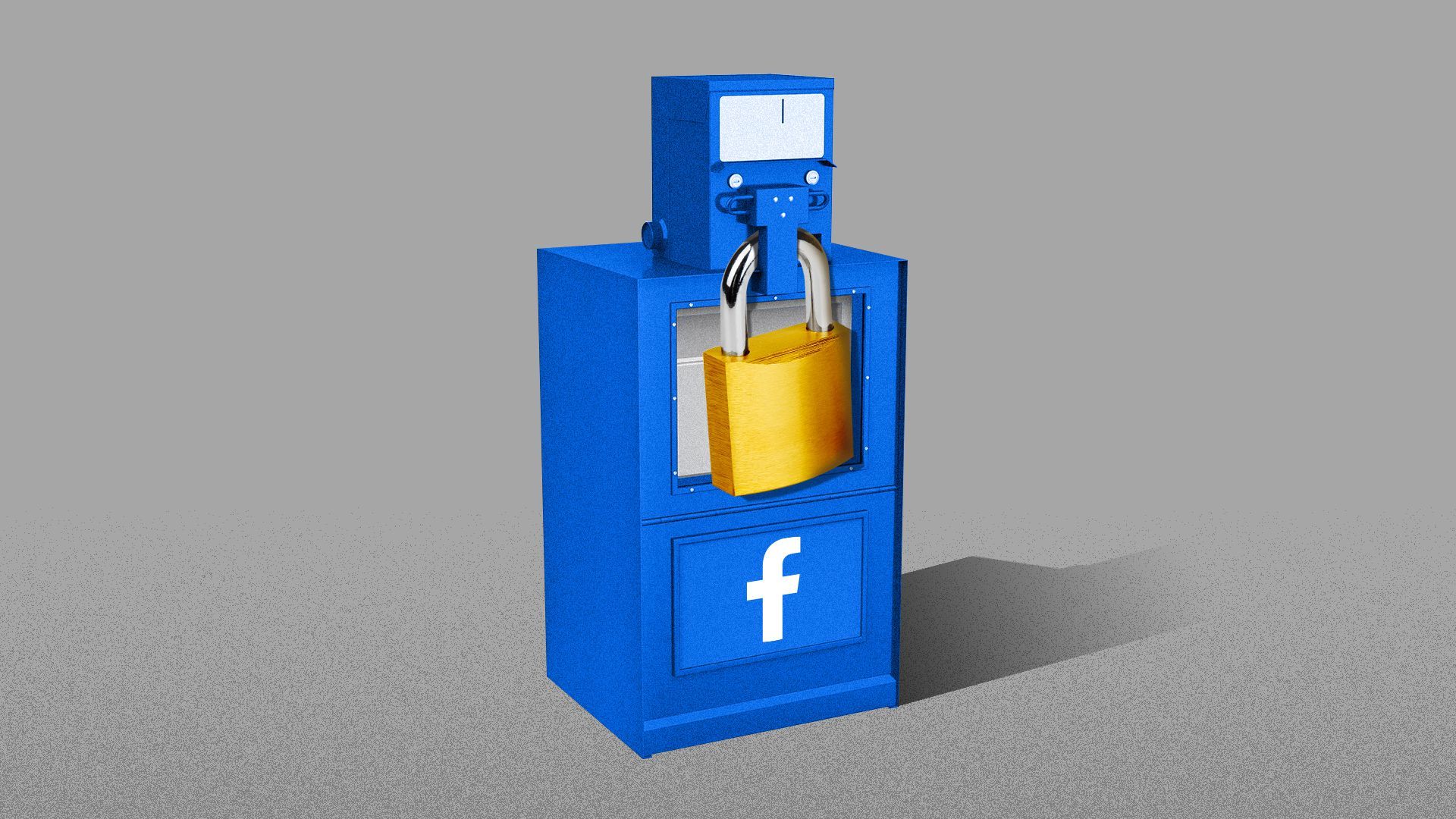
Facebook said Monday that it will block users in Australia from sharing news on Facebook and Instagram if a controversial law forcing tech giants like Facebook and rival Google to pay publishers to distribute portions of their content passes this fall.
Why it matters: This is Facebook's last-ditch effort to stop the law's enactment, which it says will harm publishers more than itself. The tech giant contends that the Australian law's broad payment terms are likely to end up requiring Facebook to overpay for a relatively modest amount of content, and the social network is also wary of setting a broad precedent.