New export controls on technologies that Beijing deems sensitive are threatening to derail efforts by American companies to acquire TikTok's U.S. operations from its Chinese parent company ByteDance, the Wall Street Journal reports.
Driving the news: The regulations were unveiled on Friday and prevent "technology based on data analysis for personalized information recommendation services" — which would likely apply to TikTok's AI content-recommendation engine — from being exported without a license, according to the New York Times.
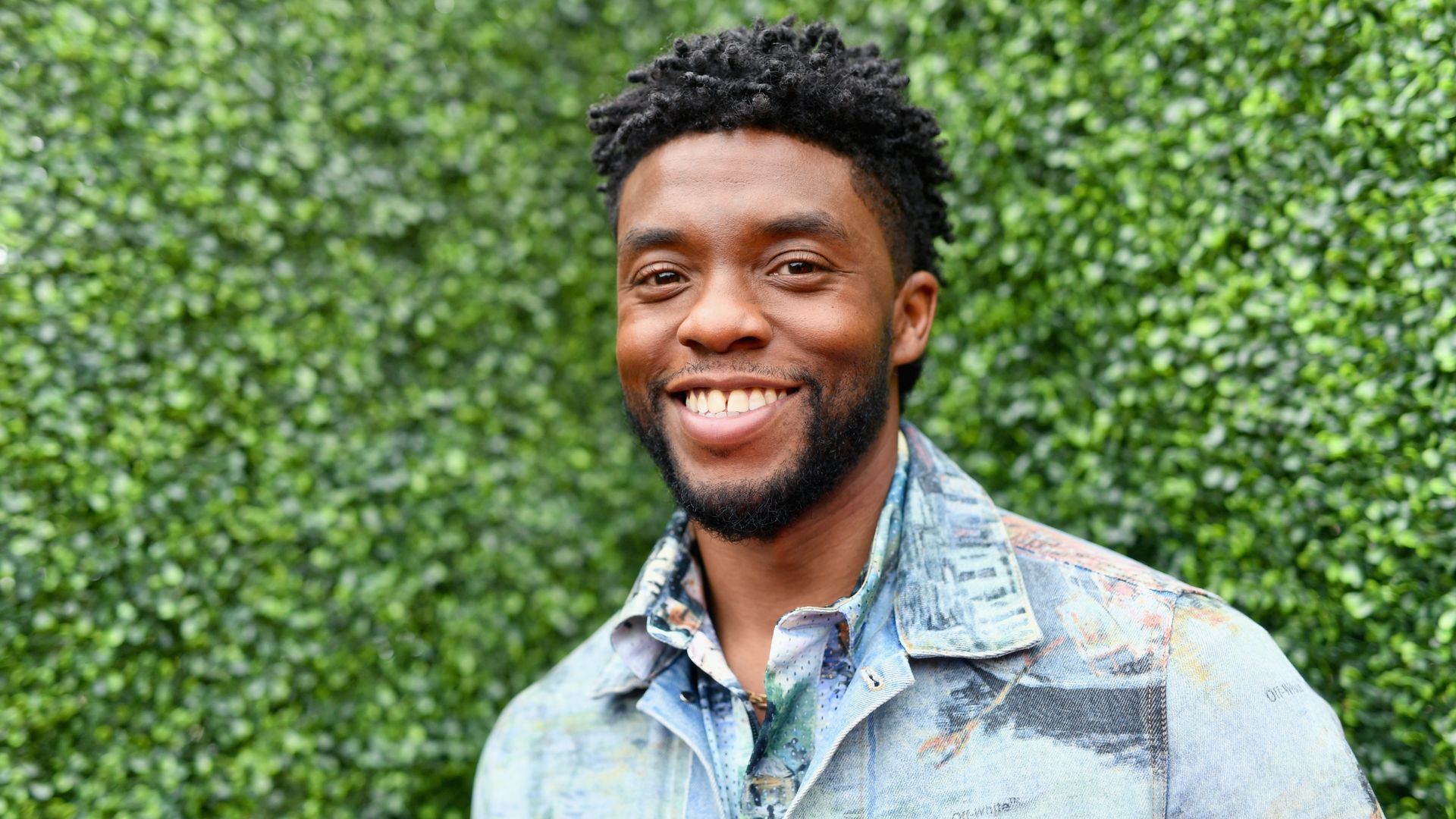
The final post on Chadwick Boseman's Twitter account announcing the celebrated actor and producer's death at age 43 has, in less than 24 hours, become the most liked tweet of all time, Twitter announced on Saturday.
Why it matters: It shows the impact Boseman had on so many lives through his work that saw him portray Black icons Thurgood Marshall, Jackie Robinson and James Brown, and becoming a hero to children everywhere for his portrayal of T'Challa in "Black Panther."
SkyDrive has successfully tested its flying car with a passenger on board, the Japanese company announced in a news release.
Why it matters: The modest test — four minutes in the air — brings humanity one step closer to one day combining the automobile and airplane, potentially doing away with the hassle of airports, commercial pilots and traffic jams, according to AP.
The big picture: The Trump administration has been forcing a sale of TikTok due to ongoing national security concerns over ByteDance, it's Chinese owner. The app is most popular with young people who could be the future of Walmart's customer base, AP notes.
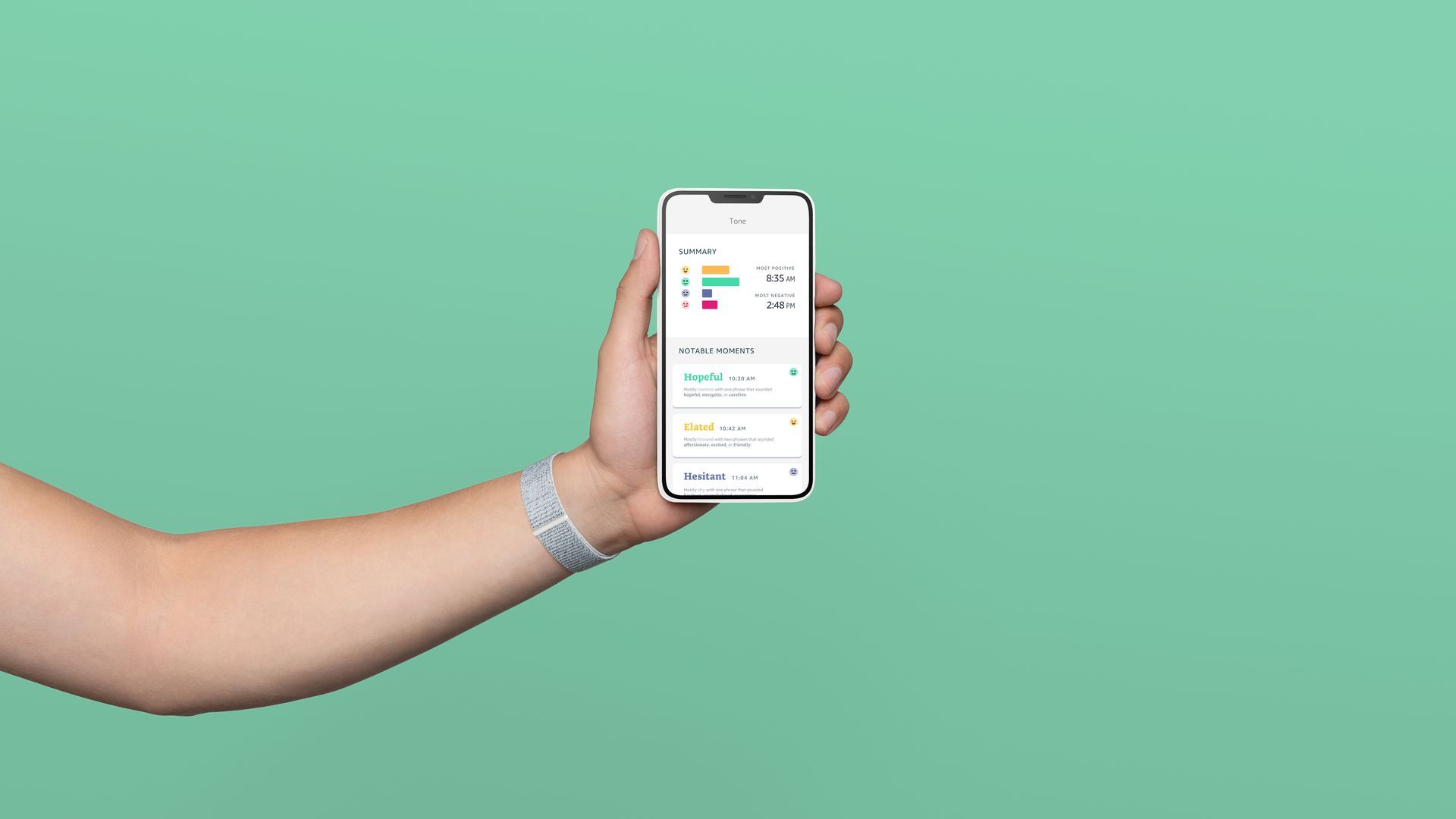
Amazon's new Halo health wearable device will track your physical activity, your sleep patterns — and, by listening to your voice, your emotional tone.
Why it matters: The device's tone-tracking service raises questions about user privacy, but it's also part of a growing industry that employs AI and voice-recognition to analyze the emotional affect in a human voice.
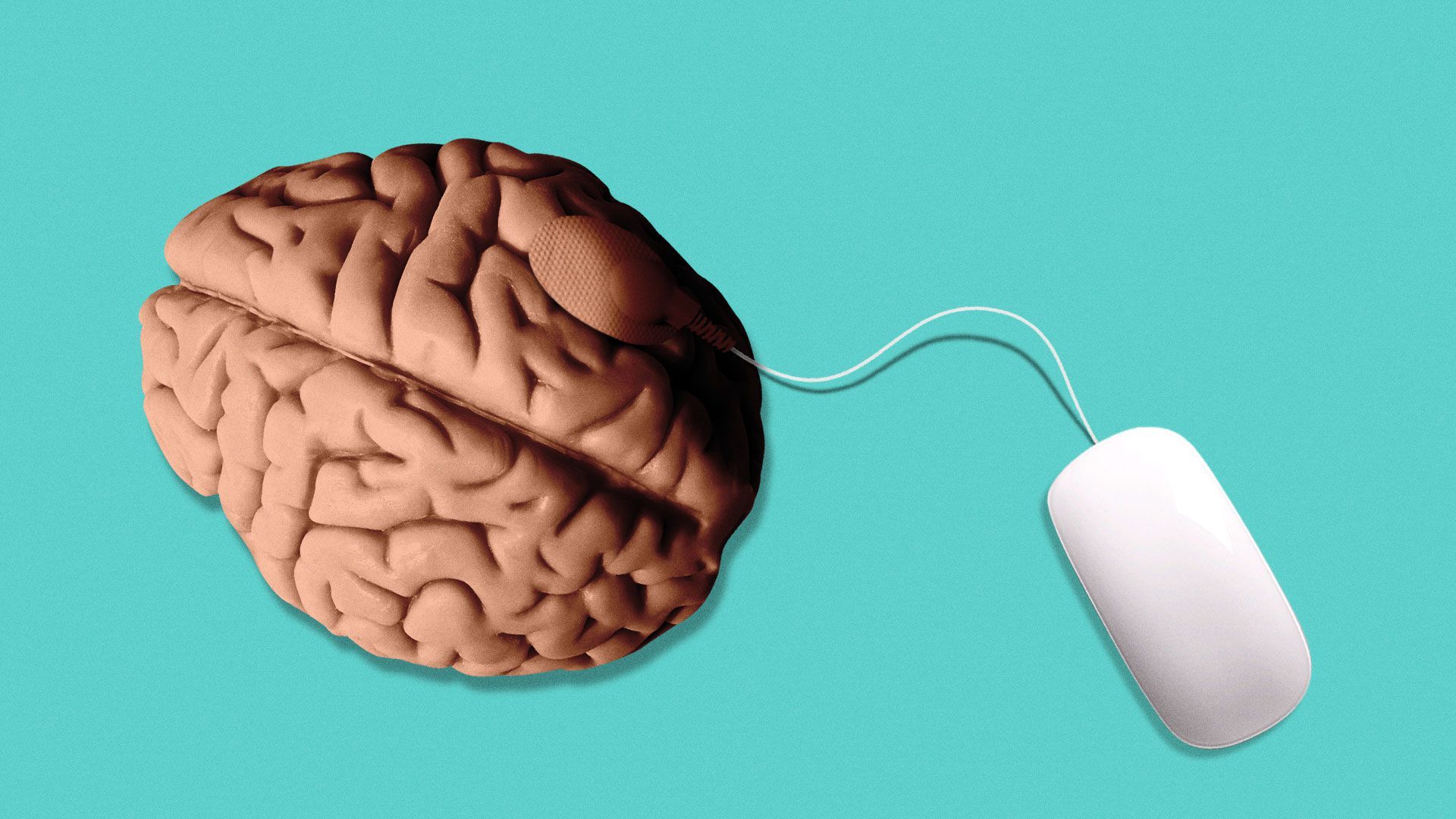
Elon Musk gave the world a progress update on his brain-machine interface startup Neuralink on Friday, showcasing a small implant that can read and transmit the neural activity of a pig.
Why it matters: The Neuralink implant still has yet to be tested in human beings, but it's part of a wave of brain-machine interface technologies that aim to address neurological diseases and injuries, and eventually directly link human brains to the internet.