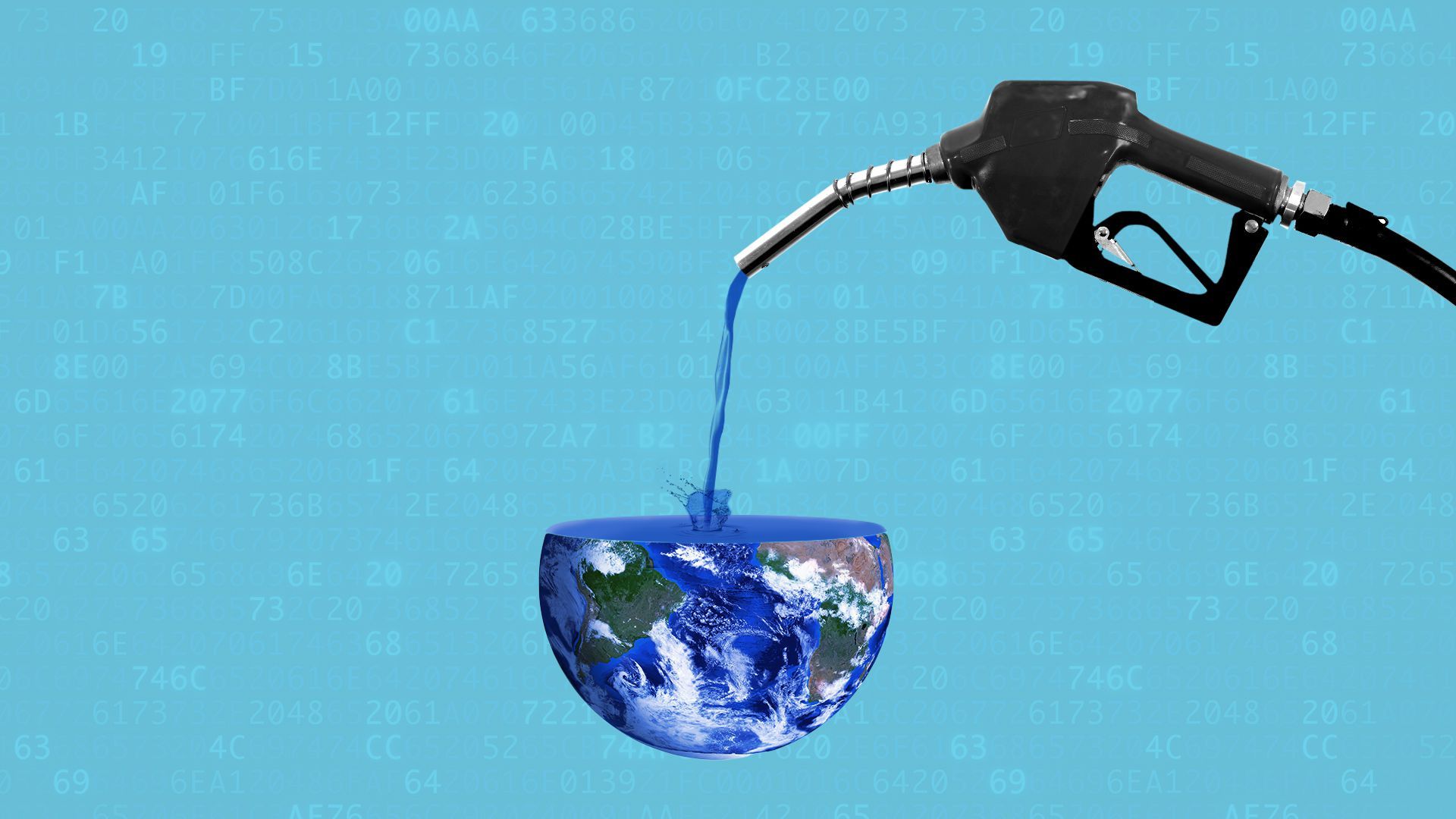
Google will no longer develop new artificial intelligence tools to help oil and gas companies extract crude, the company announced Tuesday.
Why it matters: The tech giant is breaking away from Microsoft and Amazon, both of which have also developed AI in recent years to expedite oil production and make services more efficient for companies like Chevron and GE Oil & Gas. Google's 2018 contract with Total was in place as of February, a Total spokesperson confirmed to Axios at the time.
Facebook is launching a new online shopping marketplace called Facebook Shops, CEO Mark Zuckerberg announced Tuesday.
Why it matters: To date, most Facebook commerce has taken place between users via its Marketplace tab, a Craigslist-like feature, but Facebook Shops is at the center of its push to create an e-commerce platform for businesses.
The long-simmering debate over encryption has come to a boil once more, as Attorney General Bill Barr again attacked Apple on the issue and a leading Senate encryption critic now has law enforcement looking to get into his own device.
The big picture: Although they're not viable in all cases, there are a number of ways for law enforcement to get suspects' data. That, however, hasn't stopped pressure on companies like Apple to build backdoors to let law enforcement access encrypted devices.
The Federal Communications Commission will vote next month on a plan to get U.S. 5G networks built out faster by clarifying rules on updating existing wireless infrastructure.
The big picture: The plan builds on past action the agency has taken over the objections of cities. The FCC's GOP majority says rule changes, including preempting cities in some cases, will make it quicker, cheaper and easier for wireless carriers to build out their 5G networks.
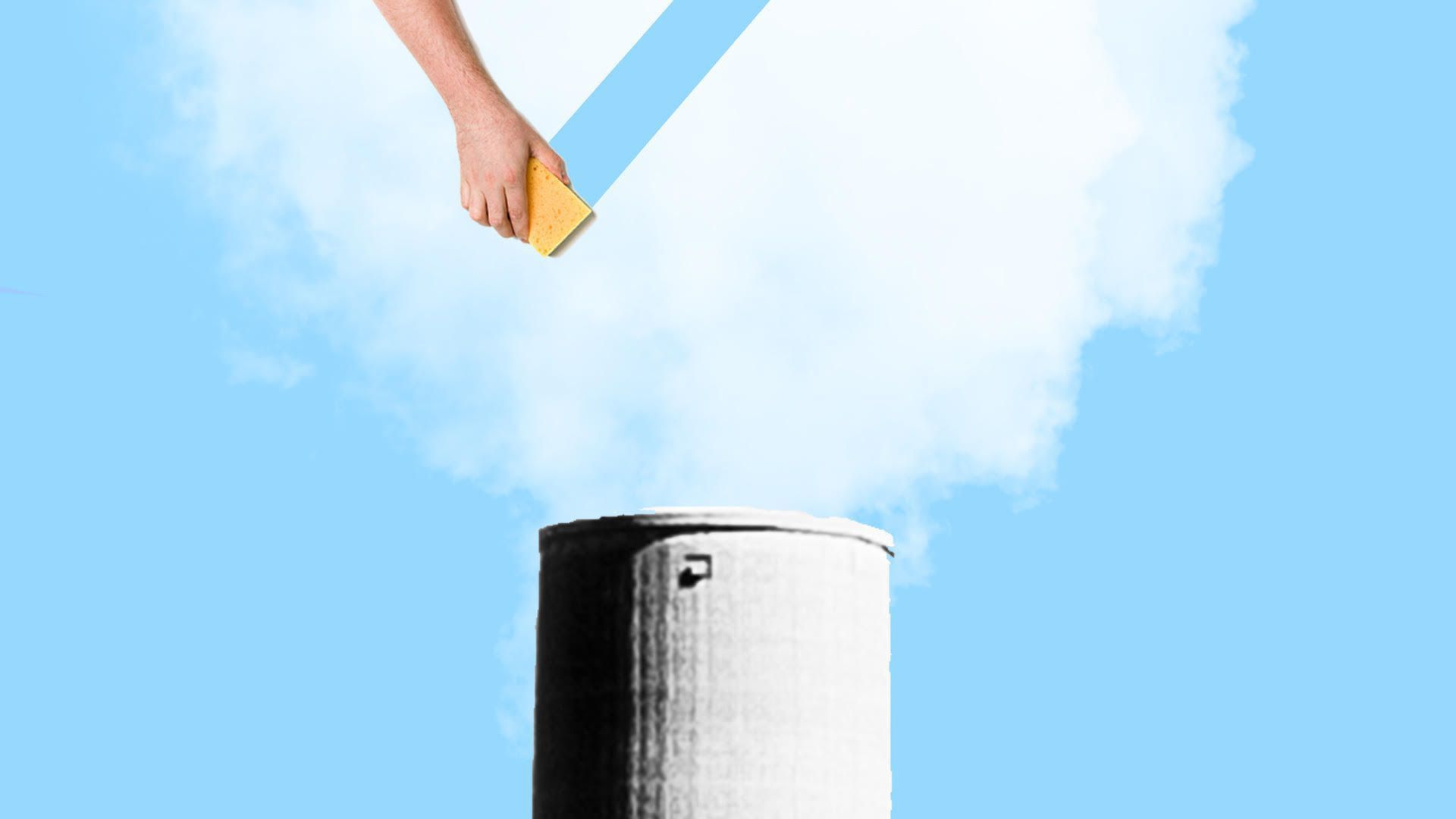
The payment tech company Stripe is funding four carbon dioxide removal projects as part of its plan announced last year, which advocates had called a pioneering corporate foray into these nascent markets.
Why it matters: Pulling CO2 out of the atmosphere — not only cutting new emissions — will be an important tool for limiting global temperature rise, a major UN-led scientific report concluded in late 2018.
The New York Times will no longer use 3rd-party data to target ads come 2021, executives tell Axios, and it is building out a proprietary first-party data platform.
Why it matters: Third-party data, which is collected from consumers on other websites, is being phased out of the ad ecosystem because it's not considered privacy-friendly.
TheSkimm is planning to launch a full-fledged digital membership model later this summer called "Teal Memb’rship," Axios has learned.
Why it matters: The company has been affected by the coronavirus crisis, with 20% staff layoffs a few weeks ago. Like many media companies, its heavy reliance on advertising revenue left it exposed to the economic downturn.
A large majority of Americans say they're likely to cooperate with contact tracing and isolation efforts — as long as that doesn't involve handing over their cellphone location data, according to the latest installment of the Axios-Ipsos Coronavirus Index.
Why it matters: Basing contact tracing efforts around voluntary cellphone programs is only effective if people are willing to use those programs — which Americans generally aren't, as we reported last week.
The coronavirus pandemic has upended the adult content industry, pushing thousands of new people to present adult performances online to make money while also creating more ways for viewers seeking intimacy while in lockdown to make personal connections with performers online.
Why it matters: The result has been a shift in power from the big porn producers and distributors to thousands of individual performers and models. Executives at several adult websites tell Axios that they're seeing explosive growth in part because the industry is moving to more individual engagement as a result of the pandemic.
Kevin Mayer, a Disney veteran who oversaw the company's streaming unit and the launch of Disney+, is leaving the company after 27 years to become the CEO of TikTok, Disney announced Monday.
Why it matters: Mayer will take over as head of TikTok at a pivotal time for the Chinese-owned social networking company. Owned by ByteDance, one of the fastest-growing Chinese tech giants, TikTok has become a formidable social media company over the past year, accruing hundreds of millions of users worldwide.
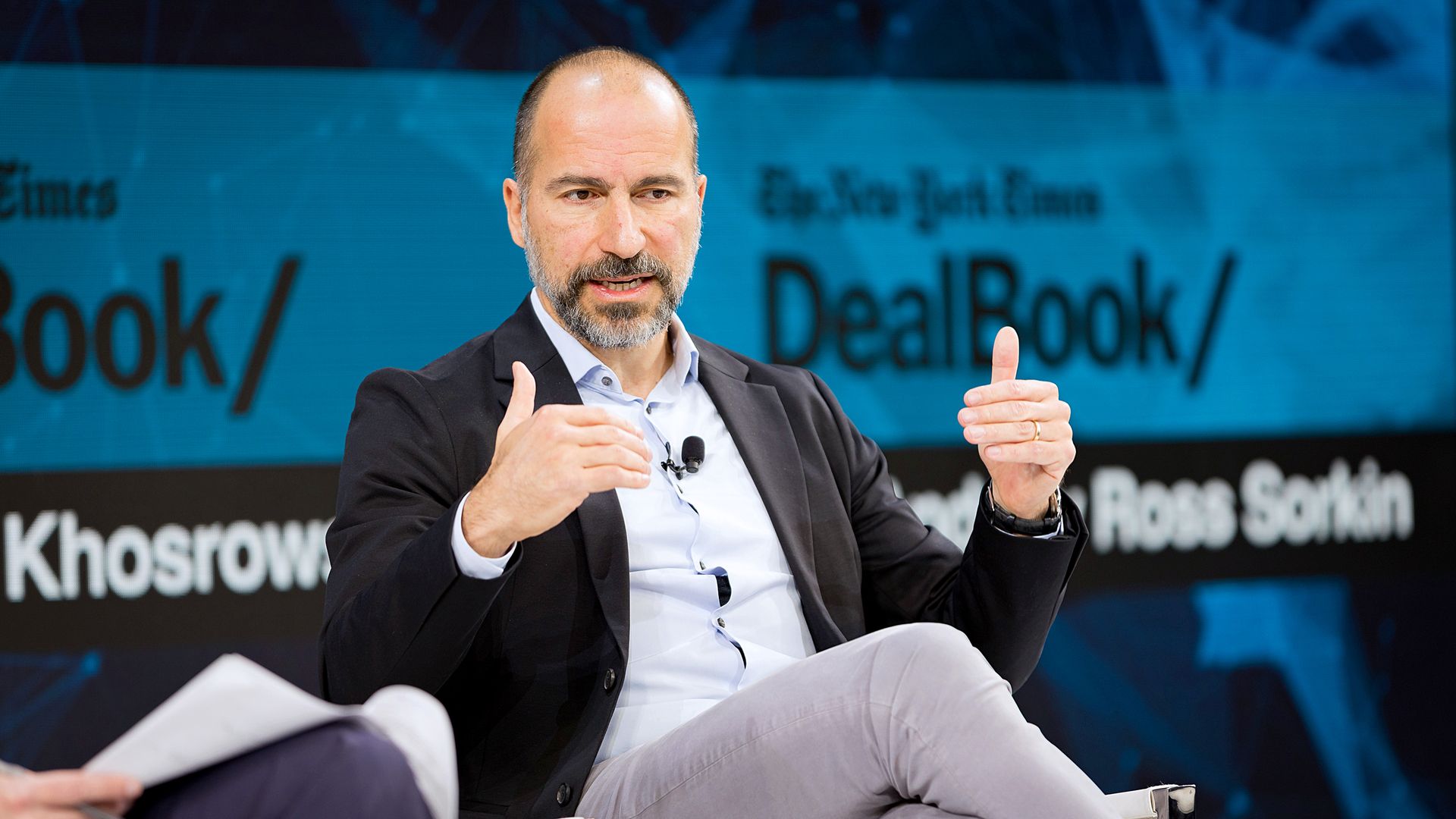
Uber CEO Dara Khosrowshahi said Monday in an email to employees that the company is cutting about 3,000 more jobs and closing or consolidating 45 offices to soften the economic blow from the coronavirus pandemic, the Wall Street Journal reports.
Why it matters: Khosrowshahi's announcement comes just two weeks after the company said it would ax about 3,700 jobs and save more than $1 billion in fixed costs. Much of Uber's ride-hailing business has vanished as people stay indoors, even as the company's food delivery sector has seen a boom.
The state of play: The agency discovered that the gunman, a Saudi Air Force cadet training with the American military, communicated with an operative of a branch of the terrorist group who encouraged the attacks.
The Secret Service warns that an organized scam ring from Nigeria has been using stolen personal information to apply for unemployment benefits in various states, Krebs on Security reported over the weekend.
Why it matters: States were already struggling with a deluge of claims and trying to speed up the process. Defending against scammers could prompt governments to instill stricter security measures, potentially delaying payment to the millions who have recently lost their jobs.
A coalition of tech companies has signed a pledge to find ways to support working parents at their firms through the coronavirus crisis, thereby setting examples for other employers.
Why it matters: Many parents face the taxing challenge of having to homeschool their kids while also working from home during the pandemic.
Despite tech becoming a pandemic-era lifeline for people stuck at home, 2020 could still see major confrontations between Big Tech and government.
Driving the news: A new report on Justice Department moves toward suing Google reminded the industry that the coronavirus only hit “pause” on techlash. Meanwhile, Facebook’s announcement of a major buy reminded Washington that Big Tech plans to keep augmenting its power.
The American economy is in a dark period right now, but some in Silicon Valley are optimistic it could spawn a generation of startups whose founders are finally getting the nudge they needed to make the leap.
Why it matters: It may sound counterintuitive to launch new businesses in the middle of an economic crash, but it's worked during past downturns, and Silicon Valley's founders and investors remain willing, so far, to keep rolling the dice.
















/2020/05/17/1589753419946.gif?w=3840)