Snap's stock price jumped 20% in after-hours trading after the company posted strong Q1 results, beating analyst estimates with $462 million in revenue and just missing earnings estimates with a $0.08 loss per share.
Why it matters: Like other ad-supported businesses, Snap is vulnerable to a pullback in advertising spend, though the company is also in a position to see more activity as users spend more time at home during the coronavirus pandemic and need entertainment and online socializing.
Netflix's stock was up more than 10% in after-hours trading on Tuesday after the entertainment giant blew past investor expectations for subscriber growth in the first quarter.
Why it matters: Nielsen and other measurement vendors reported that Netflix was experiencing a surge in viewership during the coronavirus pandemic. Netflix blew past the high end of Wall Street's new subscriber estimates, nearly doubling them.
Google won't charge businesses to sell goods in its Shopping section, beginning later this month in the U.S. and globally over the course of the year, the company said on Tuesday.
Why it matters: Google is trying to eliminate fees for its services to ease the burden on small businesses and publishers, two categories that rely heavily on its services and are hurting badly amid the coronavirus' effect on the economy.
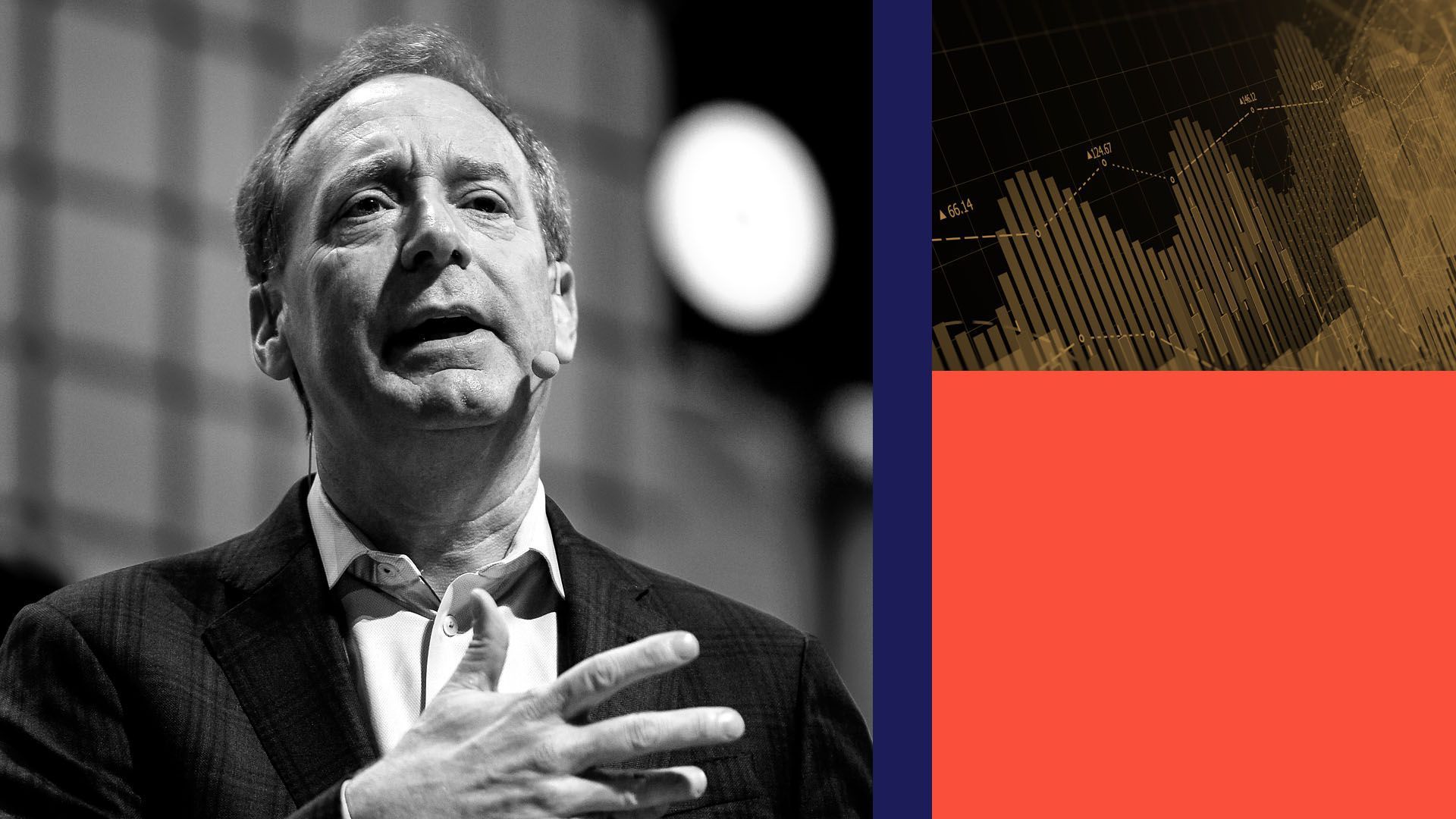
Aiming to close what it calls a "data divide," Microsoft on Tuesday announced a plan to make more data widely available so the benefits of artificial intelligence aren't confined to a few large companies.
Why it matters: Machine learning has the potential to make governments and countries far more efficient but often requires an enormous amount of data, in addition to the necessary computing power.
Facebook's decision to take down event listings for certain protests against state and local pandemic measures is putting conflicts between public health and free speech into stark relief.
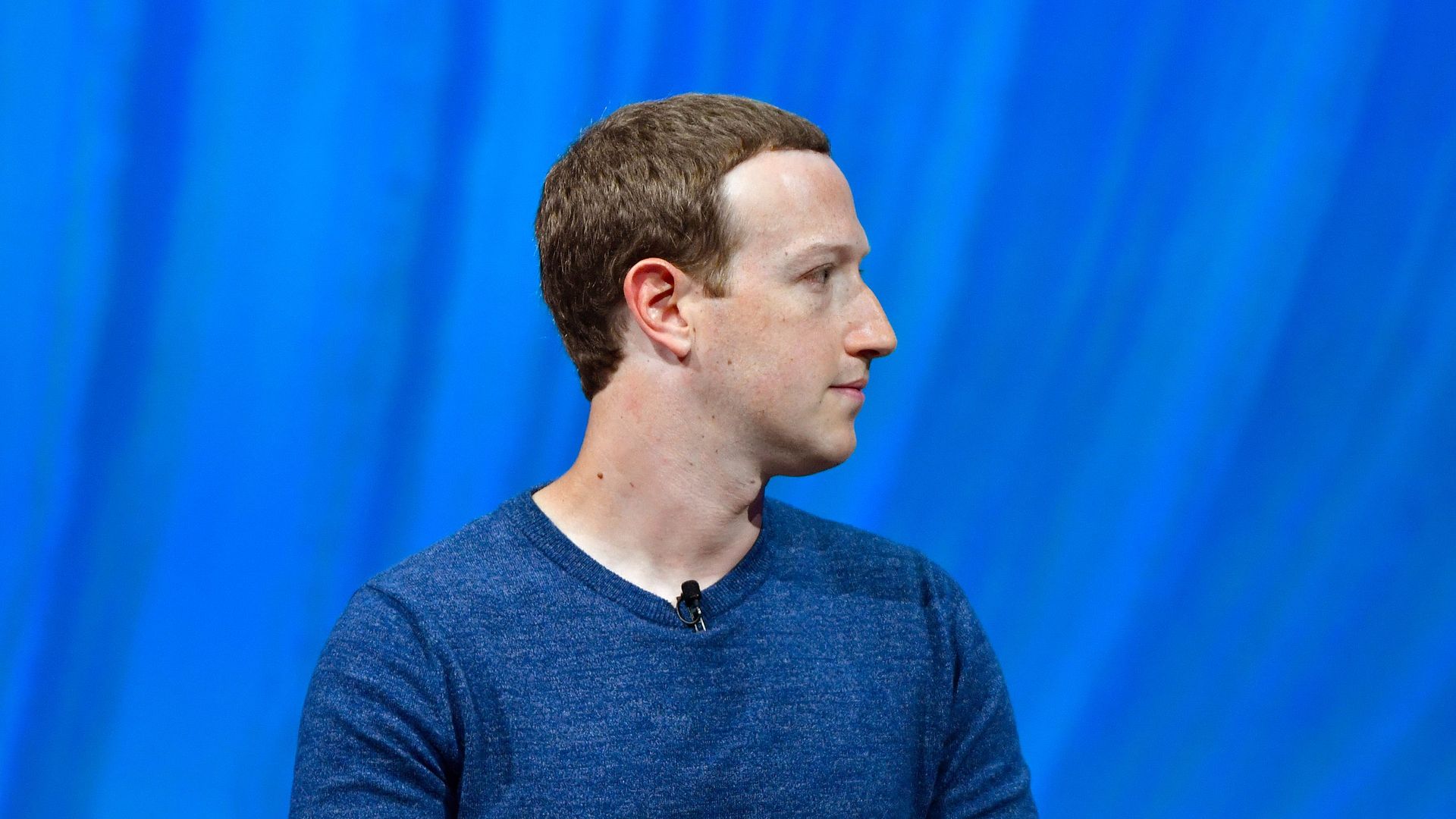
Driving the news: CEO Mark Zuckerberg said Monday on ABC that Facebook would treat some efforts to organize protests against social distancing rules as "harmful misinformation" and take them down.
Facebook said on Monday that it has deleted events for anti-quarantine protests in Nebraska, New Jersey and California that defied government guidelines, Reuters reports.
Why it matters: Facebook has faced calls over the years to better police content shared on its site — which often features misinformation. The platform says it will align with public health officials in supporting stay-at-home orders, which experts argue are essential to curb the spread of the novel coronavirus.
The anti-Huawei movement continues even as attention shifts to the coronavirus, with a group of tech firms urging the U.K. to find alternatives to using Huawei gear in 5G networks.
The big picture: The approach they propose has also been pursued by some in the White House, though many have cast doubt on its viability, especially in the short term.
Nearly every aspect of daily life has moved online as a result of the coronavirus pandemic, but voting via the internet is still largely a non-starter.
The big picture: Officials grappling with making elections compatible with social distancing are focusing on tried-and-true methods like mail-in ballots rather than online voting platforms, which have a limited track record and raise major election security concerns.
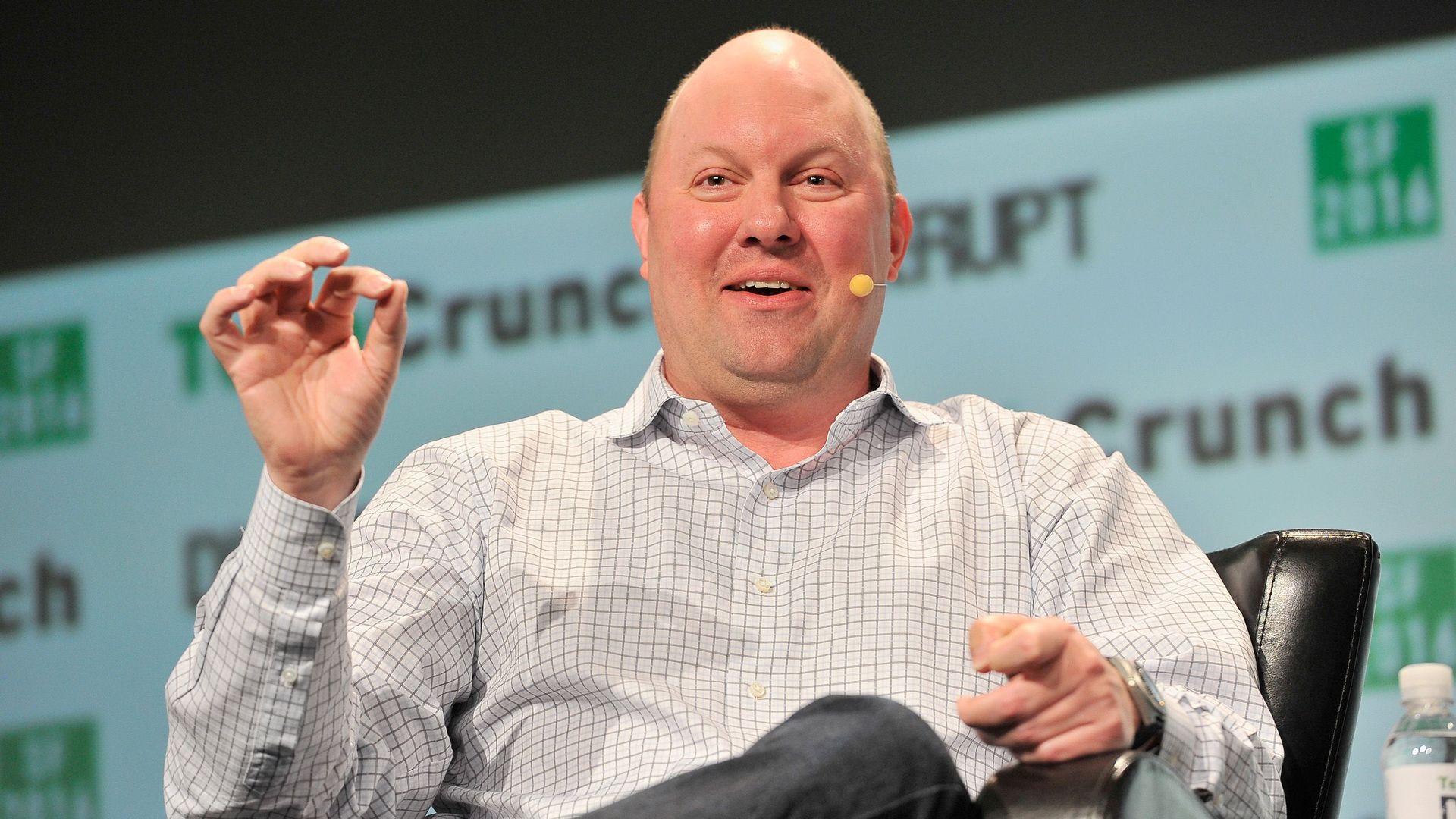
Marc Andreessen, a tech pioneer who is cofounder and general partner at the venture capital firm Andreessen Horowitz, is out with a rare window into his thinking, "It's Time to Build," arguing that Western institutions' failure to prepare for the coronavirus pandemic "will reverberate for the rest of the decade."
The takeaway: "Every step of the way, to everyone around us, we should be asking the question, what are you building?"
Facebook unveiled Monday county-by-county maps of people with coronavirus symptoms, and says they'll be updated daily throughout the crisis.
Why it matters: "I think providing aggregate data to governments and health officials is one of the most important tools tech companies can provide to help respond to COVID," Facebook CEO Mark Zuckerberg tells Axios.
The annual South by Southwest festival has long been the launchpad of choice for new social apps looking for attention — but even with the festival's cancellation this year during the pandemic, app makers are finding ways to garner buzz.
Driving the news: Over the last few days, Silicon Valley insiders have been obsessing over a new app called Clubhouse, which lets users join group audio chat rooms.


/2020/04/21/1587499995519.gif?w=3840)