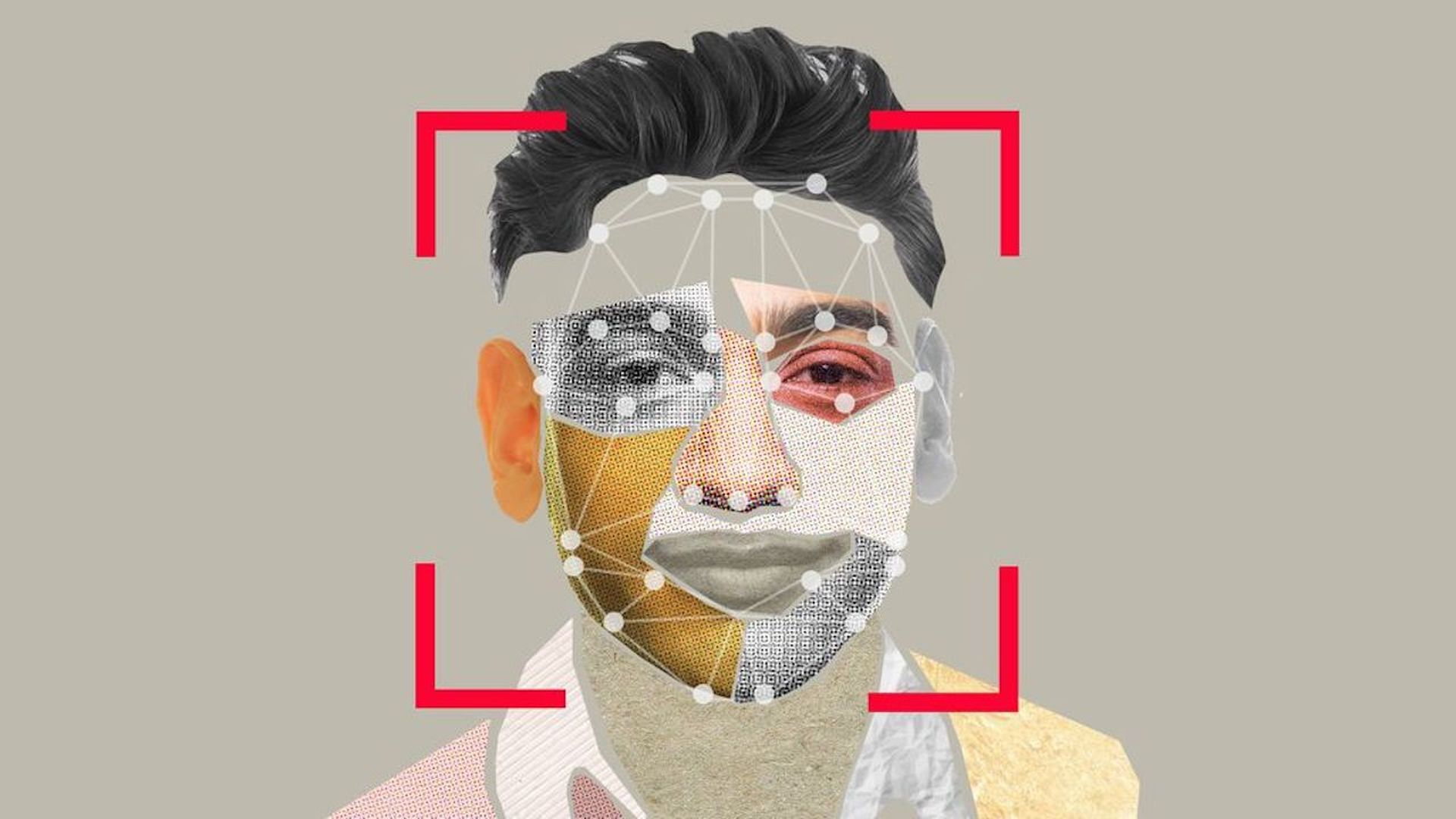
The latest and greatest tool for law enforcement has an existential problem.
Driving the news: A major federal study found "Asian and African American people were up to 100 times as likely to be misidentified than white men," per the Washington Post. It also found "high error rates for 'one-to-one' searches of Asians, African Americans, Native Americans and Pacific Islanders."
A German court on Thursday banned Uber in the country after it ruled that the U.S. company doesn't have a license to offer transport services using rental cars, Reuters reports.
The big picture: Uber, which is active in seven German cities, also lost its license to drive passengers in London in November after city regulators claimed it risked passenger safety.
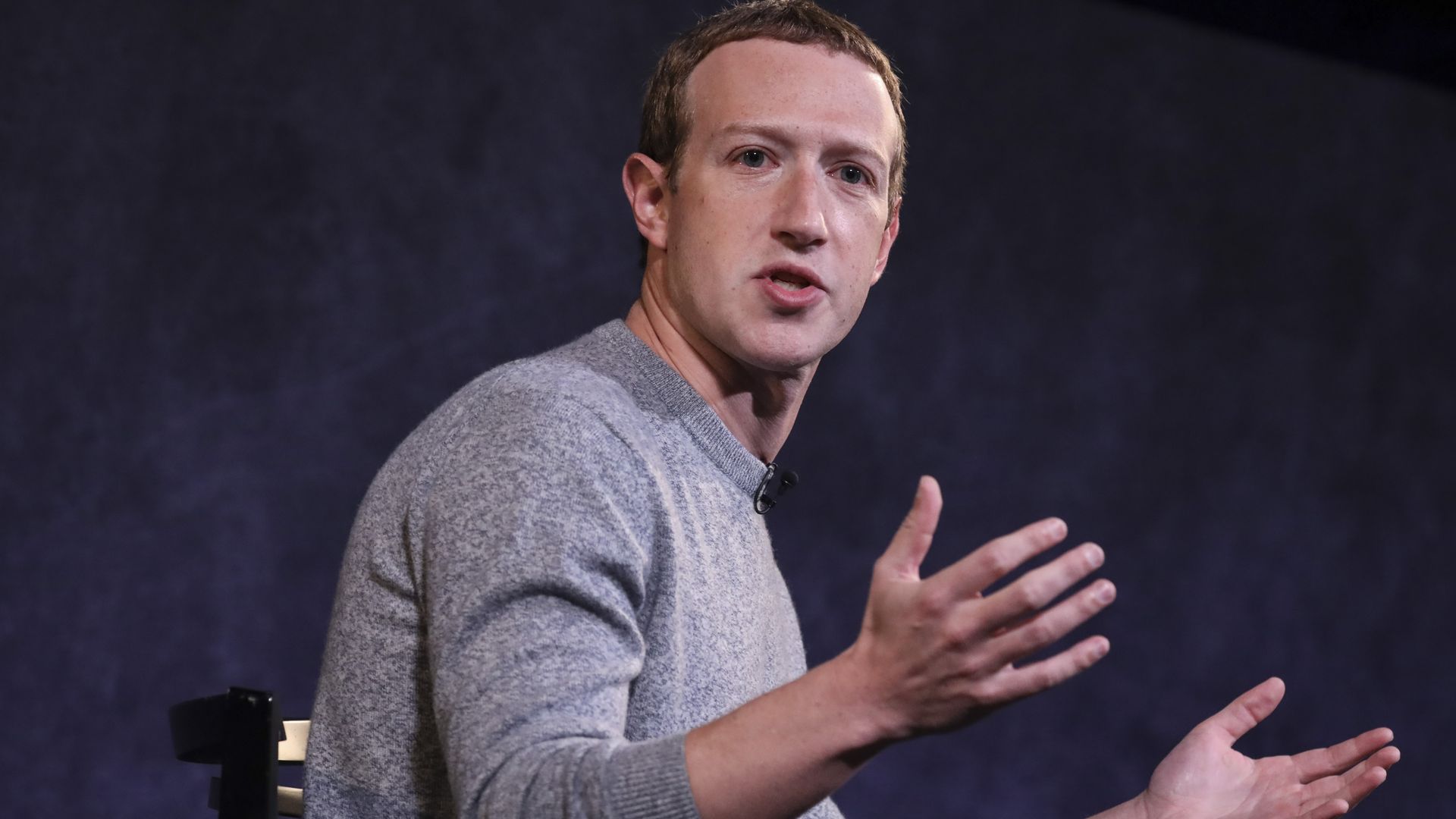
Facebook on Thursday said it's banning posts and ads that discourage people from taking part in the 2020 Census or mislead them about how to do it, a move the company promised was in the works earlier this year.
Why it matters: Advocacy groups have long warned that misinformation can be used to depress census participation, skewing results and leading to under-representation for immigrants, people of color and other marginalized groups when the census is later used to draw political districts.
An adviser to Europe's highest court told its judges Thursday to uphold the contractual terms that Facebook and other companies rely on to transfer billions of dollars worth of data on Europeans to other countries.
Why it matters: The case's outcome will not only determine whether companies need to rethink how they protect users' privacy and data, but could also shape a deeper transatlantic divide for the internet.
House Energy & Commerce Committee staff have negotiated a bipartisan discussion draft on federal privacy regulations and began asking industry and civil society groups to weigh in.
Why it matters: The draft, which staffers started circulating Wednesday, is a rare and potentially significant bipartisan step toward a national privacy law, a goal that's proven elusive despite strong, sustained interest from both parties. An effort in the Senate led to dueling Democratic and Republican takes on privacy.
After conquering e-commerce and cloud computing, Amazon is claiming its spot at the very top of the massive shipping industry this holiday season.
Why it matters: Logistics might make your eyes glaze over, but it's one of the key businesses of the future — and it could become Amazon's next windfall. The industry is already worth $1.5 trillion, and it'll get even bigger as more and more people order everything online.
Uber has agreed to pay $4.4 million into a fund for victims of sexual harassment and establish a system to identify managers who fail to respond to reports as part of a settlement with the Equal Employment Opportunity Commission.
Why it matters: The EEOC opened an investigation into Uber following a string of reports in 2017 from employees about sexual harassment and discrimination at the ride-hailing company. Since then, Uber has replaced CEO Travis Kalanick with Expedia's Dara Khosrowshahi, who has vowed to rectify the company's culture.
In the next few weeks, Instagram will stop allowing influencers to promote tobacco, weapons or vaping products in branded posts, it announced in a blog post on Wednesday.
Why it matters: It's the first time the photo app is establishing boundaries for influencer sponsored content.
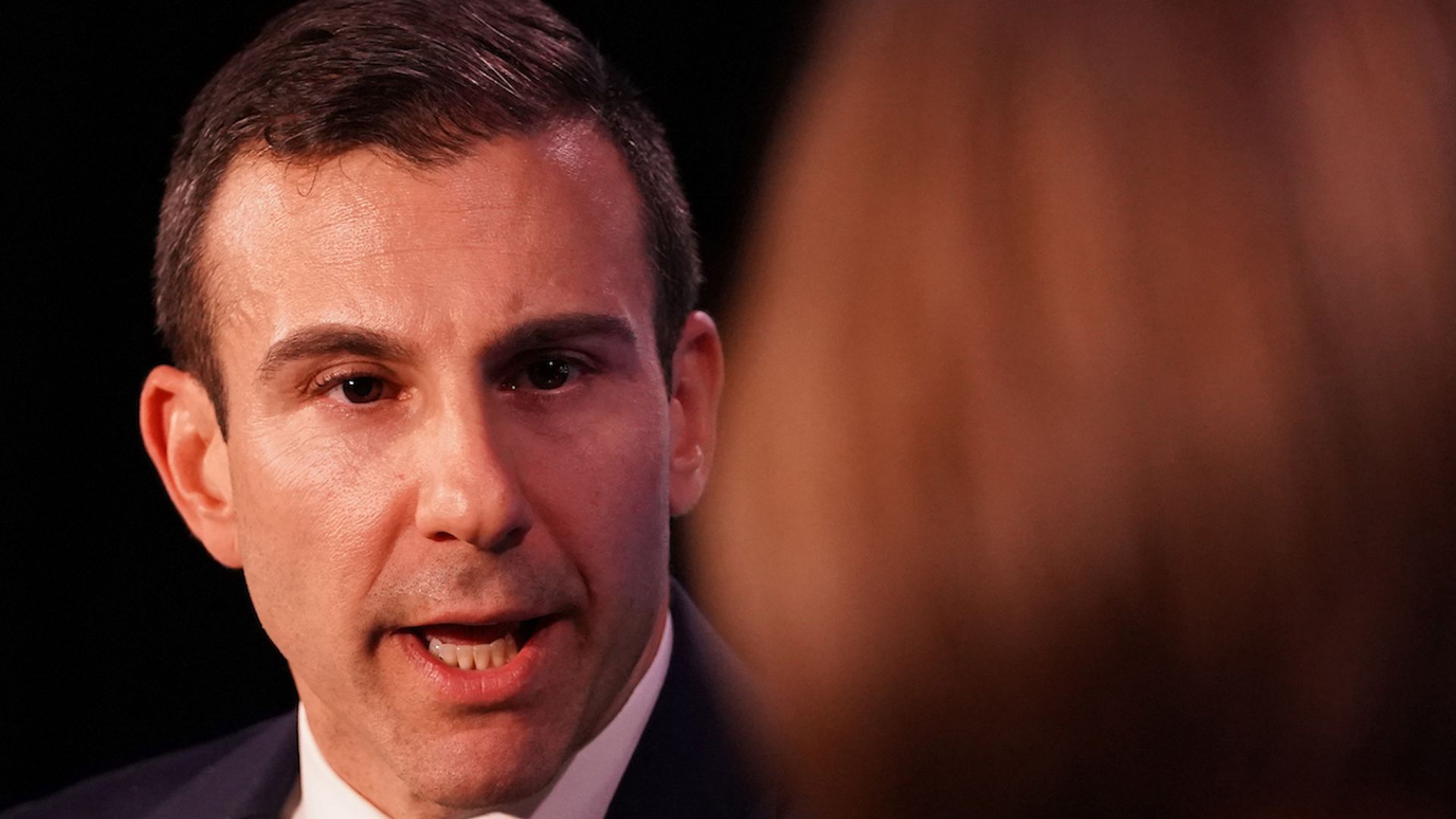
The District of Columbia's transportation chief Jeff Marootian expects Amazon's new HQ2 to spur new transportation projects to help ease congestion and incentivize more sustainable transit.
Driving the news: Amazon got final approval for its second headquarters in Arlington County last week. Local residents have expressed concern that the new National Landing development and influx of new workers trying to get there every day will lead to more gridlock.
Uber is waging a battle against Los Angeles' transportation department over the city's new data-sharing requirements for scooter and bike rentals.
Why it matters: Uber is an unlikely champion of consumer privacy rights given its own missteps, but privacy experts say L.A.'s new standard could have a significant impact on urban transportation services, their users and what data cities can access.
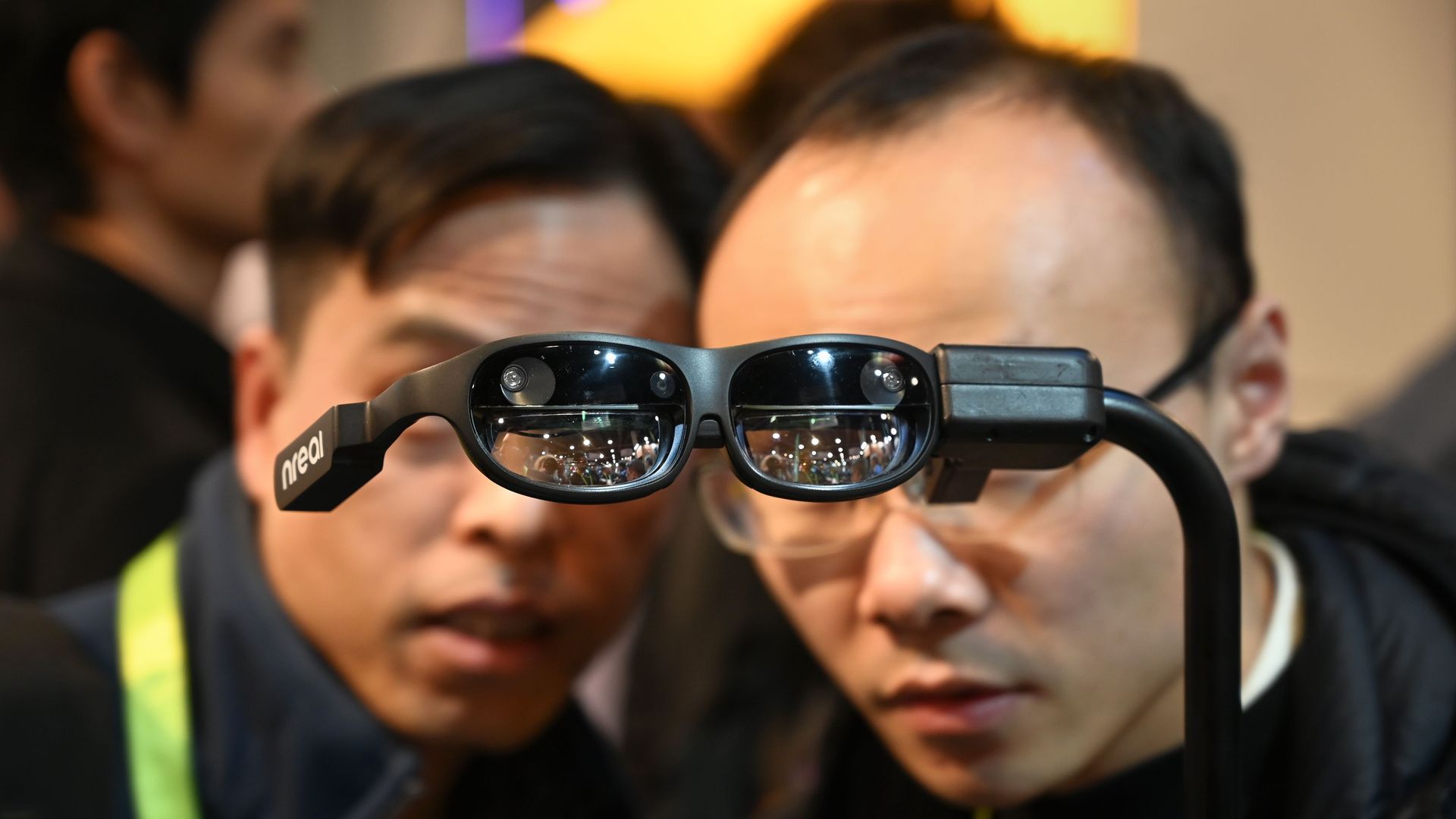
Augmented reality startup Nreal is asking a court to throw out a lawsuit from Magic Leap, saying the heavily touted startup's suit amounts to sour grapes rather than a breach of contract.
Why it matters: The virtual reality and augmented reality markets are taking longer to develop, prompting companies to compete for their slice of a smaller-than-anticipated pie.
Google has fired another worker — this time, an employee who created a browser pop-up that informed workers of their rights when they visited the website of a labor consultant Google had hired.
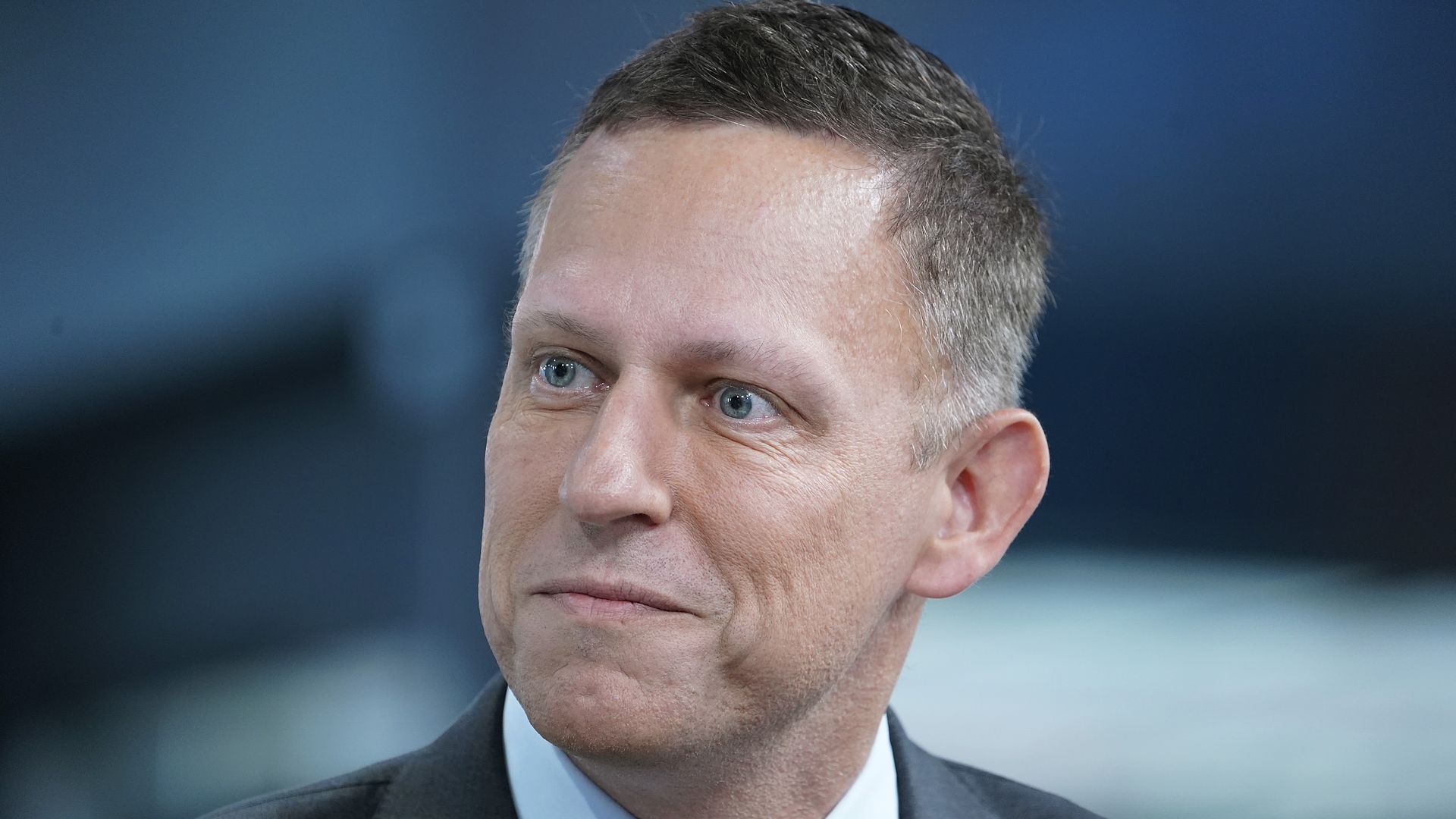
Silicon Valley was abuzz Tuesday after a Wall Street Journal report that Peter Thiel, the tech industry's most prominent Trump supporter, is also a key architect and promoter of Facebook's anything-goes political ad policy.
Why it matters: The report was seized on by Facebook critics who have argued that the ad policy, which exempts candidates' ads and speeches from the site's fact-checking policies, skews pro-Trump. It also highlighted Thiel's role as the key intermediary between Facebook headquarters and the White House.