The rollout of self-driving cars is happening as it should — gradually and safely — Bryan Salesky, CEO of Argo AI, a leading developer of automated driving technology, tells Axios.
The big picture: Self-driving vehicles could help improve safety, reduce traffic congestion and improve access to transportation for many, but those benefits will come slowly and as part of a larger transportation system, Salesky said.
The more drivers use assisted-driving systems, the more comfortable they become with the technology — and the more likely they are to misuse it, according to new research from AAA and Virginia Tech.
What they found: After becoming accustomed to driving with advanced driver assistance systems (ADAS), like adaptive cruise control and lane-keeping assist, drivers were nearly twice as likely to engage in distracted driving behavior (texting, adjusting the radio) compared to when they were driving without the systems.
Even as politicians in D.C. struggle to come up with national privacy legislation, Box CEO Aaron Levie says there is a growing consensus on what should be expected of companies.
Why it matters: As large companies adopt policies to comply with EU and California laws, federal legislation becomes more a formality and less of a battleground.
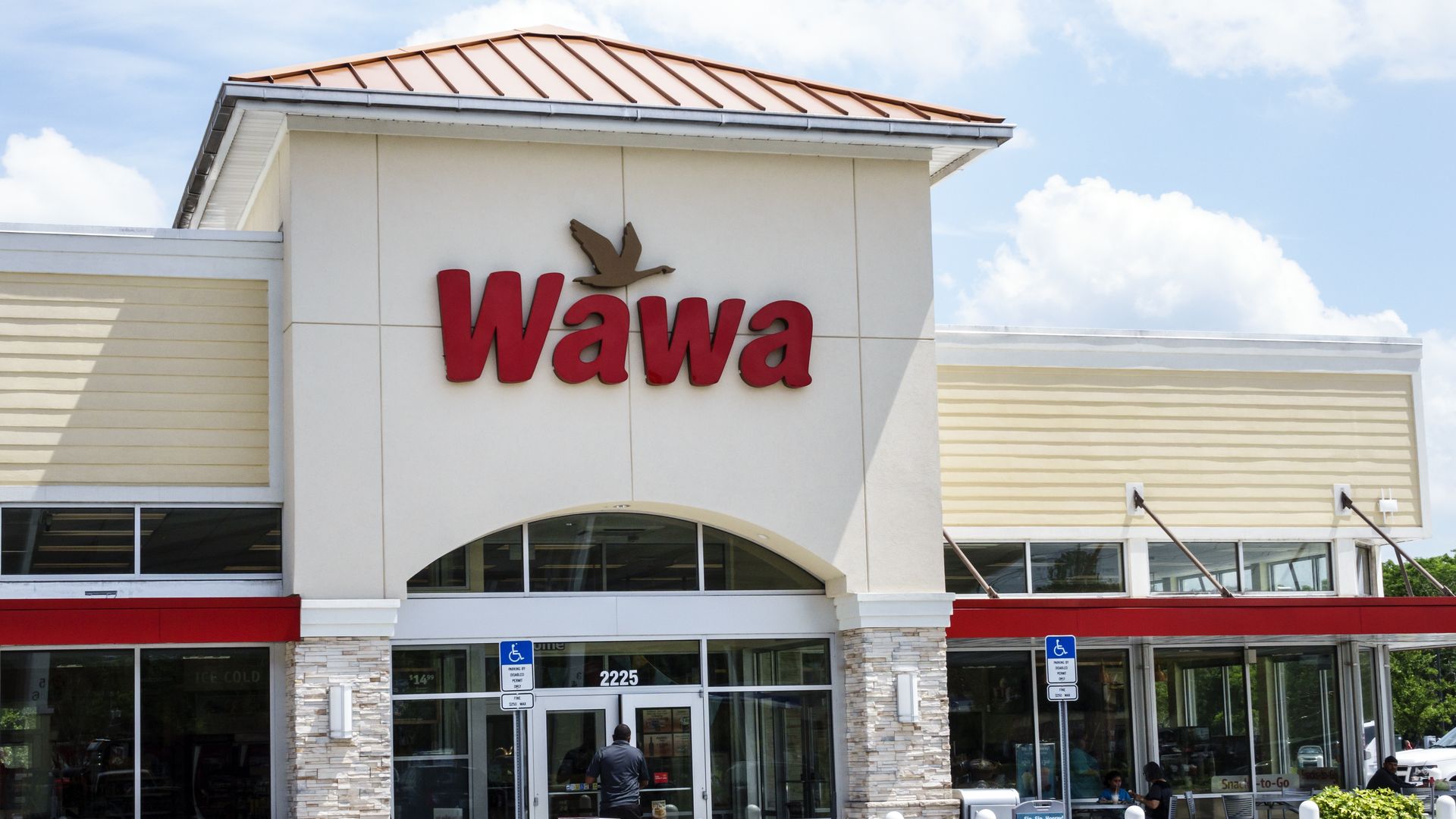
Wawa, a Pennsylvania-based convenience store chain, said thousands of its customers' debit and credit card information may have been collected from its payment processing servers during a data breach, CNBC reports.
The state of play: The breach was first discovered on Dec. 10 and contained on Dec. 12, but the malware could have been scooping up data as early as March 4, per CNBC.
To speed new products to market, Facebook famously used to tell its employees to "move fast and break things." The job of cleaning up some of the resulting debris is one the company is tackling a lot more slowly.
Why it matters: Facebook is under pressure to offer users more control and provide the public with better accountability. The company has responded with a mix of apologies, policy changes and remedial steps.
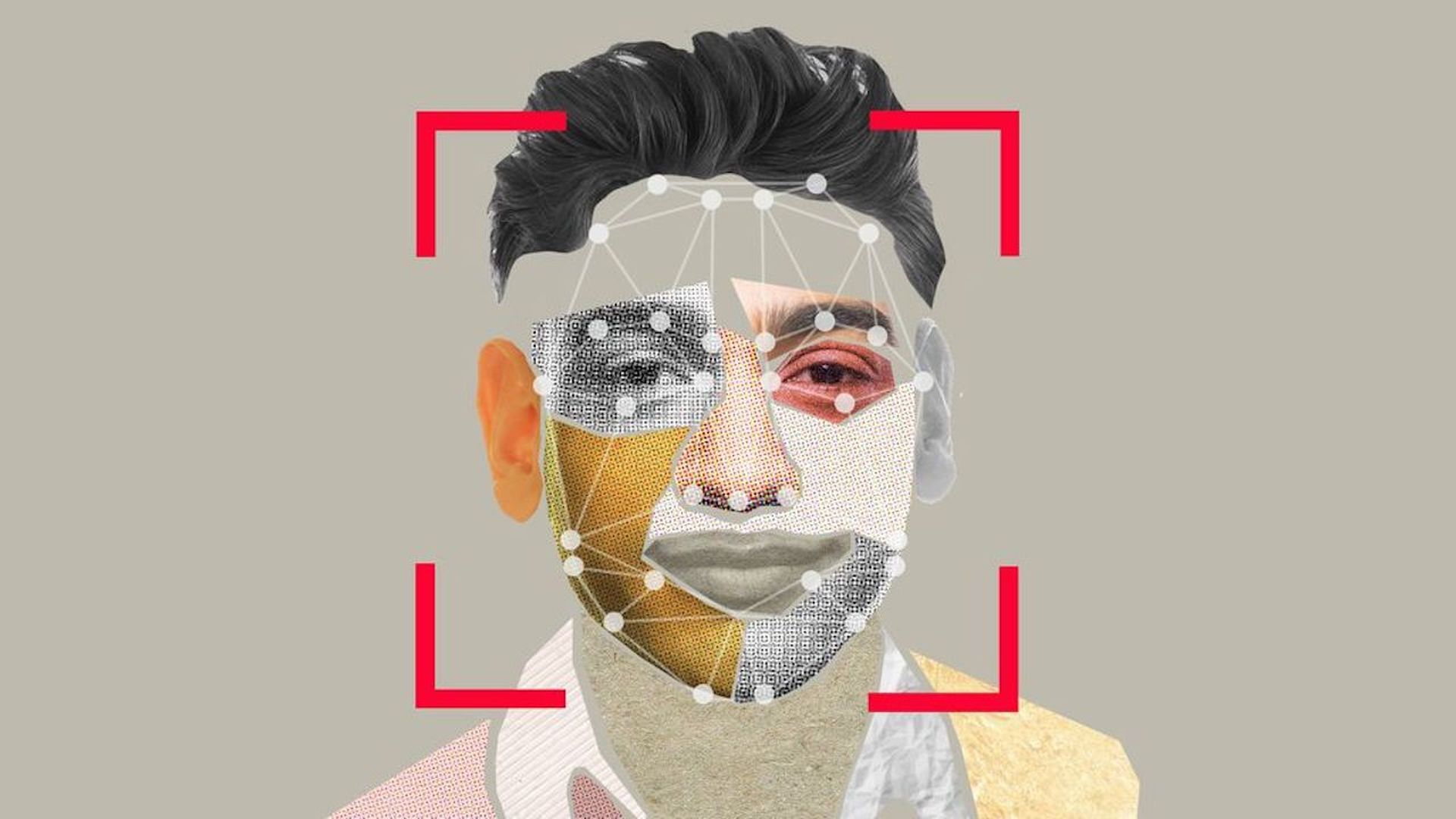
The latest and greatest tool for law enforcement has an existential problem.
Driving the news: A major federal study found "Asian and African American people were up to 100 times as likely to be misidentified than white men," per the Washington Post. It also found "high error rates for 'one-to-one' searches of Asians, African Americans, Native Americans and Pacific Islanders."
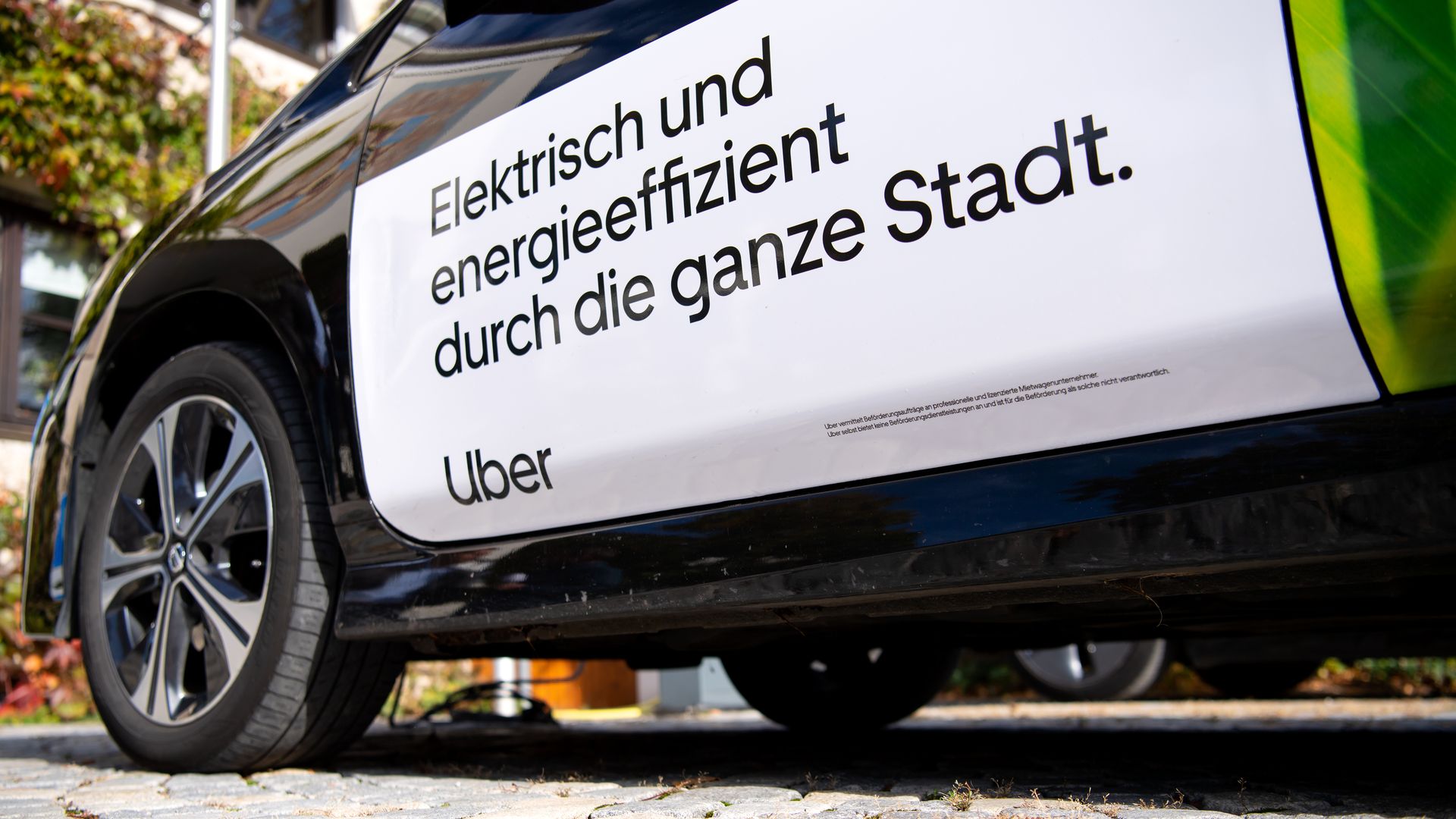
A German court on Thursday banned Uber in the country after it ruled that the U.S. company doesn't have a license to offer transport services using rental cars, Reuters reports.
The big picture: Uber, which is active in seven German cities, also lost its license to drive passengers in London in November after city regulators claimed it risked passenger safety.
Facebook on Thursday said it's banning posts and ads that discourage people from taking part in the 2020 Census or mislead them about how to do it, a move the company promised was in the works earlier this year.
Why it matters: Advocacy groups have long warned that misinformation can be used to depress census participation, skewing results and leading to under-representation for immigrants, people of color and other marginalized groups when the census is later used to draw political districts.
An adviser to Europe's highest court told its judges Thursday to uphold the contractual terms that Facebook and other companies rely on to transfer billions of dollars worth of data on Europeans to other countries.
Why it matters: The case's outcome will not only determine whether companies need to rethink how they protect users' privacy and data, but could also shape a deeper transatlantic divide for the internet.