After conquering e-commerce and cloud computing, Amazon is claiming its spot at the very top of the massive shipping industry this holiday season.
Why it matters: Logistics might make your eyes glaze over, but it's one of the key businesses of the future — and it could become Amazon's next windfall. The industry is already worth $1.5 trillion, and it'll get even bigger as more and more people order everything online.
Uber has agreed to pay $4.4 million into a fund for victims of sexual harassment and establish a system to identify managers who fail to respond to reports as part of a settlement with the Equal Employment Opportunity Commission.
Why it matters: The EEOC opened an investigation into Uber following a string of reports in 2017 from employees about sexual harassment and discrimination at the ride-hailing company. Since then, Uber has replaced CEO Travis Kalanick with Expedia's Dara Khosrowshahi, who has vowed to rectify the company's culture.
In the next few weeks, Instagram will stop allowing influencers to promote tobacco, weapons or vaping products in branded posts, it announced in a blog post on Wednesday.
Why it matters: It's the first time the photo app is establishing boundaries for influencer sponsored content.
The District of Columbia's transportation chief Jeff Marootian expects Amazon's new HQ2 to spur new transportation projects to help ease congestion and incentivize more sustainable transit.
Driving the news: Amazon got final approval for its second headquarters in Arlington County last week. Local residents have expressed concern that the new National Landing development and influx of new workers trying to get there every day will lead to more gridlock.
Uber is waging a battle against Los Angeles' transportation department over the city's new data-sharing requirements for scooter and bike rentals.
Why it matters: Uber is an unlikely champion of consumer privacy rights given its own missteps, but privacy experts say L.A.'s new standard could have a significant impact on urban transportation services, their users and what data cities can access.
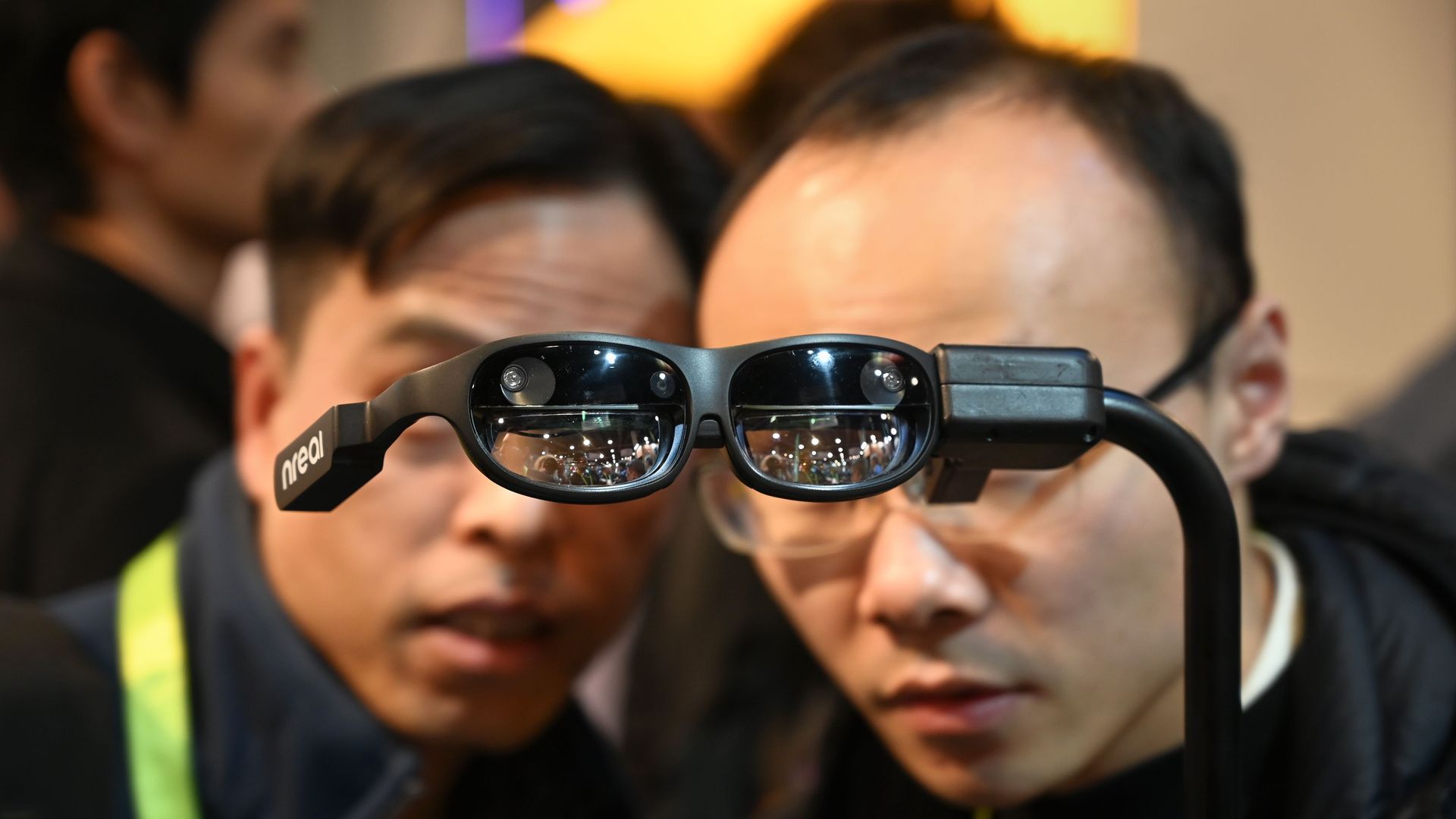
Augmented reality startup Nreal is asking a court to throw out a lawsuit from Magic Leap, saying the heavily touted startup's suit amounts to sour grapes rather than a breach of contract.
Why it matters: The virtual reality and augmented reality markets are taking longer to develop, prompting companies to compete for their slice of a smaller-than-anticipated pie.
Google has fired another worker — this time, an employee who created a browser pop-up that informed workers of their rights when they visited the website of a labor consultant Google had hired.
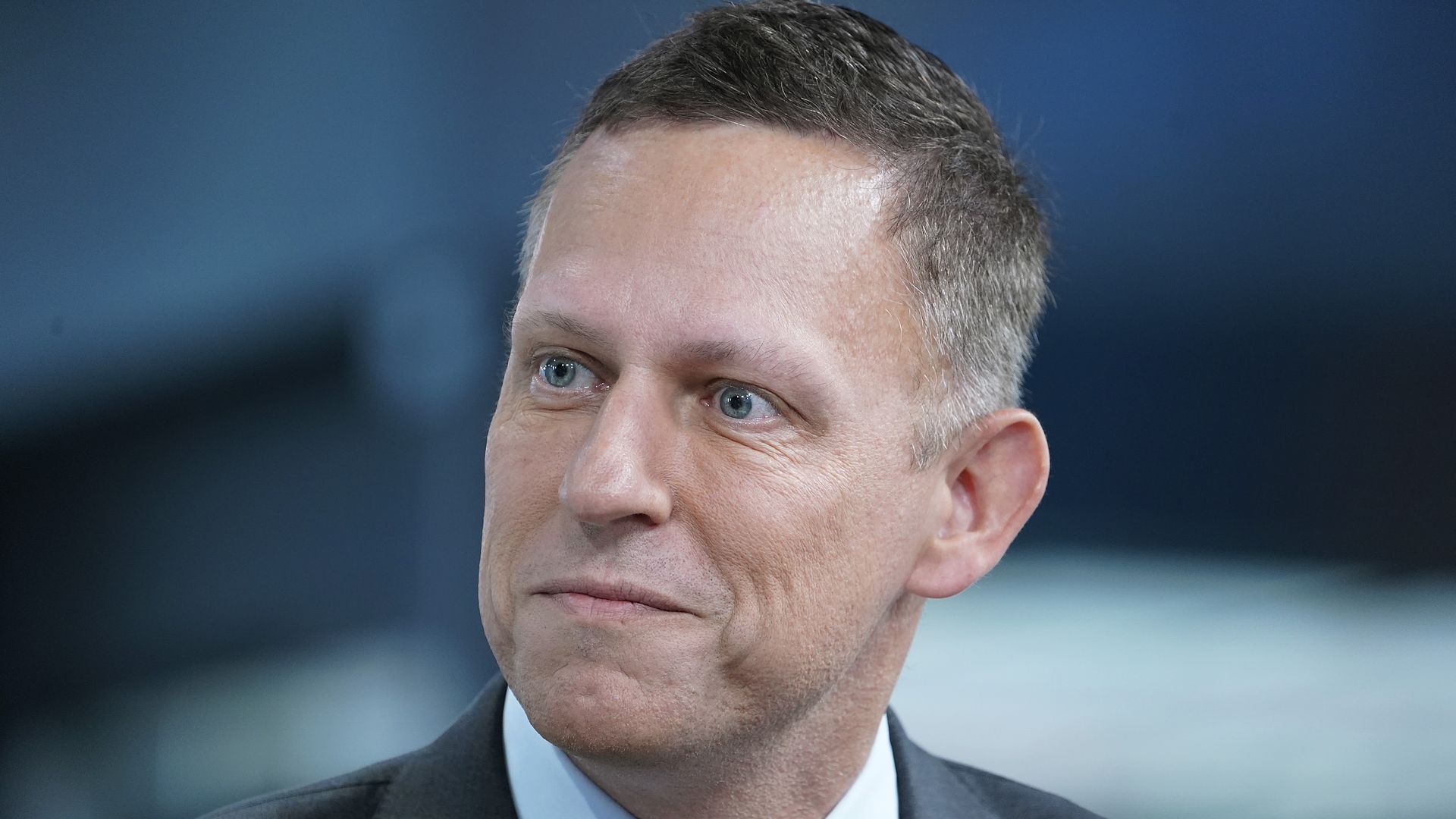
Silicon Valley was abuzz Tuesday after a Wall Street Journal report that Peter Thiel, the tech industry's most prominent Trump supporter, is also a key architect and promoter of Facebook's anything-goes political ad policy.
Why it matters: The report was seized on by Facebook critics who have argued that the ad policy, which exempts candidates' ads and speeches from the site's fact-checking policies, skews pro-Trump. It also highlighted Thiel's role as the key intermediary between Facebook headquarters and the White House.
Facebook is creating a new pilot program in the U.S. that will leverage part-time contracted "community reviewers" to expedite its fact-checking process.
The big picture: The community reviewers will help to corroborate or debunk stories that Facebook's machine learning tools flag as potential misinformation. This will make it easier for Facebook's fact-checking partners to quickly debunk false claims.
When he was recently named CEO of Google's parent company Alphabet, Sundar Pichai inherited a long list of issues in need of tackling — everything from addressing privacy and antitrust concerns, to managing an increasingly vocal workforce, to ensuring the future of the company's products.
The big picture: As Google CEO, Pichai was already responsible for much of this portfolio. Now, the buck truly stops with him.
Intel (Nasdaq: INTC) paid around $2 billion to acquire Habana Labs, an AI processor startup based in Israel.
Why it matters: Intel continues buying big to succeed in the AI chip market, which it expects to be worth more than $25 billion by 2024, even if some past acquisitions haven't yet worked out as planned.
Facebook is spending six figures to fund a course on manipulated media and deepfakes for newsrooms, executives tell Axios. The course material has been developed by Reuters, and Facebook is funding its international expansion as a part of the Facebook Journalism Project.
Details: The free e-learning course, called "Identifying and Tackling Manipulated Media," seeks to help journalists globally learn how to identify photos or videos that have been altered to present inaccurate information.
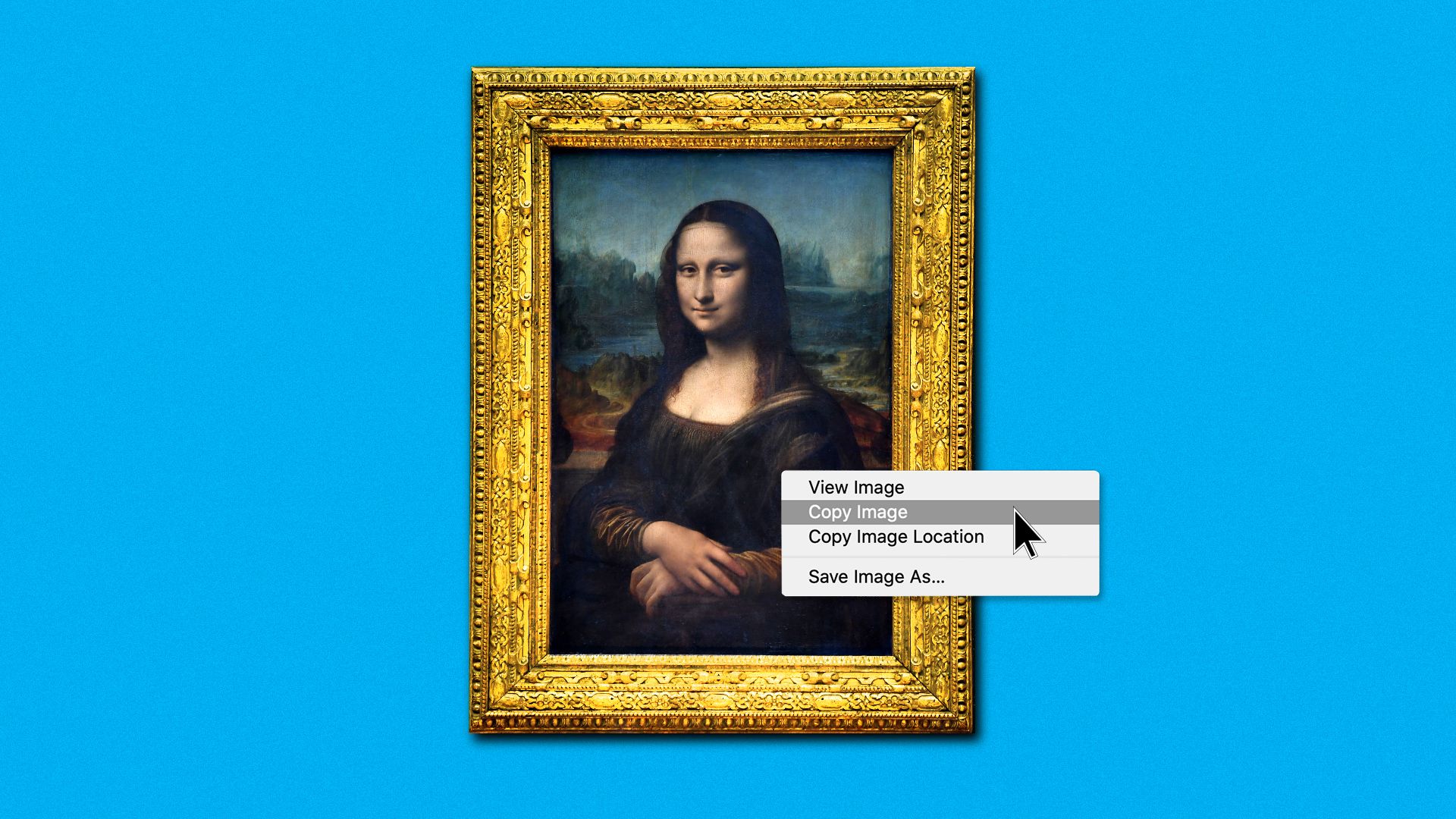
Thirty years into the internet era, content creators in many industries, like digital news publishing and music, still believe copyright regulations favor the interests of digital content distributors and make it difficult for them to make money.
The big picture: Countries around the world are trying to address outdated copyright rules to protect the owners of intellectual property across several industries.
International students outnumber homegrown talent two to one among newly graduated AI experts, driving American leadership in the critical and increasingly crowded field.
Why it matters: Experts worry that U.S. hostility to immigration is choking this vital pipeline, potentially handing an advantage to competitors like China.