Tech companies appear to be bowing to new privacy rules springing up in Europe, California and elsewhere, putting in place processes to show they're complying.
Yes, but: Some of these moves are smokescreens that allow the companies to avoid making big, painful changes, some legal experts argue — enabled by a legal system that offloads enforcement onto the very companies being regulated.
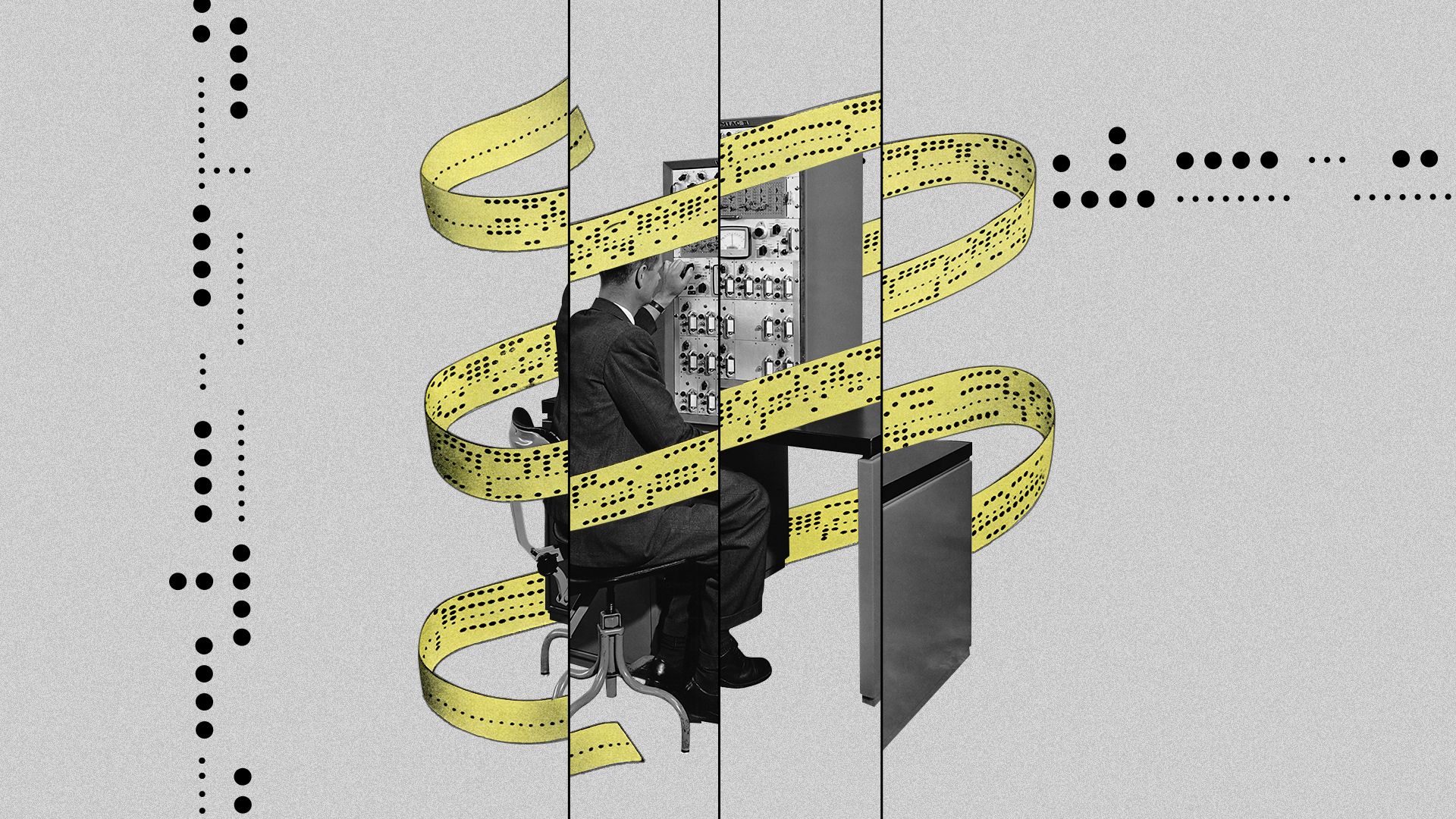
Returning to a technology largely discarded since the 1960s, scientists are betting on analog computing to wean AI systems off the monstrous amounts of electricity they currently require.
Why it matters: AI is on track to use up a tenth of the world's electricity by 2025, by one estimate. Cutting back on this consumption has huge climate implications — plus it’s essential for mobile devices and autonomous cars to do complex calculations on the fly.
The rollout of self-driving cars is happening as it should — gradually and safely — Bryan Salesky, CEO of Argo AI, a leading developer of automated driving technology, tells Axios.
The big picture: Self-driving vehicles could help improve safety, reduce traffic congestion and improve access to transportation for many, but those benefits will come slowly and as part of a larger transportation system, Salesky said.
The more drivers use assisted-driving systems, the more comfortable they become with the technology — and the more likely they are to misuse it, according to new research from AAA and Virginia Tech.
What they found: After becoming accustomed to driving with advanced driver assistance systems (ADAS), like adaptive cruise control and lane-keeping assist, drivers were nearly twice as likely to engage in distracted driving behavior (texting, adjusting the radio) compared to when they were driving without the systems.
Even as politicians in D.C. struggle to come up with national privacy legislation, Box CEO Aaron Levie says there is a growing consensus on what should be expected of companies.
Why it matters: As large companies adopt policies to comply with EU and California laws, federal legislation becomes more a formality and less of a battleground.
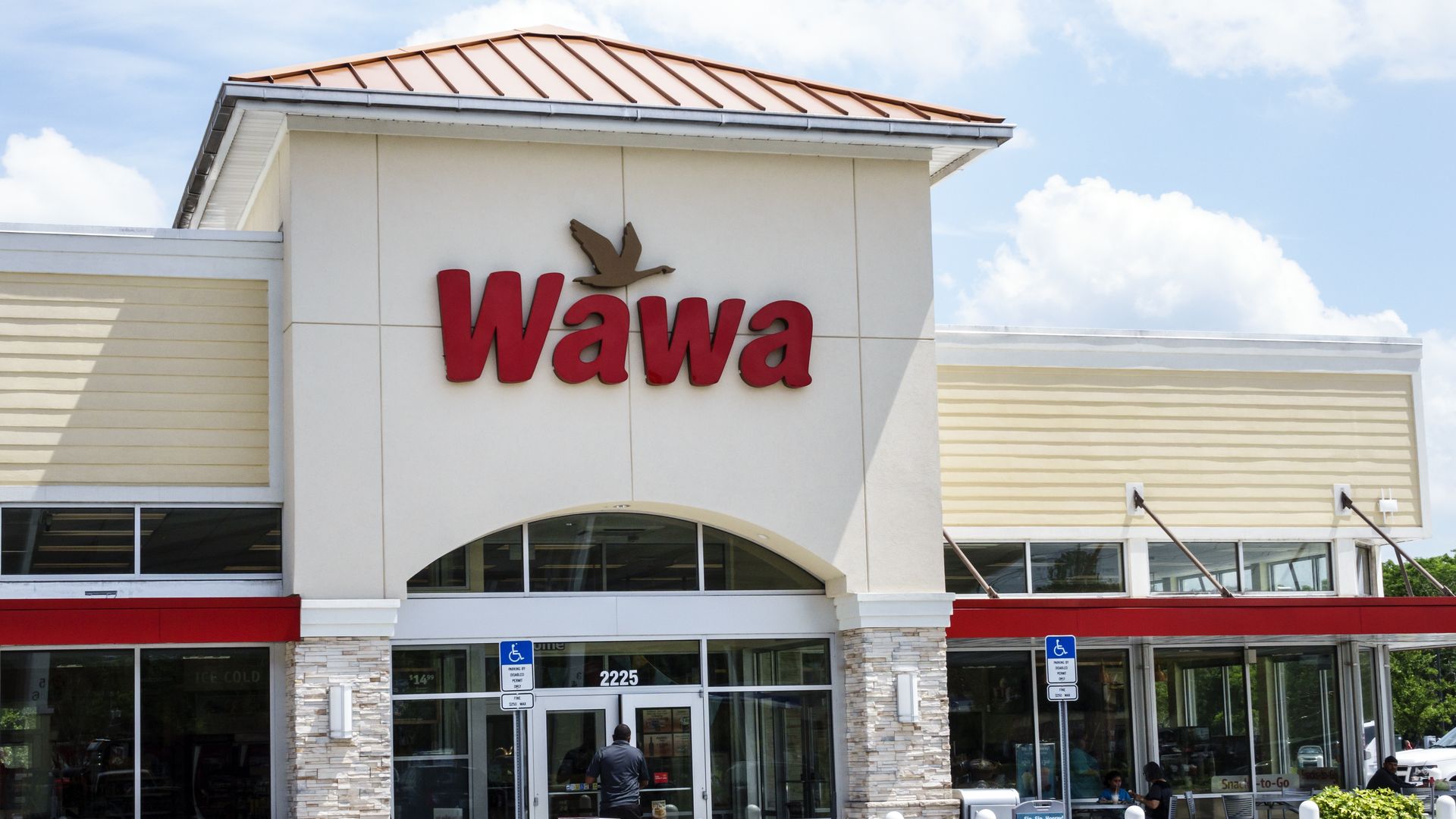
Wawa, a Pennsylvania-based convenience store chain, said thousands of its customers' debit and credit card information may have been collected from its payment processing servers during a data breach, CNBC reports.
The state of play: The breach was first discovered on Dec. 10 and contained on Dec. 12, but the malware could have been scooping up data as early as March 4, per CNBC.
To speed new products to market, Facebook famously used to tell its employees to "move fast and break things." The job of cleaning up some of the resulting debris is one the company is tackling a lot more slowly.
Why it matters: Facebook is under pressure to offer users more control and provide the public with better accountability. The company has responded with a mix of apologies, policy changes and remedial steps.