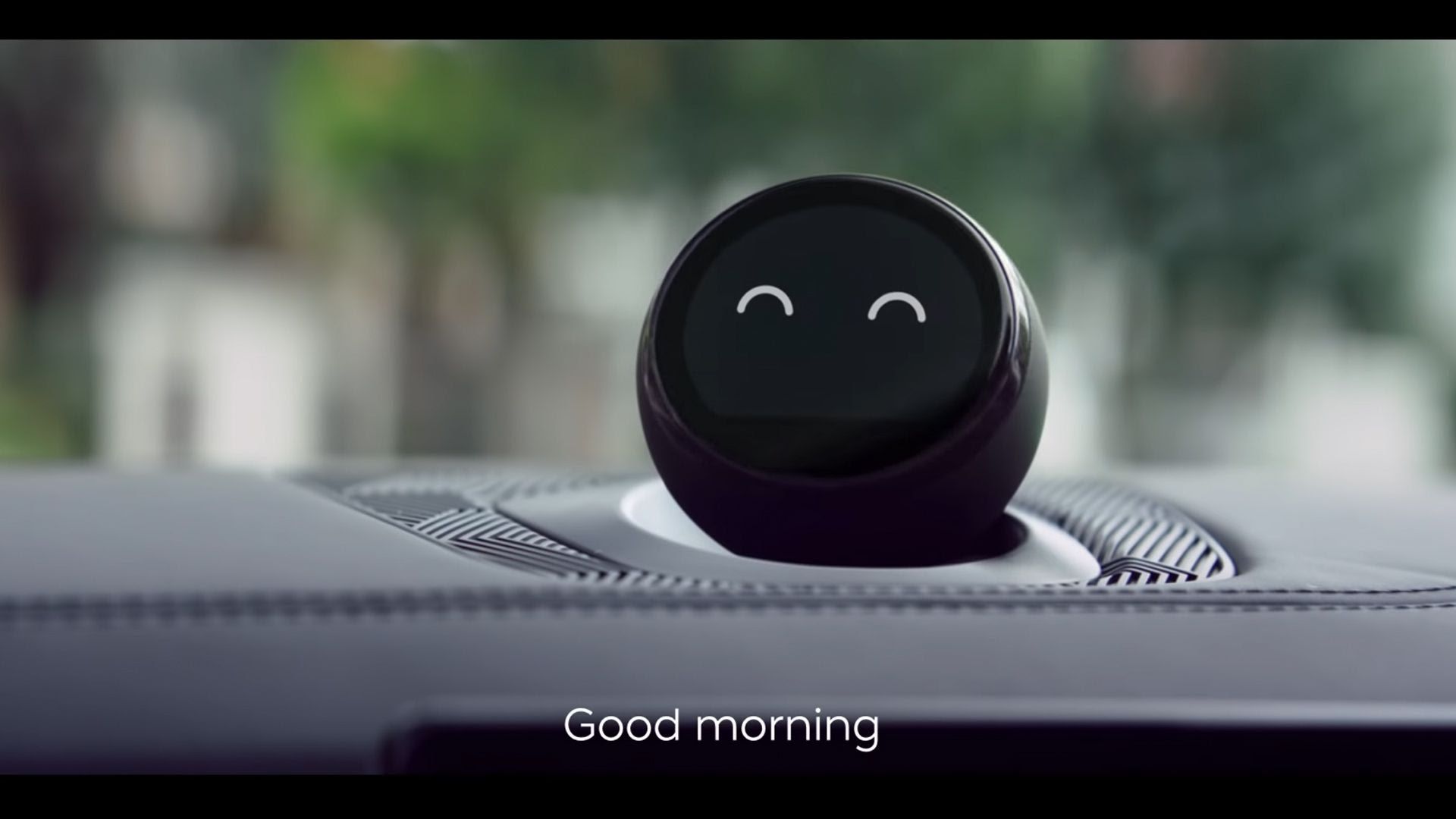
Some people like to name their cars (we called our old minivan "Chad" and my daughter's sedan is named "Trudy"). With the help of digital voice assistants, cars now are starting to take on their own personalities.
Why it matters: Using voice commands, rather than a touchscreen, can make cars safer by helping drivers keep their eyes on the road and hands on the wheel. But most early voice technologies have been disappointing or downright frustrating to use while driving.
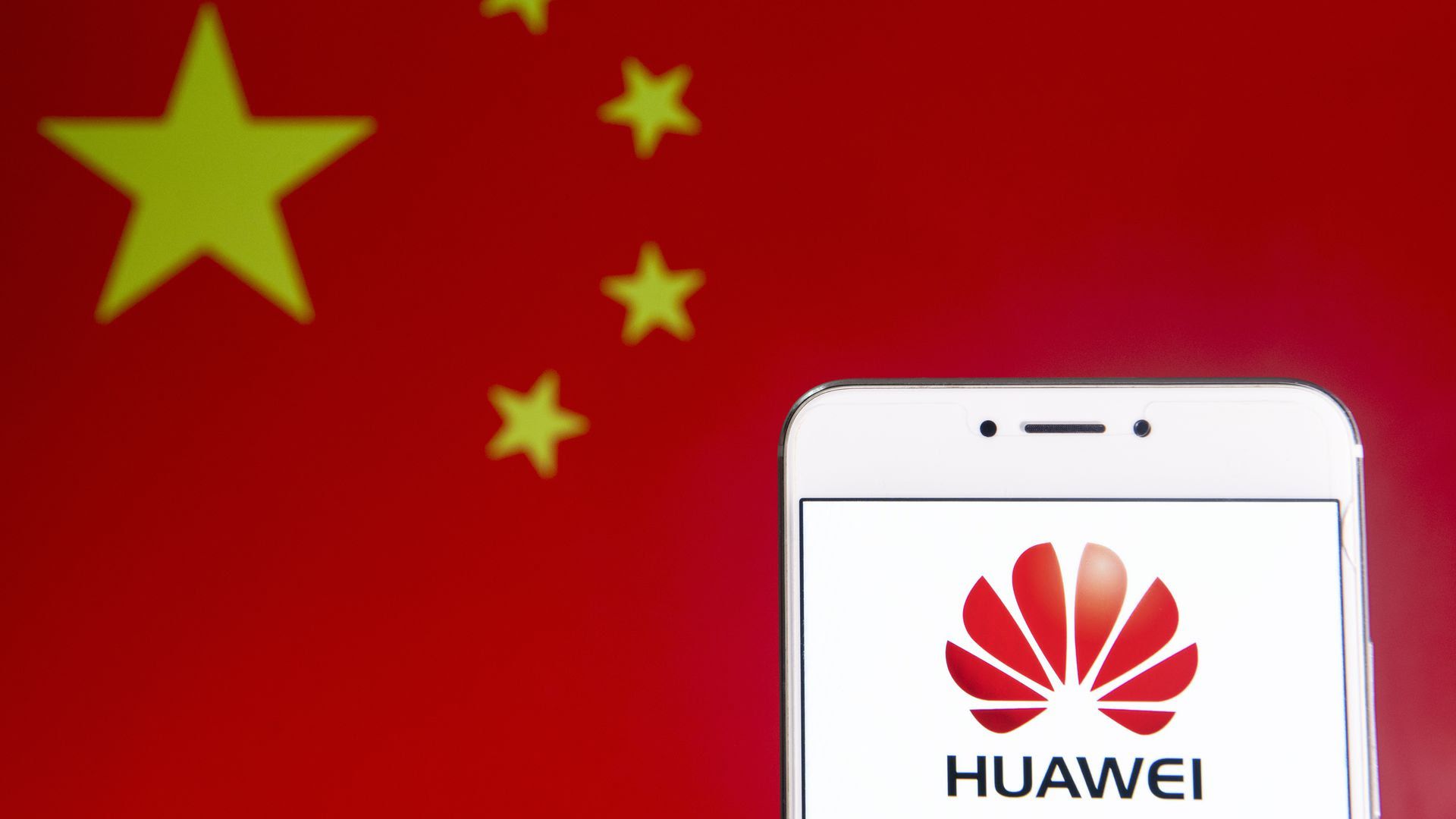
The FCC voted unanimously Friday to approve a ban prohibiting companies from using federal telecom subsidies to purchase equipment from Chinese firms Huawei and ZTE, deeming them national security threats.
Why it matters: The FCC's ban comes amid rising tensions with Huawei in the global race to 5G deployment and trade negotiations with China.
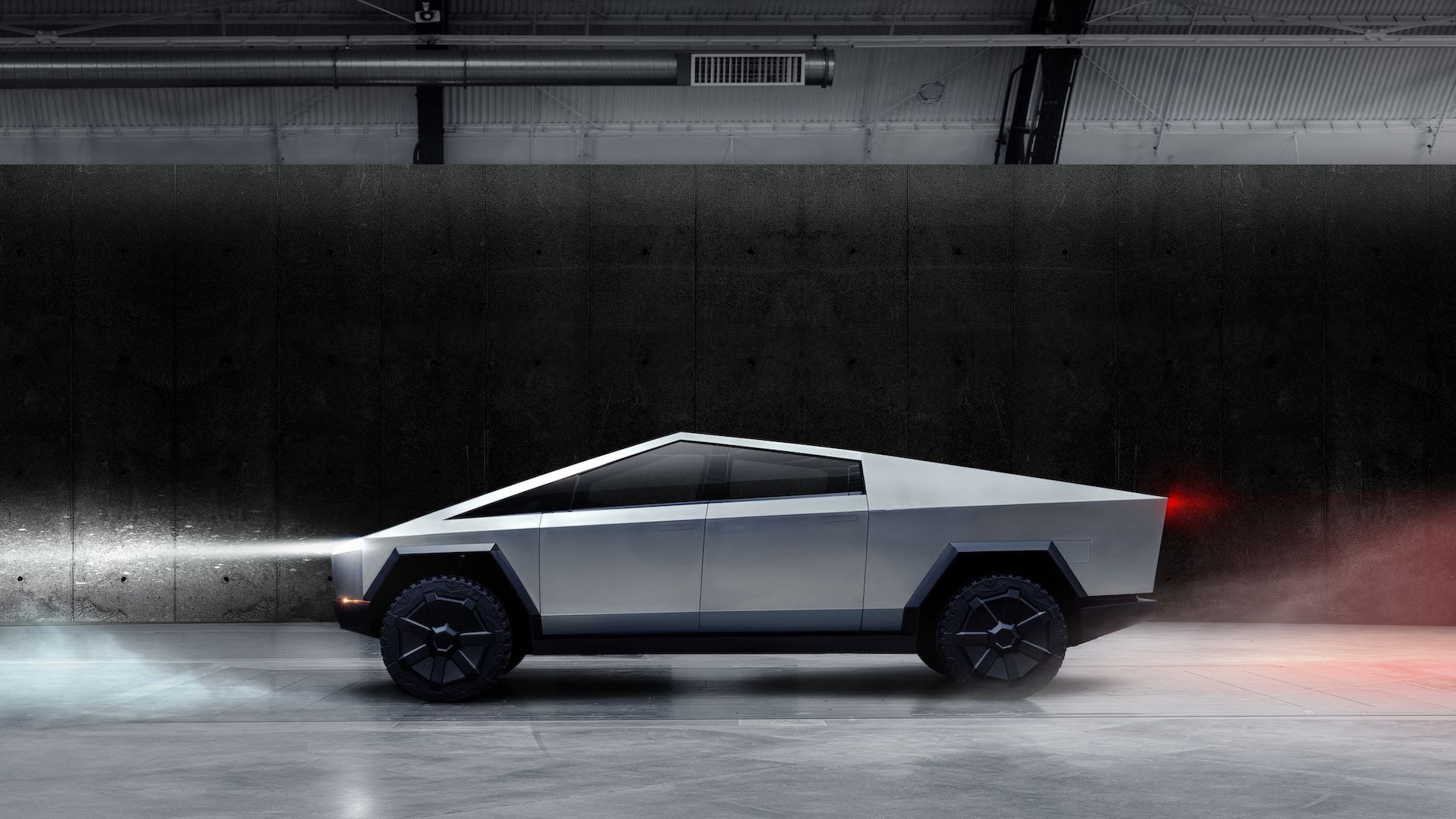
Tesla unveiled its futuristic "Cybertruck" at an L.A. event on Thursday that was heavy on light shows, yet analysts remain in the dark about the future of electric pickups — and Tesla's role in it.
Why it matters: The event was the splashiest sign yesterday that automakers are moving closer to bringing electric models to the huge pickup market.
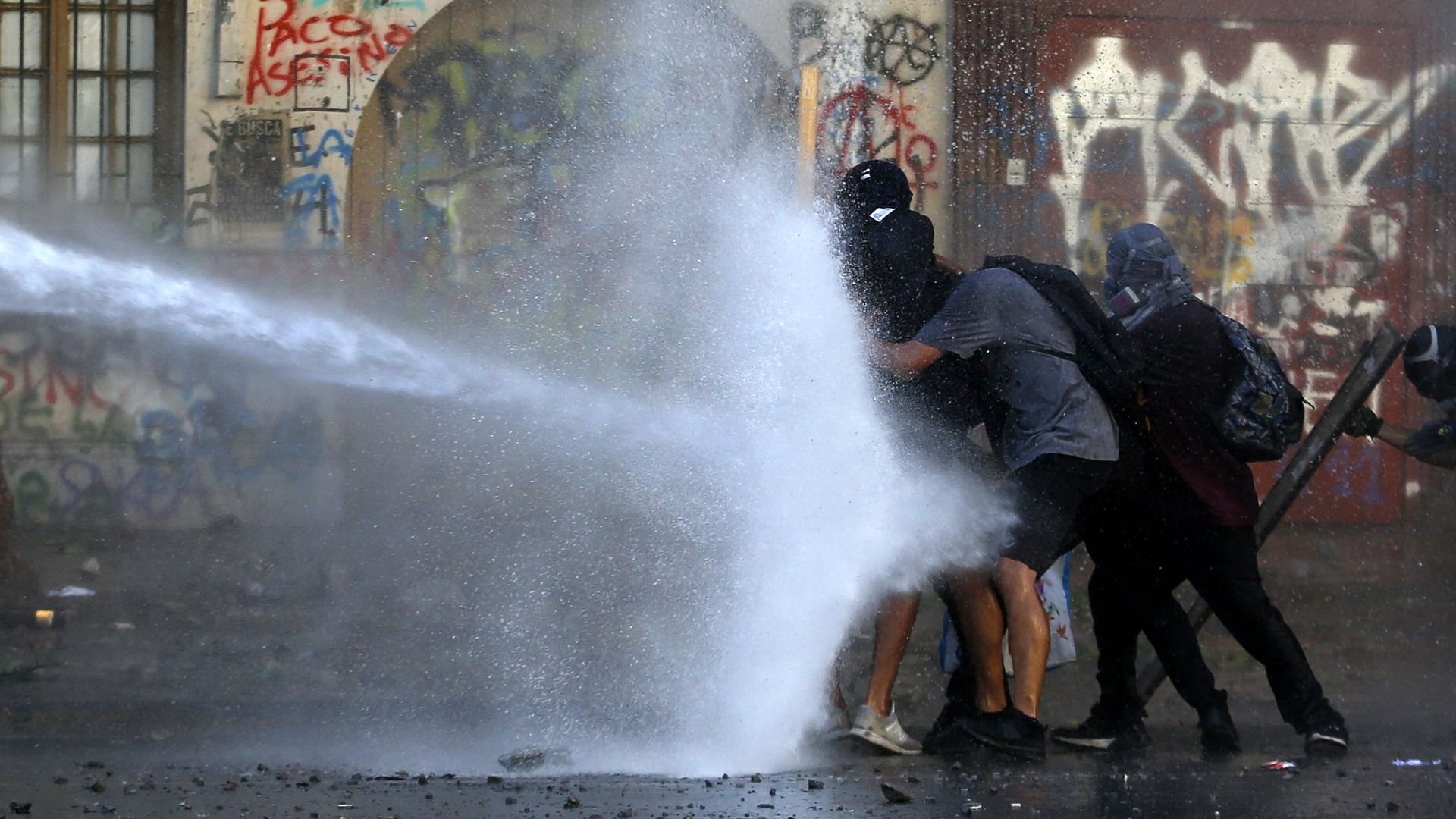
Venezuela, Brazil, and more recently Ecuador, Bolivia and Chile have been in the news because of violent protests and uprisings.
The big picture: One thing's for sure — it's not because of any one political system. Venezuela has had a quasi-communist regime for almost 20 years, Chile has had a totally different pro-market approach, while Bolivia and Ecuador have had their own peculiar mixes of socialism and capitalism. But each society has gone through similar social crises in recent months.
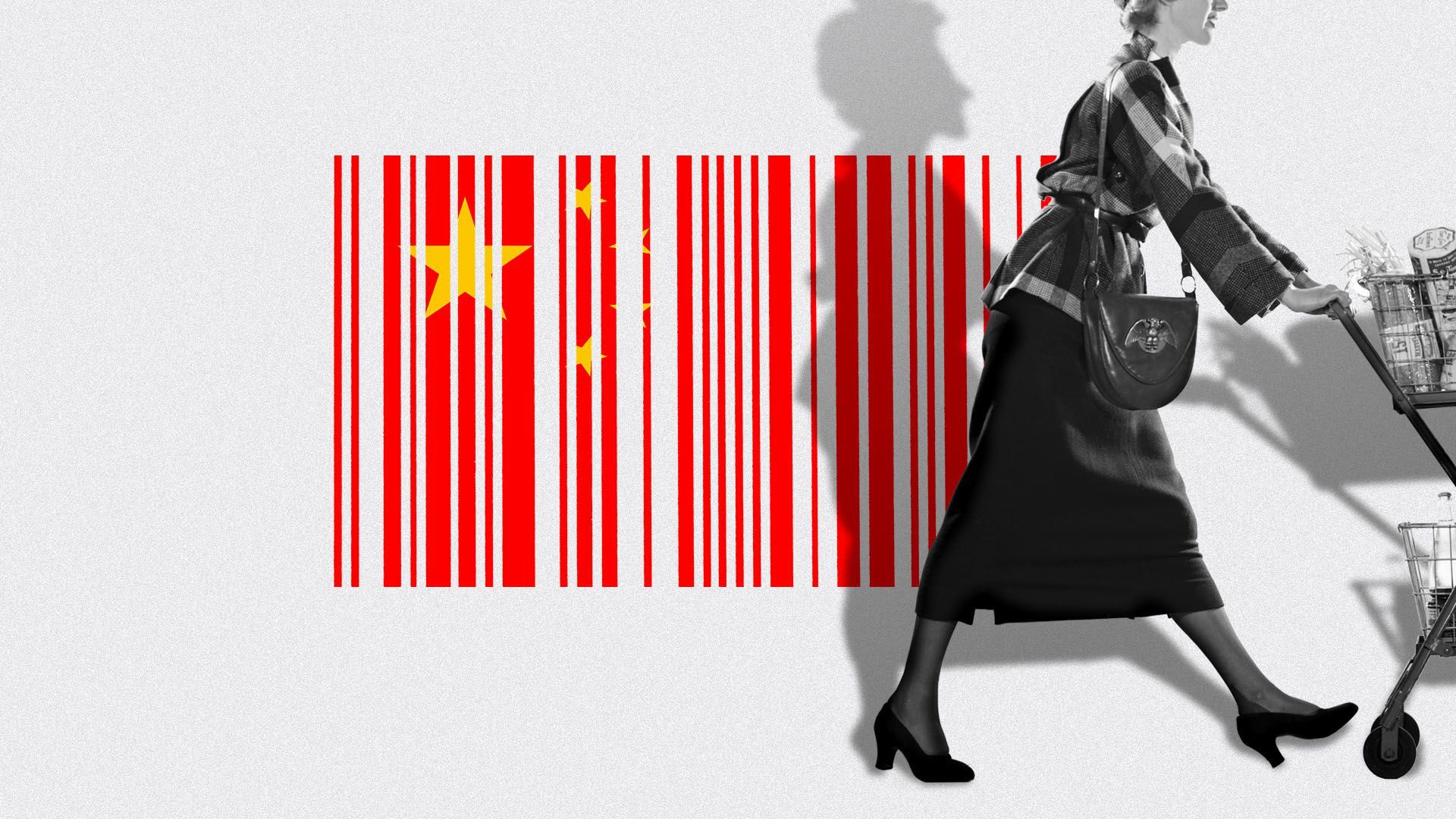
American consumers are quite familiar with many of the big-name foreign products — Toyota, Samsung, to name a couple — but brands from China are virtually invisible.
The big picture: Chinese companies doing business in the U.S. are doing their best to hide where they come from. If they're not actively masking their home country, they're certainly not leading with it.
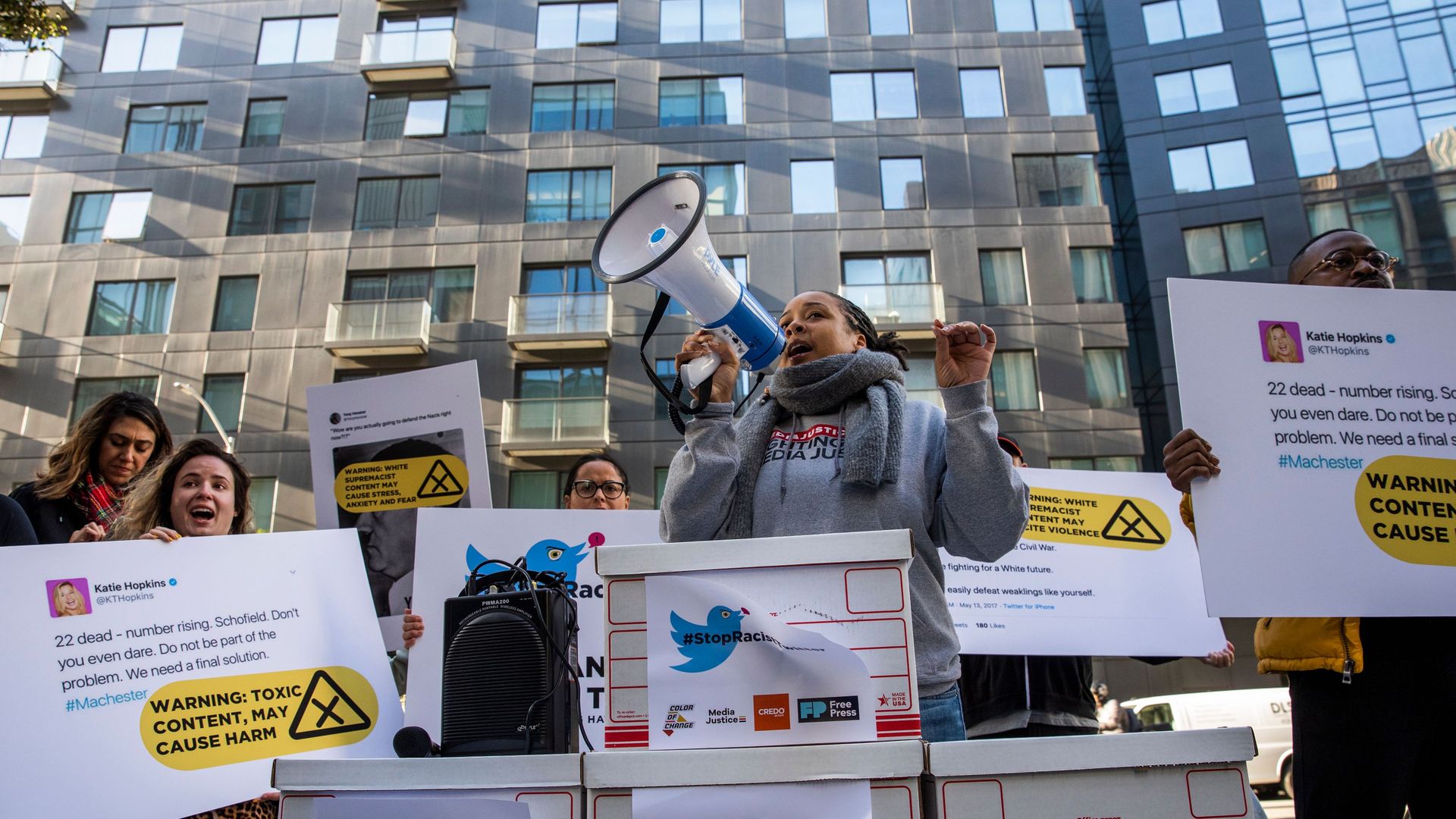
Twitter announced in a new blog post that it will allow global users to hide replies to their tweets in an effort to help people "feel safe and comfortable" on the platform.
The big picture: This isn't the social media company's first attempt to curb harassment and encourage online civility, but it is the first push to give users control over the tone and topic of a Twitter thread before it is derailed by irrelevant, insulting or unnecessarily unpleasant commentary.
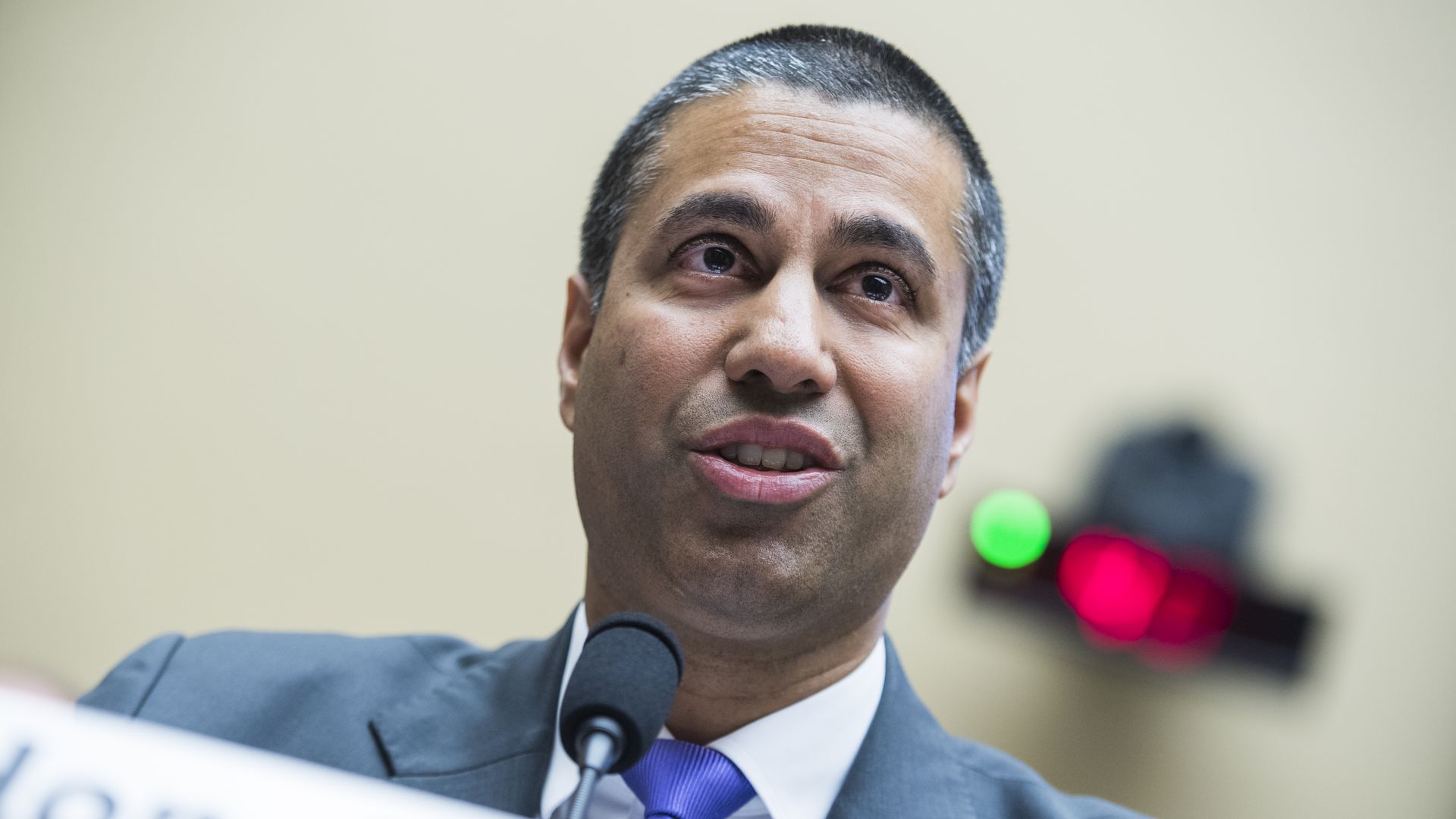
FCC chairman Ajit Pai offered a path forward Wednesday for the cable industry to gain access to auto airwaves for WiFi after a long-running spectrum battle with automakers.
Yes, but: The move will pit the FCC against the Department of Transportation, which wants to see these airwaves fully dedicated to auto safety communications.
After months in which the Commerce Department indicated it might ease some trade restrictions on Chinese tech giant Huawei, some U.S. companies are beginning to receive waivers allowing them to supply Huawei with components, according to reports in the Wall Street Journal and elsewhere.
Why it matters: U.S. companies were making millions of dollars selling chips, software and other components to Huawei until the Trump administration put the company on a trade blacklist, largely over national security concerns.
Target and Amazon have different approaches to appease impatient customers who want same-day delivery.
The big picture: Target wants to fill more orders from its store inventory, which is cheaper than fulfillment centers. When it comes to same-day shipping, CEO Brian Cornell told CNBC yesterday that “90% of the cost goes away” when customers order online and pick up at a store, use curbside pickup or select shipping via Shipt for same-day delivery.
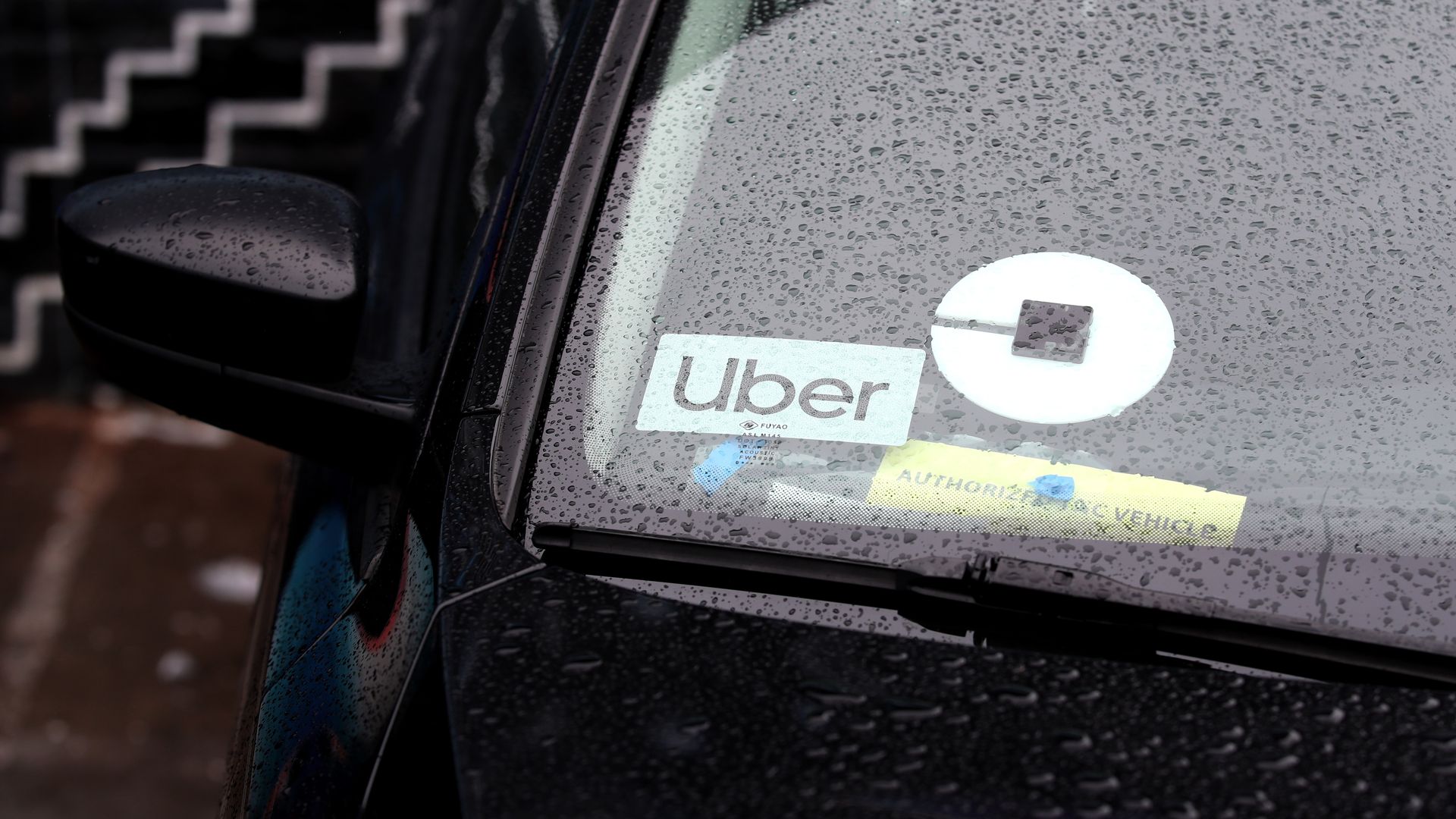
Some Uber drivers have independently been putting ad displays on top of their cars, but now the ride-hailing company has teamed with startup Cargo for a small test of officially deploying ads to drivers in Atlanta.
Why it matters: This could be a new revenue source for Uber, which has been under heavy pressure to move towards profitability.
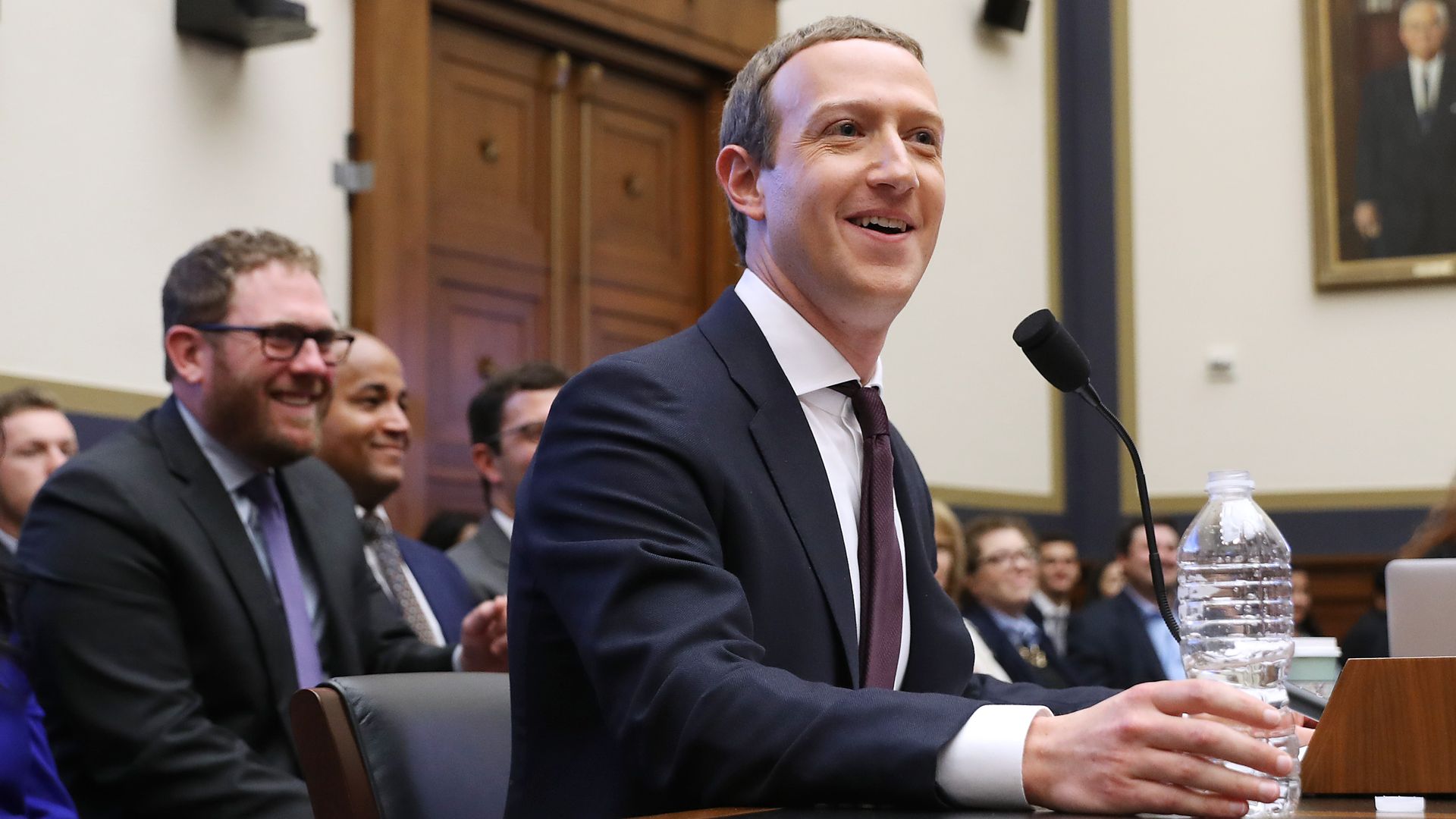
President Trump hosted Facebook CEO Mark Zuckerberg and board member Peter Thiel at a White House dinner in October that was not disclosed, the social network giant confirmed to NBC late Wednesday.
Details: NBC notes that it's "unclear why the meeting was not made public or what Trump, Zuckerberg and Thiel discussed."