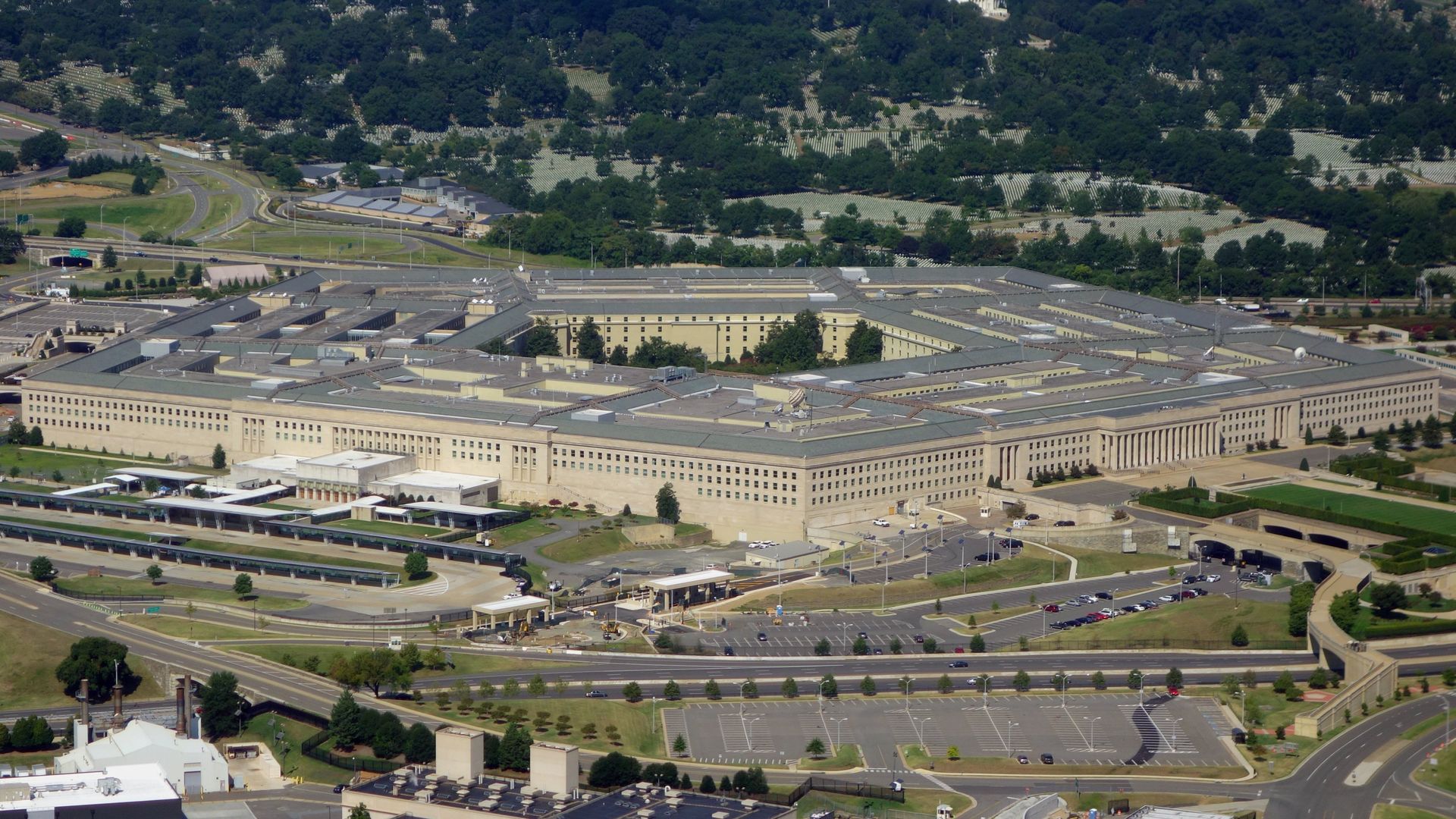
The big picture: Amazon is suing the Pentagon, claiming the decision to hand Microsoft the contract for the Joint Enterprise Defense Infrastructure (JEDI) project in late October was influenced by Trump, who has repeatedly and publicly taken shots at Amazon. A company spokesperson has said an "unmistakable bias" affected the Pentagon's decision-making process, per the Post.
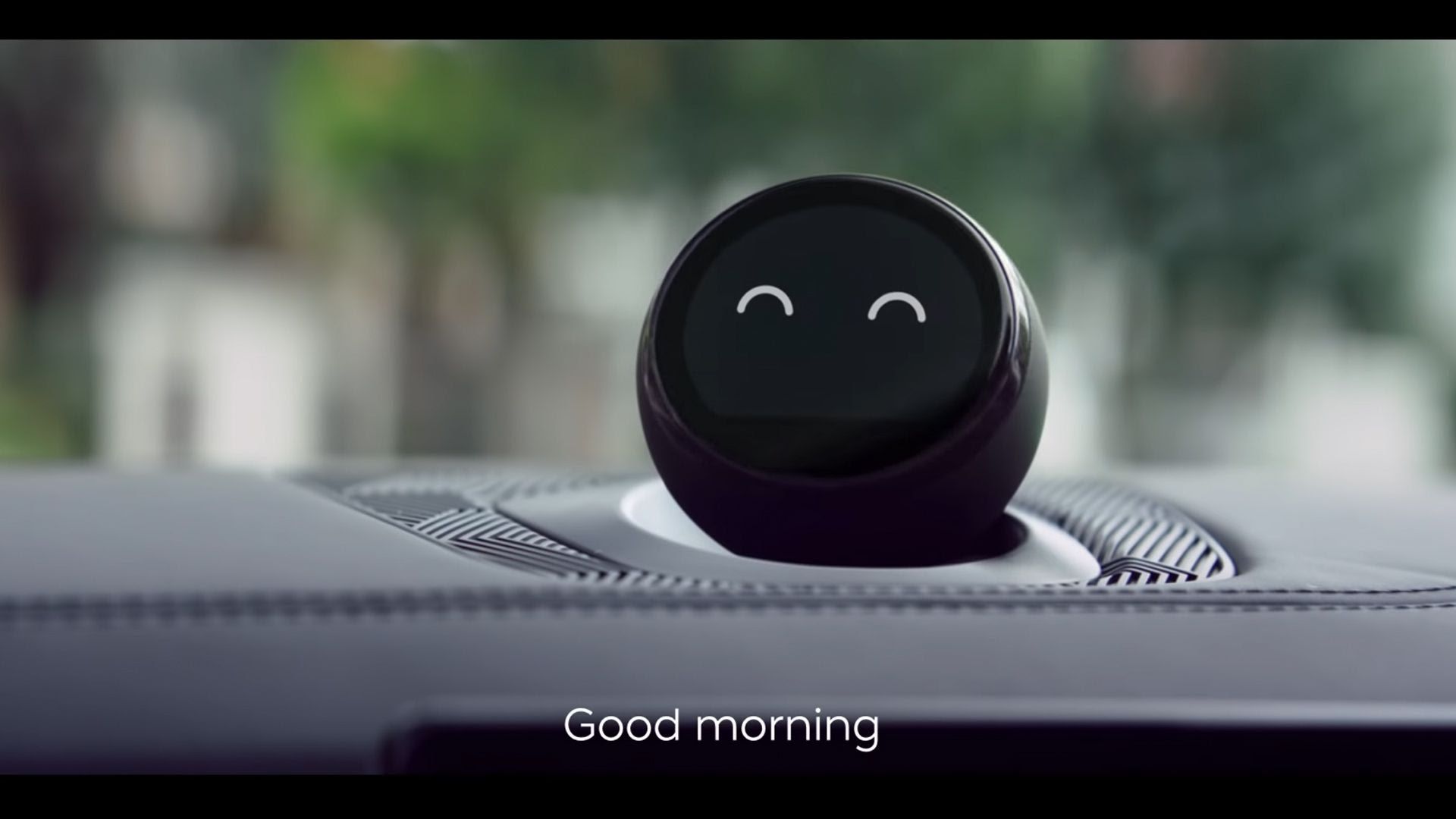
Some people like to name their cars (we called our old minivan "Chad" and my daughter's sedan is named "Trudy"). With the help of digital voice assistants, cars now are starting to take on their own personalities.
Why it matters: Using voice commands, rather than a touchscreen, can make cars safer by helping drivers keep their eyes on the road and hands on the wheel. But most early voice technologies have been disappointing or downright frustrating to use while driving.
The FCC voted unanimously Friday to approve a ban prohibiting companies from using federal telecom subsidies to purchase equipment from Chinese firms Huawei and ZTE, deeming them national security threats.
Why it matters: The FCC's ban comes amid rising tensions with Huawei in the global race to 5G deployment and trade negotiations with China.
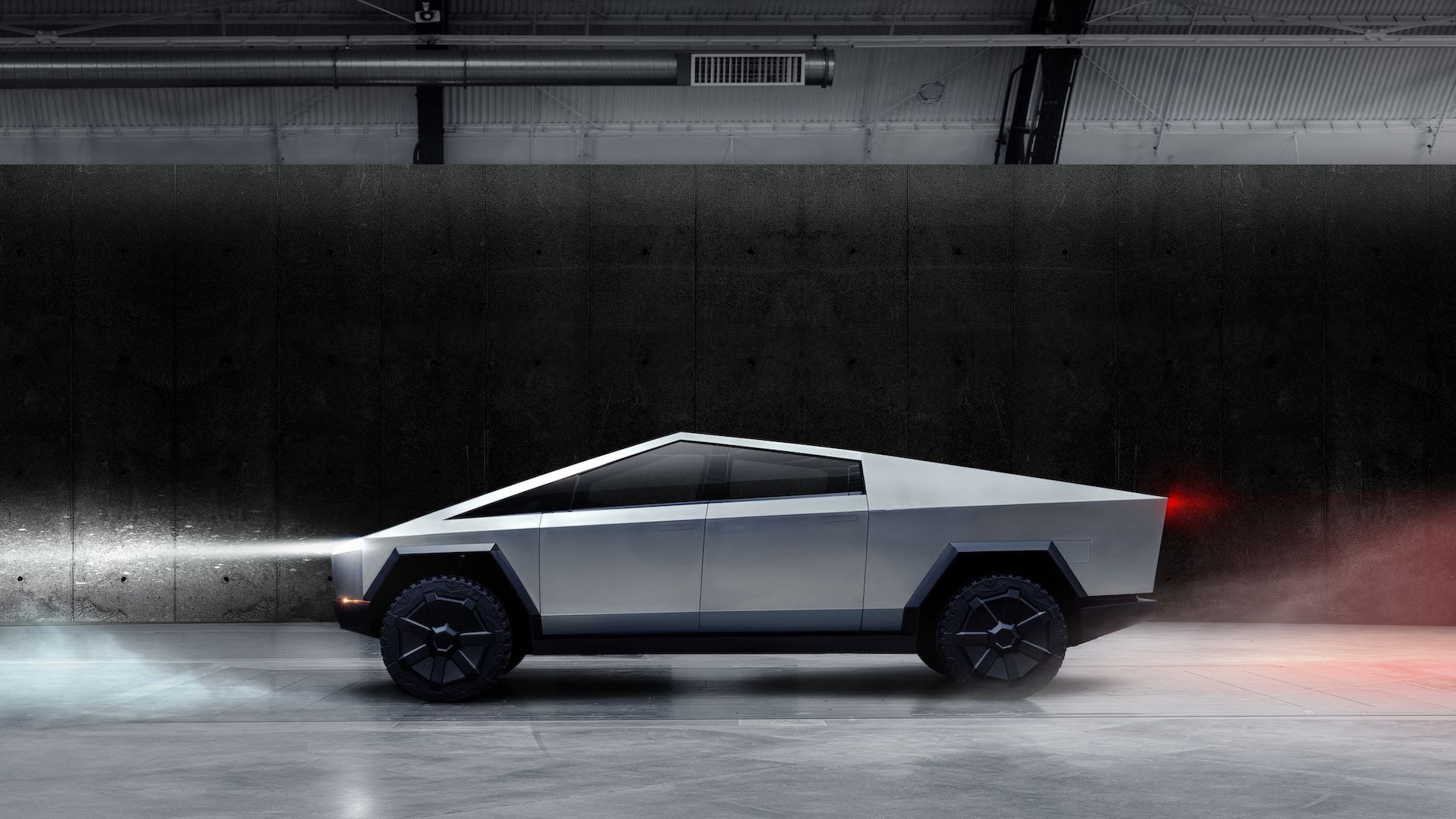
Tesla unveiled its futuristic "Cybertruck" at an L.A. event on Thursday that was heavy on light shows, yet analysts remain in the dark about the future of electric pickups — and Tesla's role in it.
Why it matters: The event was the splashiest sign yesterday that automakers are moving closer to bringing electric models to the huge pickup market.
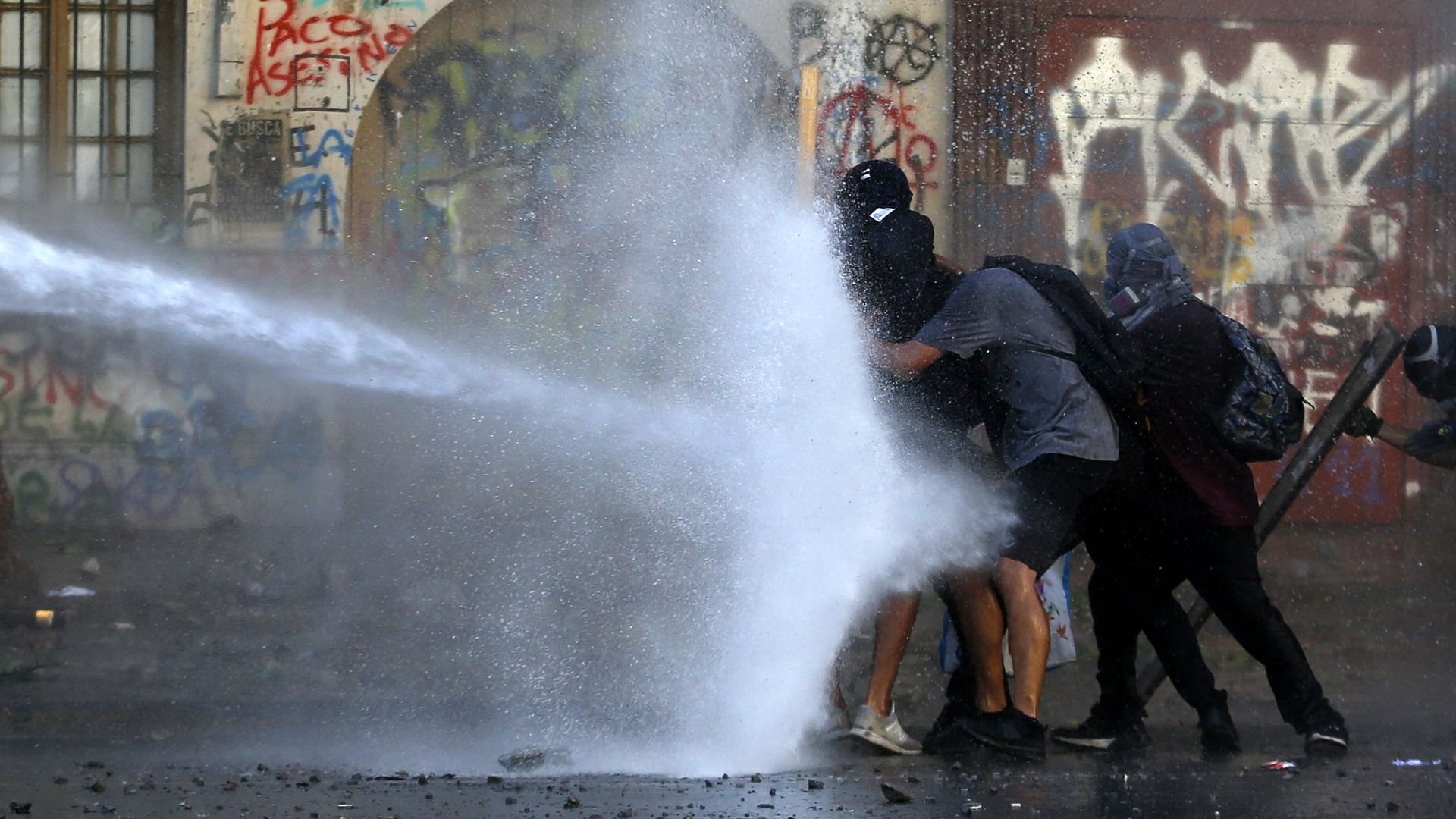
Venezuela, Brazil, and more recently Ecuador, Bolivia and Chile have been in the news because of violent protests and uprisings.
The big picture: One thing's for sure — it's not because of any one political system. Venezuela has had a quasi-communist regime for almost 20 years, Chile has had a totally different pro-market approach, while Bolivia and Ecuador have had their own peculiar mixes of socialism and capitalism. But each society has gone through similar social crises in recent months.