Google announced Wednesday it is making changes to its political ads policy to restrict audience targeting for verified political advertisers globally. It's also expanding the scope of its U.S. political ads policy and clarifying its existing rules on misleading content and political ads.
Why it matters: The announcement comes a few weeks after Twitter announced it would be banning political ads. Facebook VP of Marketing Solutions Carolyn Everson told Axios Monday that the company is still considering changes to its ads policy and nothing, including changes to ads targeting, is off the table.
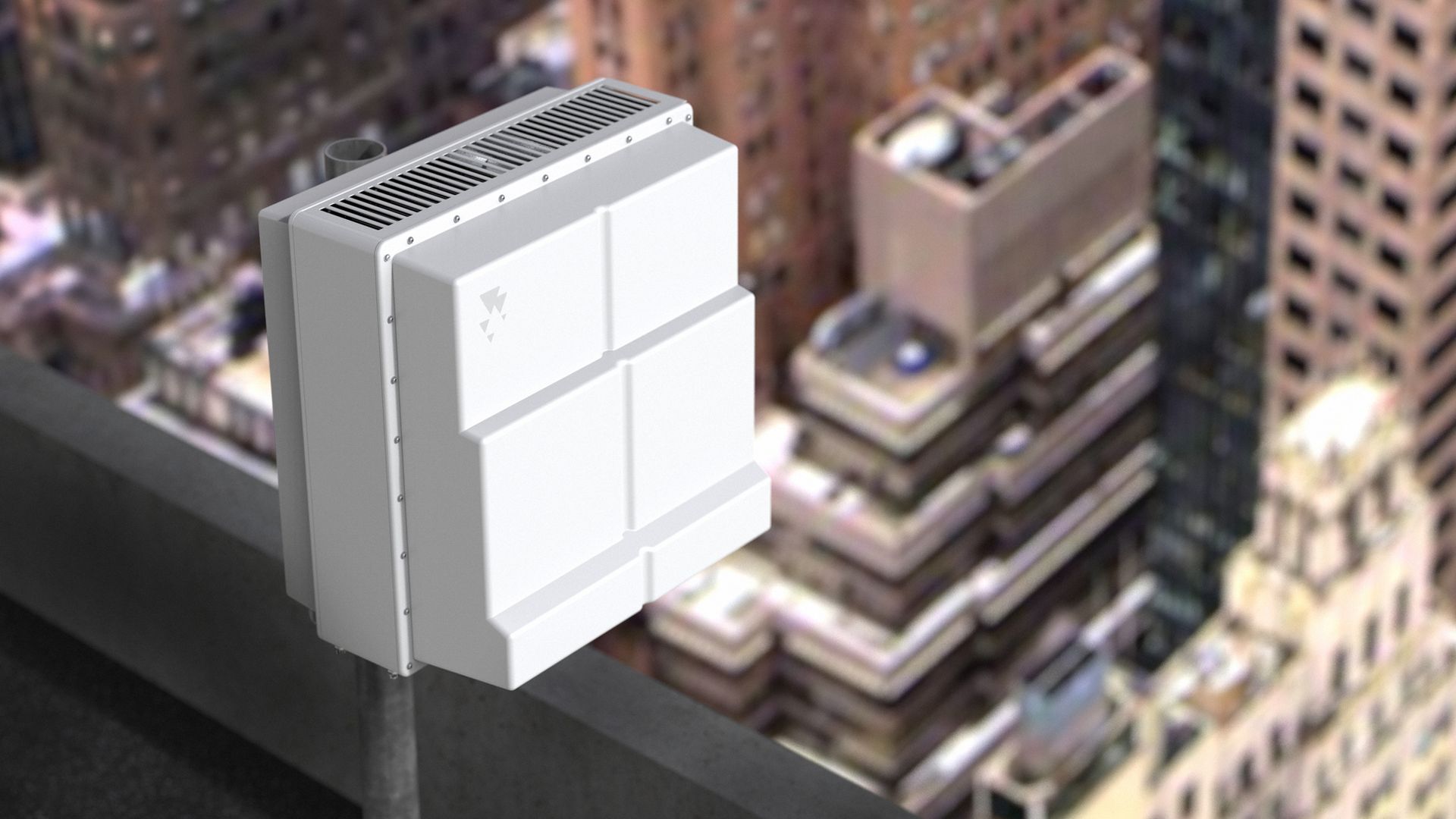
Upstart internet provider Starry is trying to help small- and medium-sized cities accelerate investment in high-speed internet.
Why it matters: When it comes to fast, reliable broadband, installing fiber in the ground is the gold standard.
But fiber is too expensive for a lot of towns. Starry and others are offering "fixed wireless" service as an alternative that is cheaper and faster to deploy. It's also a potential competitor to incumbent broadband providers.
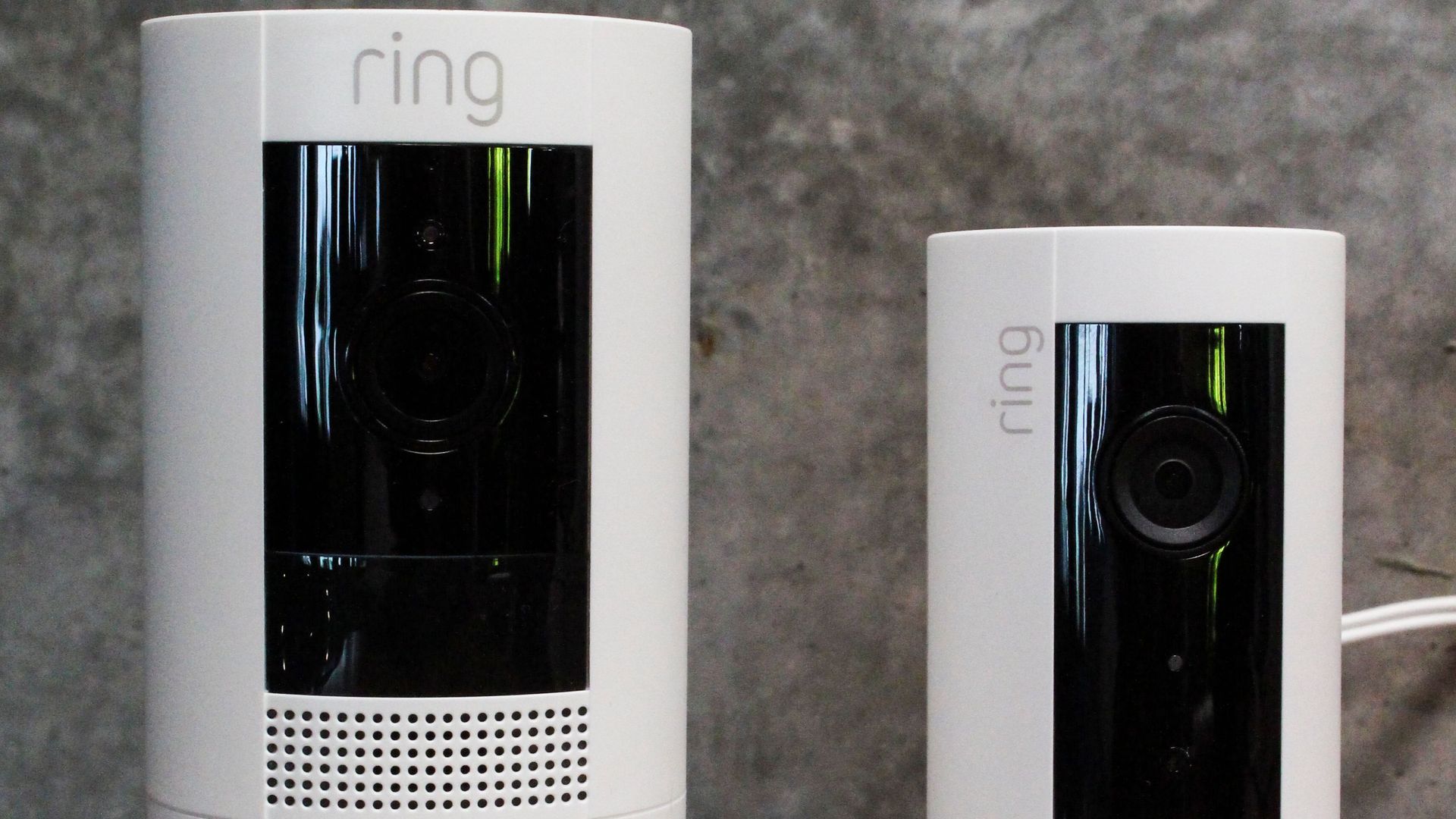
In separate responses to congressional inquiries released Tuesday, Amazon disclosed the breadth of its Ring subsidiary's partnerships with local police departments, and admitted that it used sales data from third-party products to help decide which products to start selling under its own name.
Why it matters: Both disclosures will give fresh ammunition to the company's critics.
While robots upend blue-collar factory work and trucking in the middle of the country, AI and machine learning are poised to deeply alter white-collar jobs in superstar coastal cities.
Why it matters: No one is immune to the shockwave of automation in the workplace.
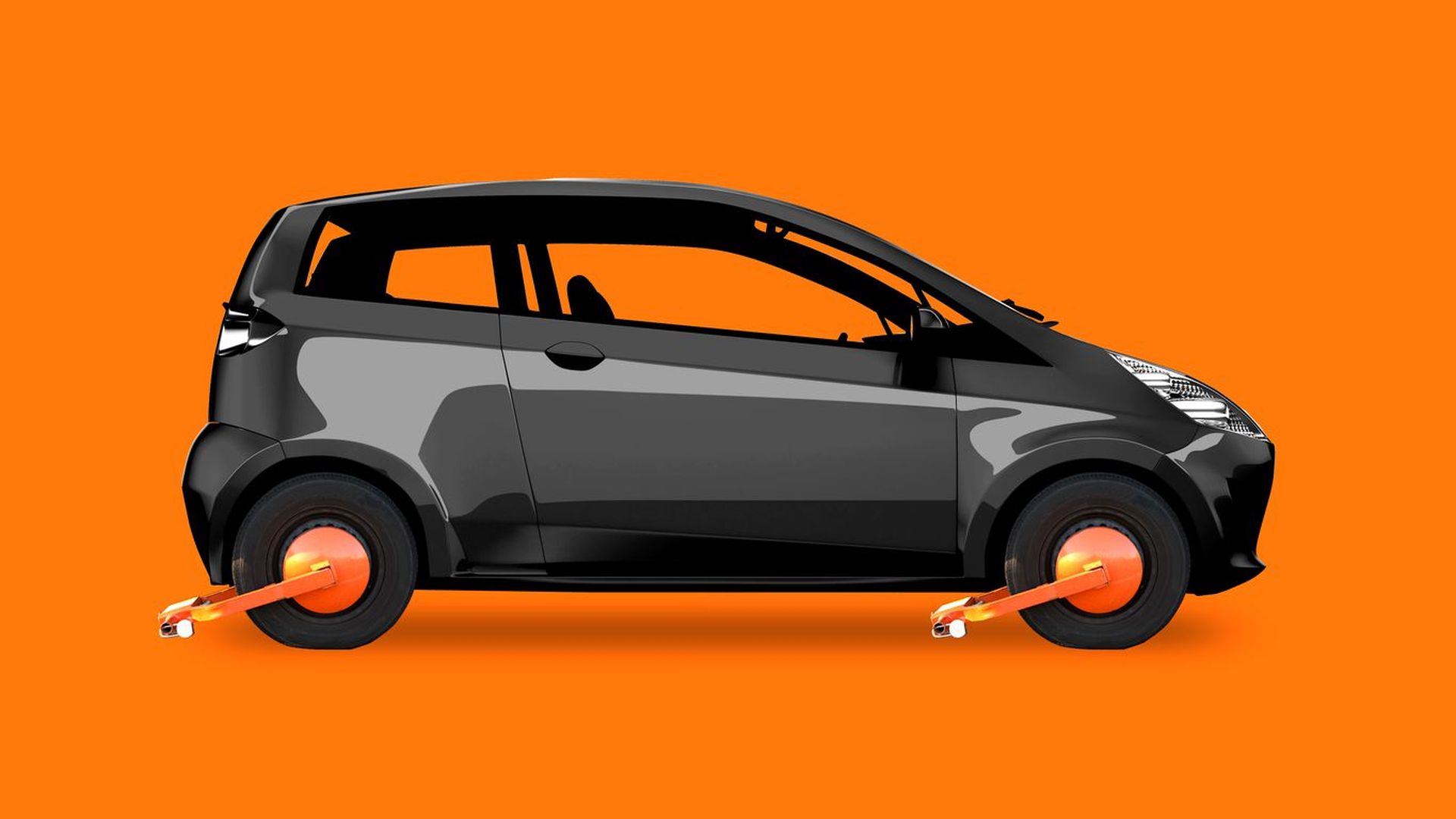
The U.S. National Transportation Safety Board (NTSB) will recommend mandatory safety assessments for all self-driving cars before they can be tested on public roads, Reuters reports.
Why it matters: The NTSB on Tuesday said it intends to pinpoint the need for “safety risk management requirements for testing automated vehicles on public roads,” leading to the broader question of how autonomous vehicles are tested and how the U.S. government oversees that process.
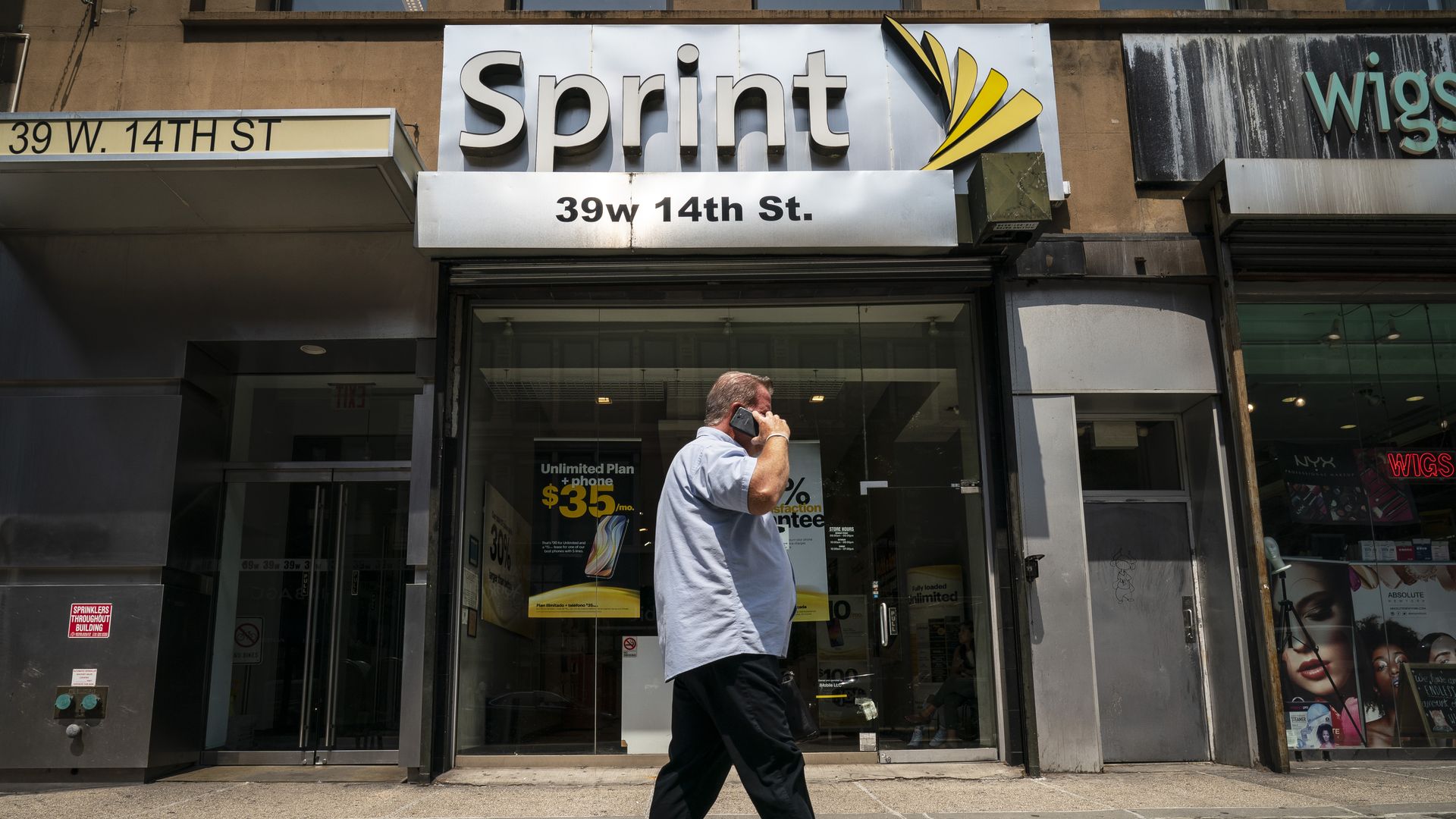
Boost Mobile founder Peter Adderton said he wants to buy back the company, which Sprint is selling per an agreement to secure regulatory approval of its merger with T-Mobile US.
Why it matters: Adderton says he's willing to pay up to $2 billion for Boost, a rich premium to the $1.4 billion that Sprint agreed to sell its entire prepaid wireless unit for to Dish Network. No word yet on how he'd finance such a bid.