The U.S. National Transportation Safety Board (NTSB) will recommend mandatory safety assessments for all self-driving cars before they can be tested on public roads, Reuters reports.
Why it matters: The NTSB on Tuesday said it intends to pinpoint the need for “safety risk management requirements for testing automated vehicles on public roads,” leading to the broader question of how autonomous vehicles are tested and how the U.S. government oversees that process.
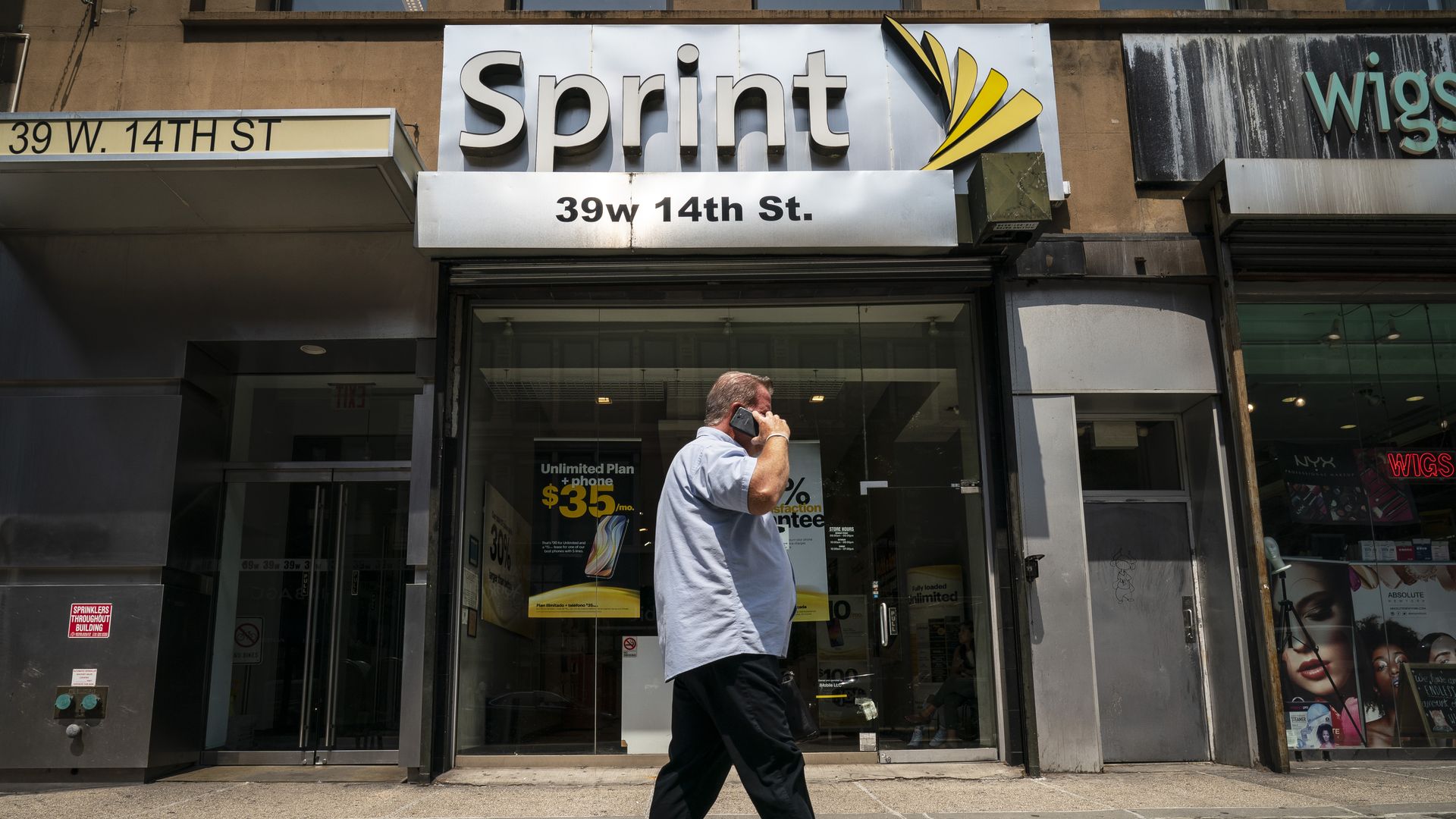
Boost Mobile founder Peter Adderton said he wants to buy back the company, which Sprint is selling per an agreement to secure regulatory approval of its merger with T-Mobile US.
Why it matters: Adderton says he's willing to pay up to $2 billion for Boost, a rich premium to the $1.4 billion that Sprint agreed to sell its entire prepaid wireless unit for to Dish Network. No word yet on how he'd finance such a bid.
Juno, an upstart ride-hailing company in New York City, is shutting down as part of a new partnership between parent company Gett and Lyft. Gett's corporate customers will now be able to book rides via Lyft in the U.S., and some Belarus-based employees are joining Lyft, the latter tells Axios.
Why it matters: When Juno burst onto the scene in 2016, ride-hailing drivers were attracted to its promise of a better job, including potentially providing company equity someday. But that promise unraveled when Juno sold to Gett the following year and admitted there was no legal way to do so.
Editor's note: The story has been updated with details about Gett employees joining Lyft.
Yahoo Japan, which is controlled by SoftBank, agreed to merge with Japanese messaging app operator Line Corp., which is controlled by Naver Corp. The combined company would be worth around $30 billion.
Why it matters: This will create Japan's largest internet services company by revenue and gives it scale to better compete against Chinese rivals in Southeast Asia.
As giant tech firms fight for the attention of their industry, they're putting more money and effort into transforming their conferences into mindshare-grabbing shows.
Why it matters: Tech firms use these events to woo business partners, inspire users, reward loyal developers and attract programming talent. For a wildly profitable industry, they're also becoming a new arena of excess.
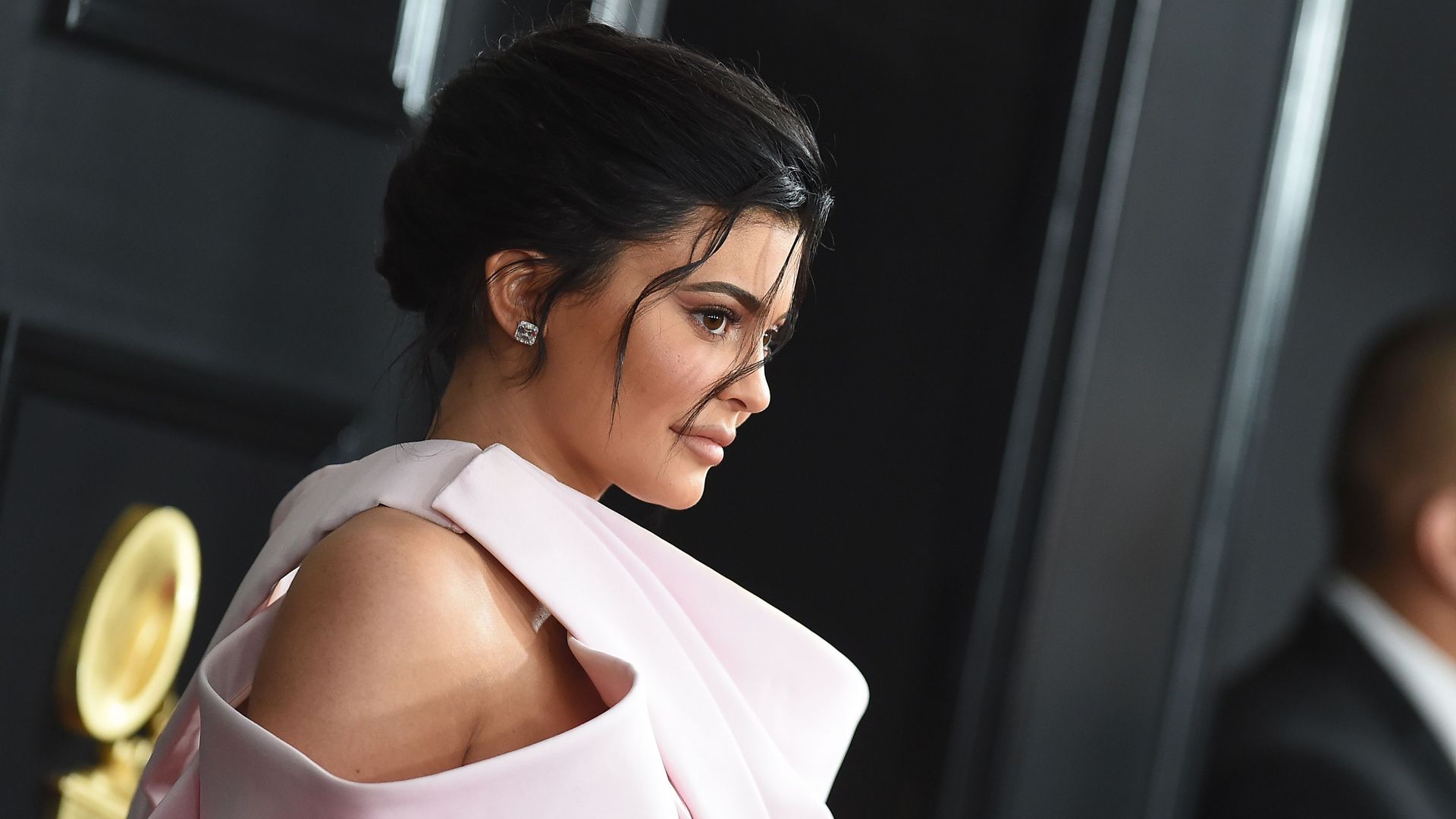
Kylie Jenner announced Monday that she is selling 51% of Kylie Cosmetics for $600 million to Coty Inc., the company that owns CoverGirl and Clairol, per the Wall Street Journal.
Why it matters: Coty valued Kylie Cosmetics at $1.2 billion and is wagering that the celebrity’s personal brand and social media influence can revive its struggling beauty business.
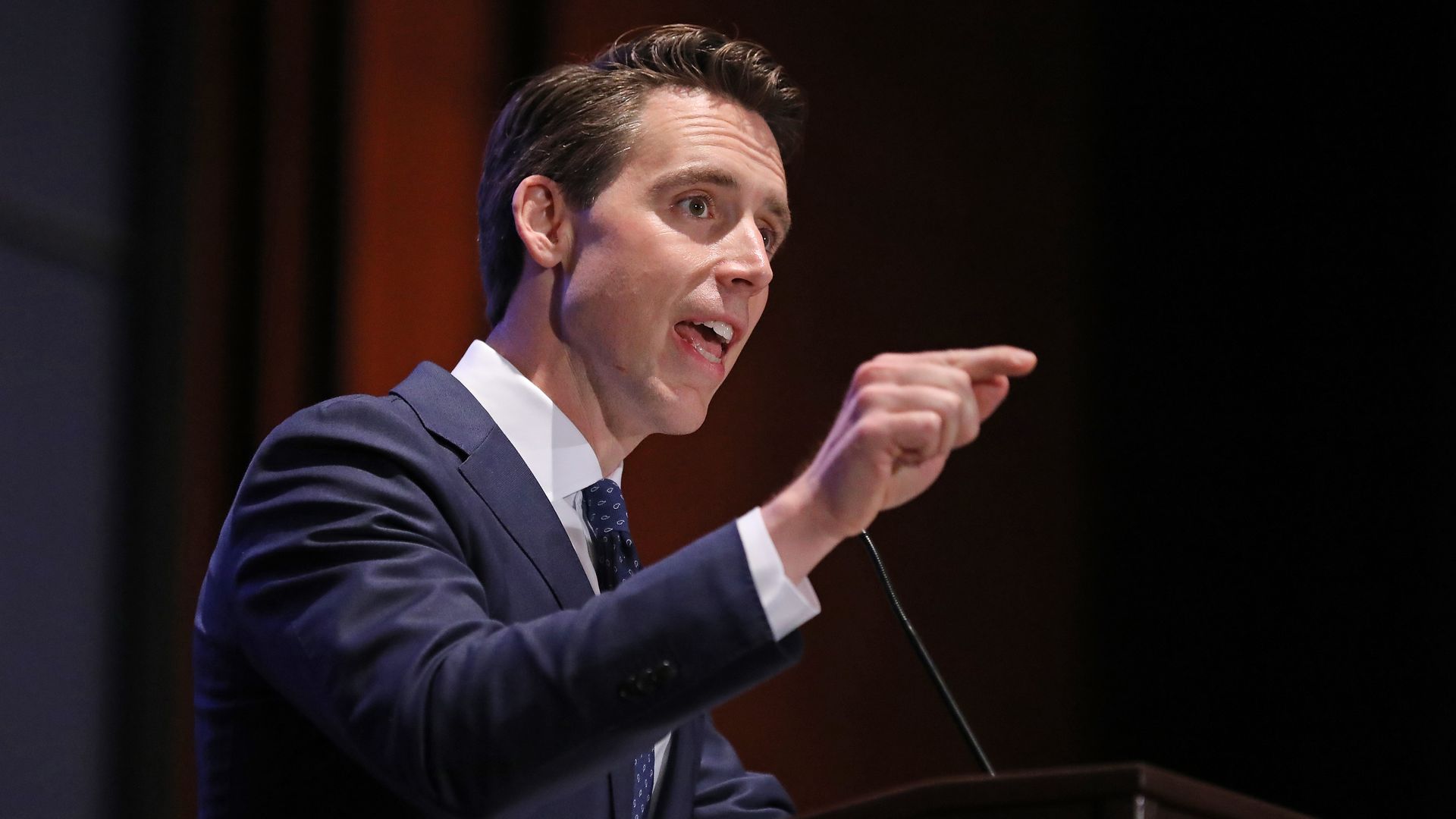
Republican Sen. Josh Hawley, a prominent big tech critic, will introduce legislation Monday meant to protect Americans' online data from flowing to China and other countries that raise national security concerns.
How it works: Hawley's bill takes aim Apple and TikTok by prohibiting American companies from storing user data or encryption keys in China, and preventing Chinese companies from collecting more information on American users than necessary to provide service here.