Facebook has long talked about the social possibilities of virtual reality, even as the core market remains gamers looking to enjoy their own solitary fantasy world.
State of play: On Wednesday, the company offered more details on its long-term plan to transform VR into a social experience.
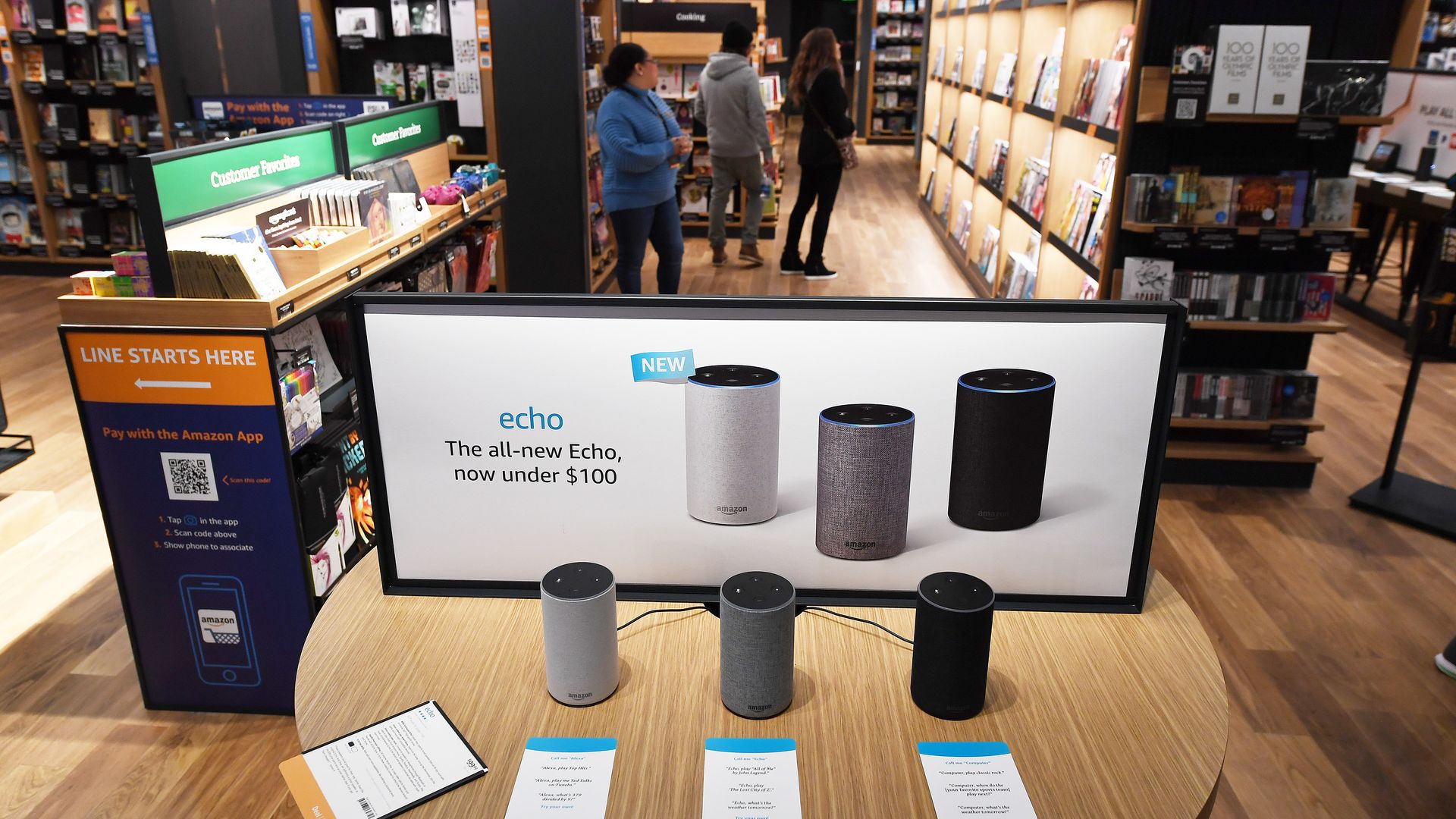
Many of the most important of the dozens of new devices Amazon launched Wednesday have a similar goal: to get people to use Alexa, its voice assistant, outside the house.
Why it matters: Unlike its competitors Apple and Google, Amazon doesn't have its own smartphone platform to use as a home for its voice assistant. As a result, Amazon needs to find other places to put Alexa.
Uber is rolling out several new safety features and upgrades, including the ability to send text messages to 911 dispatches from within the Uber app, and an option for riders to receive a unique PIN number to verify their driver's identity.
Yes, but: The news comes as the company and rival Lyft continue to face criticism over the safety of their services and how they handle complaints.
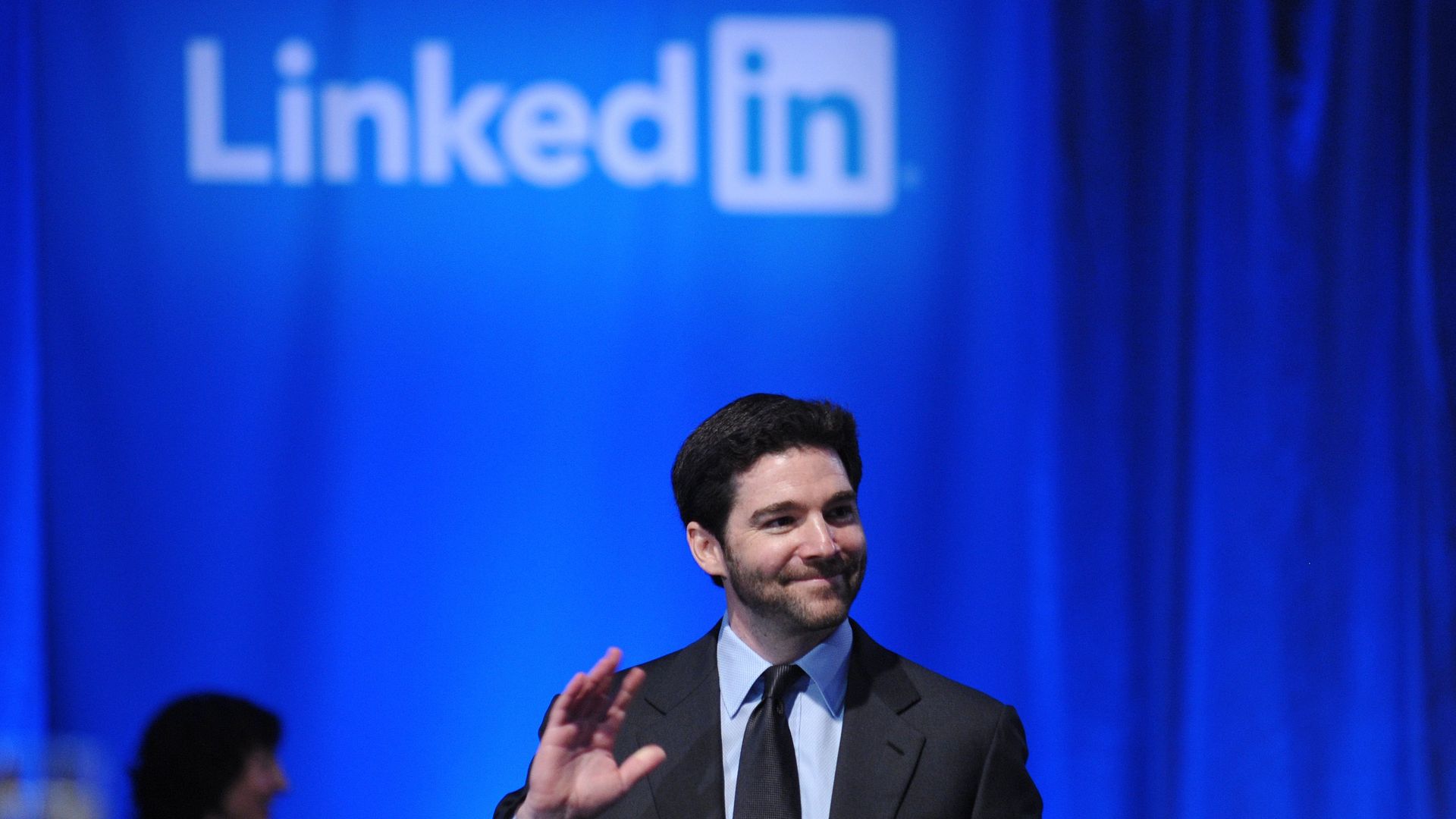
LinkedIn CEO Jeff Weiner will announce a new effort Thursday to close what he calls the “network gap” — the advantage some people have based on who they know, company executives tell Axios.
Why it matters: By organizing its users to broaden their personal networks beyond traditional connections, LinkedIn is trying to strike a blow against social inequality.
A coalition of tech companies and trade groups is urging Congress not to pass legislation that would ban government use of facial recognition.
Why it matters: As of now there are no national rules on how governments can or can't use face recognition. Consumer groups have been calling for such a ban, while Microsoft and Amazon have encouraged Congress to regulate, but not ban, government use of the technology.
The U.S. has the upper hand in pivotal emerging technologies like artificial intelligence and quantum computing, in part because American universities and companies boast world-class talent. But experts say its dominance could soon slip.
Why it matters: The country that reigns in AI, 5G or quantum cryptography will likely have a huge military and economic advantage over its adversaries for years to come and will get to shape the technologies as they are implemented the world over.
Amazon unveiled a slew of new Alexa-powered devices Wednesday, updating its smart display and smart speaker lines and adding earbuds and other new products to the lineup.
Why it matters: Getting Alexa in more places is a key to the company's broader strategy, and competition from Google and others is increasing.
Hyundai Motor Group and Aptiv are forming a $4 billion joint venture to produce self-driving technology, the latest in a string of alliances between automakers and AV tech companies.
The big picture: Developing self-driving cars is more difficult than many companies expected. Faced with a slowing global economy and mounting regulatory pressures, many players are teaming up to share the technology and financial burdens of AVs.
Ford is bringing self-driving cars to Austin, Texas — its third launch city — but says it'll take at least 2 years to figure out how they'll be used and how to make money from them.
The big picture: Ford and its technology partner, Argo AI, are taking a different tack from most other AV companies, which tend to focus on a single launch market.
The uniquely European "right to be forgotten" will be limited to that continent, per a ruling by the European Union's top court on Tuesday.
Driving the news: Google has won a major case in Europe over the EU's "right to be forgotten," meaning the search giant will not be forced to filter search results for Europeans outside of the region.
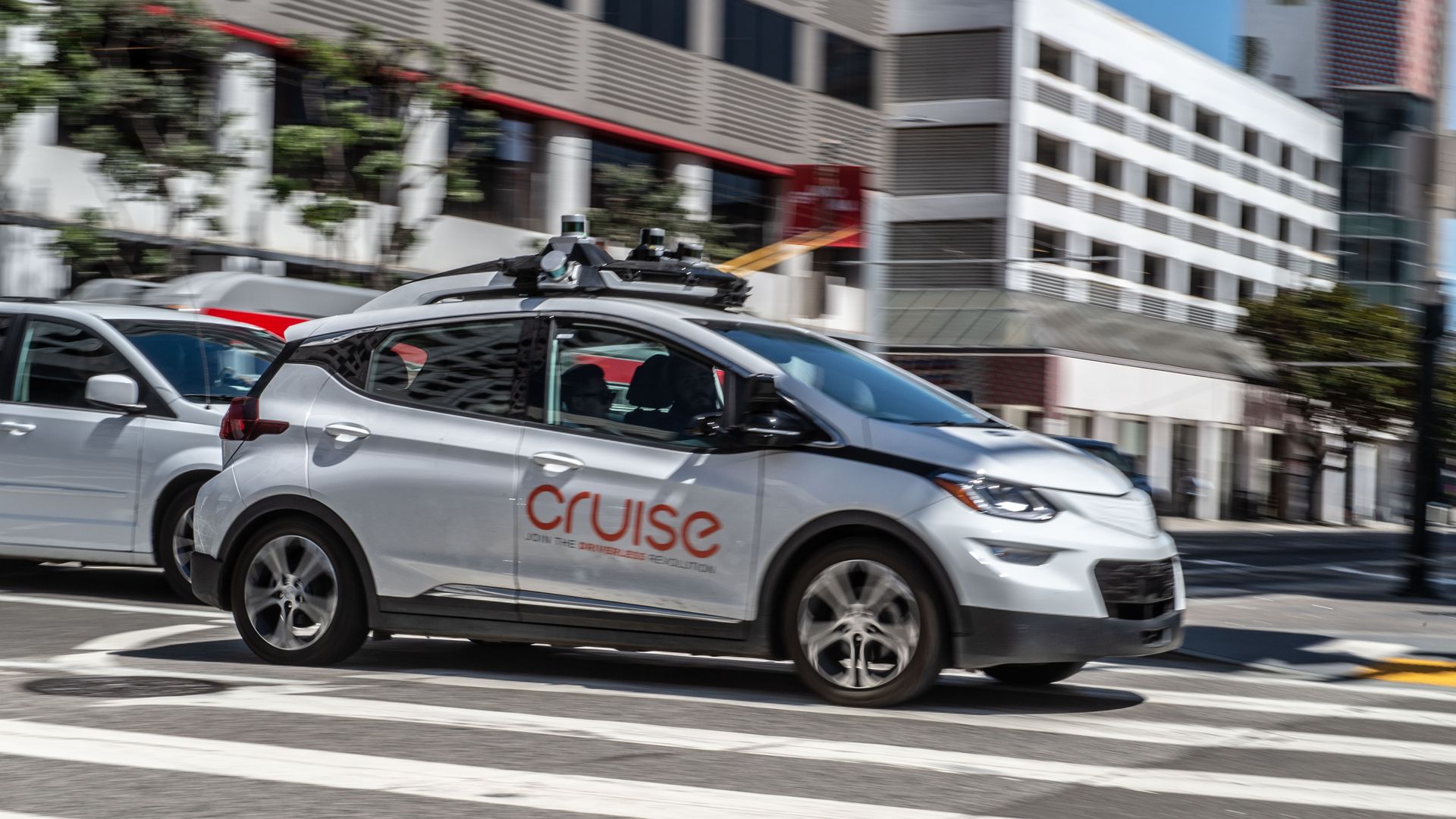
As autonomous vehicle companies plan for commercial robotaxi deployments, they're weighing everything from city layout to weather in selecting launch markets.
Why it matters: Robotaxis will not be available everywhere at the same time. AV companies must choose cities to start with — a critical business decision that will determine which populations are first exposed to this technology and how it further develops.
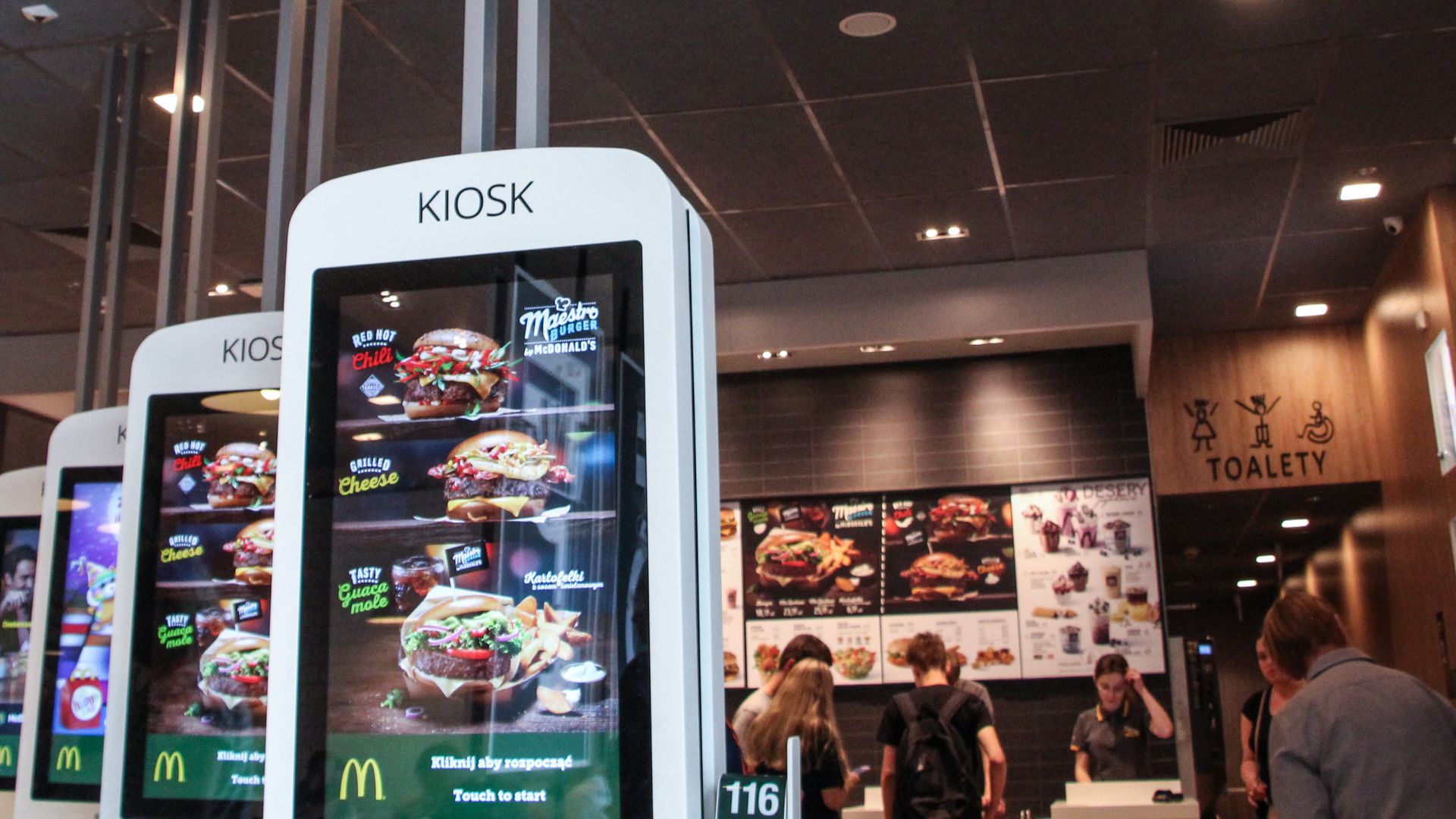
Prospective McDonald's employees can now be directed to start an application via voice commands with Amazon's Alexa or Google Assistant, reports the AP.
Why it matters: The recruiting move helps McDonald's stand out in a U.S. labor market that has an unemployment rate of 3.7%. McDonald's is the first direct employer to use such a technology, which it developed itself.
Amazon is working with a physician practice in Seattle to provide virtual care as well as in-person care at home or the office for certain local employees, CNBC reports.
Between the lines: If this concept sounds familiar, it is. On-site clinics run by employers have been around for decades. Walmart also operates its own clinics.