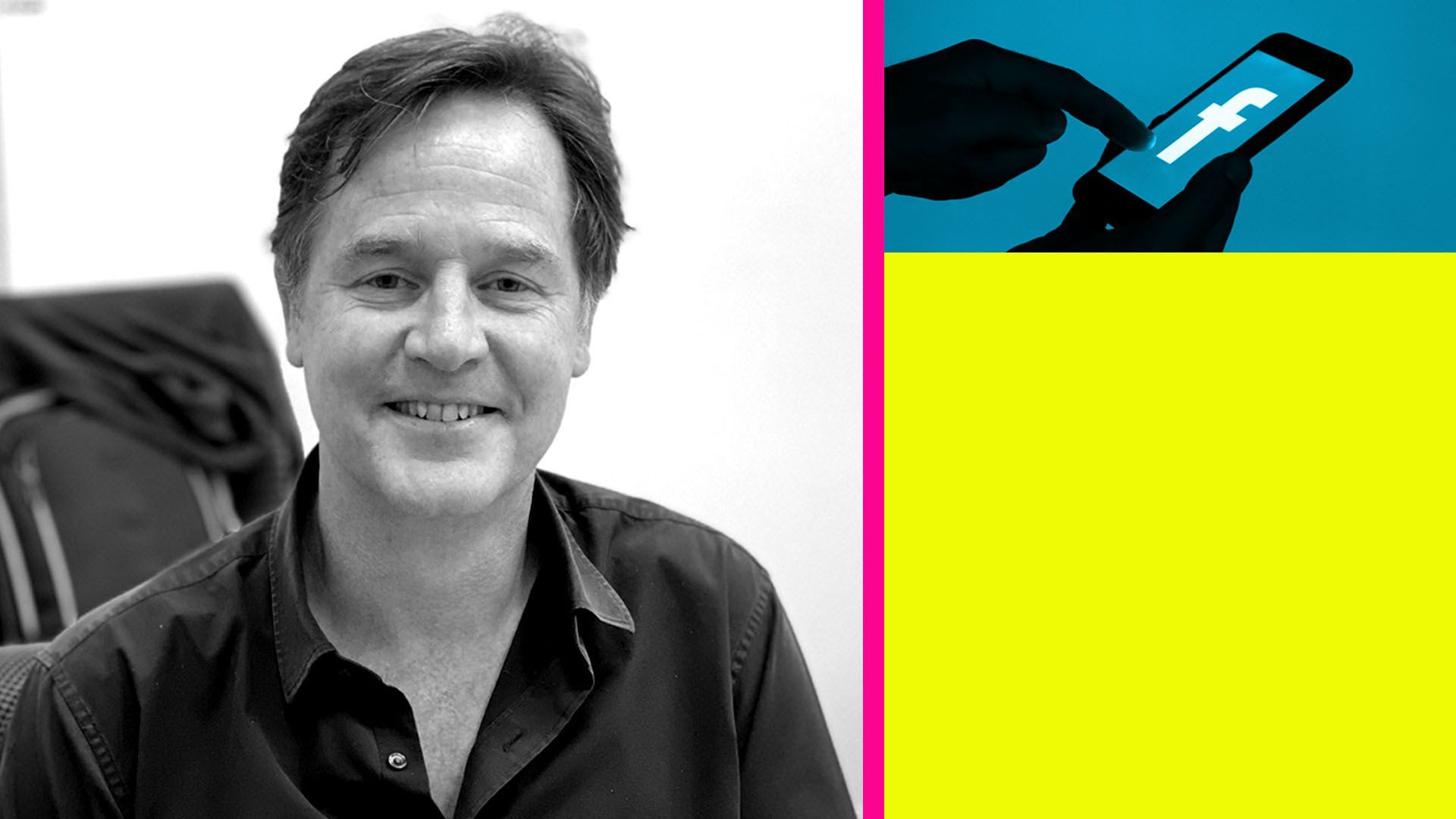
Don't "dismember" Facebook — regulate it better. That's the prescription for a better future for Big Tech from Nick Clegg, the former U.K. deputy prime minister who now heads Facebook's communications and policy efforts.
Driving the news: Clegg sat down with Axios for an hour-long interview last week at Facebook HQ in Menlo Park, ahead of his appearance later today at the Atlantic Festival in Washington, D.C.
Google has won a major case in Europe over the EU's "right to be forgotten," meaning the search giant will not be forced to filter search results for Europeans outside of the region.
Why it matters: The decision is considered a major win for free-speech activists, who worried that if one region could dictate Google's results for others, everyone would start doing it — so, for example, China could potentially dictate search results for users in the U.S.
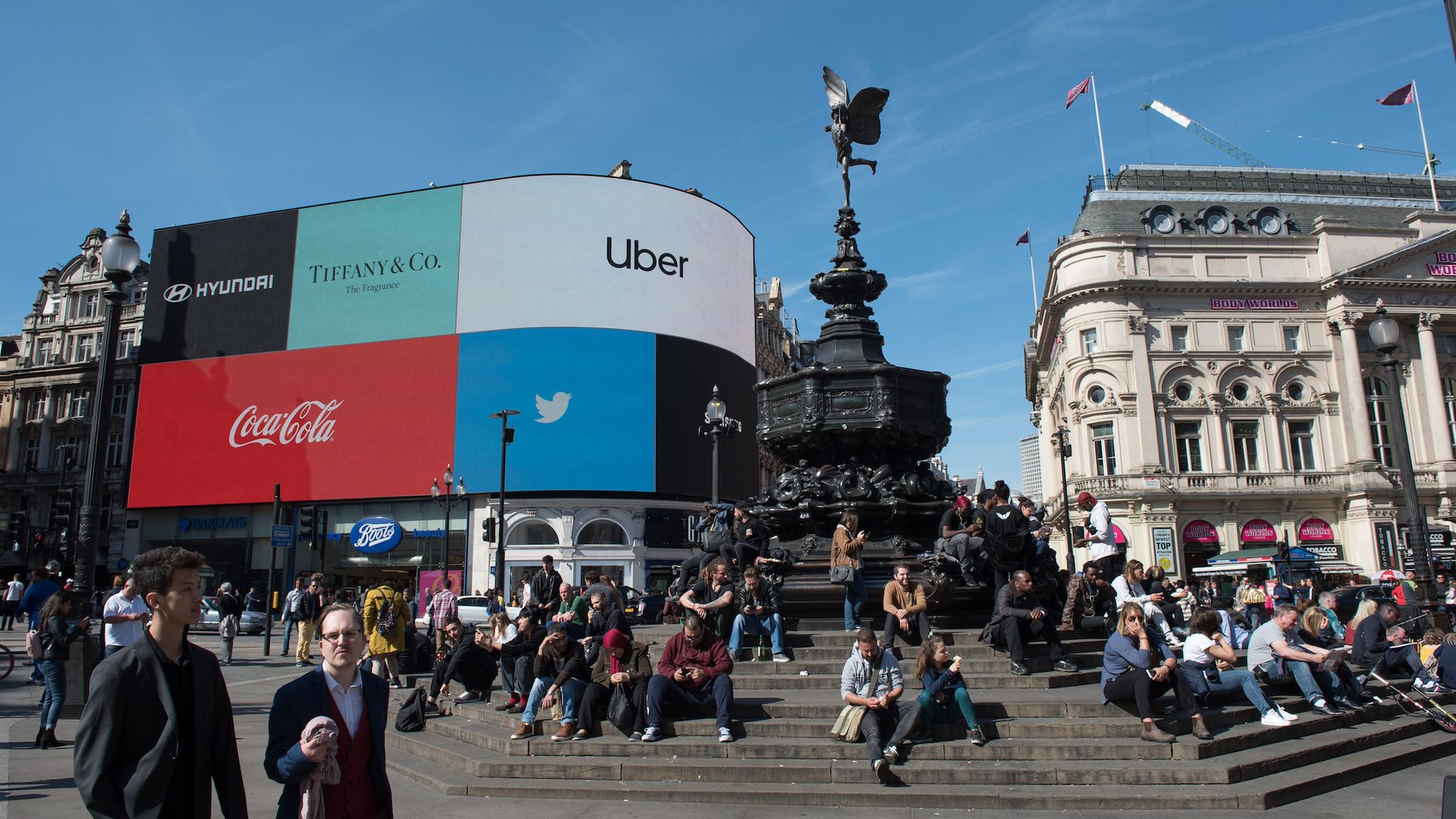
Bruce Mehlman, Republican lobbyist for the bipartisan government relations firm Mehlman Castagnetti Rosen & Thomas, wrote in a memo to clients that what we're in isn't a broad "techlash," but instead the targeting of "a few specific dominant players ... and significant platforms (Uber/Lyft, Airbnb, Twitter)."
Why it matters: Mehlman writes that traditional old guard tech companies like Microsoft and other computer companies are not under the gun and actually enjoy a positive image among Americans.
London's transportation regulator has granted Uber only a 2-month license to operate in the city, stating that it wants more information from the company as it considers a longer permit.
Why it matters: A court granted the ride-hailing company a 15-month probationary license in 2018 after Transport for London (TfL) declined to renew its permanent permit the year before.
Smaller competitors to Google and Facebook that for years kept their legal grievances about the companies silent are beginning to speak up, as regulators crank up probes into anti-competitive behavior by the two Silicon Valley giants.
Why it matters: Many smaller tech companies once hesitated to call foul on Facebook and Google's dominance, fearful that doing so would make them look weak or unable to compete. Now that regulators are reaching out for information, more smaller rivals are stepping up.
Facebook announced Monday that it will buy CTRL-Labs, a startup developing an arm-worn device that reads brain signals. The companies did not disclose the deal's price tag, but reports range from upwards of $500 million to as much as $1 billion.
Why it matters: Facebook has been developing its own brain–machine interface for several years, but this is a major acquisition that could propel its technology quickly forward — and in a way that's potentially less invasive of users' privacy.
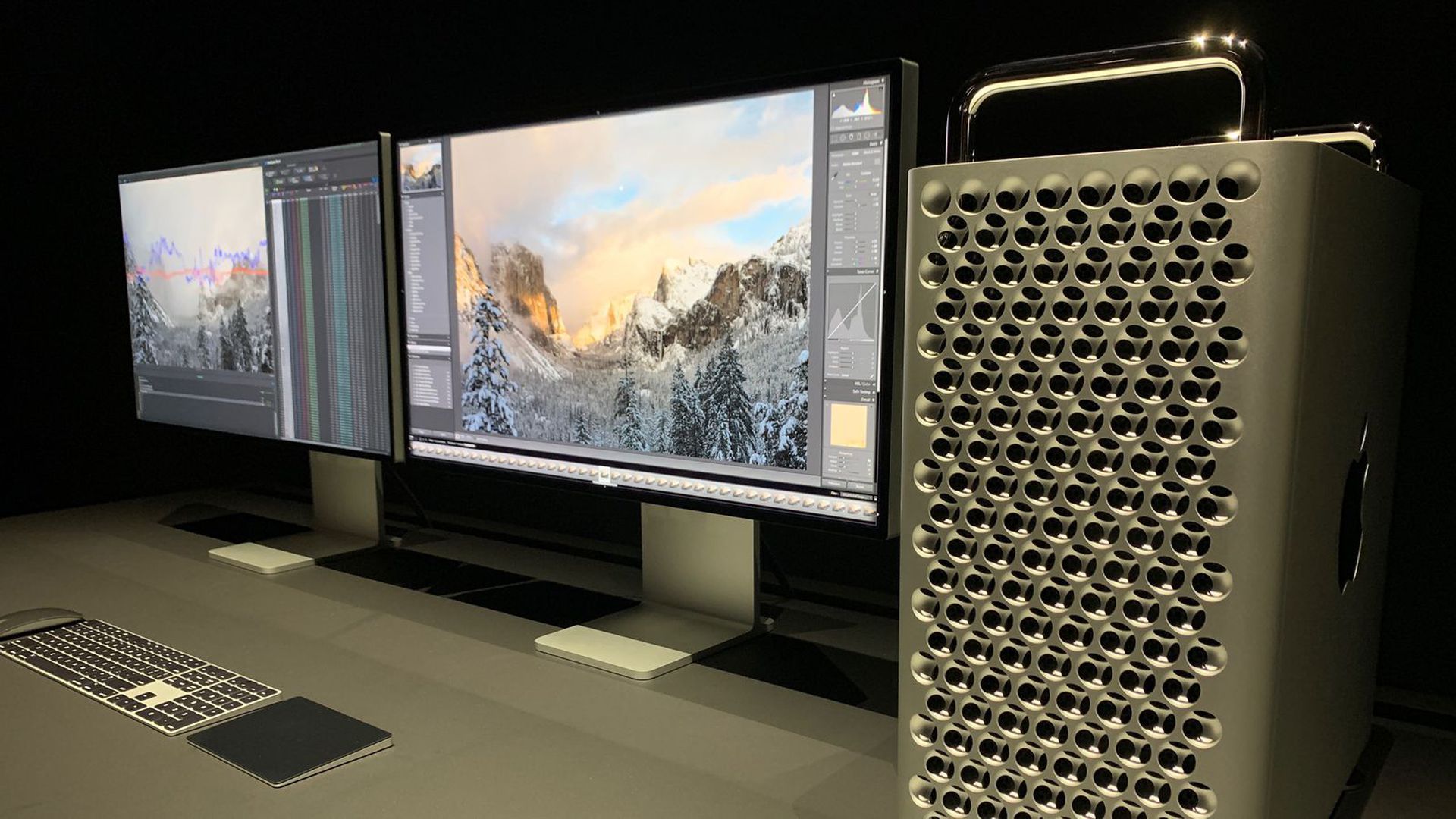
Apple confirmed on Monday its plan to continue doing the final assembly of its high-end Mac Pro desktop computers in Texas.
Why it matters: The Mac Pro is the only Apple computer to be made in the U.S. This move is part of Apple's efforts to show it is producing what it can domestically, while still relying on China for most manufacturing (along with most other tech companies).
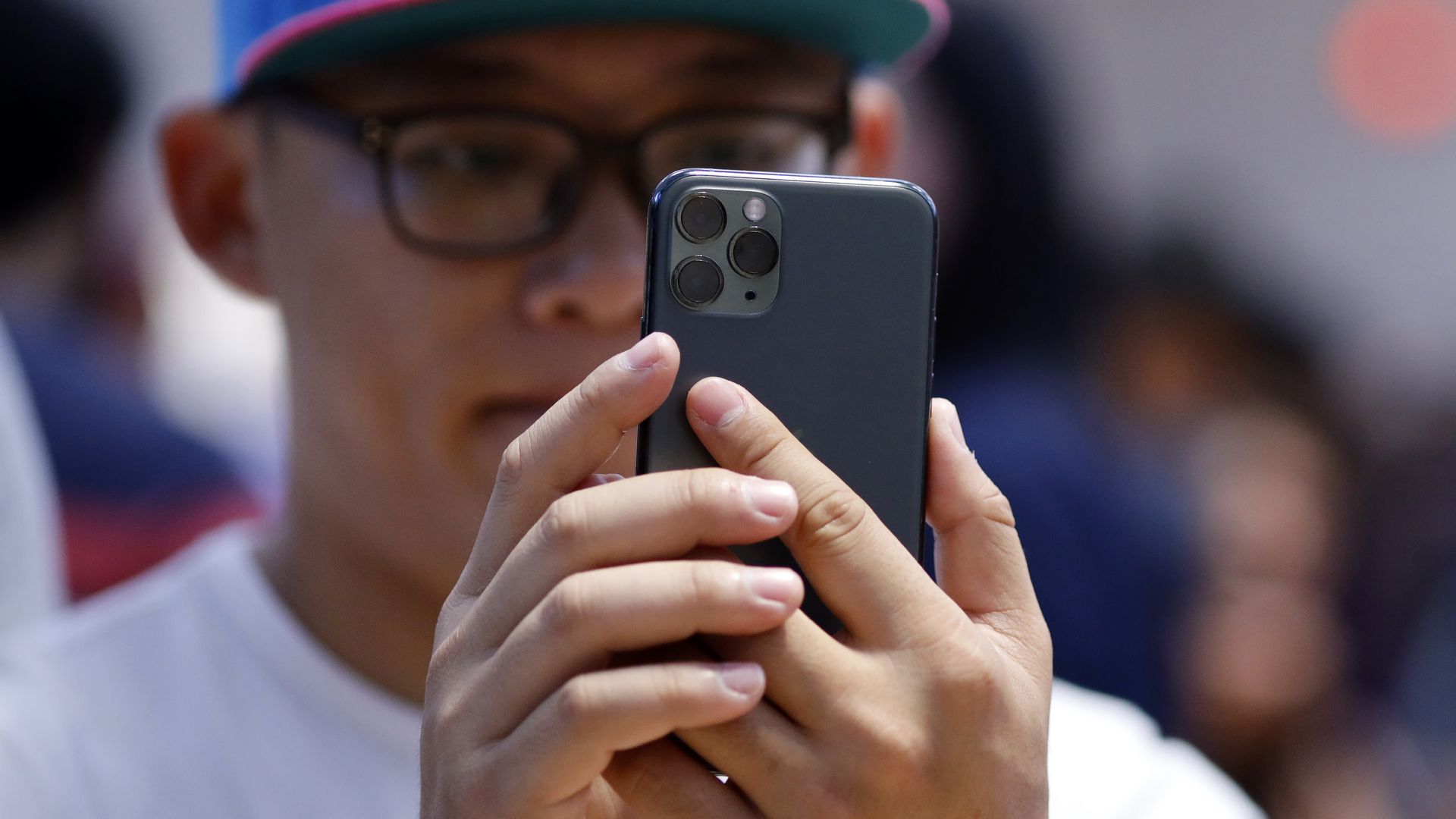
For all the criticism that there isn't a whole lot new in this year's iPhones, Apple does seem to be scoring points for the areas it did focus on, namely the cameras and battery life. Add one more to the list of things it appears Apple got right: durability.
Why it matters: The price tag of high-end phones has climbed to $1,000 and up; even with insurance, a cracked screen can still be a costly slip-up.
Netflix could face trouble if its international growth hits a wall, analysts from Evercore ISI said in a note Friday.
Where it stands: International downloads of the Netflix app have been slowing since July. The app’s international downloads in the Apple App Store and Google Play Store this month have grown about 5% from the same period last year, compared to 21% growth in July and August.