The U.S. has the upper hand in pivotal emerging technologies like artificial intelligence and quantum computing, in part because American universities and companies boast world-class talent. But experts say its dominance could soon slip.
Why it matters: The country that reigns in AI, 5G or quantum cryptography will likely have a huge military and economic advantage over its adversaries for years to come and will get to shape the technologies as they are implemented the world over.
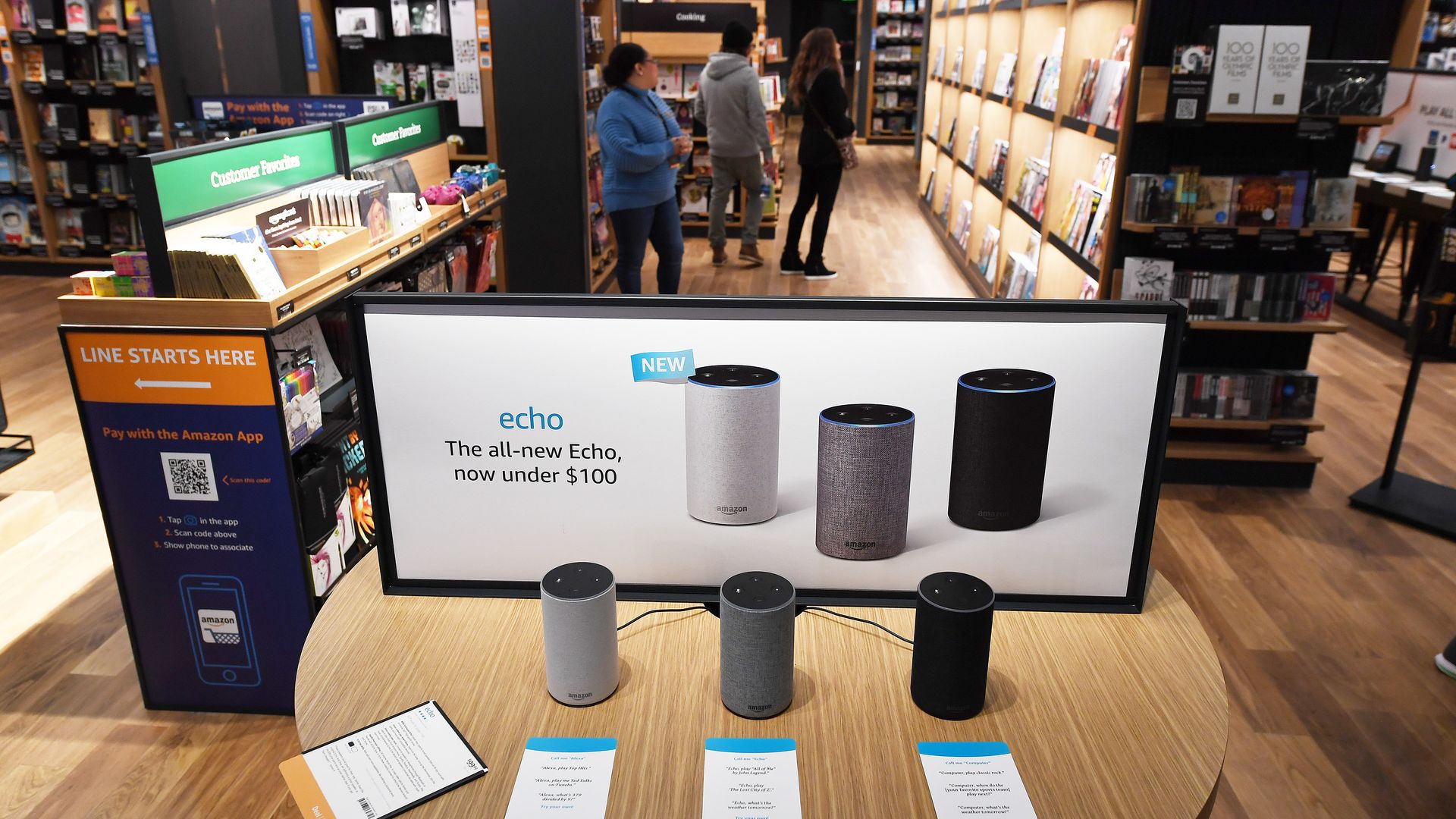
Amazon unveiled a slew of new Alexa-powered devices Wednesday, updating its smart display and smart speaker lines and adding earbuds and other new products to the lineup.
Why it matters: Getting Alexa in more places is a key to the company's broader strategy, and competition from Google and others is increasing.
Hyundai Motor Group and Aptiv are forming a $4 billion joint venture to produce self-driving technology, the latest in a string of alliances between automakers and AV tech companies.
The big picture: Developing self-driving cars is more difficult than many companies expected. Faced with a slowing global economy and mounting regulatory pressures, many players are teaming up to share the technology and financial burdens of AVs.
Ford is bringing self-driving cars to Austin, Texas — its third launch city — but says it'll take at least 2 years to figure out how they'll be used and how to make money from them.
The big picture: Ford and its technology partner, Argo AI, are taking a different tack from most other AV companies, which tend to focus on a single launch market.
The uniquely European "right to be forgotten" will be limited to that continent, per a ruling by the European Union's top court on Tuesday.
Driving the news: Google has won a major case in Europe over the EU's "right to be forgotten," meaning the search giant will not be forced to filter search results for Europeans outside of the region.
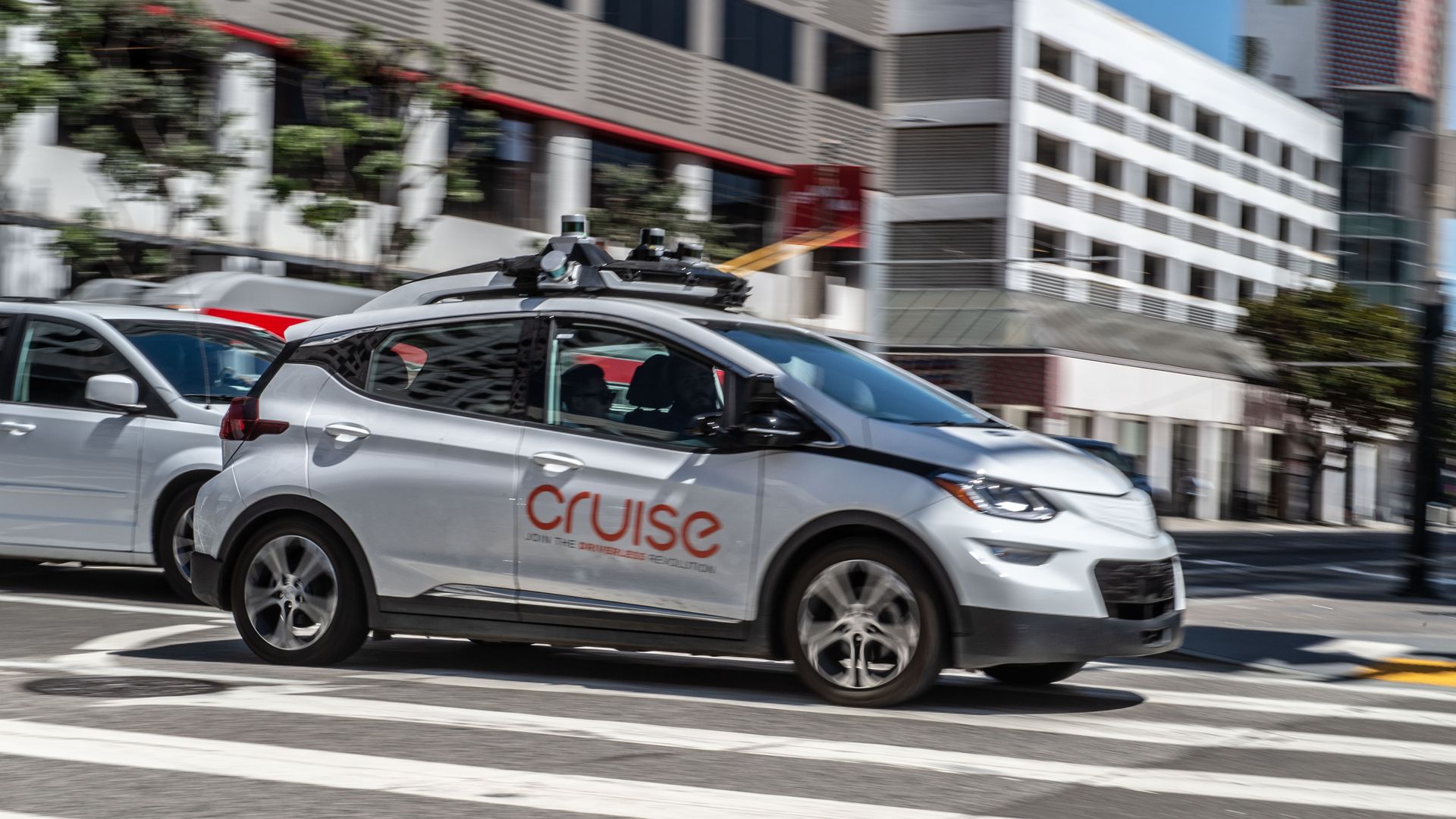
As autonomous vehicle companies plan for commercial robotaxi deployments, they're weighing everything from city layout to weather in selecting launch markets.
Why it matters: Robotaxis will not be available everywhere at the same time. AV companies must choose cities to start with — a critical business decision that will determine which populations are first exposed to this technology and how it further develops.
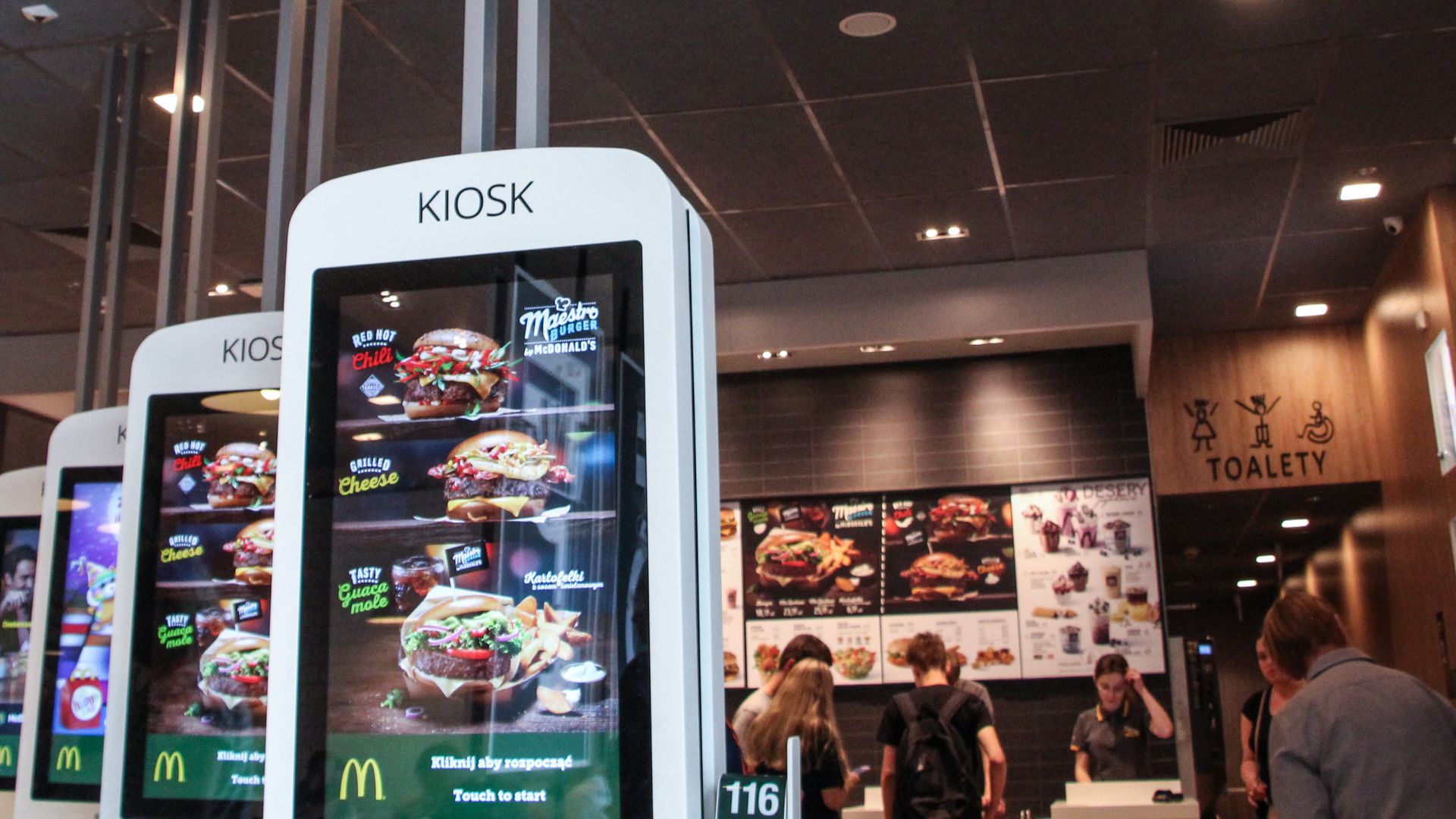
Prospective McDonald's employees can now be directed to start an application via voice commands with Amazon's Alexa or Google Assistant, reports the AP.
Why it matters: The recruiting move helps McDonald's stand out in a U.S. labor market that has an unemployment rate of 3.7%. McDonald's is the first direct employer to use such a technology, which it developed itself.
Amazon is working with a physician practice in Seattle to provide virtual care as well as in-person care at home or the office for certain local employees, CNBC reports.
Between the lines: If this concept sounds familiar, it is. On-site clinics run by employers have been around for decades. Walmart also operates its own clinics.
Don't "dismember" Facebook — regulate it better. That's the prescription for a better future for Big Tech from Nick Clegg, the former U.K. deputy prime minister who now heads Facebook's communications and policy efforts.
Driving the news: Clegg sat down with Axios for an hour-long interview last week at Facebook HQ in Menlo Park, ahead of his appearance later today at the Atlantic Festival in Washington, D.C.
Google has won a major case in Europe over the EU's "right to be forgotten," meaning the search giant will not be forced to filter search results for Europeans outside of the region.
Why it matters: The decision is considered a major win for free-speech activists, who worried that if one region could dictate Google's results for others, everyone would start doing it — so, for example, China could potentially dictate search results for users in the U.S.
Bruce Mehlman, Republican lobbyist for the bipartisan government relations firm Mehlman Castagnetti Rosen & Thomas, wrote in a memo to clients that what we're in isn't a broad "techlash," but instead the targeting of "a few specific dominant players ... and significant platforms (Uber/Lyft, Airbnb, Twitter)."
Why it matters: Mehlman writes that traditional old guard tech companies like Microsoft and other computer companies are not under the gun and actually enjoy a positive image among Americans.
London's transportation regulator has granted Uber only a 2-month license to operate in the city, stating that it wants more information from the company as it considers a longer permit.
Why it matters: A court granted the ride-hailing company a 15-month probationary license in 2018 after Transport for London (TfL) declined to renew its permanent permit the year before.
Smaller competitors to Google and Facebook that for years kept their legal grievances about the companies silent are beginning to speak up, as regulators crank up probes into anti-competitive behavior by the two Silicon Valley giants.
Why it matters: Many smaller tech companies once hesitated to call foul on Facebook and Google's dominance, fearful that doing so would make them look weak or unable to compete. Now that regulators are reaching out for information, more smaller rivals are stepping up.
Facebook announced Monday that it will buy CTRL-Labs, a startup developing an arm-worn device that reads brain signals. The companies did not disclose the deal's price tag, but reports range from upwards of $500 million to as much as $1 billion.
Why it matters: Facebook has been developing its own brain–machine interface for several years, but this is a major acquisition that could propel its technology quickly forward — and in a way that's potentially less invasive of users' privacy.