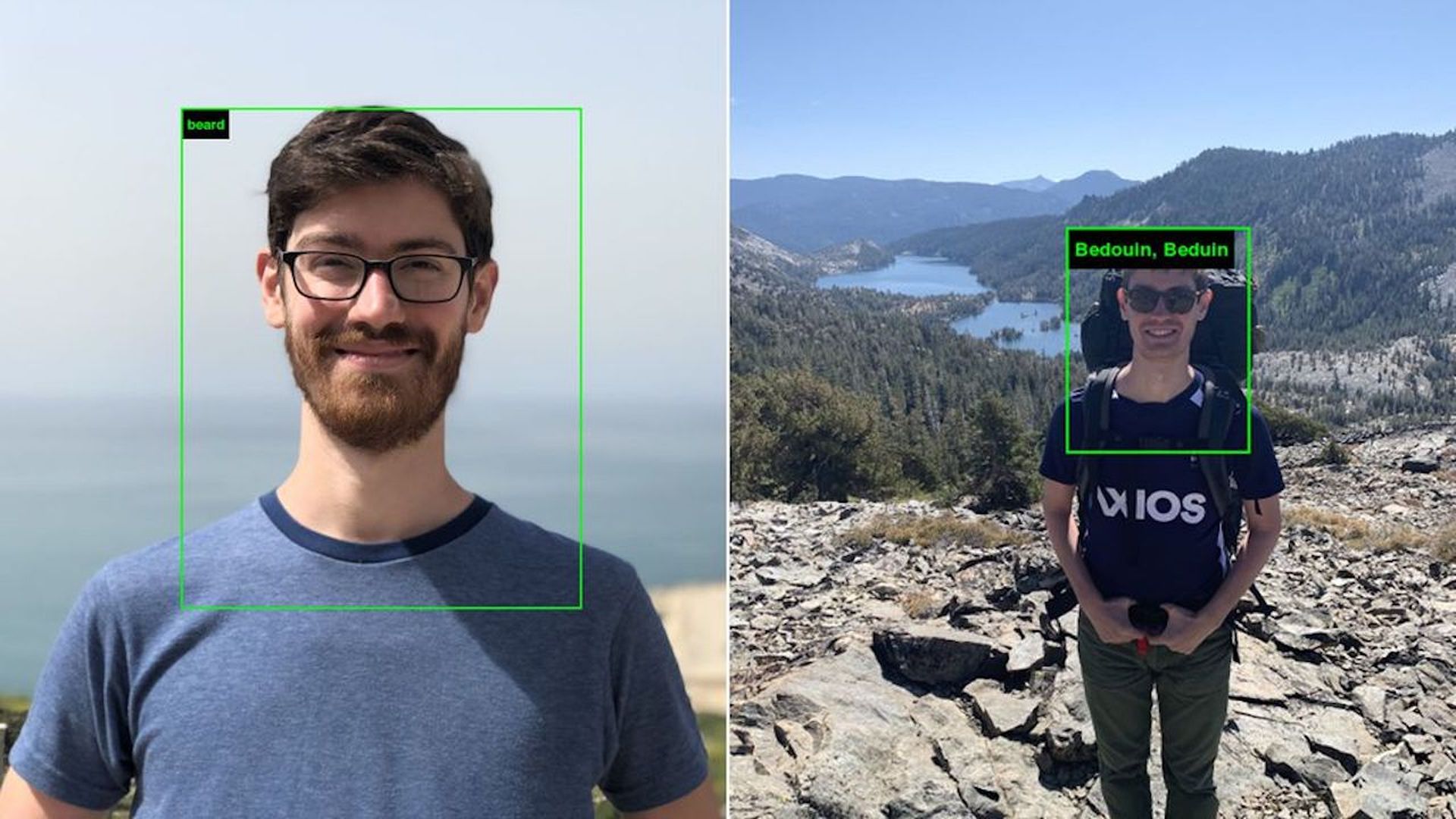
Maybe you've seen images like these floating around social media this week: photos of people with lime-green boxes around their heads and funny, odd or in some cases super-offensive labels applied.
What's happening: They're from an interactive art project about AI image recognition that doubles as a commentary about the social and political baggage built into AI systems.
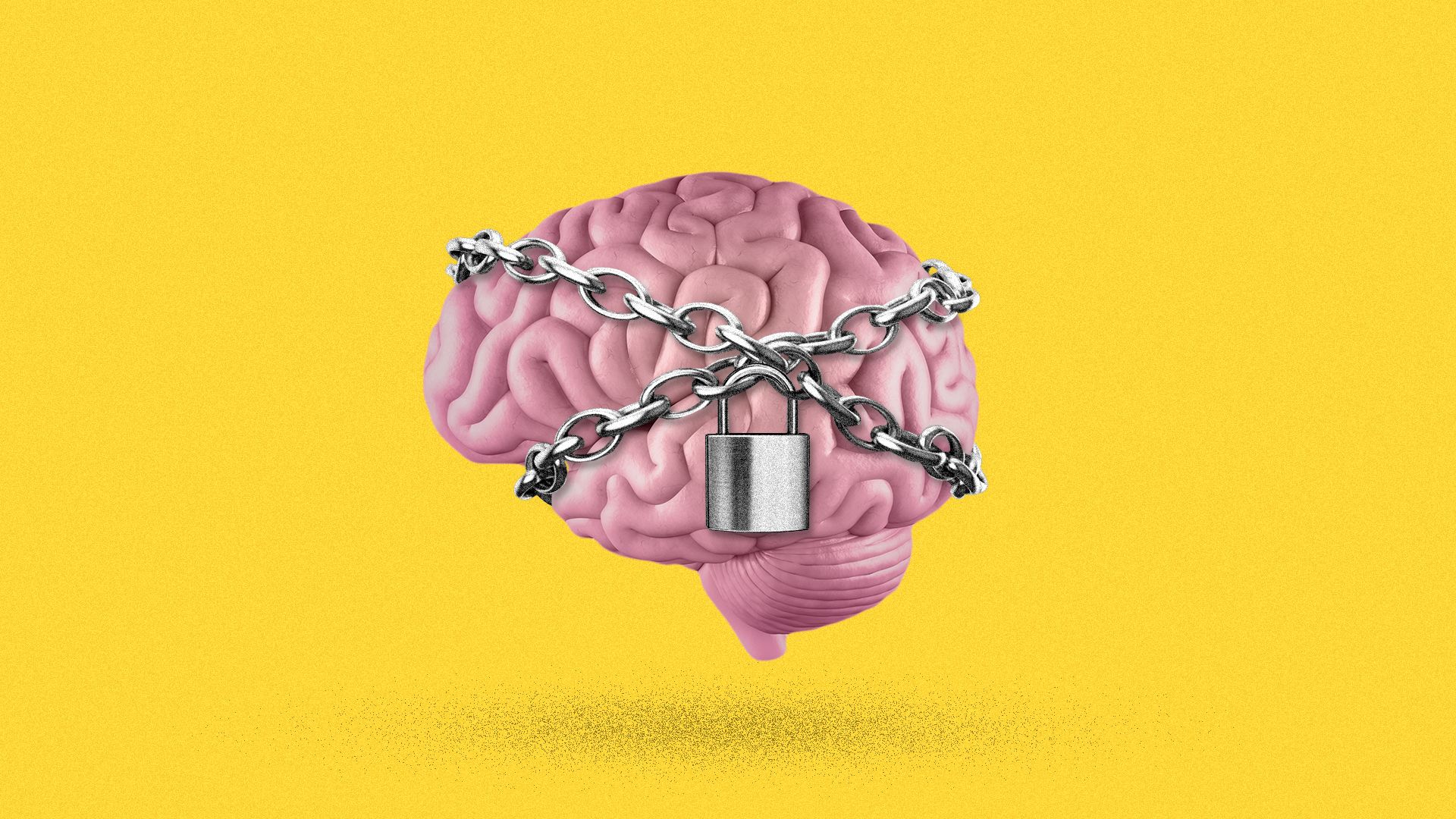
Brain–computer interfaces, once used exclusively for clinical research, are now under development at several wealthy startups and a major tech company, and rudimentary versions are already popping up in online stores.
Why it matters: If users unlock the information inside their heads and give companies and governments access, they're inviting privacy risks far greater than today's worries over social media data, experts say — and raising the specter of discrimination based on what goes on inside a person's head.
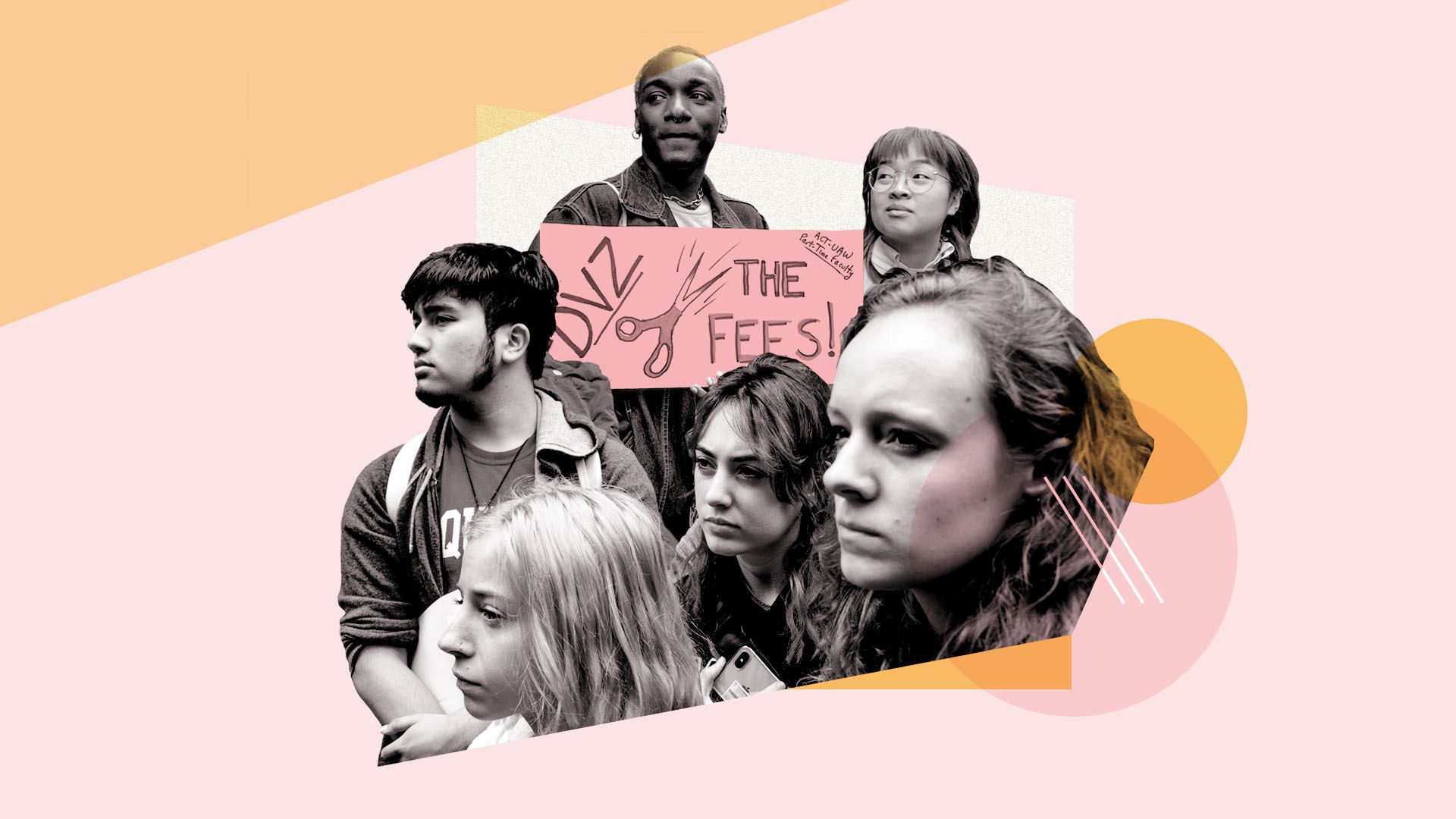
U.S. colleges and universities — historically cornerstones of society — are wrestling with a wave of rapid changes coming at the U.S.
The big picture: Higher education institutions — private, public, for-profit and not — are buckling in the face of demographic shifts, the arrival of automation, declining enrollment, politicalheadwinds and faltering faith in the system.
U.S. colleges aren't producing enough graduates with the skills companies need. So corporations are partnering with community colleges and alternative credentialing programs to build worker pipelines.
Driving the news: Virginia Gov. Ralph Northam announced on Friday that a cloud computing degree program developed with Amazon Web Services will be expanded to colleges statewide in Virginia, where the company has major data center operations.